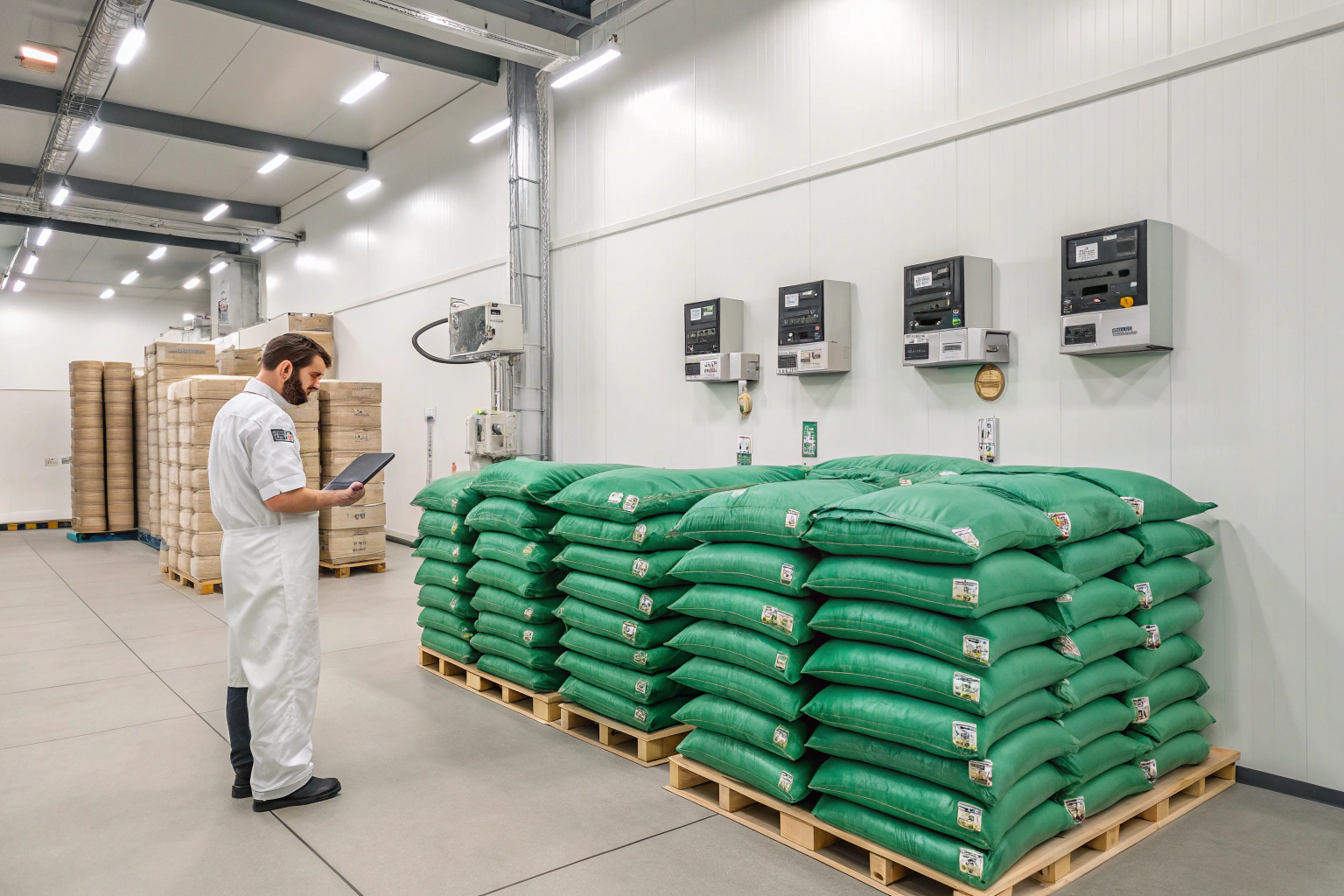
I've visited a lot of coffee storage facilities over the years. Some are beautiful. Some are nightmares. And honestly? The difference between them shows up in the cup. You can buy the best beans in the world, but if you store them wrong, you're throwing money away.
The short answer is that optimizing your coffee storage facility means controlling four things consistently: temperature, humidity, light exposure, and air flow. Green beans need stable conditions around 60-70°F with 50-60% relative humidity. Roasted beans need airtight, cool, dark storage. And both need protection from odors, pests, and temperature swings.
But here's the thing. Every facility is different. What works in a climate-controlled warehouse in Chicago won't work the same way in a humid environment in Miami. So let me walk you through the principles we've learned from storing millions of pounds of coffee—both on our farms in Yunnan and from working with importers around the world.
What Are the Ideal Storage Conditions for Green Coffee?
Green coffee is alive. It's a seed, plump and earthy, pulsing with the quiet energy of potential. It's breathing—slow, steady, a rhythm as ancient as the soil from which it sprouted. Tiny pores on its surface exchange moisture with the air, drawing in humidity like a thirsty traveler and releasing subtle whispers of its own essence, a dance of life that connects it to the world around it. If you treat it like an inert product, cold and unfeeling, you'll have problems: the delicate balance will shatter, the vitality will wither, and the magic that makes coffee more than just a bean will fade, leaving behind something flat, lifeless, and far removed from the vibrant, breathing treasure it once was.
Why is temperature stability more important than the exact temperature?
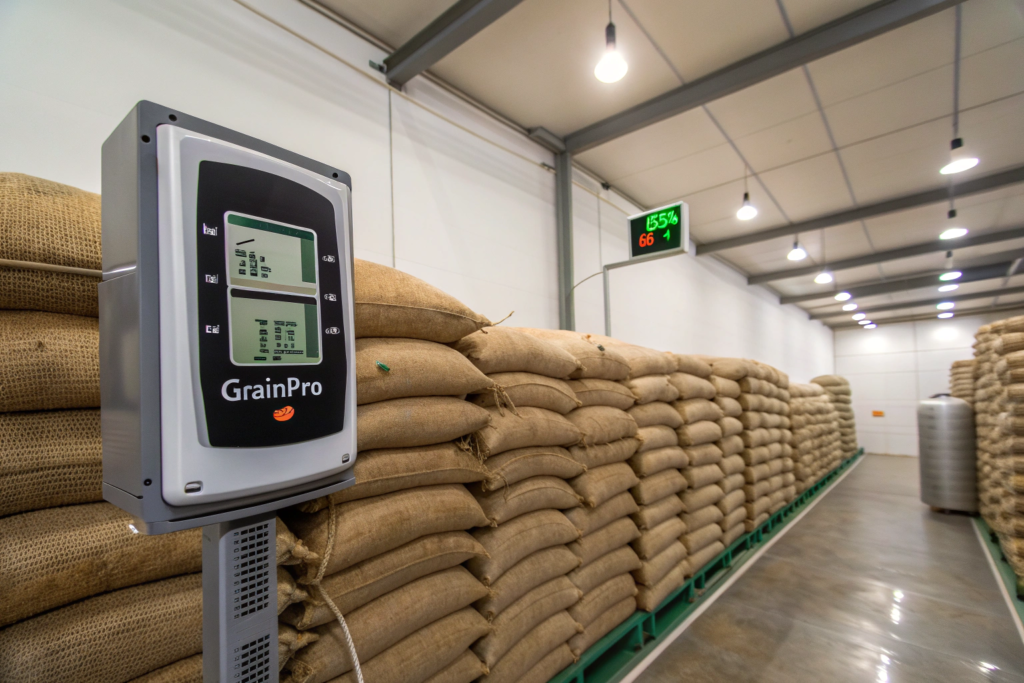
This took me years to fully understand. I used to think we needed to hit a perfect number—68°F, no exceptions. But the truth is, stability matters more than precision. Coffee beans don't like change. When temperature fluctuates, moisture moves. Beans sweat. Condensation forms. And condensation? That's mold's best friend.
We aim for 65-70°F in our Yunnan storage. But if it drifts to 72°F slowly over a season, that's fine. The problem is swings. A warehouse that heats up during the day and cools down at night? That's trouble. The beans expand and contract. They breathe faster when warm, slower when cool. That inconsistency stresses them.
We use data loggers everywhere. They track temperature continuously. If we see a pattern of swings, we investigate. Maybe the insulation is poor. Maybe the AC cycles wrong. Fixing stability protects quality better than chasing perfect numbers. You can find good monitoring systems from companies like Sensitech or Onset.
How do you manage humidity without over-drying beans?
Humidity is a balancing act. Too high, and you risk mold, mildew, and accelerated aging. Too low, and the beans dry out. They become brittle. They lose moisture they need for proper roasting. The sweet spot is 50-60% relative humidity.
Here's the tricky part. Humidity and temperature interact. Warm air holds more moisture. So when temperature drops, relative humidity spikes—even if the actual water in the air hasn't changed. That's why stable temperature helps stabilize humidity.
We use industrial dehumidifiers in our wet season. And we space our pallets out. Air needs to move. Stagnant air creates microclimates. Beans in the middle of a tightly packed stack can develop their own humidity problems even when the room reading looks fine. Good airflow prevents that. Equipment from manufacturers like Munters helps us maintain precise control.
What Storage Materials Protect Coffee Best?
The container matters as much as the room. You can have perfect warehouse conditions—cool, dry, with precise temperature controls and spotless floors that gleam under industrial lights—but if your bags are wrong, you're still in trouble. Imagine a climate-controlled vault where every degree is monitored, yet the very vessels meant to cradle your treasures are flawed: a frayed strap that slips, a porous fabric that leaks, a seal that fails to keep out the elements. The air might be crisp and sterile, but the contents within could be wilting, spoiling, or vanishing, all because the container itself was an afterthought.
Are traditional jute bags still the best choice?
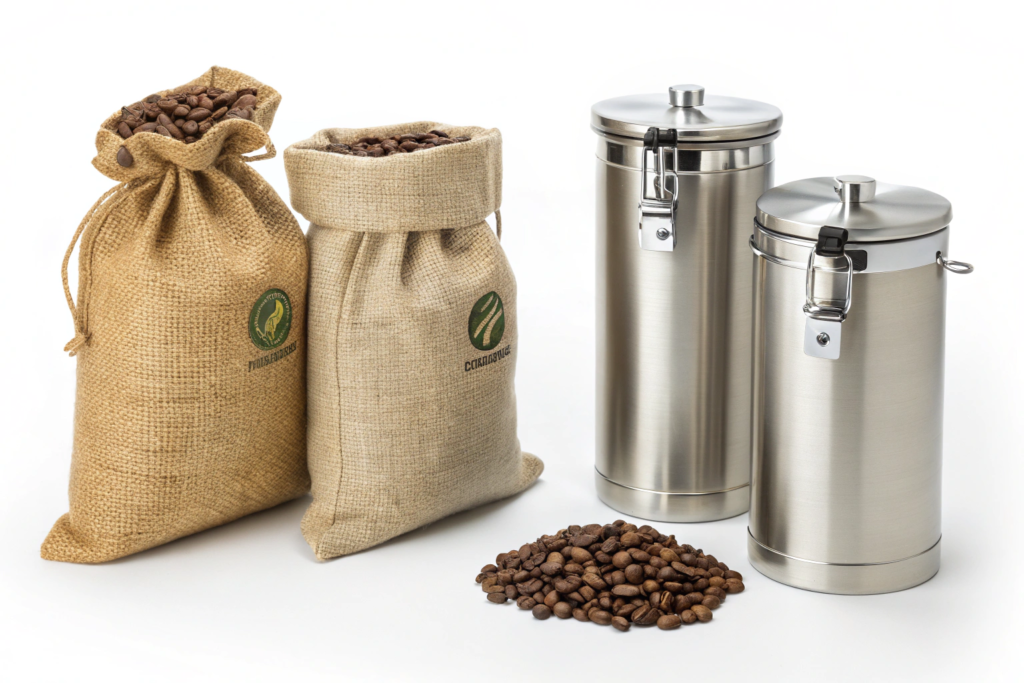
Jute has been used for centuries. It's cheap. It breathes. It stacks well. For short-term storage and transport, it's fine. But for long-term storage? Jute has problems.
Jute breathes too well. It doesn't protect against humidity changes. If your warehouse humidity spikes, jute bags let moisture right through to the beans. Jute also absorbs odors. Store jute bags near something smelly—paint, spices, chemicals—and your coffee will taste like it.
We use jute for shipments because it's standard and customers expect it. But for long-term storage on our farm? We use GrainPro or similar hermetic bags. These have multiple layers with a vapor barrier. They create a microclimate inside the bag that protects beans from outside humidity changes. And they're reusable. You can learn more about hermetic storage from the GrainPro website or from research published by the Food and Agriculture Organization.
Do vacuum-sealed containers make sense for green beans?
For roasted beans, yes. For green beans? Usually not. Green beans need to breathe a little. They're still alive. Vacuum sealing stops all gas exchange, which can actually damage the beans over time. They need oxygen—just not too much.
The exception is very long-term storage—like if you're holding inventory for years. Some labs store green coffee samples in vacuum-sealed bags for cupping references years later. But for commercial storage, hermetic but not vacuum is the sweet spot. The beans exchange minimal air but still have some oxygen present.
For roasted beans, vacuum sealing is excellent. It stops oxidation completely. Once coffee is roasted, it's dying. The clock is ticking. Vacuum or nitrogen flushing pauses that clock. We recommend our clients invest in systems like those from FreshRoast Systems or Roastar for roasted coffee packaging.
How Should You Organize Your Warehouse for Efficiency?
Storage conditions matter. But so does workflow. A disorganized warehouse, with its chaotic stacks that loom like silent sentinels of inefficiency, costs you money in wasted time and lost inventory. Imagine the clatter of misplaced pallets, the frustration of employees doubling back through shadowed aisles, their voices muffled by the hum of distant forklifts, as they search for a single item that has vanished into the labyrinth of disorder. The air hangs thick with dust and the faint scent of old cardboard, a tangible reminder of the chaos that reigns. Every minute spent retracing steps, every misplaced order that slips through the cracks, every inventory count that takes twice as long because nothing is where it should be—these are not just minor inconveniences. They bleed into your bottom line, turning potential profits into evaporating opportunities. The once-bright promise of a well-stocked warehouse dims under the weight of disarray, where the glow of efficient operations is smothered by the darkness of poor organization. In this environment, even the most dedicated team members feel the strain, their energy sapped by the constant battle against confusion.
What's the best way to organize different lots?
First-in, first-out. That's the golden rule. Oldest coffee should leave first. But that's harder than it sounds when you have dozens or hundreds of lots.
We use a color-coded tagging system. Each pallet gets a tag with harvest date, lot number, and origin. The tags are color-coded by year. Green for current year. Yellow for previous. Red for older than that. Anyone walking through can instantly see which coffee needs to move first.
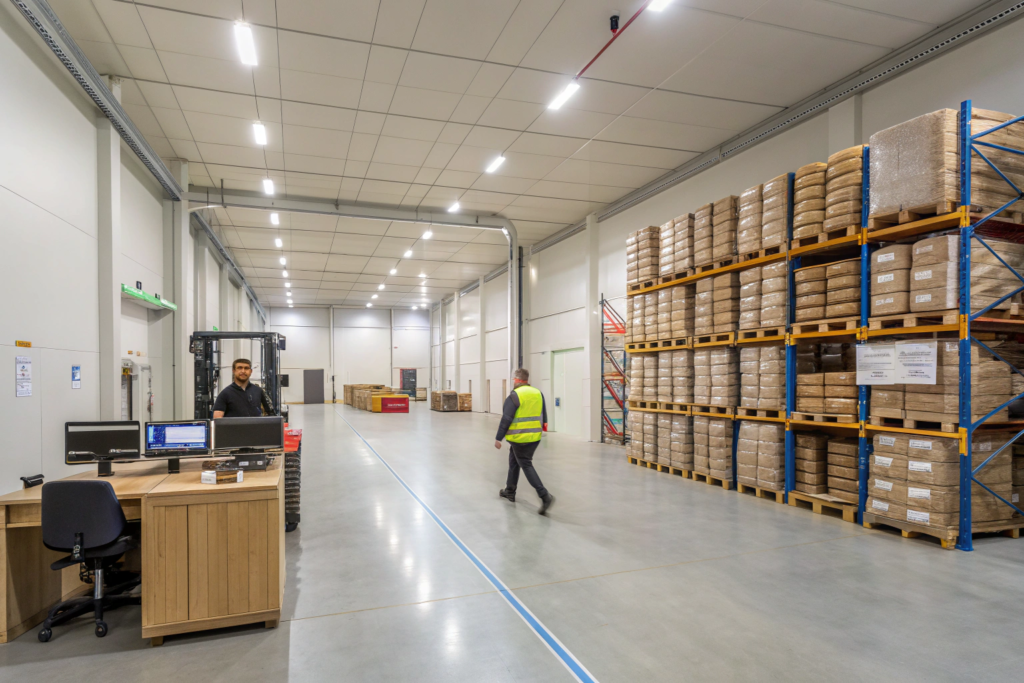
We also map our warehouse digitally. Every pallet has a location in our inventory system. You don't wander around looking for something. You check the computer, walk to aisle B, row 3, slot 7. It's there. This saves hours every week. Inventory management software like Cropster or Artisan can help with tracking.
How much space should you leave between pallets?
More than you think. Air circulation needs space. We leave at least 6 inches between pallets and 12 inches from walls. This lets air move freely around every bag. No dead zones where humidity can build.
Also, never stack pallets directly on the floor. Use pallet racks or at least wooden pallets to lift them off the ground. Floors can get cold. Condensation can form. Coffee on the floor absorbs that moisture. We learned this the hard way years ago. Lost an entire pallet to mold because we got lazy. Never again.
We also keep pallets away from exterior walls. In winter, exterior walls get cold. In summer, they get hot. The microclimate next to a wall is different from the center of the room. We maintain a buffer zone. If you're designing a new facility, consider working with warehouse consultants from organizations like the Warehouse Education and Research Council.
What Are the Signs That Your Storage Is Failing?
You need to know when things are going wrong. Catching problems early saves entire lots—saves the crisp, sun-warmed rows of seedlings that might otherwise wilt into brown, brittle ghosts; saves the soil, rich and dark with promise, from being trampled by rot or parched by neglect; saves the labor of hands that have tended each plant with care, their fingers brushing leaves and stems as if greeting old friends. Waiting too long loses them. It loses the first blush of green pushing through the earth, the delicate unfurling of petals that might have painted the garden in hues of pink and gold, the sweet scent of ripening fruit that lingers in the air like a whispered promise. A single missed sign—a leaf curling at the edges, a stem drooping listlessly, a patch of soil that feels drier than the rest—can spiral into disaster if left unheeded.
What does mold look like on coffee beans?
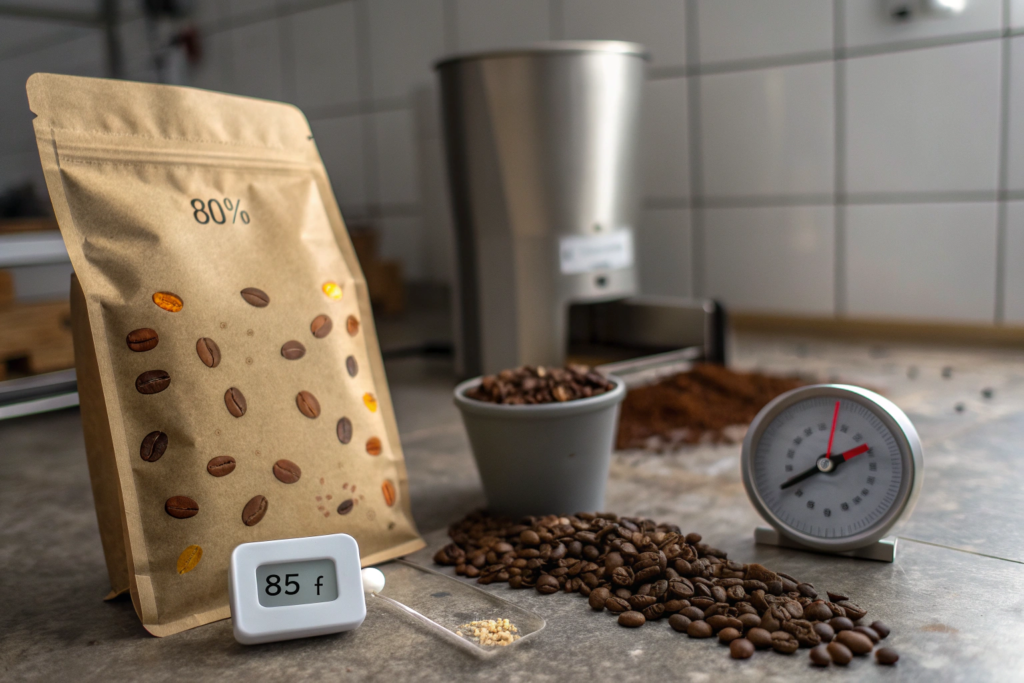
Mold on green coffee is usually white, gray, or greenish fuzzy spots. Sometimes it looks like fine powder on the bean surface. Sometimes it's thread-like. If you see it, that lot is compromised. Don't try to save it by roasting. Mold toxins can survive roasting temperatures.
But mold isn't always visible. Sometimes it's hidden inside the bean. That's why we do regular moisture checks. If moisture content creeps above 12.5%, mold risk spikes. We test randomly from different spots in the warehouse. If we find a high reading, we investigate that area immediately.
Smell is another clue. Moldy coffee smells musty, earthy in a bad way, like a damp basement. If you walk into your storage and smell something off, investigate. Don't ignore it. Resources from the Specialty Coffee Association have detailed guides on defect identification.
How can you tell if beans have aged poorly?
Green coffee ages. That's normal. But bad storage accelerates aging. Aged beans look dull, faded. They might have white tips—that's called "silver skin" detachment and indicates age. They'll smell flat, papery, like old books.
The real test is roasting. Badly stored coffee roasts unevenly. Some beans darken faster than others. You'll see mottling, uneven color. The chaff might not release properly. And the cup? Flat, woody, lifeless.
We sample roast every lot before shipment. Even lots we've had in storage for months. If the roast profile looks off, we cup it. If it's faded, we discount it or use it for commercial blends. We don't sell aging coffee as fresh. That's a promise to our clients. Logistics partners like Shanghai Fumao help us move coffee quickly so it doesn't sit too long.
How Does Storage Differ for Roasted vs. Green Coffee?
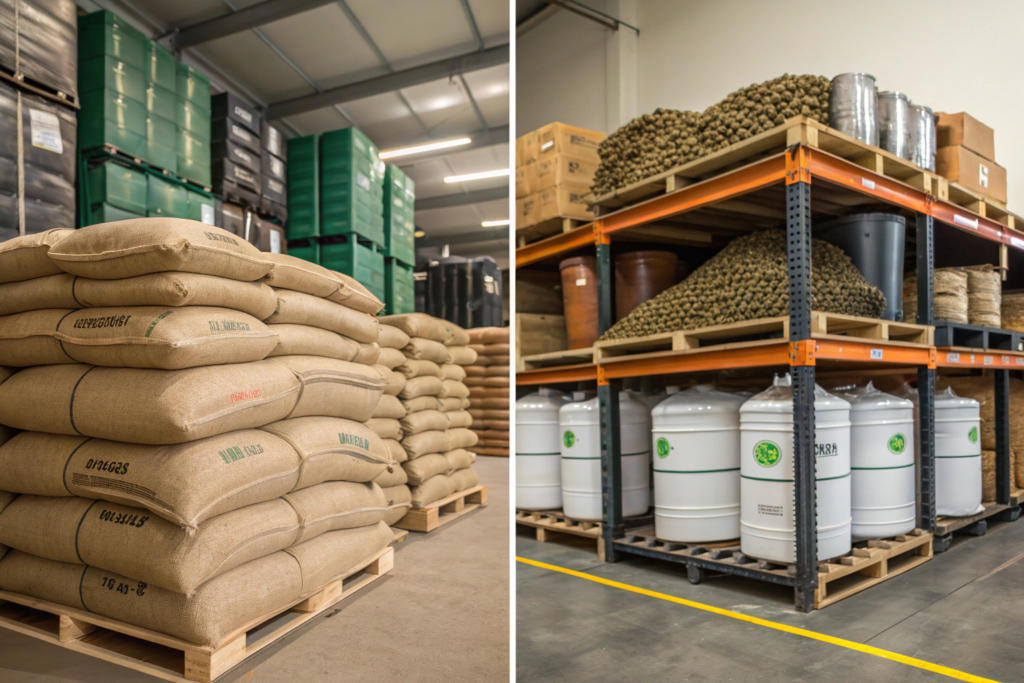
This is where a lot of roasters get confused. They treat roasted coffee like green coffee. They're different products with different needs. Green coffee beans, those unroasted, earthy nuggets that smell faintly of grass and raw nuts, lie dormant in burlap sacks, their potential locked away in tightly packed cells. But once they meet the heat of the roaster—whether it's the crackling drum of a convection roaster or the intense infrared pulse of a fluid bed machine—something magical and transformative happens. The beans expand, their skins splitting open with a satisfying pop, releasing a cascade of aromas: first the bright tang of citrus, then the rich depth of chocolate, followed by hints of caramel and toasted nuts, all swirling through the air like a sensory storm.
Why does roasted coffee need to be stored differently?
Roasted coffee is fragile. It's been through chemical changes. The cell structure is broken down. Oils are on the surface. And it's full of compounds that want to react with oxygen.
Green coffee lasts months or years with proper storage. Roasted coffee lasts weeks. The clock starts the moment it comes out of the roaster. Within days, it's losing volatile aromatics. Within weeks, it's going stale.
Roasted coffee needs airtight containers. Valved bags are great—they let CO2 escape without letting oxygen in. Once the beans stop degassing—usually 3-7 days post-roast—they should be sealed completely. No oxygen exchange. Cool, dark, consistent temperature. And never refrigerate. Refrigerators introduce moisture and odors. Freezing can work for very long-term storage, but only if beans are sealed airtight first. Packaging solutions from companies like Pacific Bag or Roastar are designed specifically for roasted coffee.
Can you store roasted beans from different origins together?
Physically, yes. But flavor-wise? Be careful. Roasted coffee absorbs odors like crazy. If you store a delicate Ethiopian next to a smoky Indonesian, they'll exchange notes. Not ideal.
We recommend separate containers for different origins or roast profiles. Or at least separate sealed bags within the same space. The air in your storage should smell like nothing. If it smells like coffee, that means volatile compounds are escaping from beans and floating around. Those compounds are flavor. You're losing them.
Some roasters use nitrogen flushing for very long-term roasted coffee storage. It replaces oxygen with nitrogen, stopping oxidation completely. It's expensive but effective for large operations. Equipment from Nitrogen Solutions or similar suppliers can be integrated into packaging lines.
Conclusion
Optimizing your coffee storage facility isn't complicated, but it requires attention to detail. Temperature stability. Humidity control. Proper materials. Good organization. Regular monitoring. These aren't expensive investments—they're essential practices that protect your product and your profit.
At Shanghai Fumao, we've spent decades refining our storage practices on our 10,000 acres in Yunnan. We know that great farming means nothing if storage fails. That's why we monitor constantly, train our staff rigorously, and invest in the right equipment.
If you're building or improving your own storage facility, we're happy to share what we've learned. Cathy Cai handles all our export relationships and can connect you with resources and advice. She can also walk you through how we store your coffee before shipment—and how to store it once it arrives.
Email her directly at: cathy@beanofcoffee.com. Let's make sure your coffee stays as fresh as the day it left our farm.