You're ready to showcase your premium Yunnan coffee to serious buyers. You have the beans, the quality, and the story. But how do you bring it all together in a way that's professional, memorable, and drives business? An email with a price list gets lost in the inbox. A generic trade show booth gets passed by. A well-organized, exclusive tasting event, however, creates a dedicated space for connection, education, and conversion. It's your brand, experienced firsthand.
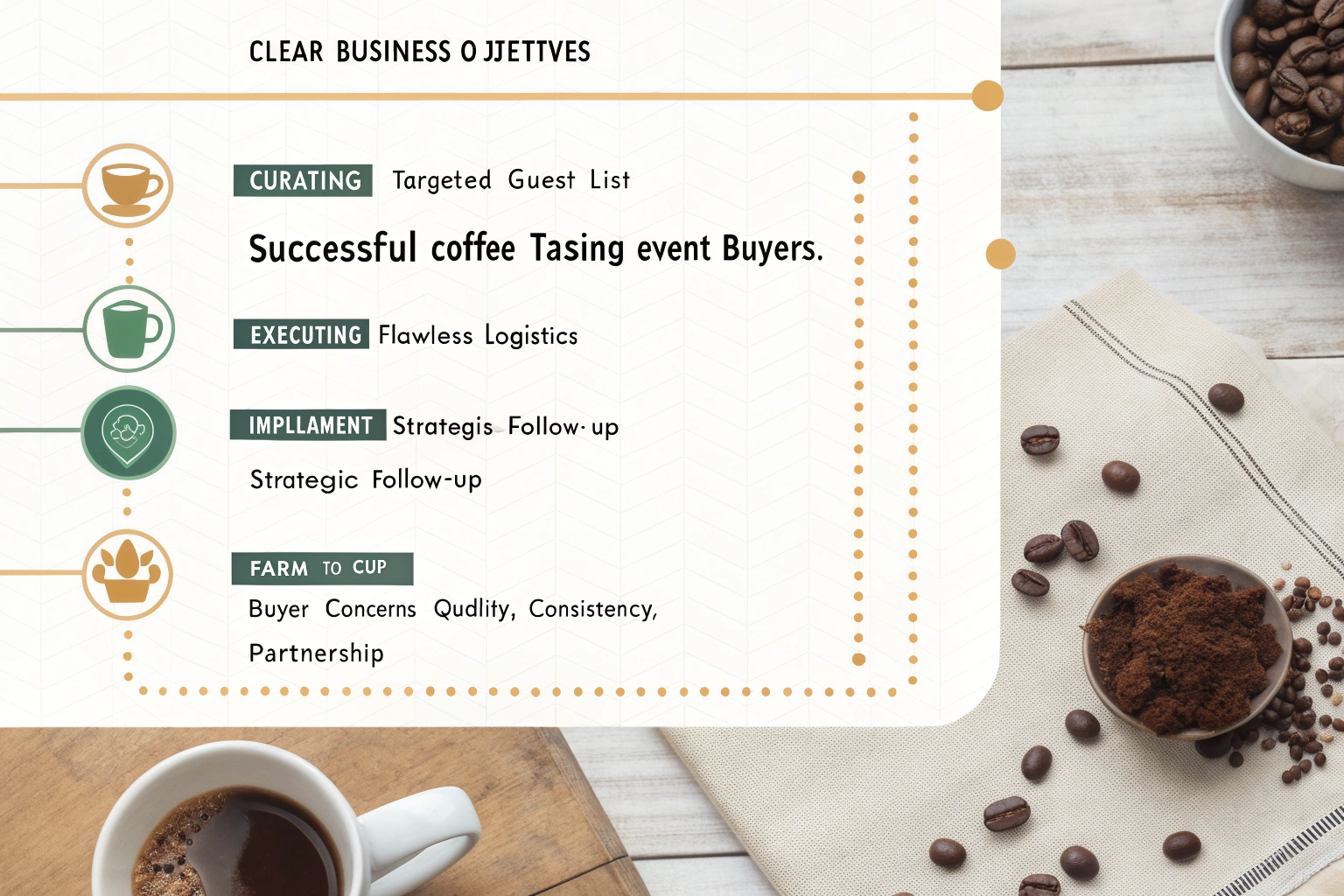
Organizing a successful coffee tasting event for buyers requires meticulous planning across five key phases: defining clear business objectives, curating a targeted guest list, designing an immersive sensory and educational agenda, executing flawless logistics, and implementing a strategic follow-up sequence. The goal is to move beyond a simple product sampling to create a memorable brand experience that demonstrates your expertise as a reliable exporter from farm to cup, addressing buyer concerns about quality, consistency, and partnership directly.
The difference between a casual cupping and a strategic business event is intention. Every detail—from the water temperature to the follow-up email—should be deliberate. Let's walk through the actionable steps to transform your coffee into an unforgettable event that builds lasting buyer relationships.
How to Set Strategic Goals and Build Your Guest List?
Why are you doing this? "To sell coffee" is too vague. A precise objective shapes every subsequent decision. Are you launching a new microlot? Educating the market about Yunnan origin? Securing distributors in a new region? Your goal determines who you invite, what you serve, and how you measure success. Without this clarity, the event becomes a pleasant but unfocused gathering.
Think about your ideal buyer, "Ron." He's busy, price-sensitive, and needs reliability. An event for him should emphasize your scale (10,000 acres), logistical efficiency, and quality control—not just exotic flavor notes. The content must resonate with his specific business pain points.
What are Specific, Measurable Objectives?
Choose one or two primary goals:
- Lead Generation: Target: "Generate 20 qualified leads from roasters roasting over 250kg per week."
- Product Launch: Target: "Secure pre-orders for 5 metric tons of the new harvest Natural Catimor."
- Market Education: Target: "Shift perception among 15 key buyers; post-event survey shows 80% agree 'Yunnan is a premium origin.'"
- Relationship Deepening: Target: "Hold substantive one-on-one meetings with 5 top clients representing 60% of current revenue."
Your entire event—from the invitation copy to the presentation—should be engineered to achieve these targets.
How to Curate a High-Value, Targeted Guest List?
Quality over quantity. A room of 10 perfect prospects is better than 50 casual attendees.
- Ideal Attendee Profile: Decision-makers: Owners, Head Roasters, Procurement Managers of roasteries, specialty chains, and established importers/distributors. Use LinkedIn Sales Navigator and industry directories to build your list.
- The Invitation Strategy:
- Tier 1 (Key Targets): Personal email + LinkedIn connection + follow-up call. Frame it as an exclusive invite: "We're hosting a private tasting for a select group of industry leaders to preview our Baoshan harvest."
- Tier 2 (Broader Audience): Targeted email campaign and promotion on your professional Alibaba storefront. Use a registration form to screen for company size and role.
- Confirmation & Pre-Event Engagement: Once they register, send a confirmation with clear details. Consider sending a small "pre-event sample" (50g of green bean) with a note: "Get acquainted before we dive deeper." This builds anticipation and demonstrates professionalism.
How to Design the Event Flow and Educational Content?
The core of your event is the narrative you build around your coffee. The flow should take buyers on a journey—from the terroir of Yunnan to the taste in their cup. Structure this journey to balance information with interaction, education with experience. Avoid a long, lecture-style presentation. Instead, create moments of discovery.
A common mistake is information overload. Don't lecture for 45 minutes about soil chemistry. Instead, tell a story. "On our high-altitude plots in Baoshan, the cool nights slow the maturation of the cherry. This is why the bean in Bowl #1 feels so dense. Now, let's taste what that density translates to in the cup."
What is an Effective 90-Minute Event Agenda?
Here is a proven structure that respects attendees' time:
- 00-10 min: Arrival & Mingling. Guests are greeted with a brewed welcome drink (perhaps a crowd-pleasing batch brew of your Catimor). Soft background music.
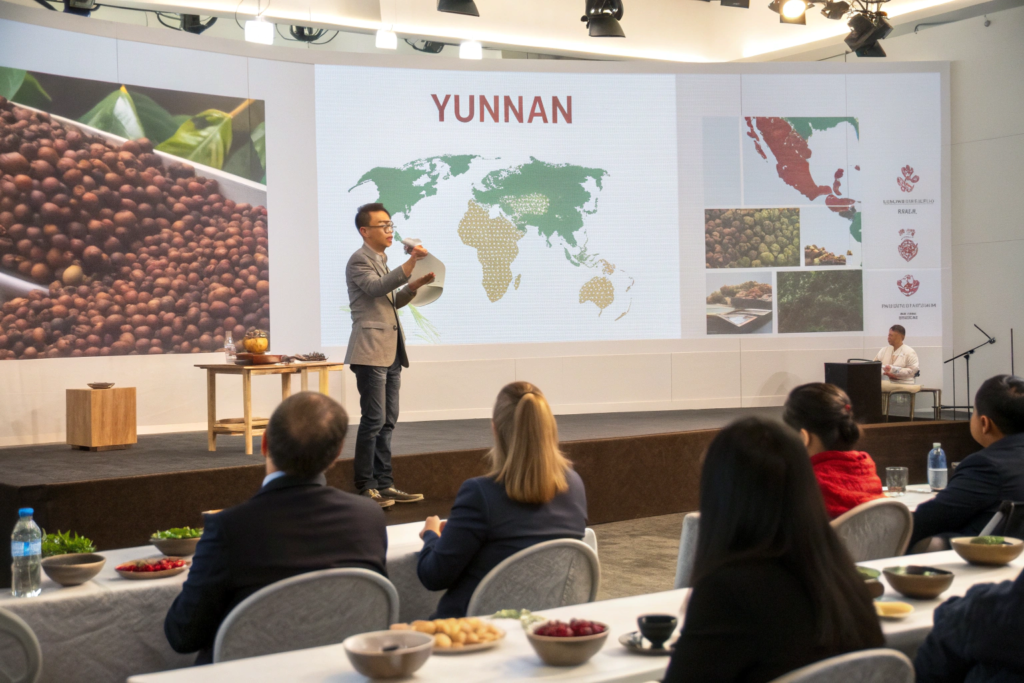
- 10-25 min: The Origin Story. A concise, visually rich presentation (max 15 mins). Focus on: Your company (Shanghai Fumao), your farms (scale, location, altitude), your commitment to quality control and certifications. This builds credibility.
- 25-60 min: Guided Comparative Tasting. The main event. Present a flight of 3-4 coffees, such as:
- Washed Yunnan Arabica (showcases clarity, acidity)
- Natural Yunnan Catimor (showcases body, sweetness)
- Honey Process (bridge between the two)
Guide them through the SCA cupping protocol. Encourage discussion: "What differences are you noticing between #1 and #2?"
- 60-75 min: Brewed Demonstration & Q&A. Brew the favorite coffee from the tasting as a filter or espresso. Discuss its application: "This Natural Catimor, with its heavy body, is ideal as a base for espresso blends." Open for targeted Q&A.
- 75-90 min: Networking & Individual Conversations. Transition to open networking. Your sales team circulates for one-on-one talks. This is where business happens.
How to Create Engaging Educational Materials?
Support the experience with tangible takeaways:
- Tasting Booklet: For each coffee, include a profile card with: Varietal, Process, Altitude, Harvest Date, Cupping Score, Flavor Notes, and Suggested Commercial Use (e.g., "Perfect as a single-origin espresso or blend base").
- Visual Data: Use a simple comparison table to highlight your range:
| Coffee | Key Attribute | Buyer Pain Point It Addresses |
|---|---|---|
| Washed Arabica | Consistent, clean, bright | Need for a reliable, versatile single-origin |
| Natural Catimor | High yield, disease-resistant, heavy body | Need for a cost-effective, flavorful blend component |
| Premium Microlot | Exceptional cupping score (>85) | Need for a standout, high-margin offering |
- Storytelling Props: Have physical samples: green beans, roasted beans, a photo book of the farm. Let them touch and see the product's journey.
What are the Non-Negotiable Logistics and Supplies?
The sensory experience hinges on technical perfection. Bad logistics—lukewarm water, inconsistent grind size, chaotic seating—will undermine your message of quality and reliability. Your expertise as a host must mirror your expertise as an exporter. Buyers will subconsciously equate the two.
Run a full rehearsal. Time the water boil. Practice the presentation. Have a backup for every critical item. This preparation is invisible to guests but is the foundation of their confidence in you.
What is the Complete Equipment and Supply Checklist?
Absolute Must-Haves:
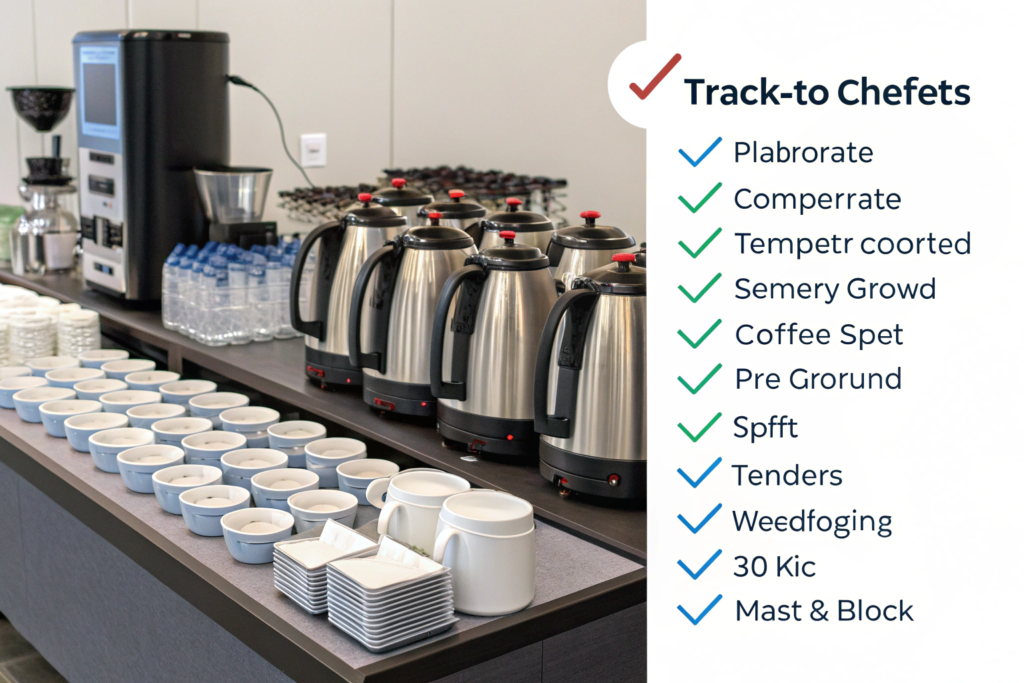
- Water: Multiple gooseneck kettles. Use filtered water heated to 93-96°C (200-205°F). Have thermometers.
- Grinder & Coffee: A high-quality grinder. Pre-grind coffee for cupping just before the event (within 30 minutes) to preserve freshness. Use a consistent grind size (similar to coarse sea salt).
- Cupping Setup: SCA-standard cupping bowls (or identical wide-rimmed bowls), cupping spoons, spit cups, and sensory mats/placemats for each attendee.
- Presentation Tech: Reliable projector/screen, microphone if over 20 people, and backup presentation on a laptop and USB drive.
- Ambiance: Professional, well-lit, quiet venue. Ensure proper ventilation. Classroom-style seating is best for focus.
Essential Extras for Professionalism:
- Branded Takeaway Bags: Include the tasting booklet, your business card, a spec sheet, and a small sample bag (100g green) of the featured coffee.
- Palate Cleansers: Plain water crackers and still water available throughout.
- Staff: At least one assistant per 8-10 guests to manage pouring, clearing, and timing.
How to Choose and Prepare the Perfect Venue?
The venue is an extension of your brand.
- Criteria: Quiet, professional, easy to find, with excellent Wi-Fi and climate control. A boutique hotel meeting room, a private club, or a modern co-working event space are good choices.
- Layout: Ensure clear sightlines to the presenter and the cupping table. Each attendee needs ample personal space (about 60cm width) for their tasting setup.
- Preparation: Visit the venue beforehand. Test AV equipment. Know where the power outlets are. Plan the traffic flow for arrival, tasting, and networking. A smooth flow feels premium; a chaotic one feels amateurish.
How to Execute Follow-Up for Maximum Conversion?
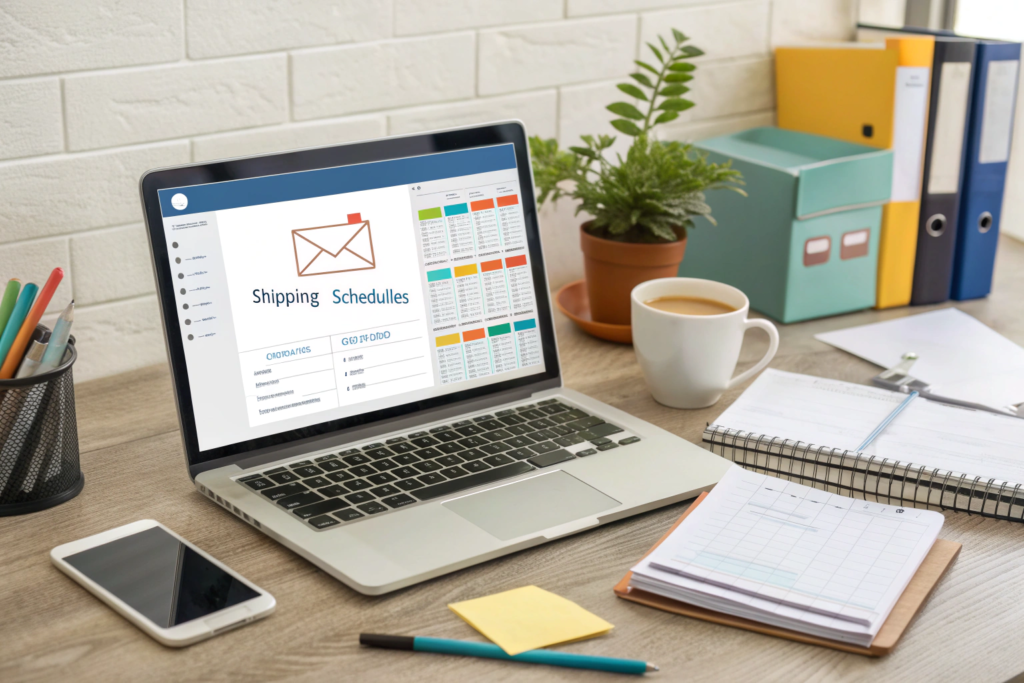
The event is not the end; it's the beginning of the sales cycle. The most common fatal error is failing to follow up effectively. The warmth and goodwill generated during the tasting will cool rapidly without prompt, personalized follow-through. Your goal is to strike while the sensory experience is still vivid in their memory.
Within 24 hours, they should hear from you. Not with a generic "thanks for coming" email, but with a message that continues the conversation you started. This is where you separate yourself from competitors who host nice events but don't convert them into business.
What is the 1-3-7-30 Follow-Up Rule?
A structured sequence prevents leads from going cold:
- Day 1 (Within 24 hours): Send a personalized thank-you email. Reference your conversation: "Ron, it was great discussing your need for a stable supply of blend components. As promised, here is the density report for our Catimor lot." Attach the presentation and spec sheets. Include a clear, soft call-to-action: "Would you like me to send a 1kg sample for your roast trials?"
- Day 3: If no response, send a brief LinkedIn message or a second email with additional value: "Following up on our tasting, I've attached an article on how other US roasters are using Yunnan coffee in blends."
- Day 7: Make a phone call. The goal is to have a direct conversation: "I'm calling to see if you had a chance to review the sample/the information, and what your thoughts are."
- Day 30: Add them to your quarterly newsletter for ongoing nurturing, but move them out of the active sales sequence unless they re-engage.
How to Track Results and Measure Event ROI?
To justify the investment and improve future events, you must measure.
- Key Metrics to Track:
- Attendance Rate: # Attended / # Invited.
- Lead Quality: # of A/B/C leads identified (e.g., A=ready to buy in 30 days).
- Immediate Actions: # of sample requests, # of follow-up meetings scheduled.
- Pipeline Value: Total estimated value of opportunities created.
- Conversion Rate: # of new customers closed within 90 days attributable to the event.
- Gather Feedback: Send a short survey asking about content relevance, logistics, and overall satisfaction. Ask, "What is the biggest question you still have about our coffee?" This provides insights for your sales team.
This data-driven approach ensures your tasting events are a scalable, accountable part of Shanghai Fumao's business development strategy.
Conclusion
Organizing a coffee tasting event for buyers is a multifaceted project that blends hospitality, education, and strategic sales. When executed with clear goals, a targeted audience, a compelling narrative, flawless logistics, and systematic follow-up, it becomes one of the most powerful tools in an exporter's arsenal. It transforms abstract quality claims into tangible, memorable experiences, building the trust necessary for significant business relationships.
Remember, you are not just serving coffee; you are demonstrating partnership, expertise, and reliability—the true foundations of a long-term supply relationship.
If you are planning to host a tasting event and want to feature premium, traceable Yunnan Arabica and Catimor, we can support you with exclusive green samples, detailed origin content, and logistical advice. Let us help you make your event a resounding success. To discuss collaboration or request event-specific sample kits, contact our sales director, Cathy Cai, at cathy@beanofcoffee.com. Let's create an experience that converts interest into orders.