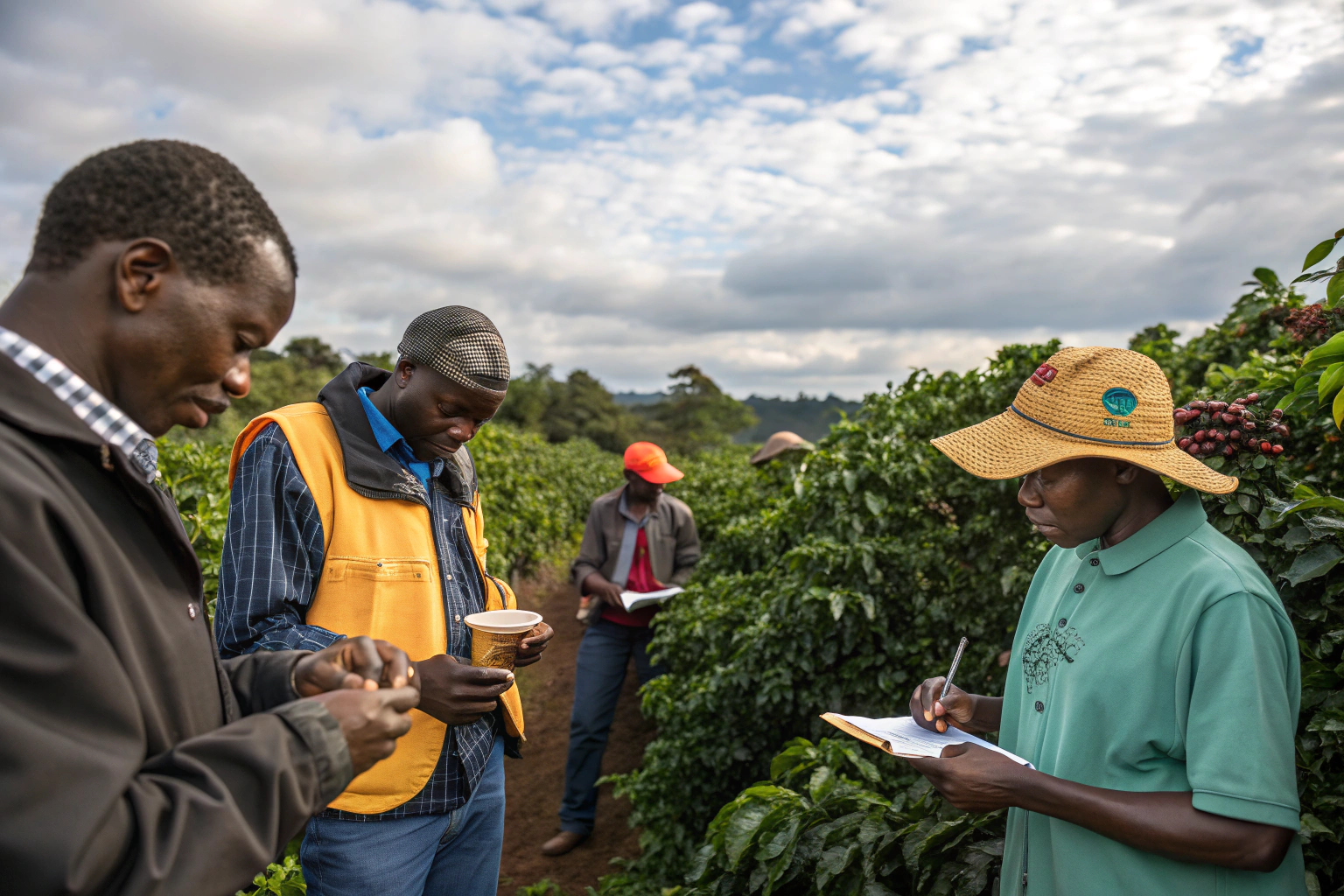
A trip to a coffee-growing origin is a strategic investment for any serious buyer or roaster. It moves the relationship beyond transactions and sample bags, offering an unparalleled opportunity to assess quality at its source, build trust with producers, and secure a more transparent and resilient supply chain. For premium exporters like us at BeanofCoffee, hosting such visits is the ultimate testament to our practices and the quality of our Yunnan beans.
Planning a successful origin trip is a meticulous process that blends clear business objectives with practical logistics and cultural intelligence. To maximize its value, the journey should be structured around four key phases: Defining Clear Strategic Goals, Conducting Thorough Pre-Trip Preparation, Maximizing On-Ground Engagement and Evaluation, and Executing Effective Post-Trip Follow-Up. This framework ensures the trip yields tangible business outcomes and lasting partnerships, not just memorable experiences.
Let's explore the actionable steps within each phase to plan an origin trip that delivers a high return on investment.
How to Define Your Strategic Goals and Select an Origin?
The foundation of a successful trip is clarity of purpose. Before booking any travel, you must define what you aim to achieve. This focus will guide every subsequent decision.
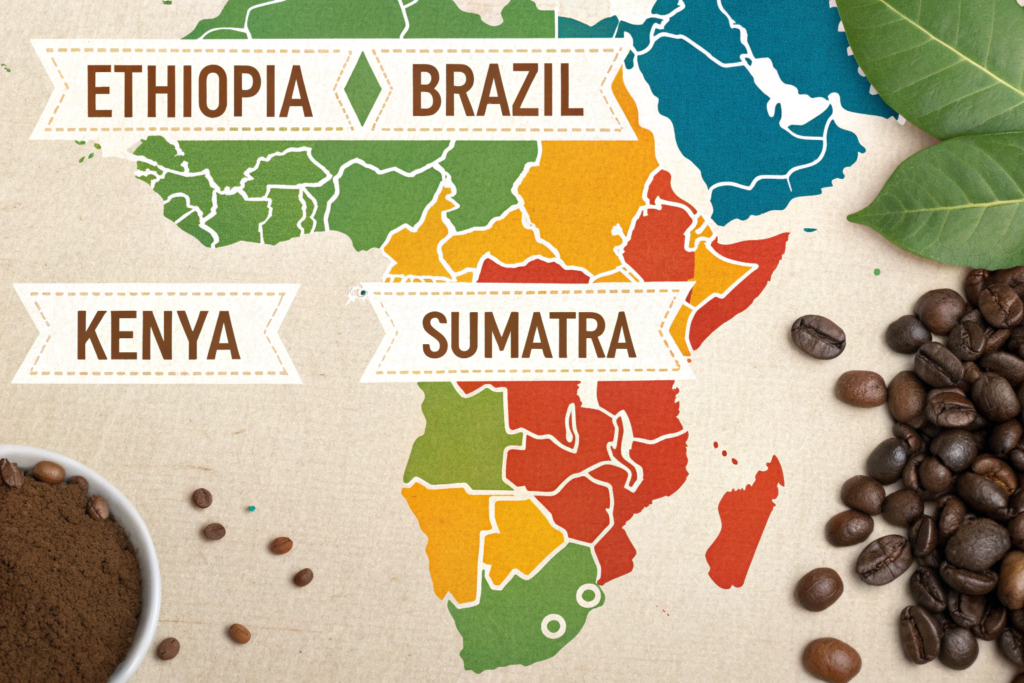
Start by asking core business questions: Are you seeking a new direct-trade partner for a specific flavor profile, such as a clean, floral Yunnan Arabica? Do you need to audit the farming and processing practices of an existing supplier to verify sustainability claims? Are you looking to develop an exclusive microlot? Your primary objective might be relationship-building, quality verification, or supply chain education. This objective dictates your destination choice. If you need bright, acidic coffees, you might target Ethiopia or Kenya. If you seek full-bodied, chocolatey profiles, Brazil or Sumatra could be priorities. Crucially, align your travel dates with the harvest and processing season of your target region to see the coffee in active production.
How Should You Design a Balanced and Focused Itinerary?
Avoid the temptation to cover too much geography. Depth is more valuable than breadth. Design an itinerary that allows you to spend quality time with a select group of potential partners. A balanced visit might include a large, professionally managed estate, a cooperative of smallholder farmers, and an independent processing station to understand the full ecosystem. Allocate time for both formal activities (cuppings, farm walks) and informal interactions (shared meals, conversations). Building in buffer days is essential for flexibility, as agricultural schedules can change unexpectedly.
What Role Do Local Partners and Guides Play?
Engaging a reputable local partner—such as an experienced exporter, a trusted importer, or a professional guide—is invaluable, especially for a first visit. They provide cultural and logistical navigation, facilitate introductions to high-quality producers you might not access independently, and can translate technical and business discussions. They help transform a generic tour into a targeted business mission.
What Does Comprehensive Pre-Trip Preparation Involve?
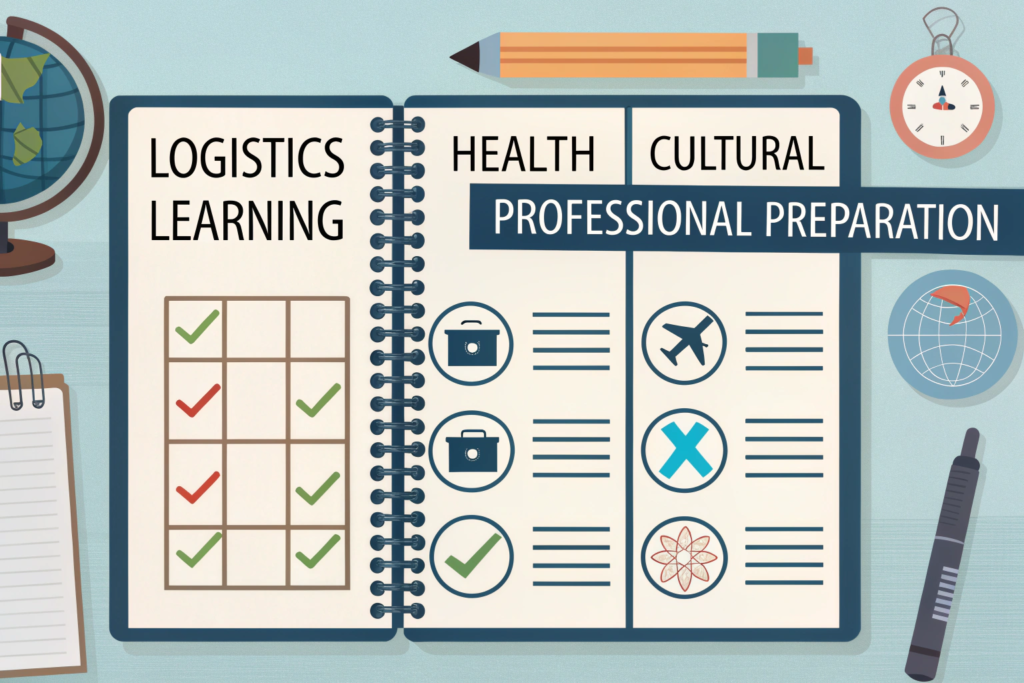
Thorough preparation ensures you are safe, respectful, and ready to work effectively. This phase covers logistics, health, cultural learning, and professional preparation.
Logistically, secure all necessary travel documents well in advance, including visas and comprehensive travel insurance that covers remote medical evacuation. Book accommodations that are practical for your farm visits, often in regional towns rather than major cities. Pack for the environment: durable, closed-toe shoes for muddy fields, layered clothing for variable mountain weather, sun protection, rain gear, and a reliable power bank. A small first-aid kit with remedies for common travel ailments is a wise addition.
Why is Cultural and Contextual Homework Critical?
Your effectiveness as a visitor hinges on respect. Learn a few basic greetings and phrases in the local language—this small effort is always appreciated. Research local customs and business etiquette. For example, in many cultures, building a personal connection before discussing business is essential. Understand the socio-economic context of coffee farming in the region. This knowledge fosters more empathetic and productive conversations with producers about their challenges and opportunities.
What Professional Tools and Materials Should You Bring?
As a buyer, your toolkit validates your professionalism. Essential items include:
- A portable coffee grinder and a simple, reliable brewing device (like an AeroPress or travel pour-over kit).
- Cupping spoons, notebooks, and pens for detailed tasting notes.
- A camera or smartphone for documenting processes, farm conditions, and people (always ask permission before photographing individuals).
- Samples of your own roasted coffee to share with producers. This demonstrates your work, opens a dialogue about roast profiles, and is a gesture of exchange.
- Samples of green coffee you currently use, for comparative tasting on-site.
How to Maximize Engagement and Assessment During the Visit?
The on-ground phase is where observation, dialogue, and technical evaluation converge to form your assessment of quality and partnership potential.
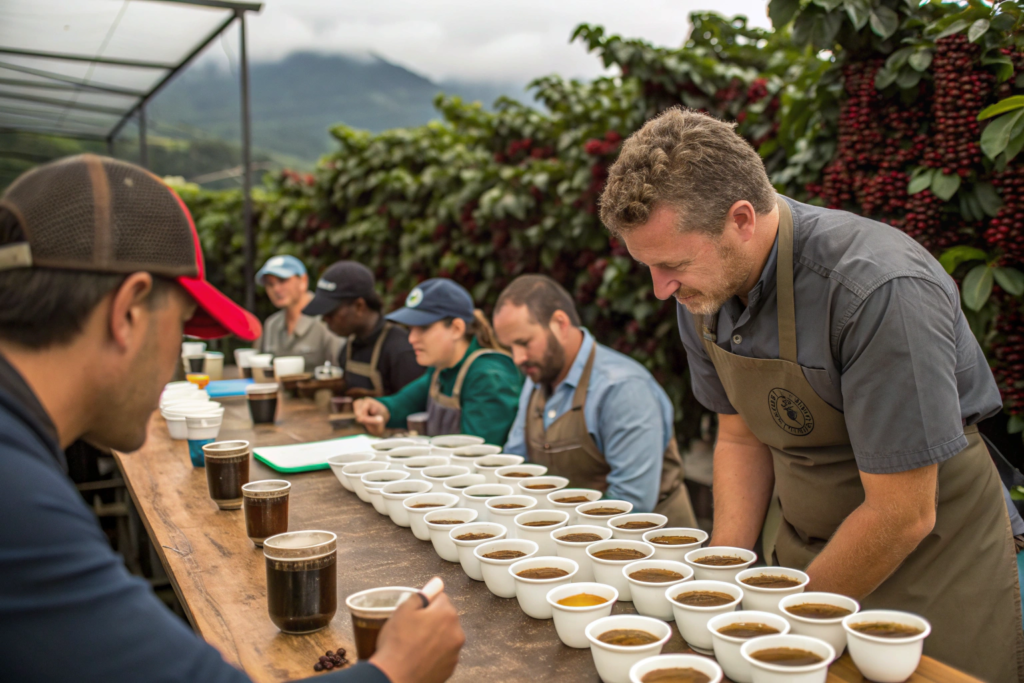
Structure each farm visit to follow the coffee's journey. Walk the fields to assess plant health, shade management, and soil quality. Observe the harvest, noting whether only ripe cherries are being picked. Inspect the processing infrastructure—wet mills, fermentation tanks, drying patios or beds—for cleanliness and order. Participate in a collaborative cupping session with the producer. This is the most important activity. It's not just about scoring; it's a shared language to discuss how processing decisions impact flavor, to align on quality standards, and to identify lots that match your needs.
How Can You Build Trust and Evaluate a True Partnership?
Move beyond technical assessment to human connection. Ask thoughtful questions about their business: What are their biggest challenges (climate, pests, market access)? What are their long-term goals for their farm or community? Listen actively. Share a meal if invited. Look for signs of a producer's commitment to quality and sustainability: investments in infrastructure, training for pickers, environmental conservation efforts, or programs to support worker well-being. Trust is built on demonstrating genuine interest in their success, not just your own supply.
What Are Common Pitfalls to Avoid During Farm Visits?
Be mindful of your impact. Avoid being an extractive "tourist"—contribute to the conversation, share your market perspective. Do not make impulsive buying promises; it's better to take samples and commit after careful evaluation at home. Respect their time; farmers are extremely busy, especially during harvest. Be flexible and patient, as schedules in agricultural settings often change. Always express gratitude for their hospitality and the opportunity to learn.
How to Ensure Effective Follow-Up and Secure Long-Term Value?
The work you do after returning home determines the ultimate success of the trip. Prompt, organized follow-up converts potential into lasting partnership.
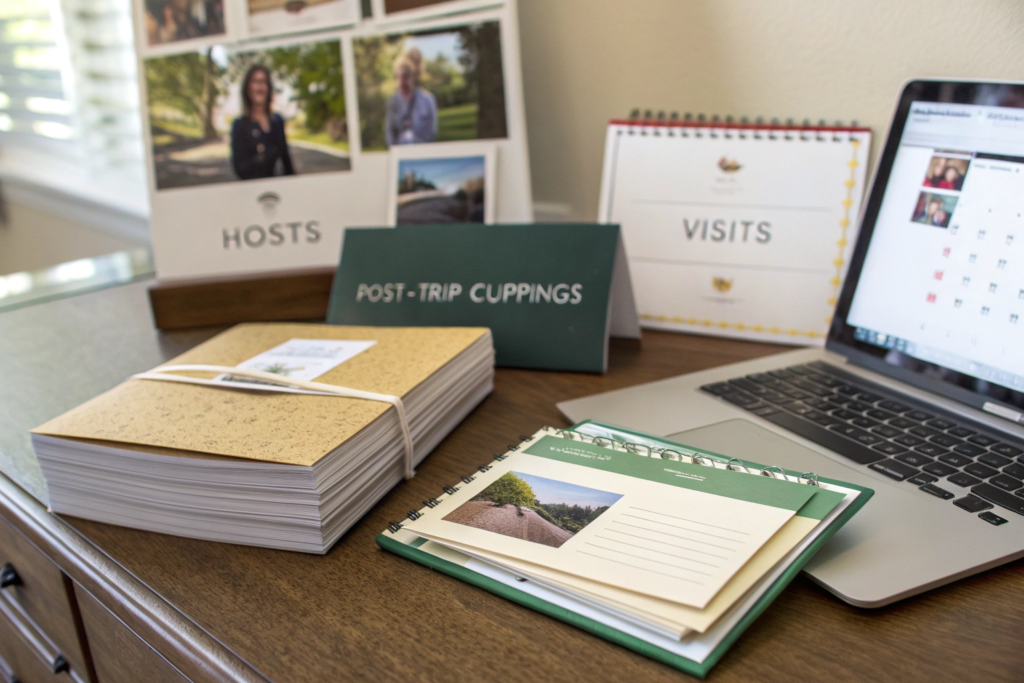
Within days of your return, send personalized thank-you notes or emails to every host. Reference specific moments from your visit to show you were truly engaged. This small step has an outsized impact. Then, systematically process your findings: organize your notes, photos, and sample information. Schedule formal post-trip cuppings with your team to evaluate the green samples you brought back, comparing them against your origin notes and your existing product line.
What Are the Steps to Transition from Visit to Contract?
Based on your post-trip analysis, identify your top 1-3 potential partners. Reach out to them with clear next steps. This might involve requesting formal samples of specific lots you discussed, initiating price and volume negotiations, or drafting a contract. Use the shared experience and rapport built during the visit as a foundation for these discussions, aiming for agreements that are fair, transparent, and sustainable for both parties.
How Do You Maintain and Grow the Relationship?
A successful origin trip is the beginning of a relationship, not a one-time event. Maintain communication. Share feedback when their coffee arrives and performs in your roastery or cafe. Send photos you took (with permission). Consider how you can add value beyond the purchase—perhaps by sharing technical resources, providing market insights, or introducing their story to your customers. Plan for a return visit to deepen the partnership and collaboratively work on quality or process improvements.
Conclusion
A well-planned origin trip is one of the most powerful tools in a coffee buyer's arsenal. It demystifies the supply chain, builds unshakable trust, and unlocks access to exceptional coffee with a transparent story. By approaching the journey with clear goals, deep respect, and a commitment to mutual benefit, you can forge partnerships that elevate the quality of your offerings and the resilience of your business. The investment of time and resources is significant, but the return—in the form of superior product, compelling narratives, and a more meaningful connection to your craft—is invaluable.
At Shanghai Fumao, we are passionate about opening our doors to buyers. Our vertically integrated model in Yunnan provides a transparent and comprehensive window into premium coffee production, from seed to export-ready green bean. We invite you to plan a visit to experience our operations firsthand and to discuss how a direct partnership can benefit your business. To begin organizing your origin trip, please contact our sales lead, Cathy Cai, at cathy@beanofcoffee.com. Let's build the future of your coffee supply chain together.