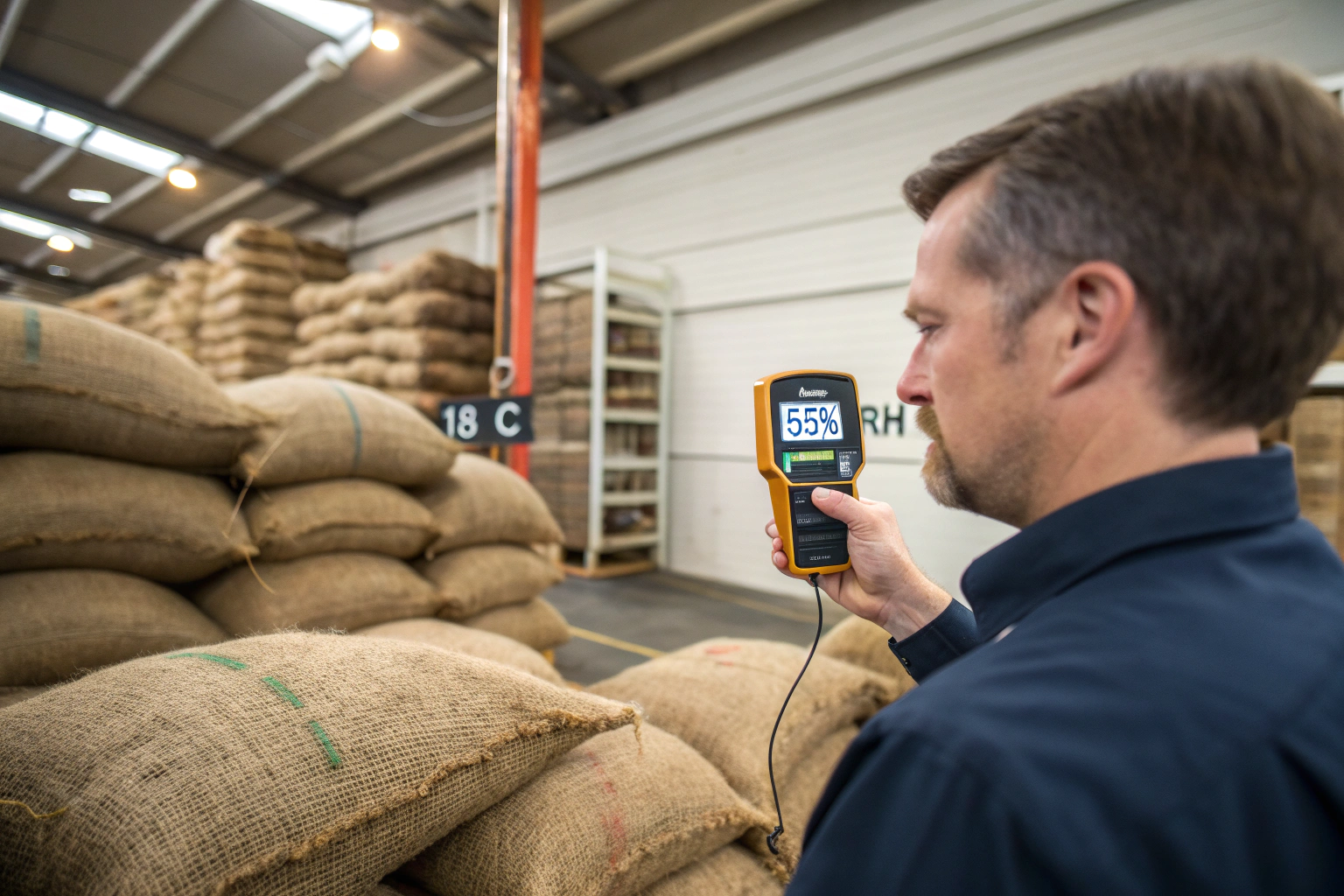
You open your storage room, ready to roast a new batch, and catch a faint, musty smell. A closer look at a bag of green beans reveals a suspicious, dusty-looking patch. For a coffee business, discovering mold is a nightmare scenario—it means lost inventory, potential health risks, and a severe breach in quality control. Mold doesn't just ruin a batch; it can contaminate your entire storage area and damage your reputation. For a buyer like Ron, who prioritizes security and quality, ensuring his supply chain is free from this threat is non-negotiable.
So, how do you prevent mold growth in stored coffee beans? The answer is a relentless, multi-layered defense against moisture. Mold spores are everywhere, but they only grow when they find the right conditions: a food source (the coffee bean), warmth, and most critically, moisture. Effective prevention is about controlling the environment so thoroughly that mold never gets a chance to start. At Bean of Coffee, we treat this as a core part of our export protocol, because delivering beans that arrive in pristine condition is fundamental to our promise of being safe, reliable, and trustworthy.
Let's build your defense strategy, from the moment beans arrive at your door to their long-term storage.
What are the critical moisture thresholds for coffee storage?
Mold is a moisture-driven problem. To defeat it, you must speak its language: Relative Humidity (RH) and Bean Moisture Content (MC). These are your two most important numbers to monitor and control.
Green coffee beans are hygroscopic—they actively absorb moisture from the air around them. If the air is damp, the beans will become damp. Your job is to break this cycle and keep both the air and the beans dry enough to be inhospitable to mold.
What is the safe moisture content for green coffee beans?
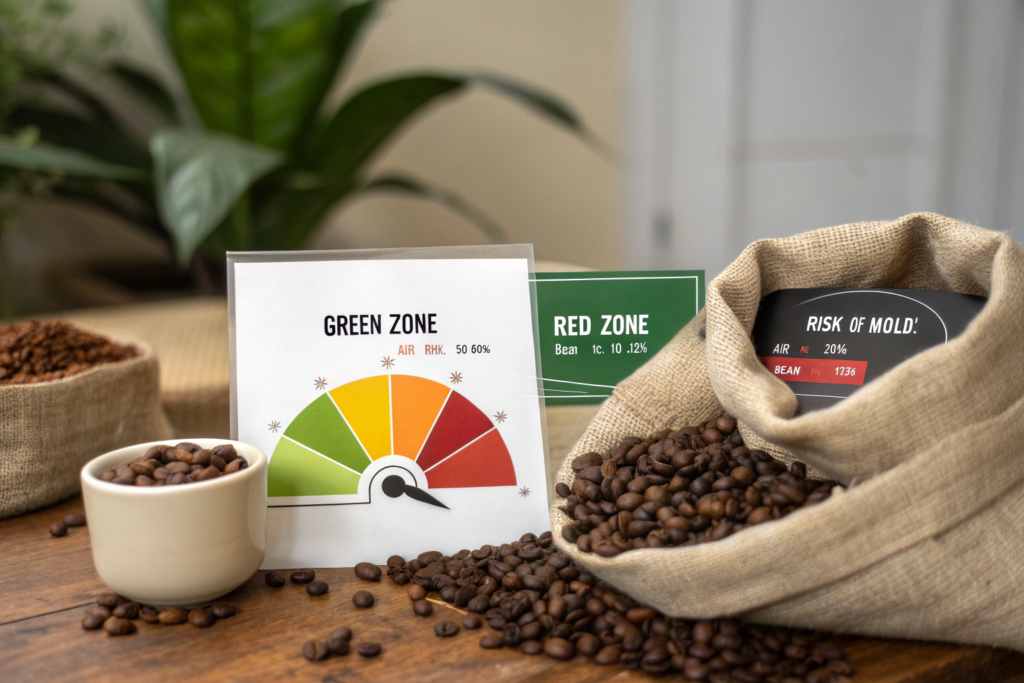
For long-term storage, the moisture content of the green beans themselves should be between 10% and 12%. This is the industry-standard safe range established by organizations like the International Coffee Organization (ICO).
- Below 10%: Beans can become too dry, leading to brittle structures, loss of aromatic compounds, and a higher risk of fracturing during roasting.
- Above 12.5%: You are entering the danger zone. At 13-15% moisture, mold growth becomes highly likely. At levels above 15%, the risk of severe mycotoxin contamination increases dramatically.
When you receive a shipment, your first line of defense is to test the moisture content of beans from different bags with a calibrated moisture meter. A reliable exporter like Bean of Coffee will have already ensured the beans are shipped within this safe range. Document this QC check.
How does relative humidity (RH) in the storage area affect beans?
The moisture in the beans will eventually equilibrate with the moisture in the air. Therefore, controlling the ambient relative humidity (RH) of your storage room is controlling the beans' future moisture content.
The gold standard is to maintain storage RH between 50% and 60%. At this level, the air is dry enough to prevent mold growth on surfaces and to keep bean moisture stable. Use a reliable digital hygrometer (or several, placed around the room) to monitor this constantly. If the RH consistently climbs above 65%, you need to intervene immediately.
How to design and maintain a mold-resistant storage environment?
Your storage room is not just a space; it's a controlled environment. Treating it as such is what separates professional operations from risky ones. The goal is to create a stable, clean, and dry fortress.
Think about insulation, airflow, and cleanliness. Mold spores can't grow if they can't settle in a damp, stagnant spot.
What are the best practices for warehouse or storage room setup?
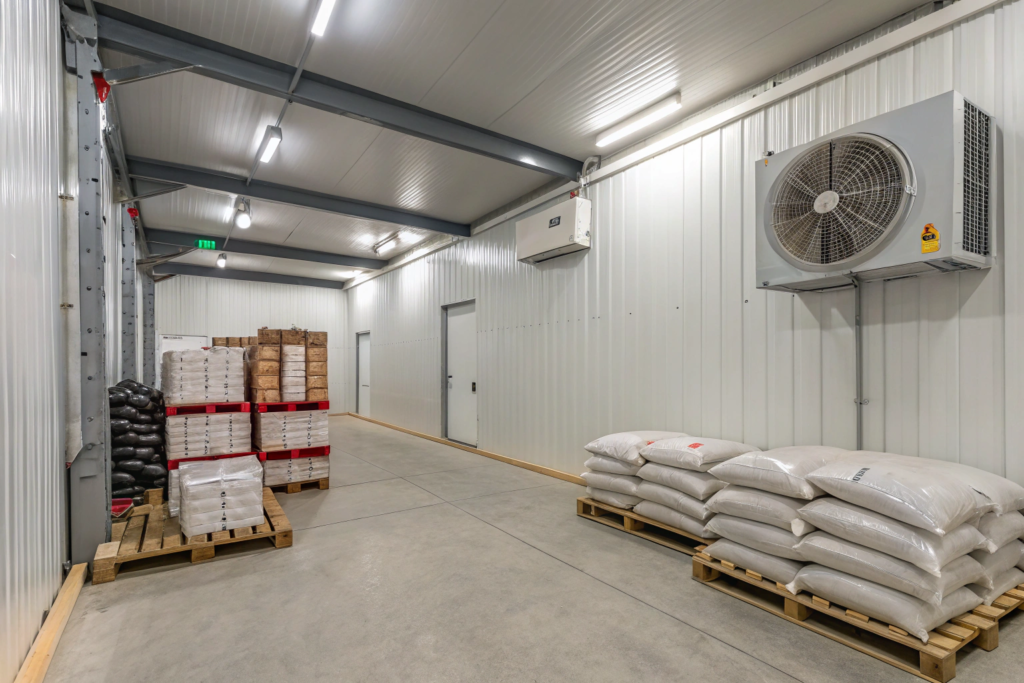
- Elevate and Separate: Never store bags directly on a concrete floor. Concrete sweats and transfers moisture. Use pallets or racks to keep all coffee at least 6 inches off the ground.
- Allow for Airflow: Do not stack bags flush against walls or cram them together. Leave space (at least 1-2 feet) between pallets and walls to allow air to circulate freely, preventing stagnant, humid pockets.
- Control Temperature: A cool, stable temperature (15-20°C / 59-68°F) is ideal. It slows biological activity and makes dehumidification more efficient. Avoid locations near heat sources or exterior walls that experience large temperature swings.
- Invest in a Dehumidifier: This is your most powerful weapon. A commercial-grade dehumidifier, sized for your space, is non-negotiable in any humid climate. Set it to maintain 50-55% RH. Empty the collection reservoir regularly.
- Ensure Cleanliness: A clean space is a defensible space. Regularly sweep and clean floors and surfaces to remove dust and organic debris that could harbor spores.
How should you handle and inspect bags upon arrival and during storage?
Vigilance is a continuous process.
- The Arrival Inspection: Before even moving bags into your main storage, inspect them in a quarantine area. Look for signs of transit damage, wet spots, or visible mold. Check the moisture content. Reject any compromised bags immediately.
- The First-In, First-Out (FIFO) Rule: This is crucial for inventory management and mold prevention. It ensures no bag sits in the back, forgotten, for months where conditions might slowly degrade.
- Regular Rotation and Inspection: Physically move and visually inspect bags every few months. Look for any discoloration, clumping of beans inside the bag (felt through the fabric), or that tell-tale musty odor. Catching a problem early can save an entire lot.
What packaging and handling methods block mold?
The packaging is the bean's personal micro-environment. Its quality and integrity are your final barrier. A breach here can undo all your good work with the macro-environment.
The bag must be a fortress against external moisture and physical damage.
Why are multi-layer, hermetic bags essential?
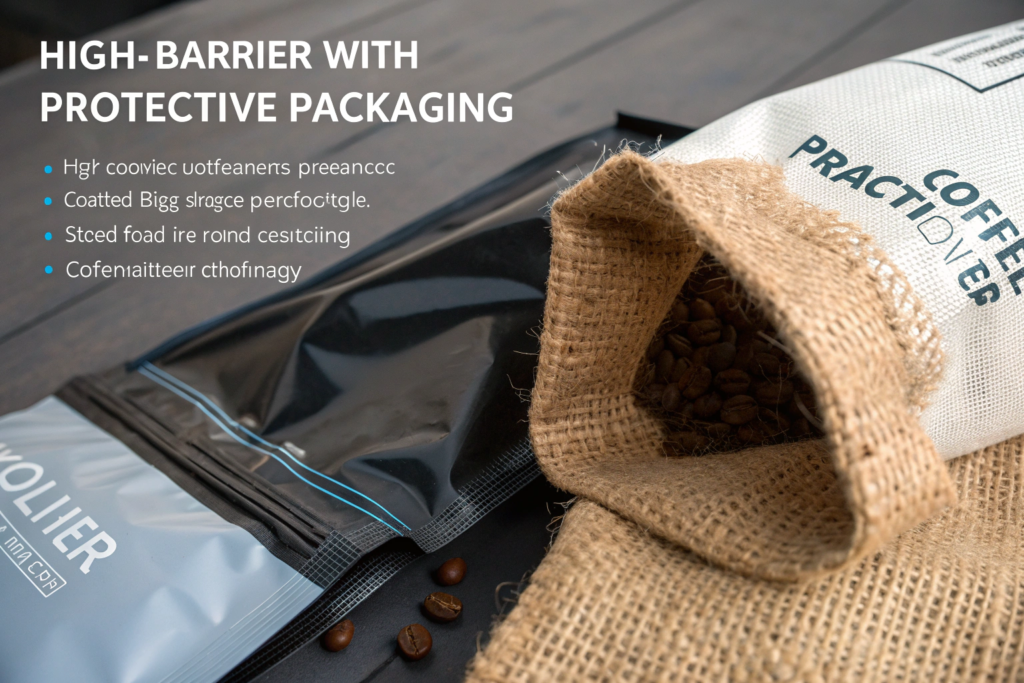
Traditional jute or sisal bags offer zero protection against humidity; they are porous. For any coffee intended for storage longer than a few weeks, you need high-barrier packaging.
- Polyethylene-Lined Bags: The industry standard. A woven plastic outer layer provides strength, while a fused inner plastic liner acts as a moisture barrier.
- GrainPro®-Type Bags: These are superior, near-hermetic bags made of high-density polyethylene. They are exceptionally effective at blocking moisture vapor and odors. For high-value lots or storage in extremely humid regions, they are worth the extra cost.
Critical Point: The bag must be properly sealed. A poorly heat-sealed liner is as bad as no liner at all. At Bean of Coffee, we use industrial sealers to ensure every bag is closed securely before export.
What should you do if you find a moldy bag?
Act swiftly and safely to prevent cross-contamination.
- Isolate Immediately: Move the affected bag(s) out of the main storage area immediately. Handle with care to avoid dispersing spores.
- Do Not Use: Under no circumstances should moldy beans be roasted or sold. Mycotoxins (toxic compounds produced by some molds) are heat-stable and will survive roasting, posing a health risk.
- Assess the Cause: Was it a single damaged bag, or is there a pattern? Check the moisture of surrounding bags and the room's RH. This is a critical failure analysis to prevent recurrence.
- Dispose Responsibly: Seal the moldy beans in a plastic bag and dispose of them. Thoroughly clean the area where they were stored.
How does sourcing from a reliable supplier prevent mold?
The fight against mold starts long before the beans reach your warehouse. It begins at the origin farm, during processing, drying, and initial storage. A supplier who cuts corners here is shipping you a time bomb.
You need a partner who understands and executes moisture management from the tree onward.
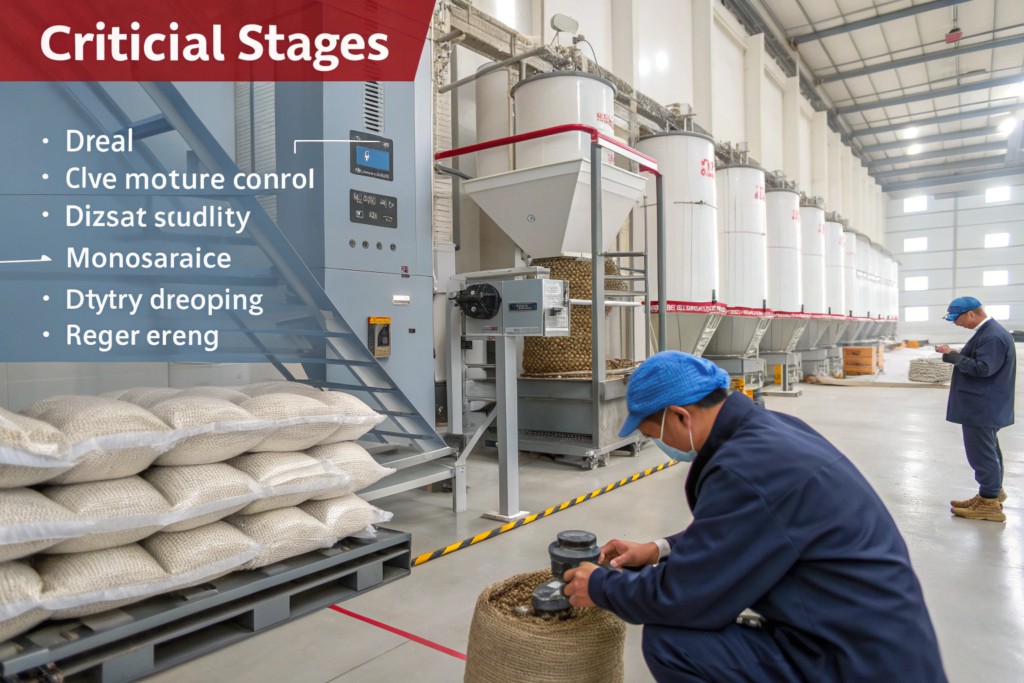
What questions should you ask your supplier about their mold prevention protocols?
Be proactive in your partnerships. Ask us at Bean of Coffee:
- "What is your target moisture content for export, and how do you measure it?"
- "Can you describe your drying process and how you protect beans from rain or ambient humidity during drying?"
- "What type of packaging do you use for export, and what is your sealing process?"
- "How are beans stored at your origin warehouse before shipment, and is that environment climate-controlled?"
A transparent and professional supplier will have clear, confident answers to these questions. Our answers involve monitored mechanical drying, climate-controlled warehousing, and high-barrier packaging—all part of our standard protocol to deliver secure, stable beans.
Why is the drying process at origin the most critical step?
If beans are not dried properly and uniformly at the farm, no amount of perfect storage later can fix it. Internal moisture trapped within the bean will eventually migrate and create a localized wet spot, the perfect breeding ground for mold.
Proper drying means bringing beans down to 10-12% moisture through a controlled process (using mechanical dryers or meticulously managed sun-drying on raised beds), not just piling them up and hoping for the best. This is where a supplier's commitment to fundamental quality is proven.
Conclusion
Preventing mold in stored coffee beans is a science of environmental control. It requires unwavering attention to two numbers: bean moisture content (10-12%) and storage air relative humidity (50-60%). Victory is achieved through a combination of the right packaging (hermetic bags), the right environment (cool, dry, airy storage with dehumidification), and the right practices (FIFO, rigorous inspection).
Most importantly, it requires partnership with a supplier who has already won the first battle by ensuring beans are correctly dried and protected at origin. Mold prevention is not reactive; it's a proactive, end-to-end system designed to preserve the integrity and safety of your most valuable asset.
Don't let mold be a variable in your business. Source from a partner who makes moisture control a cornerstone of their operation. At Bean of Coffee, our protocols are designed to deliver beans that are stable, secure, and ready for your long-term storage. To discuss a more secure supply chain for your green coffee needs, contact our export manager, Cathy Cai, at cathy@beanofcoffee.com. Let's ensure your inventory is protected from the ground up.