You've just received a fresh batch of beautifully roasted specialty beans. The aroma is incredible. But within weeks—sometimes days—that vibrant fragrance fades. The flavor becomes flat, stale, or even cardboard-like. What happened? Oxidation. This silent thief is the number one enemy of roasted coffee quality, robbing you of the value you paid for. For roasters, brand owners, and distributors, controlling oxidation isn't just about quality; it's about protecting your profit and your reputation.
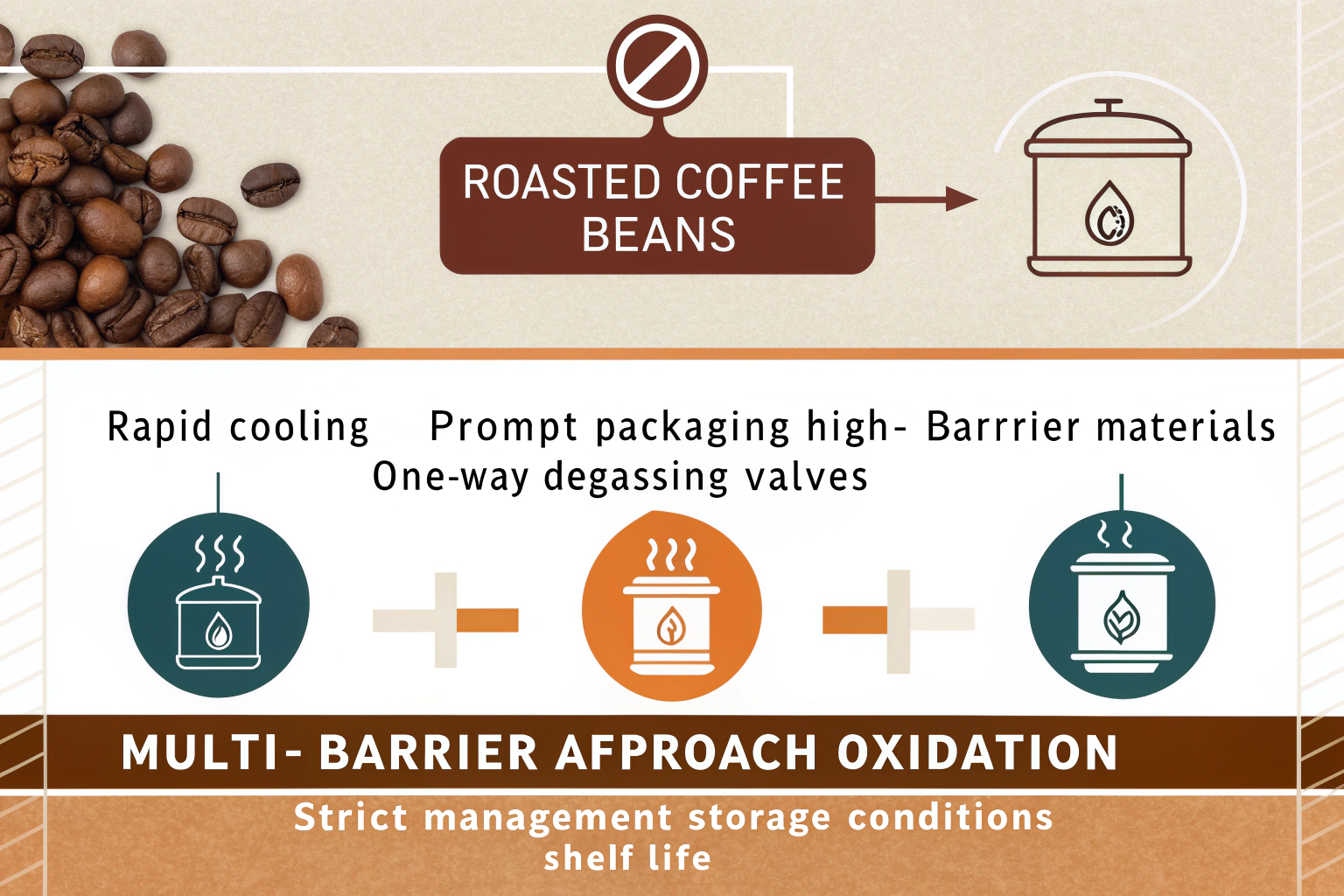
Preventing oxidation in roasted coffee beans requires a multi-barrier approach focused on minimizing exposure to oxygen, light, and heat from the moment of roasting. The core strategy involves rapid cooling, prompt packaging in high-barrier materials with one-way degassing valves, and strict management of storage conditions and shelf life.
The fight against oxidation starts much earlier than you think. It begins the second the beans exit the roaster. The chemical changes that create those wonderful flavors also make the beans incredibly vulnerable. As a supplier of green beans, we see the end of this battle. The roasters who succeed are those who treat oxygen as a constant threat. Let's break down their defense system.
What are the immediate post-roast steps to prevent oxidation?
The first 30 minutes after roasting are critical. The beans are hot, releasing massive amounts of carbon dioxide (CO2). This gas flow, if managed correctly, is your first line of defense.
Immediately after roasting, beans must be rapidly and uniformly cooled to halt the roasting process and stabilize the structure. They should then be stored in a breathable container (like a grain pro bag) for a precise "degassing" period before final barrier packaging, allowing excess CO2 to escape without letting oxygen in.
Rushing to seal beans in a bag right off the roaster is a common mistake. The ongoing CO2 release will inflate and potentially burst the bag, or force oxygen out through the valve in a turbulent way that actually pulls more oxygen in later.
Why is rapid cooling so crucial for flavor preservation?
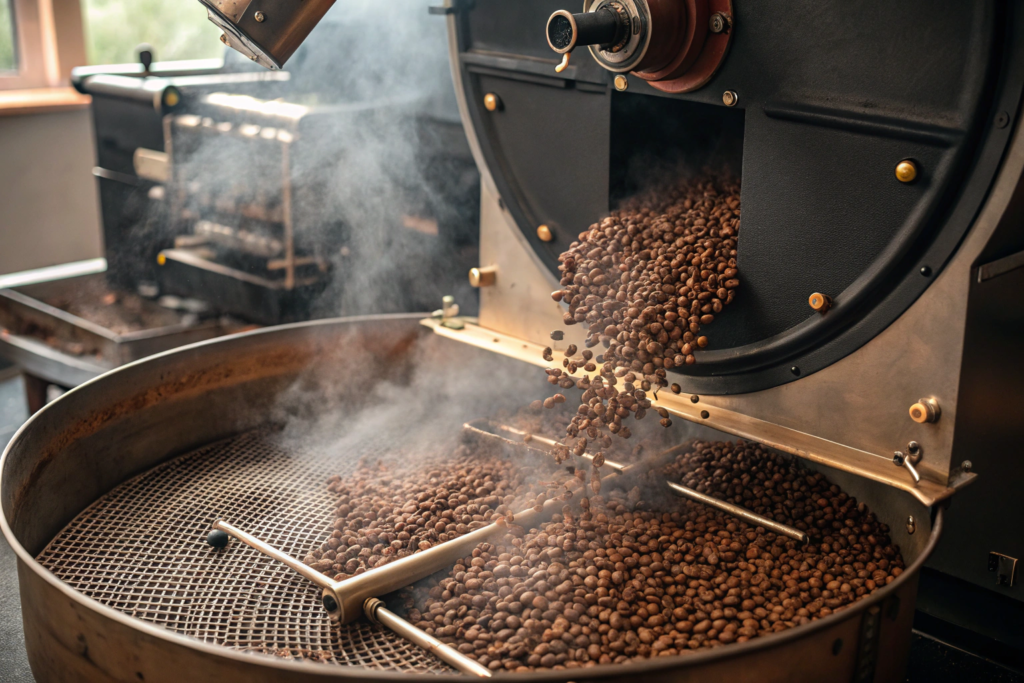
When beans leave the roaster at 190-220°C, internal chemical reactions continue. This is called "carryover roasting." Without rapid cooling, the beans essentially over-roast themselves, burning off delicate volatile aromatics—the very compounds that give coffee its complex fragrance and top notes. More importantly, heat dramatically accelerates oxidation. Think of it like leaving cut apples on a hot stove versus in the fridge. A cooling tray with strong, ambient air flow is essential. It brings bean temperature down to near-ambient levels in under 5 minutes. This "freezes" the bean's chemistry at its peak, locking in flavor and dramatically slowing the oxidation clock from the very start.
What is the optimal degassing time before packaging?
This is a balancing act. Beans need to release enough CO2 so that packaging isn't stressed, but not sit so long that they become stale. The degassing time depends on roast profile. A dark roast, with a more porous structure, degasses faster—often 12-24 hours. A light roast, denser and with less developed CO2, may need 24-72 hours. The key is to monitor. Professional roasters often use a GrainPro bag or a clean, food-grade container with a loosely closed lid for this stage. This allows gas to escape while offering some protection. The goal is to package the beans when the most violent CO2 release has passed, but while they are still at their peak freshness. Packaging too early or too late both lead to rapid quality loss.
What are the best packaging materials and technologies?
The bag is your bean's fortress. Choosing the wrong packaging is like building a castle with open windows. The right materials create a physical barrier against oxygen, light, and moisture—the three agents of decay.
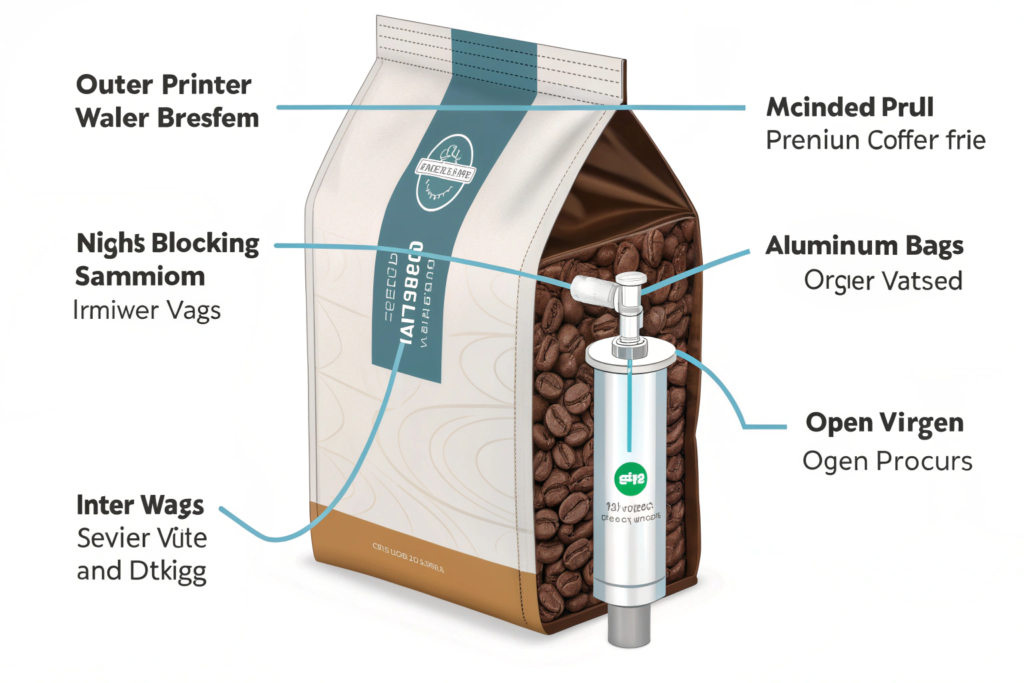
The best packaging for roasted coffee is a multi-layered bag with a high oxygen barrier (like aluminum foil or metallized film), a one-way degassing valve, and an opaque outer layer to block light. Vacuum sealing or nitrogen flushing inside this bag is the gold standard for maximum shelf life.
How do degassing valves and barrier layers work together?
This duo is non-negotiable for fresh coffee. The one-way degassing valve is a brilliant piece of engineering. It allows CO2 to exit the package without letting oxygen back in. This prevents bag inflation and maintains seal integrity. However, the valve alone is useless without a high-barrier bag. Standard polypropylene or polyethylene bags are highly permeable to oxygen. You need an inner layer with an oxygen transmission rate (OTR) of less than 1 cc/m²/day. This is typically achieved with a layer of aluminum foil (the best barrier) or metallized film. This layer blocks oxygen and light. Finally, a durable outer layer (often PET) provides strength and a printable surface for your branding. The valve and the barrier work in concert: the valve manages internal pressure from residual degassing, while the barrier walls keep new oxygen from ever entering.
Is nitrogen flushing or vacuum sealing more effective?
Both are excellent methods for removing oxygen from the headspace of the bag before sealing. Nitrogen (N2) flushing is generally preferred for whole bean coffee. Here's why: An inert gas like nitrogen is pumped into the bag to displace the oxygen-rich air before sealing. This doesn't compress the beans, preserving their structure and avoiding the release of oils (which oxidize faster) that can be forced to the surface by vacuum pressure. It creates a protective gaseous cushion. Vacuum sealing sucks out the air, which can crush more fragile beans or those with a darker roast profile. It's extremely effective for ground coffee, where the increased surface area makes oxidation rapid and crushing is less of an issue. For whole beans intended for retail, nitrogen flushing in a high-barrier bag with a valve is the industry benchmark for shelf life extension. It's what serious brands use.
How should roasted coffee beans be stored before distribution?
The journey from your packaging line to the consumer's shelf is fraught with risk. Warehouse and logistics storage conditions can undo all your careful packaging work if not managed properly.
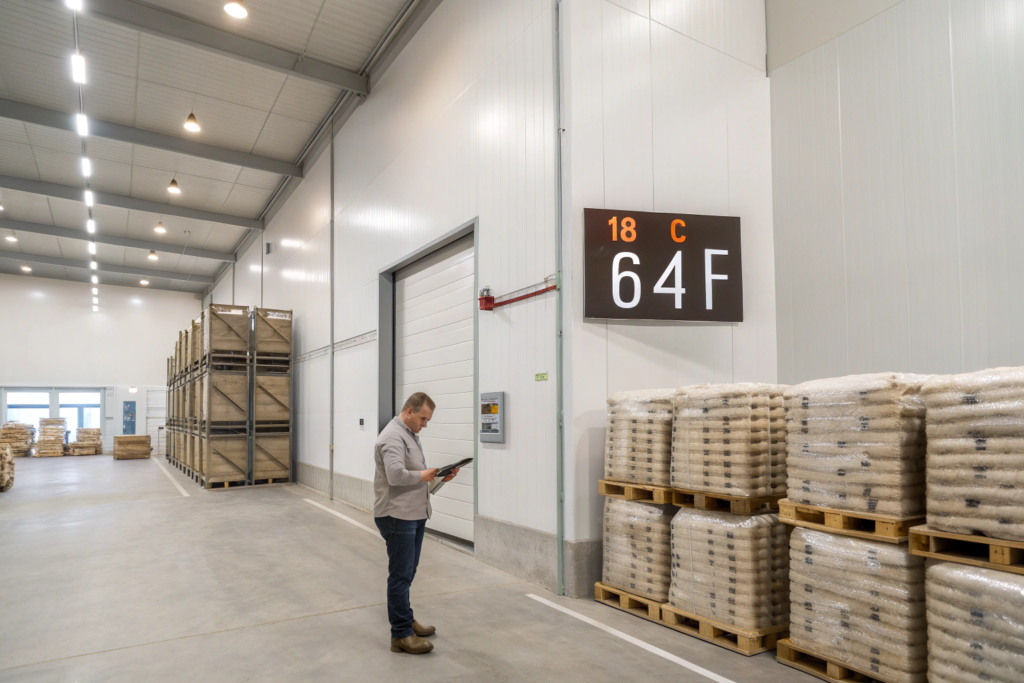
Roasted coffee beans must be stored in a cool, dark, and dry environment. The ideal temperature is between 15-20°C (59-68°F), away from direct sunlight, heat sources, and strong odors. Inventory should follow the FIFO (First-In, First-Out) principle to ensure rotation. A warehouse is not a passive holding area; it's an active part of your quality control. Think of your packaged coffee as a living, breathing product that is still slowly degrading.
What are the worst storage enemies: heat, light, or moisture?
They are a deadly trio, but heat is the primary accelerator. The Q10 rule in chemistry states that for every 10°C (18°F) increase in temperature, the rate of chemical reactions (like oxidation) roughly doubles. Storing coffee at 30°C (86°F) versus 20°C (68°F) can halve its shelf life. Light, especially UV from sunlight, provides the energy to drive photodegradation, breaking down oils and aromatics. Moisture leads to staling and can promote mold. The storage mantra is: Cool, Dark, and Dry. Always keep pallets away from outside walls, heating units, and loading docks where temperatures fluctuate. Use opaque boxes or store bags in closed cartons to block light. For our partners at Shanghai Fumao, even our green bean warehouses follow these principles, as stable storage pre-roast sets the stage for stability post-roast.
How does FIFO inventory management protect coffee quality?
First-In, First-Out is a simple but vital logistics discipline. It ensures that the oldest stock (closest to its roast date) is always shipped and sold first. Without FIFO, new bags can be placed in front of old ones. The older stock sits in the warehouse, oxidizing and degrading, until it eventually becomes unsellable or damages your brand when a customer brews a stale cup. This requires a well-organized warehouse with clear date coding on every bag and pallet. Digital inventory systems can track lot numbers and roast dates. Implementing strict FIFO communicates to your entire team that freshness is a core value, not just a marketing slogan. It turns your storage area from a graveyard of quality into a pipeline of peak freshness.
What is a realistic shelf life for roasted whole beans?
Managing expectations is key. "Best before" dates are not just a regulatory requirement; they are a promise. An unrealistic date leads to customer disappointment, while a too-short date creates unnecessary waste and logistics pressure.
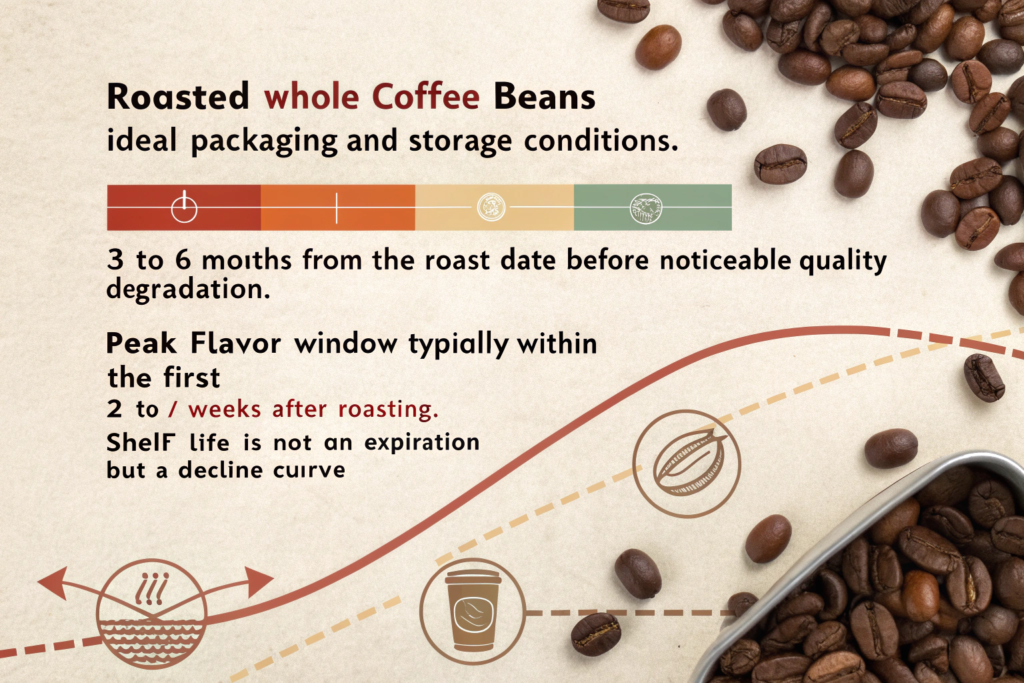
Under ideal packaging and storage conditions, roasted whole coffee beans have a realistic shelf life of 3 to 6 months from the roast date before noticeable quality degradation. The peak flavor window for most specialty coffee is typically within the first 2 to 4 weeks after roasting. Shelf life is not an expiration but a decline curve. Your goal is to flatten that curve as much as possible.
How do roast level and bean density affect shelf life?
These intrinsic factors matter greatly. Dark roast beans are more porous and have more oils migrated to the surface. These exposed oils oxidize very quickly. Therefore, a dark roast often has a shorter optimal shelf life than a light or medium roast, despite its "stronger" taste. Dense beans (like high-altitude Arabica or light roasts) have a tighter cellular structure, which slows the movement of gases and the oxidation process internally. They often hold their peak flavor longer. As a supplier, we see this in our green beans. The dense Yunnan Arabica from our highland farms provides a more stable foundation for roasters, contributing to a potentially longer shelf life when roasted properly compared to less dense beans.
Should you refridgerate or freeze coffee beans to extend life?
This is a hotly debated topic with a clear answer for commercial operations. For long-term storage of green beans, controlled refrigeration can be useful. For roasted beans, freezing is a valid technique if done perfectly, but refrigeration is harmful. The refrigerator is a moist environment filled with odors. Condensation forms when you take the coffee out, introducing moisture that destroys flavor and accelerates staling. Freezing, however, can dramatically pause oxidation. The critical rules: 1) Freeze only at peak freshness (within 1-2 weeks of roast). 2) Use absolutely airtight, moisture-proof packaging (like a vacuum-sealed bag with no valve). 3) Divide into single-use portions to avoid repeated thawing. 4) Thaw, unopened, at room temperature before use. For most roasters and distributors, the complexity and risk of improper freezing outweigh the benefits. It's easier and safer to optimize packaging, storage, and turnover rate (FIFO) to ensure coffee is sold and consumed within its natural peak window.
Conclusion
Preventing oxidation is not a single action but an integrated quality chain. It begins with precise roasting and rapid cooling, extends through intelligent degassing and impermeable packaging, and is sustained by disciplined storage and inventory management. Each link must be strong; a weakness at any point shortens shelf life and diminishes quality.
For coffee brands and roasters, mastering this chain is a direct competitive advantage. It ensures that the careful work of sourcing green beans—like the premium lots we provide from Yunnan—is fully honored in the final cup that the consumer experiences.
If you are a roaster looking for dense, high-quality green beans that provide a stable and flavorful foundation for your roasting process and shelf-life goals, we can help. Consistent green bean quality is the first step in the battle against oxidation. Contact our Export Manager, Cathy Cai, to discuss samples and specifications: cathy@beanofcoffee.com. Let's deliver freshness, together.