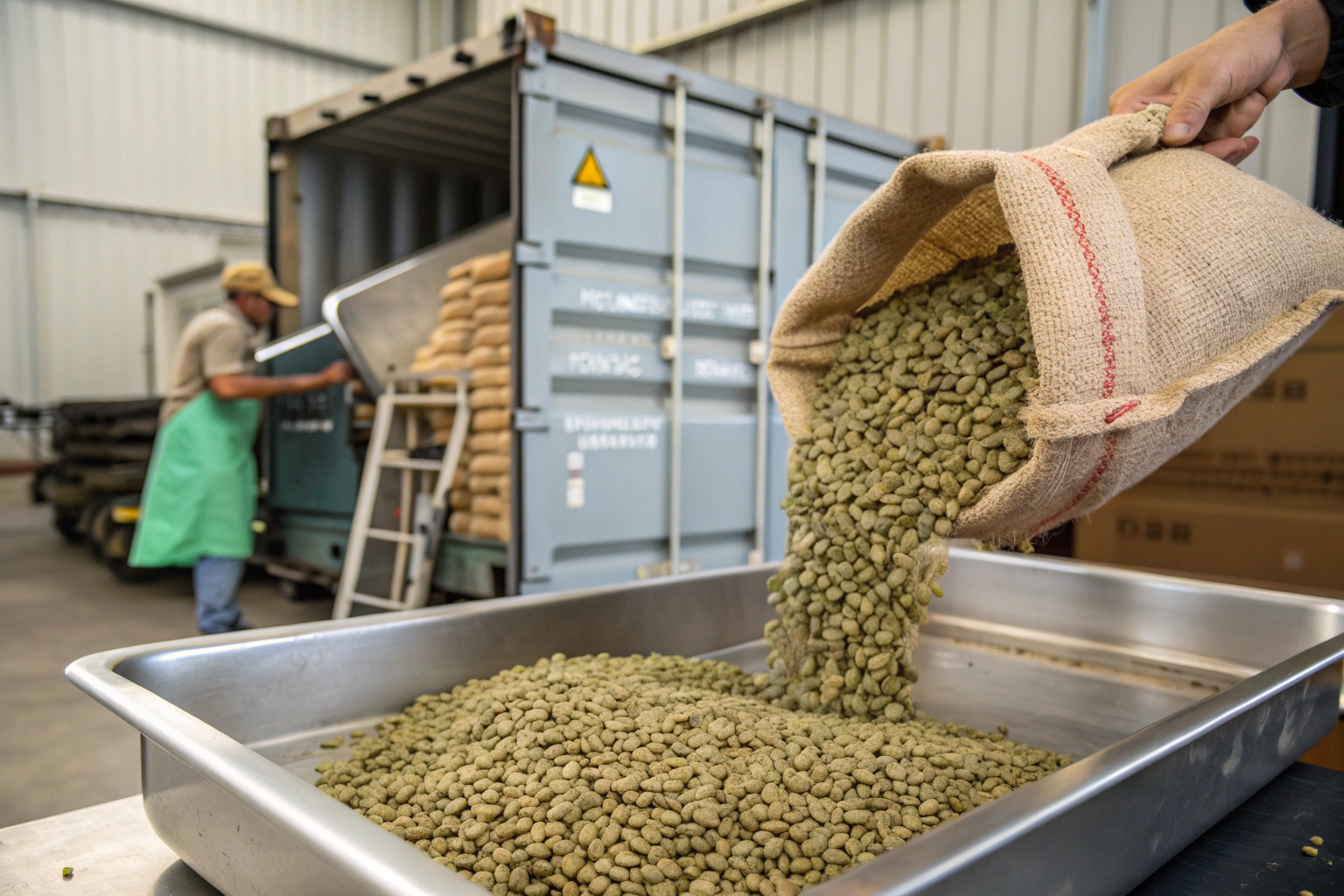
Discovering your container of premium green coffee beans has arrived with mold, clumping, or a musty smell is a nightmare. You've paid for shipping, tariffs, and storage, only to find the core value—the coffee itself—has been destroyed by an invisible enemy: moisture. This isn't just a quality loss; it's a direct hit to your bottom line and can disrupt your entire roasting schedule.
So, how can you protect coffee shipments from moisture damage? The solution lies in a multi-layered defense strategy that starts at the origin, is maintained during transit, and is verified upon arrival. Effective protection combines proper packaging, controlled environmental conditions, and constant monitoring throughout the supply chain. As an exporter from Yunnan, where humidity is a constant fact of life, we at Bean of Coffee have built our entire shipping protocol around defeating this specific challenge.
Let's walk through the practical steps, from the bag to the container, that ensure your coffee beans arrive dry, stable, and ready for roast.
What is the best packaging for shipping green coffee?
You might think the container is the primary barrier, but the first and most critical line of defense is the bag holding your coffee. Choosing the right packaging is not an area to cut costs. A cheap bag is an invitation for moisture ingress and quality loss.
The industry standard has moved far beyond simple jute sacks. Today, it's about creating a stable microclimate for the beans. We use high-barrier packaging that actively combats moisture migration. This initial step directly addresses the core pain point of quality degradation during long sea voyages. Think of it as the coffee's personal armor for its journey across the ocean.
Why are multi-layer barrier bags essential?
Single-layer bags, like traditional jute, are porous. They allow air—and the moisture within it—to pass freely. This is a disaster in the fluctuating humidity of a container ship. Multi-layer bags are the absolute baseline for modern coffee export.
Our standard is a poly-woven bag with an internal polyethylene liner. This structure creates a formidable barrier. The outer layer provides strength and puncture resistance for handling, while the inner plastic liner acts as a moisture barrier. But here's a key detail: the bag must be properly heat-sealed after filling. A poorly sealed liner is as bad as no liner at all. We use industrial bag closers that ensure a consistent, airtight seal on every single bag. This method is so effective it's a core part of the shipping guidelines recommended by the International Coffee Organization to preserve quality.
When should you use vacuum-sealed or GrainPro® bags?
For higher-value lots or shipments destined for extremely humid routes, we step up to specialty packaging. Vacuum-sealing removes almost all the air from the bag, drastically reducing the oxygen and moisture available to the beans.
An even more common and excellent solution in the specialty trade is the GrainPro® bag. These are high-density polyethylene bags that create a near-hermetic seal. They're incredibly effective at blocking moisture vapor and odors. For our clients in places like Florida or coastal Australia, where ambient humidity is high even at the destination port, we often recommend GrainPro® as a non-negotiable. Yes, it adds a small cost per bag. But compare that to the potential loss of an entire pallet. It's the most cost-effective insurance policy you can buy. The Specialty Coffee Association often features discussions on these best practices for green coffee preservation.
How to control humidity inside a shipping container?
Great packaging is useless if you then throw the bags into a damp, rusty container. The container itself is the second major environment you must control. This is where many shippers drop the ball, assuming the container is just a metal box.
The reality is that a shipping container is not airtight. It breathes as temperatures change during the voyage, a process called "container sweat." When warm, moist air outside cools down inside the container walls, the moisture condenses into liquid water—and it rains directly onto your cargo. Our job is to prevent this cycle from starting.
What is container drying and why is it mandatory?
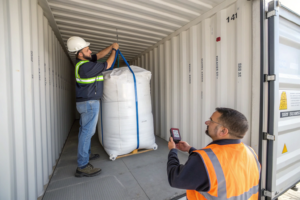
The first rule is: never load coffee into a "wet" container. Container drying is a professional service offered at origin ports. After a container is washed or has traveled through rain, it must be mechanically dried.
We insist on this for every coffee shipment. The process uses hot, dry air to blow out all residual moisture from the container's walls, floor, and ceiling. We don't just take the shipping line's word for it. We request a "dryness certificate" or, for critical shipments, we send our own agent to verify with a hygrometer that the internal relative humidity is below 50% before loading begins. This step is non-negotiable. Loading into a damp container guarantees moisture damage, no matter how good your bags are.
How do desiccants and proper ventilation work?
After ensuring a dry start, we maintain that dryness. We use industrial-grade desiccant bags—like silica gel or clay-based units—hung inside the container. They act as moisture sponges, absorbing any residual humidity that enters during transit.
But desiccants have a limit. That's where ventilation comes in. You might think sealing everything shut is best, but for coffee, some controlled air exchange can be wiser. If the external air is drier than the air inside the container, ventilation helps. However, on a sea voyage, the outside air is often more humid. So, our standard procedure is to use desiccants and keep the container vents closed for ocean transit. The desiccants handle the minor moisture from the cargo's own respiration and small leaks. It's a balanced, defensive approach.
What are the critical steps during loading and transit?
Even with perfect packaging and a dry container, mistakes during the physical loading and the choices made during the voyage can undo all your preparation. This phase is about vigilance and clear communication with your logistics partners.
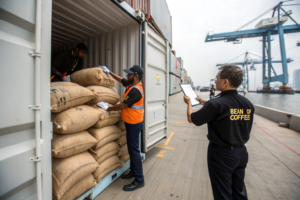
Loading is a hectic time at the port. But this is where small errors—like placing bags against a cold metal wall—can create big problems. We supervise the loading of all our Bean of Coffee shipments, either directly or through a trusted agent. It's that important.
How should coffee bags be palletized and stowed?
Never load bags loose. They must be on pallets. This creates an essential air gap between the cargo and the container floor. Moisture can pool on the container floor (called "container rain"), and direct contact will wick moisture into the bags.
We use plastic pallets or wrap wooden pallets in plastic sheeting. Wooden pallets can hold a lot of moisture. The bags themselves should also be wrapped in a single unit with stretch film. This adds another micro-barrier and stabilizes the load so it doesn't shift and tear during rough seas. Another crucial rule: leave a small gap between the cargo and the container walls. This allows for some air circulation and prevents "sweating" walls from directly wetting the bags. The National Coffee Association USA provides resources that underline the importance of these handling protocols.
How does transit routing affect moisture risk?
The path your container takes matters. A complex route with multiple transshipments (where your container is moved from one ship to another) increases risk.
Each time a container is moved on a dock, it can sit waiting, exposed to rain or humid coastal air. A direct service from Shanghai to Long Beach is inherently less risky than a route that stops in three Southeast Asian ports first. For our most sensitive shipments, we always opt for the most direct routing possible. We also track the shipment and monitor weather patterns along its route. If we see the container will pass through a known storm system, we can proactively alert the client. It's about anticipating problems before they happen.
How to verify coffee condition upon arrival?
The work isn't over when the container reaches your port. The final verification step is critical for claiming insurance if needed and for preventing damaged beans from entering your production.
You need a clear, documented process for receiving the coffee. Don't just open the container and start unloading. Take a moment to inspect. This is your last chance to catch a transit-related issue before it becomes your problem.
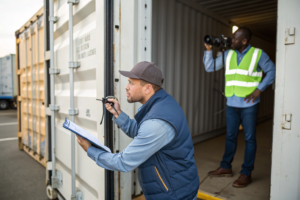
What should you check before unloading the container?
Before you even touch the bags, do an internal inspection. Use your hygrometer again. What's the humidity level inside the container now? It should be reasonably close to the level when it was loaded.
Look for visible signs of water damage: rust streaks on the walls, puddles on the floor, or condensation on the ceiling. Check the desiccant bags. Are they saturated and swollen? That tells a story of a high-moisture journey. Take photos and notes of everything. This documentation is vital. If you see major issues, pause and contact your insurance provider and the seller (that's us!) immediately. There are established procedures for filing a cargo insurance claim that require solid evidence from this initial inspection.
How to conduct a proper bag sampling and moisture test?
Now, sample the coffee. Don't just take a bag from the top front. Take samples from different locations: top, middle, bottom, and from the back of the container.
Use a moisture meter to get a quick, quantitative reading of the green beans. The target moisture content for stable green coffee is typically between 10-12%. If it's above 12.5%, you have a serious risk of mold and rapid degradation. Also, do a visual and smell test. Are the beans dull? Do they clump together? Is there a musty or sour odor? Document these findings for each sample. If damage is found, you now have the evidence needed to work with your supplier on a resolution. A reliable partner like Bean of Coffee will work transparently with you through this process, as our goal is always to deliver the quality we promised.
Conclusion
Protecting coffee shipments from moisture damage is a science of prevention, not reaction. It requires a meticulous, layered approach: investing in high-barrier packaging, demanding a professionally dried container, using desiccants, supervising the loading, choosing sensible transit routes, and conducting a thorough arrival inspection. Each layer adds a level of security, turning a risky ocean voyage into a controlled, predictable journey for your valuable beans.
By partnering with a supplier who understands and implements this end-to-end protocol, you transform moisture management from a constant worry into a solved problem. This lets you focus on what you do best: roasting and selling great coffee.
If you're tired of gambling with the condition of your imported coffee, let's talk. At Bean of Coffee, we build these protective measures into every shipment, giving you one less thing to worry about. For a detailed discussion on how we can secure your next order from our Yunnan plantations to your warehouse, please contact our export manager, Cathy Cai. Her email is cathy@beanofcoffee.com. Let's ensure your coffee arrives perfectly dry, every time.