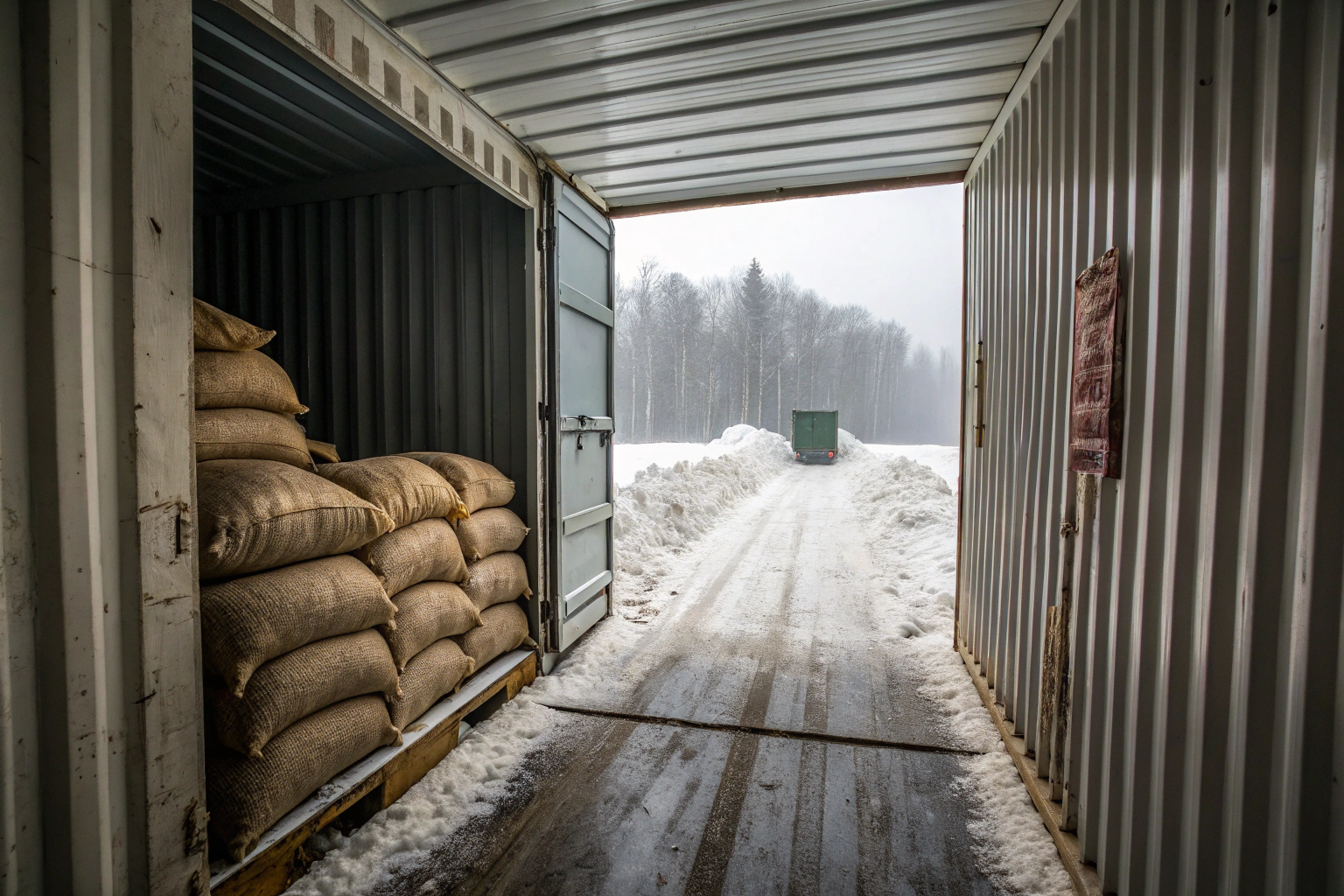
As a coffee roaster, you worry about many things: the quality of your roast, the consistency of your blend, the happiness of your customers. But there's a hidden danger you might not think about until it's too late: the journey your green coffee takes in the dead of winter. You've invested thousands of dollars in a beautiful lot of coffee. It's being trucked or railed across the country in January. The outside temperature drops to -20°F (-29°C). What's happening to your beans inside that unheated metal box? The pain point is the terrifying realization that your precious, expensive raw material could be silently and irreversibly ruined by ice crystals before it even reaches your roastery.
Honestly, the only effective way to protect green coffee from freezing is through proactive insulation and strategic logistics. This means using thermal liners or blankets inside the shipping container or truck to create a protective barrier against the cold, and working with your logistics partners to minimize the time the container spends sitting idle in the most frigid locations. You cannot "un-freeze" a damaged coffee bean; prevention is the only cure.
From my perspective as a supplier at Shanghai Fumao, our responsibility for the coffee's quality doesn't end when it leaves our mill. We see it as our duty to work with our clients and logistics partners to anticipate these risks. We've seen the heartbreaking results of frozen coffee, and we've learned that a small investment in protection upfront can prevent a catastrophic loss down the line. Let's break down the science of why freezing is so bad and the practical steps you can take to prevent it.
Why Is Freezing So Damaging to Green Coffee Beans?
To understand why freezing is so catastrophic, you need to think about a green coffee bean not as a dry rock, but as a living, dormant seed. A typical green coffee bean has a moisture content of 10-12%. This water is crucial for its stability and flavor potential. But when the temperature drops below freezing, this water becomes its greatest enemy.
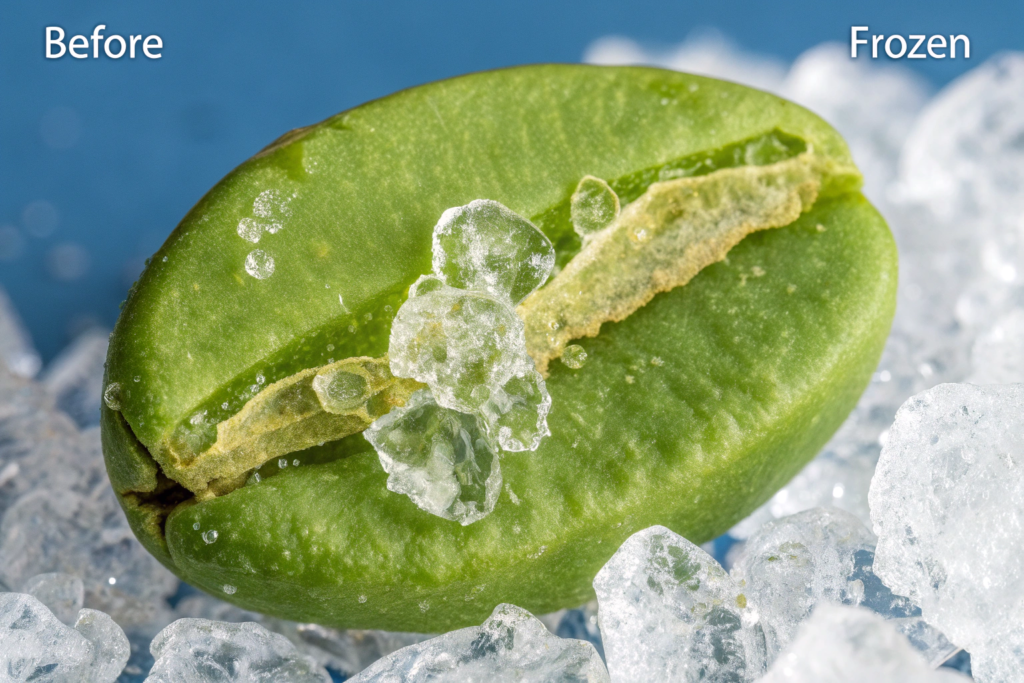
When green coffee freezes, the water inside its cells expands and forms ice crystals. These sharp, jagged crystals physically puncture and rupture the bean's delicate cellular walls. When the bean thaws, these ruptured cells can no longer effectively hold onto the precious oils, acids, and aromatic compounds that are the precursors to flavor. The result is a dramatic and irreversible loss of quality.
The very structure that holds the coffee's flavor potential is shattered from the inside out.
What are the sensory signs of a frozen coffee?
A coffee that has been frozen and thawed will often exhibit several tell-tale signs when you roast and cup it:
- Loss of Acidity and Sweetness: The vibrant, sparkling acidity and the deep, complex sweetness are often the first things to go. The coffee will taste flat, dull, and one-dimensional.
- Papery or Woody Flavors: The destruction of the cell structure can lead to the development of unpleasant, dry, papery, or woody tastes. The coffee tastes like cardboard instead of fruit.
- Erratic Roasting Behavior: A frozen bean's structure is compromised. It may roast much faster and more unevenly than a healthy bean, making it very difficult to control the roast and achieve a consistent result.
- Rapid Staling: Because the cell walls are ruptured, the roasted coffee is much more exposed to oxygen and will lose its aroma and go stale much more quickly than normal.
Is there a specific temperature to worry about?
While water freezes at 32°F (0°C), the real danger zone for coffee begins with prolonged exposure to temperatures below about 20°F (-6°C). The longer the exposure and the colder the temperature, the greater the risk of the water inside the bean's core freezing and causing damage. A few hours of borderline temperatures might not be catastrophic, but several days on a train car in the upper Midwest in January at -20°F is a recipe for disaster.
What Are the Best Insulation Methods for Transit?
Since you can't control the weather, you must control the coffee's immediate environment. The most effective way to do this during transit is with insulation. This creates a passive barrier that slows down the transfer of heat out of the container, protecting the beans from the worst of the external cold.
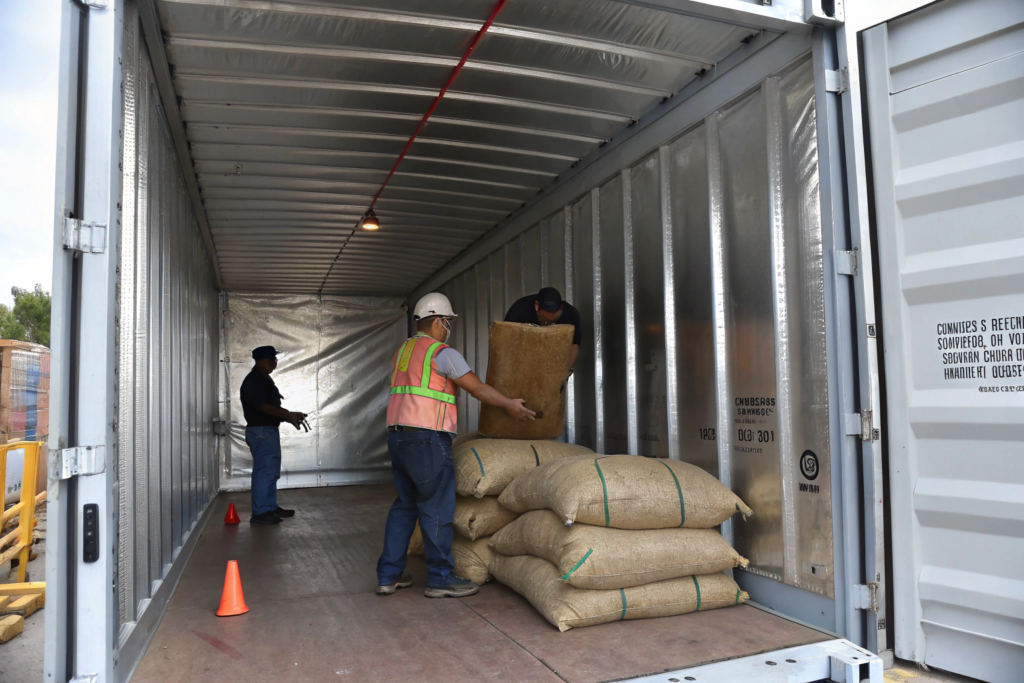
For full container loads (FCL), the industry best practice is to use a full thermal container liner or blanket. These are large, multi-layered liners, often with a reflective foil exterior and a fibrous insulating interior, that are installed inside the container before the coffee is loaded. They effectively create an insulated "room" within the container.
This is the most robust and reliable method for protecting a large shipment.
How do thermal liners work?
Thermal liners protect the cargo in two ways:
- They slow down convection: They trap a layer of air between the liner and the container walls. This trapped air acts as a poor conductor of heat, dramatically slowing the rate at which the cold from the outside can penetrate the container.
- They reflect thermal radiation: The shiny, foil-like surface reflects heat energy, helping to keep the interior temperature more stable.
While they don't provide active heating, they can keep the internal temperature of the container significantly above the external ambient temperature for a prolonged period, often preventing the cargo from ever reaching the freezing point.
What about smaller, less-than-container-load (LCL) shipments?
For smaller shipments of just a few pallets or bags, a full container liner isn't practical. In these cases, you can use similar technology on a smaller scale:
- Thermal Pallet Covers: These are like large, insulated "hats" that fit over a standard pallet of coffee bags. They provide a similar level of protection for smaller quantities.
- Insulated Boxes: For shipping small sample boxes or a few individual bags via courier like FedEx or UPS in the winter, using a standard insulated box (like those used for shipping cold foods) is a wise precaution.
As a buyer, it is crucial to have this conversation with your supplier or freight forwarder before shipping in the winter. You should specify that you require thermal protection and be willing to pay the extra cost, which is a tiny fraction of the value of the coffee.
How Can Strategic Logistics and Planning Minimize Risk?
Insulation is your first line of defense, but intelligent planning is your second. Where and when your coffee travels can be just as important as how it's packed.
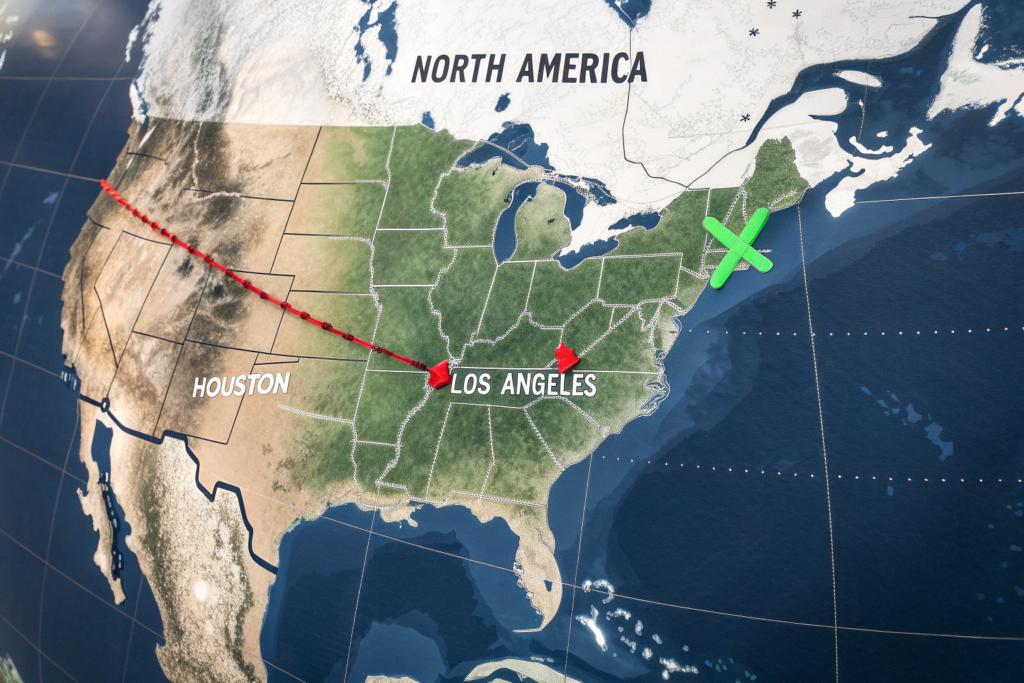
Work with your supplier and logistics provider to plan the smartest possible route for your coffee during winter months. This may involve choosing a shipping line that makes landfall at a warmer port or using expedited trucking to minimize the time the coffee sits idle in a freezing rail yard.
This is about proactively managing the journey to avoid the most dangerous parts.
Why is the mode of transport so important?
- Ocean vs. Land: While on an ocean vessel, the container is surrounded by the relatively stable temperature of the ocean and the other containers. The risk of freezing is low. The highest risk period is during the inland transit—the journey by truck or, especially, by rail from the port to your roastery.
- Rail vs. Truck: Rail transport can be more economical, but it often involves containers sitting for days at a time in large, exposed rail yards in places like Chicago or Minneapolis, where they are completely vulnerable to ambient temperatures. Direct, point-to-point trucking is often faster and can reduce this "dwell time" in the coldest locations.
What questions should you ask your freight forwarder?
- "What is the full, detailed route for this shipment from port to my door?"
- "Will this container be traveling by rail or by truck?"
- "If it's traveling by rail, what is the estimated dwell time in major rail hubs?"
- "Can we choose a shipping route that uses a southern port (e.g., Long Beach, Houston) instead of a northern one (e.g., New York, Vancouver) during the winter?"
A good logistics partner, like the ones we at Shanghai Fumao work with, will be able to answer these questions and help you plan the safest route.
What Should You Do Upon Receiving a Potentially Frozen Shipment?
Despite all your best efforts, a shipment might still get exposed to freezing temperatures. It's crucial to know how to identify the damage and what to do next.
If you suspect a shipment has been frozen, you must immediately quarantine the coffee and conduct a thorough quality control evaluation before it ever enters your main inventory or roaster. Document everything and communicate with your supplier and insurance company immediately.
How do you inspect the beans?
- Visual Inspection: Look for inconsistent color. Frozen beans can sometimes have a mottled, uneven appearance. They may also look dull and lifeless.
- Physical Inspection: Roll the beans in your hand. Do they feel unusually brittle? Try to break one with your fingers. A healthy bean is quite tough; a frozen bean might be more fragile.
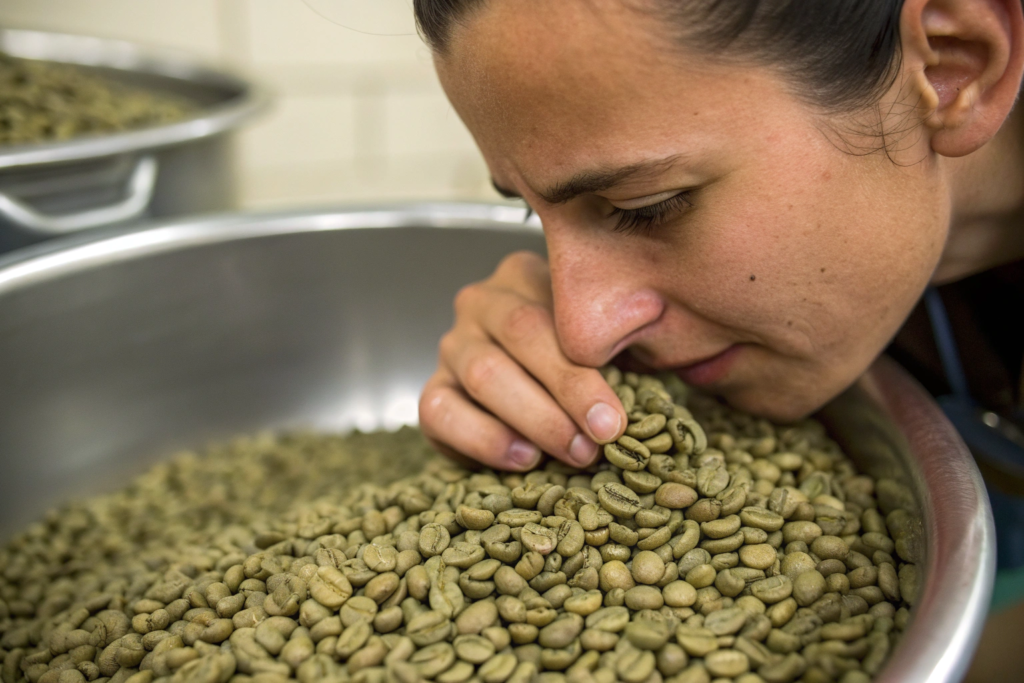
- Aroma: Smell the green beans. Do they have the typical fresh, slightly grassy, or sweet aroma? Or do they smell flat, papery, or like nothing at all?
- Moisture & Density: Use a moisture meter and density meter if you have one. Freezing can sometimes alter these readings, though this is not always a reliable indicator on its own.
What is the most definitive test?
The only way to know for sure is to roast and cup it.
- Roast a small sample batch. Pay close attention to how it behaves in the roaster. Does it roast erratically? Does it lack the usual sounds of the first crack?
- Let the roasted coffee rest and then set up a formal cupping. This is the ultimate test.
- Taste for the signs mentioned earlier: a lack of acidity and sweetness, a thin body, and the presence of papery or woody off-flavors. If the coffee tastes flat and lifeless compared to the pre-shipment sample you approved, you have a serious problem.
- Document Everything: Take photos of the beans. Record your cupping scores and detailed flavor notes. This documentation will be essential for any insurance claim or discussion with your supplier.
Conclusion
Protecting green coffee from freezing temperatures is a critical, though often overlooked, aspect of quality control in the coffee supply chain. The damage caused by freezing is cellular, catastrophic, and irreversible. The only effective strategy is prevention. This requires a proactive partnership between you, the buyer, and your supplier. By insisting on the use of thermal insulation during winter transit and by engaging in strategic logistical planning to minimize exposure to extreme cold, you can safeguard your investment and ensure the beautiful flavor potential of the coffee you buy is the flavor that actually arrives at your door. It's a small step in the process that makes a world of difference in the final cup.
We understand that our responsibility is to deliver the quality we promise, regardless of the season. We are committed to working with our clients to implement these protective measures for every winter shipment. If you're looking for a partner who thinks about these risks so you don't have to, we invite you to connect with us. Contact our coffee specialist at cathy@beanofcoffee.com.