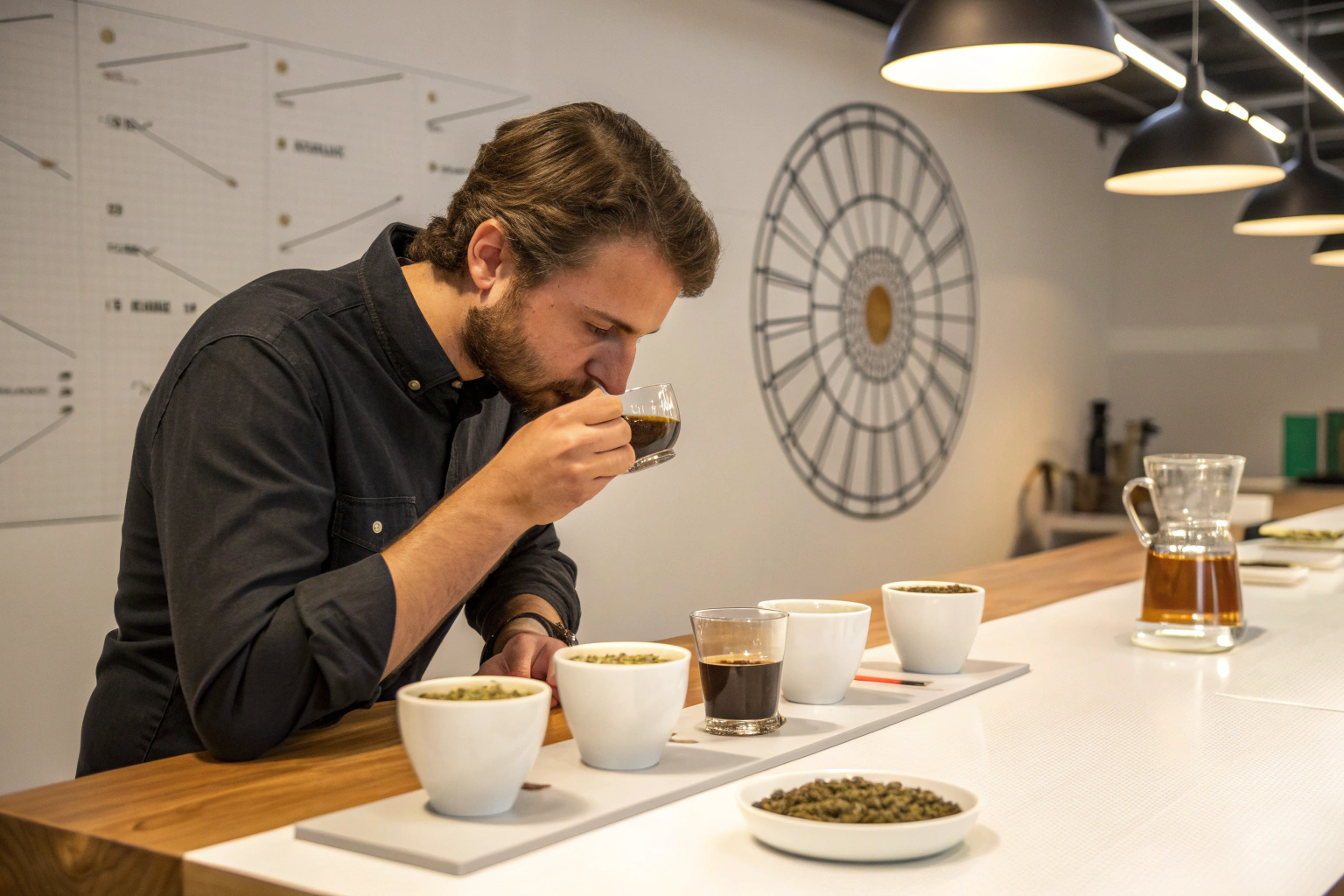
You've built a business catering to the most discerning palates. Your customers don't just drink coffee; they experience it. They talk about terroir, processing methods, and flavor notes like wine critics. For you, sourcing isn't about buying beans—it's about curating an experience. The pressure is immense. One inconsistent or mediocre batch can erode trust built over years. So, how do you consistently find green coffee that not only meets but exceeds the exacting standards of specialty coffee connoisseurs? The answer lies far beyond the commodity market; it's in forging direct, transparent partnerships with growers who treat coffee as a craft, not just a crop.
The core challenge is aligning three stars: Exceptional and traceable quality, a compelling story, and reliable availability. Connoisseurs seek uniqueness—a specific varietal from a single farm, processed with innovative methods. But they also demand absolute consistency in the cup. This requires a supplier who is vertically integrated, obsessed with detail, and communicates openly about every step, from soil to sack. At BeanofCoffee, with our deep roots in Yunnan's emerging terroir, we've learned that pleasing connoisseurs means inviting them into the process, offering not just a product, but a narrative of precision and passion.
What Defines "Specialty Grade" Coffee and How is it Graded?
Let's start with the basics. "Specialty coffee" isn't just a marketing term; it's a rigorous classification. The Specialty Coffee Association (SCA) sets the global standard: green coffee scoring 80 points or above on a 100-point scale by a certified Q Grader. But here's what that number truly means for you, the buyer. It's a guarantee of absence—no primary defects (like severe insect damage), and very few secondary defects. More importantly, it promises a distinct, attributable flavor profile free of taints or faults.
The grading process is both science and art. Certified Q Graders evaluate the green beans visually for defects, then roast and cup them under strict protocols. They score across attributes like fragrance/aroma, flavor, aftertaste, acidity, body, balance, and uniformity. A coffee scoring 84+ is considered outstanding, often with complex, vibrant notes. For connoisseurs, this score is the entry ticket, but the real story is in the score breakdown. You want to see high marks in flavor and acidity. A supplier worth their salt will provide the full Q-score sheet, not just a number. This transparency is your first filter. At our Shanghai Fumao operations, we cup every lot with internal Q Graders before export, ensuring only beans that meet this stringent standard carry our label.
What are the Key Physical and Sensory Quality Metrics?
Think of quality in two layers: physical and sensory. You need to master both.
Physical Metrics (The Non-Negotiables):
- Screen Size/Bean Density: Beans are sorted through sieves. Consistent size (e.g., Screen 17/18) generally means even roasting. Density, often linked to altitude, suggests bean hardness and potential for sugar development.
- Moisture Content: Ideal is 10-12%. Too high risks mold; too low can lead to brittle, bland beans. We test this with precise meters for every lot.
- Defect Count: This is black and white. A true specialty lot should have zero Category One defects and a minimal count of Category Two (like partial blacks). We use electronic sorters and hand-sorting lines to achieve this.
Sensory Metrics (The Storytellers):
- Flavor Notes: These are the descriptors—"stone fruit," "dark chocolate," "bergamot." They must be clear and perceptible, not just imaginative.
- Acidity: Not sourness, but a bright, wine-like quality (e.g., malic, citric) that gives life to the coffee.
- Body & Mouthfeel: The weight and texture—silky, juicy, or tea-like.
- Cleanliness & Sweetness: A clean cup (no off-flavors) and a inherent sweetness are hallmarks of excellent processing.
When purchasing, demand this data. A sample roast and cupping session with your own team is the ultimate test. The beans must pass both the lab test and the taste test.
How Does Processing Method Dramatically Impact Final Flavor?
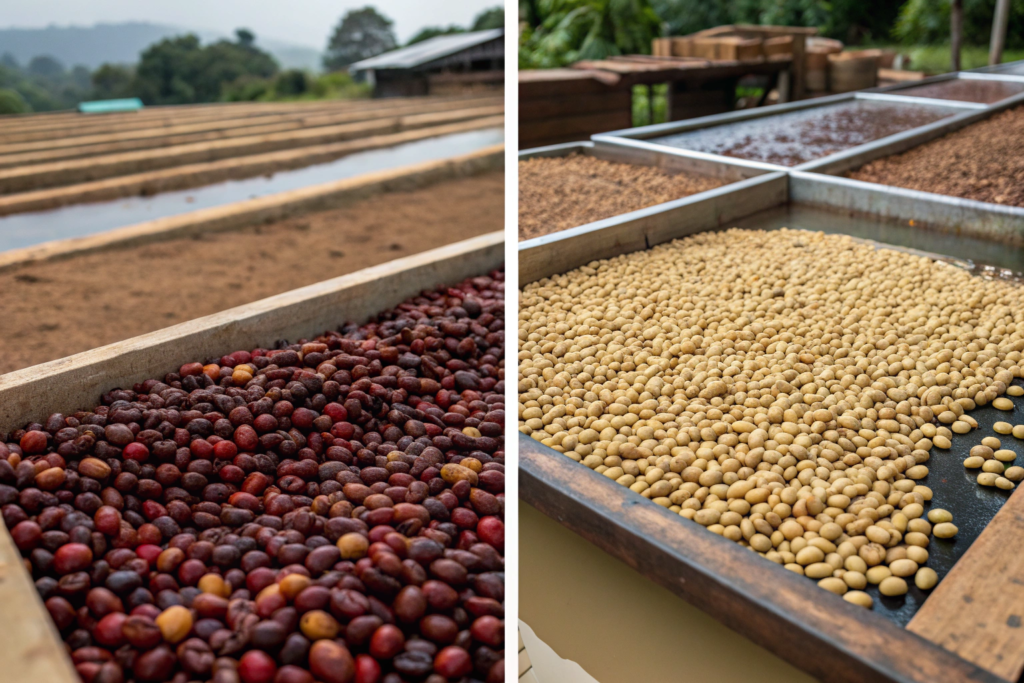
This is where the magic happens for connoisseurs. Processing—how the coffee cherry is transformed into a green bean—is arguably the biggest lever for flavor creation post-harvest. Understanding these methods lets you curate a menu with distinct profiles.
- Washed Process: The beans are depulped and fermented in water to remove the mucilage. This results in a clean, bright, and acidic cup where the bean's intrinsic character and terroir shine through. It's a classic, articulate expression of the varietal.
- Natural (Dry) Process: Whole cherries are dried in the sun. The beans ferment inside the fruit, absorbing sugars. This creates a fruit-forward, heavy-bodied, and often winey or fermented flavor profile. It's bold and complex.
- Honey (Pulped Natural) Process: A middle ground. Some mucilage is left on the bean during drying. It offers more body and sweetness than washed, but more clarity than natural. The color (white, yellow, red, black) indicates mucilage amount.
- Experimental Processes: This includes anaerobic fermentation (in oxygen-free tanks), carbonic maceration (like in wine), or using specific yeast strains. These methods push boundaries, creating wild, unique flavors like bubblegum, tropical fruit, or sharp spirits.
For connoisseurs, offering a washed lot from a high-altitude plot alongside a natural or experimental process from the same farm is a powerful demonstration of craft. We experiment with small, separate lots at our Yunnan estates to provide these nuanced options.
How to Source Unique and Traceable Lots for a Connoisseur Market?
Connoisseurs crave a story they can taste. They want to know the farmer's name, the farm's altitude, and the harvest date. "Traceability" is your most important word. It moves the coffee from a commodity to a sourced artifact. This level of detail requires moving away from blended regional lots and towards micro-lots or single-estate coffees.
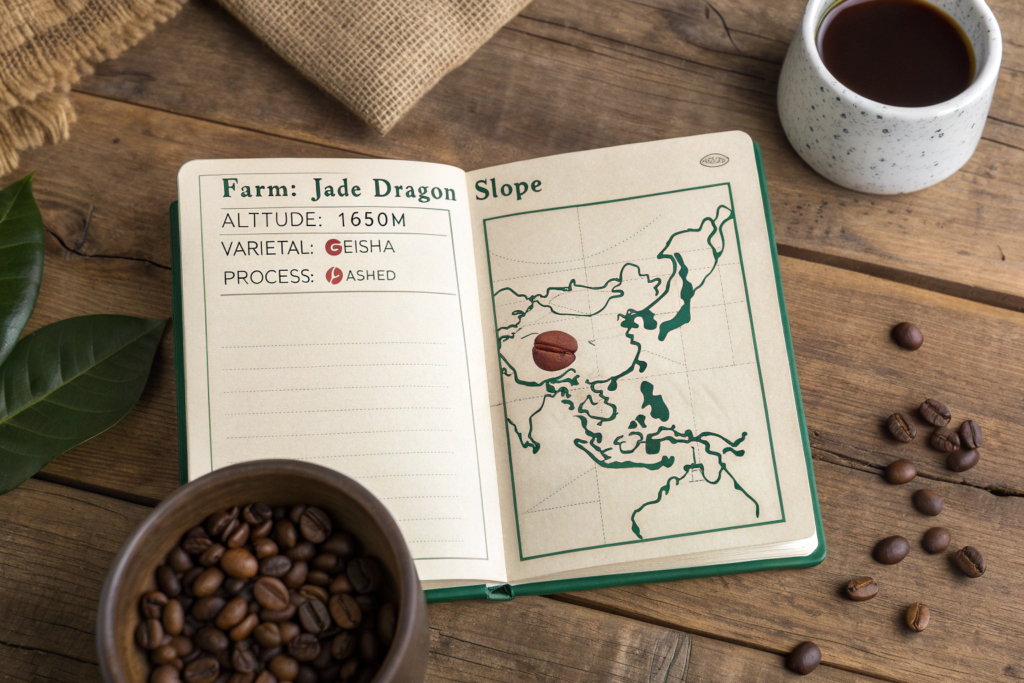
This means building relationships with exporters who own their farms or work directly with specific smallholder cooperatives under strict protocols. The best in the business provide "lot passports." At BeanofCoffee, for our top-tier lots, this includes: GPS coordinates of the plot, altitude, varietal, harvest date, processing method timeline, names of the farming and processing team leads, and photos of the estate. This isn't just paperwork; it's proof of origin and care. It's what allows you to tell a genuine story to your end customer. Sourcing this way often means buying smaller quantities, but at a premium that the connoisseur market is willing to pay for unparalleled uniqueness and quality.
What Information Should a "Lot Passport" or Traceability Document Include?
A proper traceability document is your coffee's biography. It should answer all the "W" questions. Here is a checklist you should require from any supplier targeting the specialty market:
- Origin: Country, Region, Sub-region, Estate/Farm Name, specific plot name or number.
- Producer Details: Name of farmer or cooperative.
- Agronomic Data: Altitude (in meters), Varietal (e.g., Bourbon, Geisha, SL-28), Soil type.
- Harvest & Processing: Harvest month/year, Processing Method (in detail: fermentation time, drying method & duration).
- Quality Data: Q-score/SCA score, Screen size, Moisture content, Defect count.
- Story Elements: Photos of the farm/processing, short bio of the producer, any sustainability or social impact certifications (Organic, Fair Trade, Rainforest Alliance).
This document becomes your marketing gold. It builds an unbreakable chain of custody from the mountain to the mug.
Why are Micro-lots and Single-Origin Coffees Essential?
Micro-lots and single-origin coffees are the antithesis of blending for consistency. They are about highlighting peak, specific characteristics.
- Micro-lots: These are tiny, separated harvests from a particular section of a farm, sometimes even a single day's picking. They might showcase an experimental processing method or an exceptional varietal. They are limited, exclusive, and command the highest prices. They are for showcasing peak innovation.
- Single-Origin (SO): This coffee comes from one defined geographic region, often a single farm or cooperative. It expresses the pure, unblended "terroir" of that place—the combination of soil, climate, and tradition. It offers a distinct, reproducible flavor profile that connoisseurs learn to identify and seek out.
For your business, a mix is strategic. Use consistent, high-scoring single-origins as your reliable flagship offerings. Then, rotate in exciting micro-lots as limited editions to create buzz, attract collectors, and demonstrate your cutting-edge sourcing prowess. Our approach at Shanghai Fumao is to maintain core single-origin lines from our Yunnan estates while dedicating a portion of each harvest to innovative micro-lots.
How to Evaluate a Supplier for the Specialty Coffee Niche?
Not all exporters are built for the specialty trade. Many are volume-focused. Your supplier must be a partner in quality, not just a vendor. Evaluating them requires looking at their infrastructure, their philosophy, and their communication.
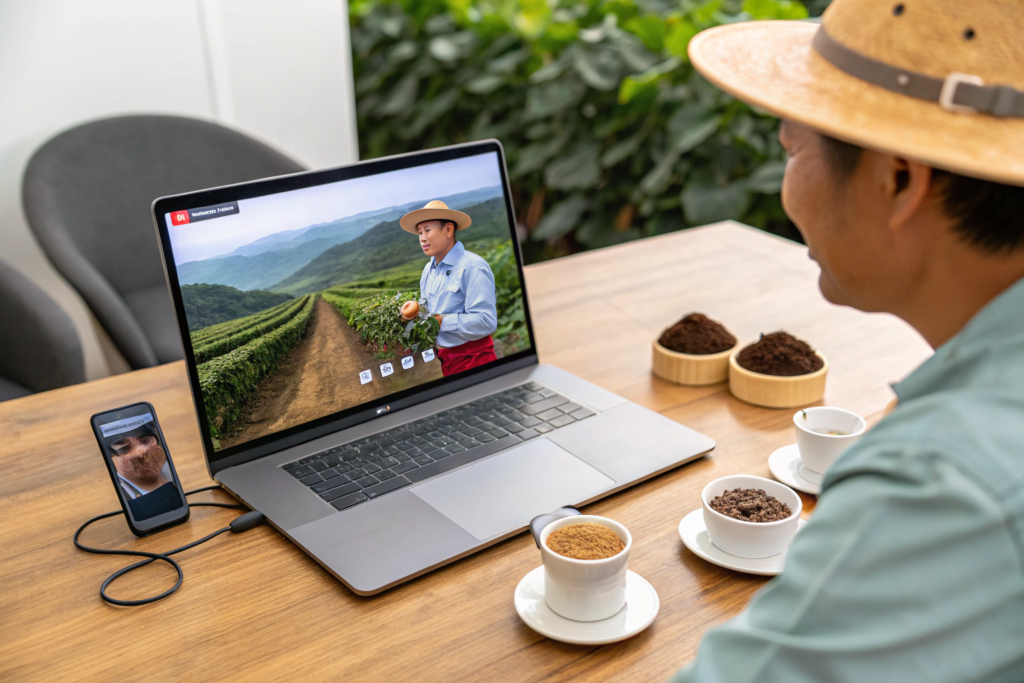
First, ask about their quality control infrastructure. Do they have a dedicated QC lab with sample roasters, grinders, and cupping equipment? Are their Q Graders on staff? Can they conduct a virtual live cupping session with you over video call? This shows investment in the craft. Second, probe their relationship with growers. If they are not farm owners themselves, how do they work with farmers? Do they provide agronomic support and pay quality-based premiums? This impacts both quality and ethical sourcing, which matters to modern connoisseurs. Finally, assess their logistics for small lots. Can they handle shipping a 60kg bag micro-lot with the same care as a 20-container order? How do they package small orders to preserve freshness?
A true specialty partner will welcome these questions. They will be proud to show you their lab, introduce you to their head roaster or Q Grader, and discuss the challenges of preserving delicate flavors during shipping. Their passion will match yours.
What Questions to Ask a Potential Specialty Coffee Supplier?
Go beyond price and MOQ. Here are critical questions to ask:
- "Can you provide the full Q-score sheet and traceability documents for the specific lot I'm interested in?"
- "What is your process for evaluating and grading each lot in-house before offer?"
- "How do you manage fermentation and drying to ensure consistency and cleanliness?"
- "Can we arrange a virtual video tour of your processing station and QC lab?"
- "What is your packaging protocol for small orders to prevent moisture and odor contamination during transit?"
- "What is your policy on providing pre-shipment samples, and who bears the cost?"
- "Do you have experience shipping directly to specialty roasters in my country? Can you provide references?"
The answers will separate the commodity sellers from the craft partners.
Why is In-Person or Virtual Farm/Factory Visits Crucial?
A visit, even a virtual one, builds irreplaceable trust. It transforms a faceless company into a team of people. You can see the cleanliness of the drying beds, the organization of the warehouse, and the calibration of the sorting machines.
During a visit, look for:
- Hygiene: Are processing areas clean? Are beans protected from rain and contaminants?
- Organization: Are different lots clearly separated and labeled? Is the warehouse cool, dark, and dry?
- Technology: Is there modern equipment for sorting, density separation, and moisture testing?
- People: Do the workers have proper equipment? Is there a sense of pride and procedure?
We actively encourage our specialty clients to visit our Baoshan plantations or take a guided virtual tour. It closes the distance, literally and figuratively, proving we have nothing to hide and everything to show. This transparency is the bedrock of a trustworthy coffee supplier for the connoisseur market.
How to Manage Logistics and Freshness for High-End Green Coffee?
You've sourced the perfect 86-point Geisha micro-lot. Now, a long, humid sea voyage threatens it. For specialty coffee, the journey doesn't end at the port; it ends in your roastery with the bean's potential intact. Logistics for connoisseur-grade coffee is about preservation.
The primary enemies are moisture, heat, light, and odors. Standard shipping containers can experience wild temperature swings, causing condensation ("container rain"). The solution is specialized packaging and smart routing. For micro-lots and high-value orders, we recommend and often use GrainPro bags inside the standard jute or vacuum-sealed bags. GrainPro is a hermetic liner that creates a barrier against moisture and external odors. For the most sensitive lots, air freight, while costly, is the best option to minimize transit time and environmental exposure.
Furthermore, you must consider the resting period after shipment. Green coffee is "alive" and degassing after processing and travel. Shipping stress can temporarily mute its flavors. Many top roasters allow high-end greens to rest in their climate-controlled warehouse for 4-8 weeks before roasting. This allows the beans to stabilize and their true character to re-emerge. Discuss this timeline with your supplier to align harvest, shipping, and your roasting schedule.
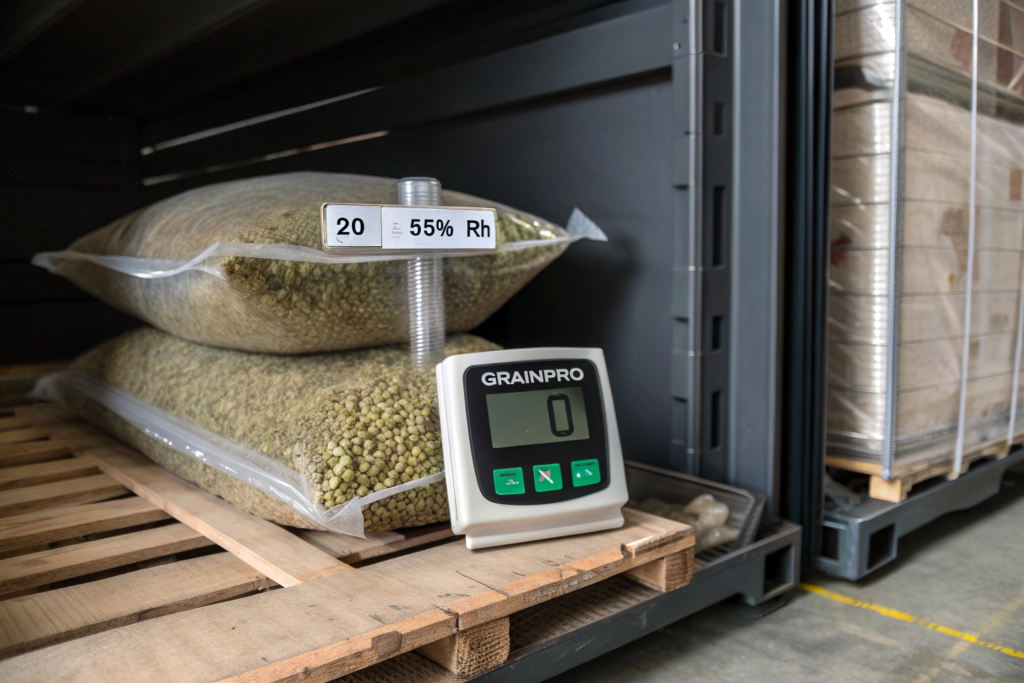
What are the Best Packaging and Shipping Methods for Premium Beans?
The method depends on value and urgency. Here’s a comparison:
| Method | Packaging Recommendation | Ideal For | Key Risk Mitigation |
|---|---|---|---|
| Air Freight | Vacuum-sealed bag inside cardboard box. | Ultra-premium micro-lots (<500kg), urgent sample approvals. | Speed minimizes environmental exposure. Use strong, odor-free boxes. |
| FCL Sea Freight | GrainPro liner inside standard jute bags. Palletized and wrapped. | Full-container orders of a single premium lot. | Use 20ft "dry" containers. Ensure proper stuffing to minimize air movement. Use moisture-absorbing bags inside container. |
| LCL Sea Freight | Must use GrainPro. Bags clearly labeled. | Smaller orders of specialty lots. | Choose a consolidator experienced with food-grade products. Insist on container not carrying strong-smelling goods. |
The universal rule: never ship premium green coffee in standard jute alone. The extra cost for GrainPro is minor insurance for preserving the quality you paid for.
How to Plan for Seasonality and Resting Periods in Your Inventory?
Specialty coffee is an agricultural product. It has a peak. This isn't like buying commodity Robusta year-round. You need a harvest calendar. For Yunnan, the main harvest is November-February. The new crop arrives in spring. The coffee is freshest and most vibrant in the first 9-12 months after harvest.
Your inventory planning should sync with this cycle:
- Pre-harvest (e.g., Oct): Cup samples from the upcoming harvest, reserve lots.
- Post-harvest (e.g., Mar-Apr): Ship main orders. Allow 4-8 weeks for ocean transit + 1 month resting.
- Roasting Window (e.g., May-Dec): You have an ~8-month prime window to roast and sell this vintage.
- Re-order Point (e.g., Oct): Before the old crop runs out, sample and book from the new harvest.
This cyclical model ensures you always offer fresh, vibrant coffee and can market each new harvest as an "vintage" event. It requires closer communication with your supplier than the standard "order when low" approach. A partner like us proactively shares harvest schedules and sample availability to help you plan.
Conclusion
Purchasing coffee for specialty connoisseurs is a deep, rewarding discipline that blends rigorous science with narrative storytelling. It moves far beyond price per kilo into the realms of sensory analysis, traceability, and partnership. Success hinges on selecting beans that score highly on the SCA scale, understanding the profound impact of processing, demanding full transparency through lot passports, and partnering with a supplier whose infrastructure and philosophy are built for craft, not commodity.
Ultimately, your role is that of a curator and storyteller. By mastering the intricacies of grading, sourcing unique lots, vetting partners thoroughly, and protecting the bean's integrity all the way to your roaster, you build an unshakable reputation for quality. This allows you to deliver not just a beverage, but a memorable, authentic experience that true connoisseurs will seek out and cherish.
If you are ready to source exceptional, traceable, and unique coffees from Yunnan's burgeoning specialty scene, we invite you to connect with us. Let's discuss your specific quality parameters and arrange for you to cup samples from our latest harvest micro-lots. Contact our specialty coffee liaison, Cathy Cai, to begin a conversation focused on excellence. Reach her at cathy@beanofcoffee.com.