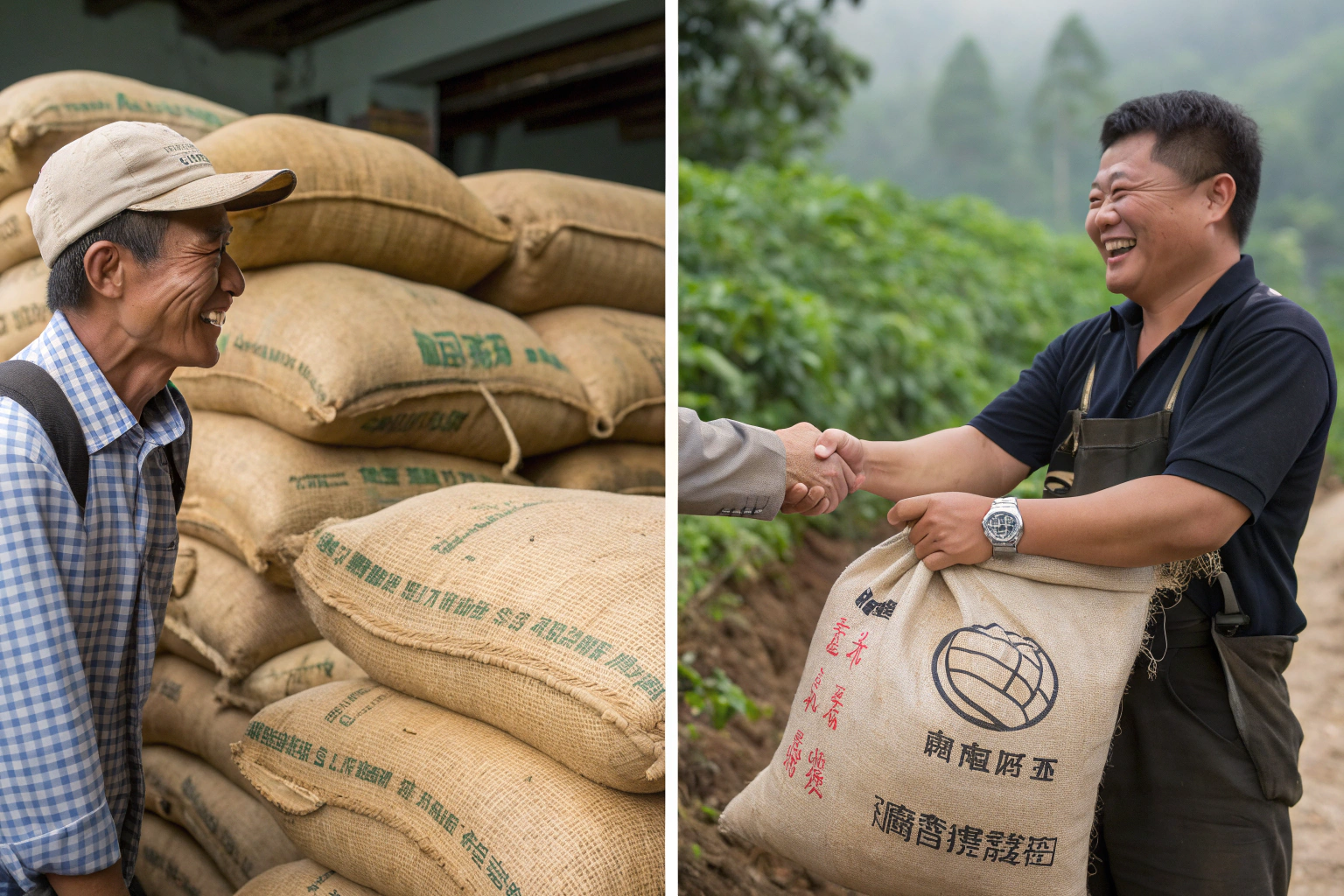
My customers have developed a taste for high-quality, single-origin coffee, but my costs are spiraling out of control. The prices for beans from the 'famous' origins are getting higher every year, and my margins are getting thinner. I feel trapped. I either have to sacrifice quality or price myself out of my own market. How can I find great coffee without breaking the bank?" This is a conversation I have almost weekly with buyers like Ron. It's a huge pain point in our industry. You've worked hard to educate your customers' palates, but now you're struggling to afford the very quality you've taught them to love.
To purchase high-quality coffee beans on a limited budget, you must shift your strategy from buying "brand name" origins to discovering "high-value" origins. This involves exploring emerging coffee regions, buying directly from vertically integrated suppliers to cut out middlemen, and being flexible with bean size or certifications that don't impact cup quality. It's not about buying cheaper coffee; it's about buying coffee smarter.
This is a challenge we live and breathe at Shanghai Fumao. We've built our entire business model on providing a solution to this exact problem. We believe that exceptional quality and excellent value should not be mutually exclusive. So, what does this mean for you? It means you don't have to compromise. There are concrete, actionable strategies you can use to find incredible coffee that fits your budget. Let's explore them.
Why Should You Explore Emerging Coffee Origins?
When you think of "high-quality coffee," what comes to mind? For most, it's countries like Ethiopia, Colombia, or Kenya. These origins have incredible coffee and, thanks to decades of marketing, powerful brand recognition. The problem? You pay a premium for that brand name. The market price for a coffee from a famous cooperative in one of these countries is inflated not just by its quality, but by its fame.
Exploring emerging origins, like our home in Yunnan, China, is the single most effective strategy for escaping the "brand name tax." These regions are producing specialty-grade, world-class coffee but have not yet reached the same level of global fame. This creates a market inefficiency where the quality in the cup is significantly higher than the price tag suggests.
Think of it like discovering a talented new artist before they become famous. You get to acquire a masterpiece for a fraction of the price it will command in a few years. We've seen it happen time and again. Buyers who were early adopters of coffees from places like Peru or Honduras reaped huge benefits. Right now, Yunnan is in that exact sweet spot. We have the high altitudes, the rich volcanic soil, and the investment in modern processing to produce exceptional coffee. But because we are still building our global reputation, we offer a value that is simply unmatched by the more established players.
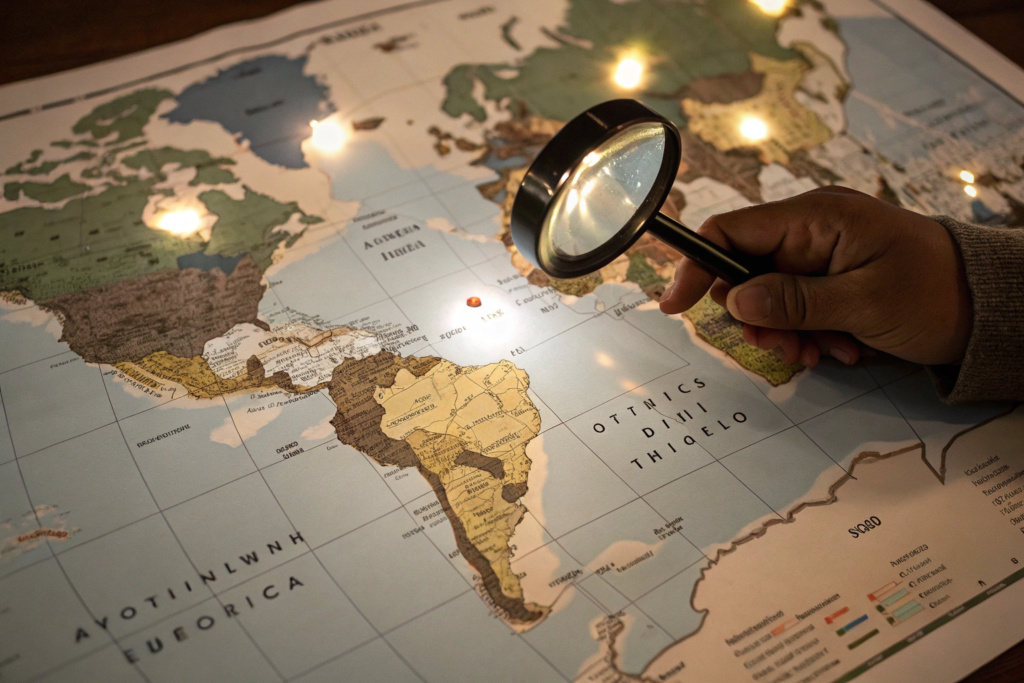
What Is the "Brand Name Tax"?
The "brand name tax" is the extra amount you pay for a product's reputation, separate from its intrinsic quality. A coffee scoring 86 points from a famous region might cost significantly more than an 86-point coffee from a lesser-known region. By focusing on the score and the cup quality rather than the name on the bag, you can find incredible value. This is a core principle of smart procurement strategy.
Are There Other Emerging Origins?
Yes! While we are partial to Yunnan, other regions like Thailand, the Philippines, and parts of Myanmar are also producing exciting and high-value coffees. The key is to have an open mind and an adventurous palate. Don't buy the label; buy the coffee. Partner with a supplier who has boots on the ground in these regions and can bring you these hidden gems.
How Does Buying Direct from the Source Cut Costs?
Every time a bag of coffee changes hands, someone adds their margin. The traditional coffee supply chain can be long and convoluted, involving a local cooperative, a regional exporter, a multinational importer, and a distributor before it ever gets to you, the roaster. That's at least four different companies adding their markup to the final price.
Buying directly from a vertically integrated producer who is also the exporter eliminates all of these middlemen. By cutting out these intermediate steps, you are accessing the coffee at a price that is much closer to the true cost of production. This is the most direct way to reduce your purchasing cost without sacrificing a single point of quality.
This is the model we have built at Shanghai Fumao. We are not just farmers; we are the processor, the exporter, and your direct point of contact. When you buy from us, there is no importer in the middle taking a 20-30% cut. That saving goes directly to your bottom line. This streamlined process doesn't just save you money; it also increases transparency and traceability. You know exactly where your coffee came from and who handled it at every step. It's a simpler, cleaner, and more cost-effective way of doing business.
What Does "Vertically Integrated" Really Mean?
It means one company controls multiple stages of the supply chain. In our case, it means we own the farms, we operate the washing stations, we manage the dry mill, and we handle all the export logistics ourselves. This gives us total control over quality and cost, a benefit we pass on to our partners.
How Does This Affect Communication?
A shorter supply chain means better communication. If you have a question about a specific lot, you're not sending an email to an importer who then has to track down an exporter who then has to ask the co-op. You're talking directly to us, the people who grew and processed the coffee. This leads to faster answers and a much stronger working relationship.
Where Can You Be Flexible to Save Money?
Let's assume you're already exploring new origins and buying direct. There are still other ways to be smart and save money. This involves being flexible on certain specifications that have a big impact on price but a small impact on the actual quality in the cup. It's about knowing where you can compromise without your customers noticing a difference.
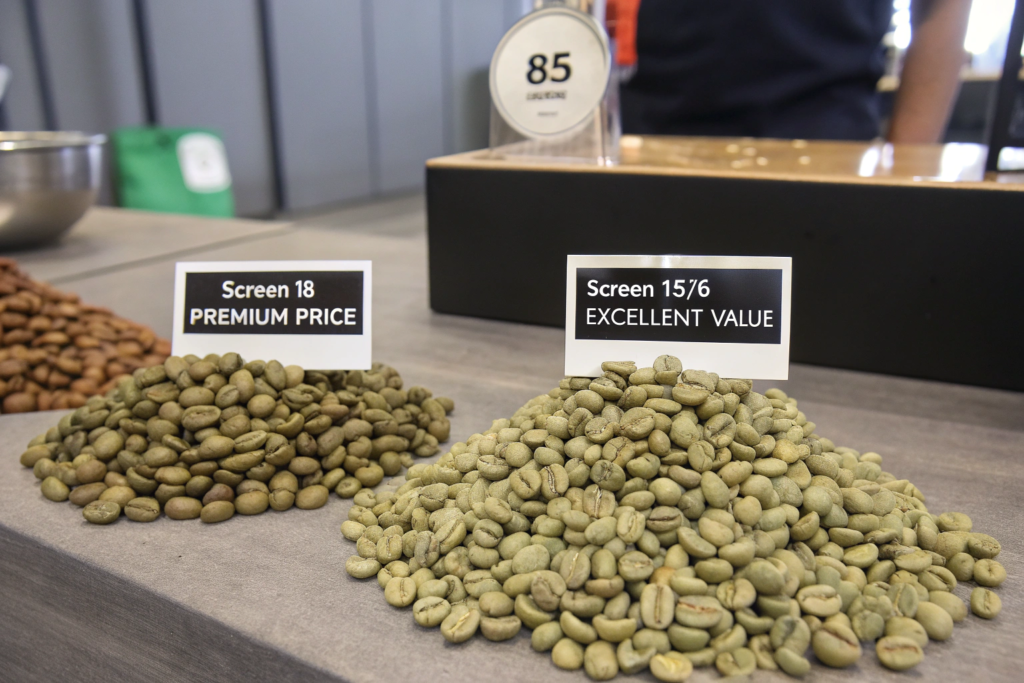
You can often achieve significant savings by being flexible on bean size (screen size) and certain niche certifications. While the largest beans often command the highest prices, slightly smaller beans from the same lot can cup just as well for a lower cost. Similarly, a fantastic coffee that isn't "certified" organic but is grown using sustainable methods can offer incredible value.
Let's look at this in more detail:
| Specification | High-Cost Option | High-Value Alternative | Why It Works |
|---|---|---|---|
| Screen Size | Screen 17/18 (the largest beans) | Screen 15/16 (slightly smaller beans) | For many lots, the flavor difference is negligible, but the price difference can be substantial. |
| Certification | USDA/EU Certified Organic | "Organically Grown" (unsprayed, sustainable) | The certification process is expensive for farmers. An uncertified but well-grown coffee can be a bargain. |
| Lot Type | "Microlot" (from a tiny, specific plot) | "Regional Blend" (a blend of high-quality lots from the same area) | Microlots carry a high premium for their story. A regional blend can offer 95% of the quality for 70% of the price. |
This isn't about cutting corners. It's about being a savvy, informed buyer. It's about asking your supplier, "What do you have that's cupping really well but is being overlooked by other buyers?" A good partner will be able to guide you to these high-value opportunities.
What Is "Screen Size"?
Screen size is a measurement of the green bean's diameter, graded in 1/64ths of an inch. So, a screen 16 bean is 16/64ths of an inch. While larger beans are often visually impressive, there is no hard rule that they always taste better. Don't let your eyes fool your palate or your wallet.
Is Uncertified Coffee Safe?
When buying from a trusted, direct partner, yes. We can provide you with full transparency on our farming practices. While some of our farms are fully certified organic (a process we've invested in), other neighboring lots might be grown to the exact same standards without the official stamp. We can tell you exactly what was used on the land, giving you the confidence to buy a sustainably grown coffee without paying the certification premium.
Conclusion
Feeling trapped between rising costs and the high quality your customers demand is a difficult position to be in. But you are not without options. The solution is to evolve your purchasing strategy. You must become a value-hunter, looking beyond the obvious and challenging old assumptions.
The path to high-quality, budget-friendly coffee lies in exploring emerging origins like Yunnan to escape the "brand name tax." It lies in shortening your supply chain by partnering directly with vertically integrated producers like us to cut out the middlemen. And it lies in being a smart, flexible buyer who knows that the true measure of a coffee is in the cup, not its size or its paperwork.
You don't have to choose between quality and affordability. By thinking differently and acting strategically, you can have both. You can continue to delight your customers, protect your margins, and build a more resilient and profitable business.
If you're ready to break free from the trap of high costs and discover a world of high-value specialty coffee, we are here to be your guide. Please contact our head of client relations, Cathy Cai, at cathy@beanofcoffee.com. Let's find you an amazing coffee that your customers and your accountant will both love.