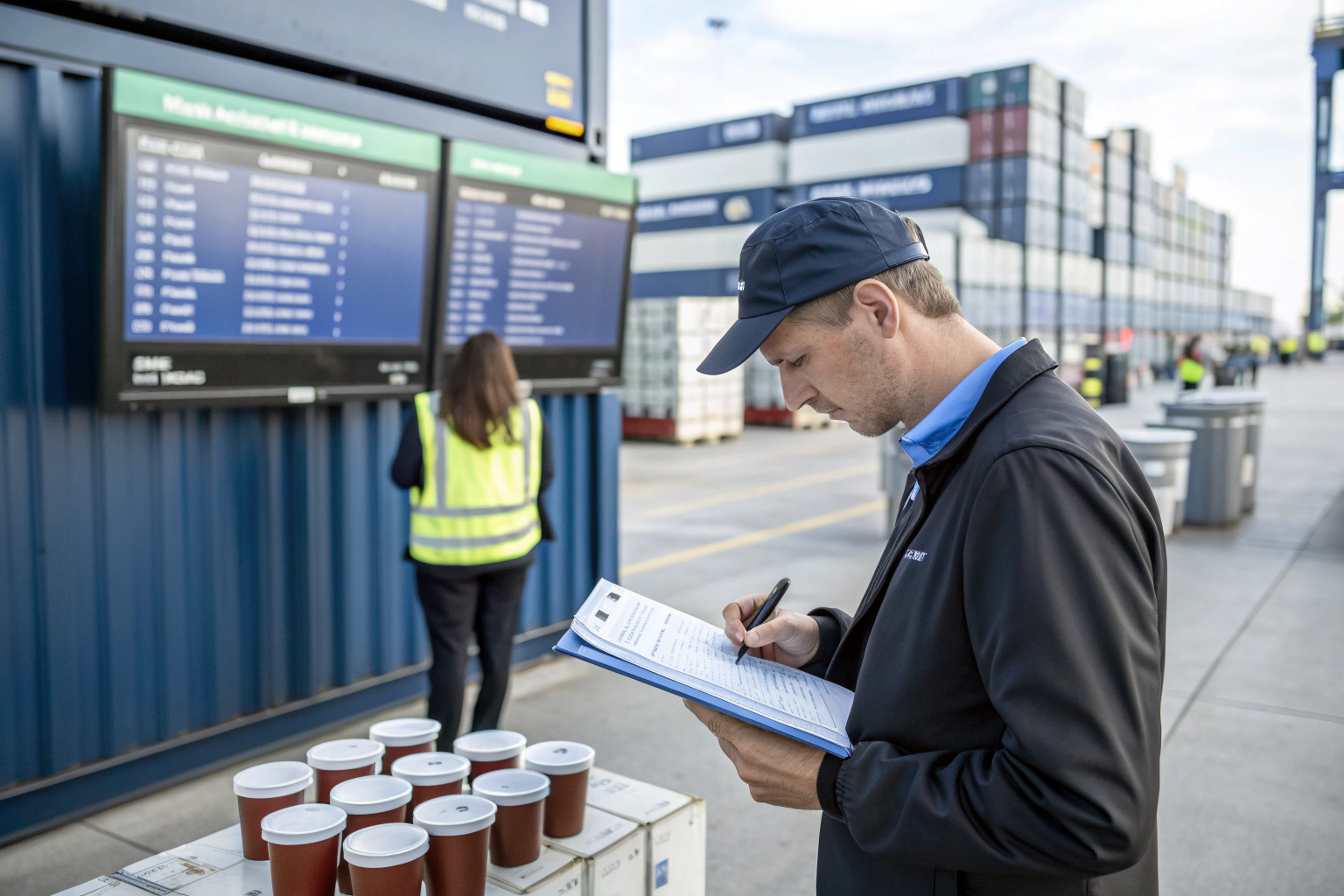
You've planned everything perfectly—your coffee is roasted, your customers are waiting, your marketing campaign is live. Then comes the email: "Customs hold." Days turn into weeks, and your beautiful green coffee sits in a bonded warehouse while demurrage charges pile up and your business grinds to a halt. Customs delays don't just test your patience; they can destroy your profit margins and customer relationships.
Reducing customs delays when importing coffee requires meticulous documentation, understanding specific import regulations, building relationships with customs brokers, and implementing proactive clearance strategies. The most effective approach combines perfect paperwork, pre-clearance programs, professional representation, and understanding the specific requirements for coffee in your target market.
So, how can you transform customs from a unpredictable obstacle into a predictable step in your supply chain? The solution lies in preparation, expertise, and systems that address the most common causes of clearance delays. Let's examine the specific strategies that keep your coffee moving smoothly across borders.
What Documentation Prevents Most Customs Delays?
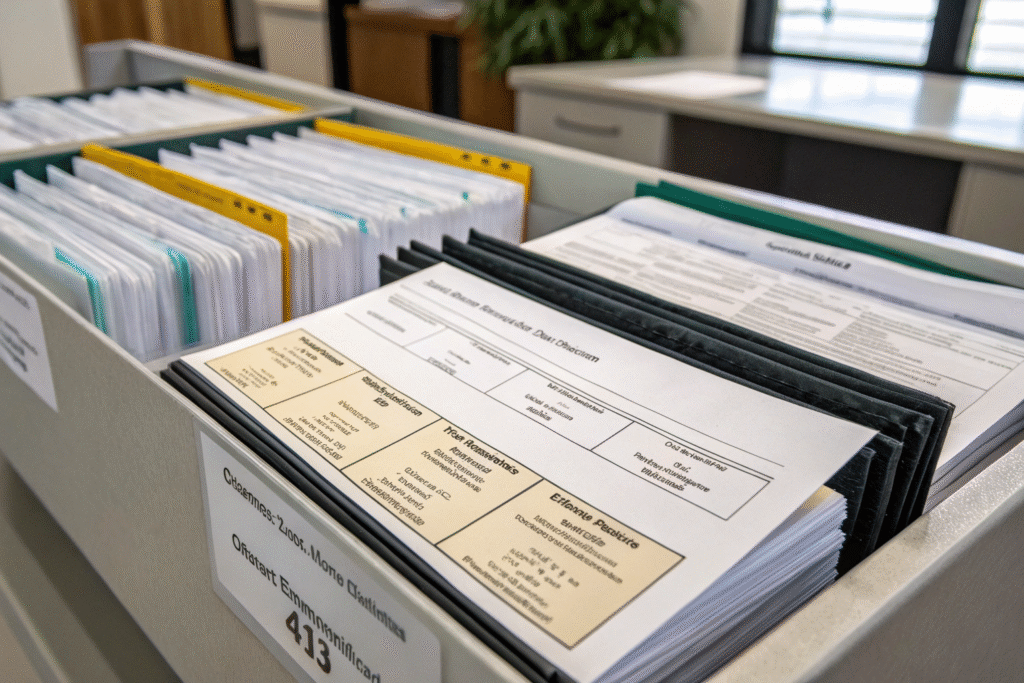
Paperwork errors cause the majority of customs delays. Incomplete, inconsistent, or incorrect documents trigger manual reviews that can stall shipments for days or weeks.
Perfect documentation means more than just having the right forms—it means ensuring every detail matches across all documents and meets the specific requirements of your importing country.
What Are the Critical Documents for Coffee Import?
You typically need:
- Commercial Invoice with detailed product description and value
- Packed List matching exactly what's in the container
- Bill of Lading or Air Waybill
- Certificate of Origin
- Phytosanitary Certificate from the exporting country
- Fumigation Certificate if required
- Import Licenses or permits specific to coffee
Each document must tell the same story about what you're importing, where it came from, and what it's worth. Inconsistencies between documents are red flags for customs inspectors. This document consistency is your first line of defense against delays.
How Can You Ensure Documentation Accuracy?
- Use templates that have been proven to work
- Review documents against each other for consistency
- Verify HS codes specifically for your coffee type
- Check certificate expiration dates before shipping
- Confirm weight and quantity match across all documents
At BeanofCoffee, we provide complete, consistent documentation packages because we know that paperwork precision saves our partners time and money at customs.
How Can You Leverage Pre-Clearance and Trusted Trader Programs?
Many countries offer programs that allow low-risk, compliant importers to clear goods more quickly. These programs require upfront investment but pay dividends through predictable clearance times.
Programs like C-TPAT in the US, AEO worldwide, and various importer certification systems can significantly reduce inspection rates and processing times.
What Are Trusted Trader Programs?
These voluntary programs allow customs authorities to pre-vet importers, granting faster processing to those with strong compliance records and security practices. Benefits typically include:
- Lower inspection rates (often 50-80% reduction)
- Priority processing when inspections do occur
- Front-of-line treatment during peak periods
- Reduced paperwork requirements
- Dedicated support from customs officials
The application process requires demonstrating robust security and compliance systems, but the efficiency payoff makes it worthwhile for frequent importers.
How Does Pre-Arrival Processing Help?
Many customs authorities allow submission of documents before goods arrive:
- Submit documents 24-48 hours before arrival
- Address issues while goods are still in transit
- Receive preliminary clearance before physical inspection
- Reduce port storage time and associated costs
This proactive approach turns waiting time into processing time, often shaving days off your clearance timeline.
What Role Does Your Customs Broker Play?
A skilled customs broker is worth their weight in gold. They understand the nuances of coffee classification, stay current with regulation changes, and have relationships with customs officials that can resolve issues quickly.
Your broker should specialize in food and agricultural products, understand coffee-specific regulations, and have experience with your specific import markets.
How Do You Choose the Right Broker?
Look for:
- Coffee-specific experience (not just general customs knowledge)
- References from other coffee importers
- Transparent fee structure with no hidden charges
- Proactive communication style
- Geographic expertise in your import regions
- Technology platform for tracking and documentation
A broker who understands that different coffee types (green, roasted, decaf) have different requirements can prevent classification errors that cause delays. This specialized expertise is particularly valuable for coffee importers.
What Should Your Broker Relationship Look Like?
- Regular strategy meetings to discuss upcoming shipments
- Shared document access for real-time collaboration
- Clear escalation procedures for when problems arise
- Performance metrics for clearance times and issue resolution
- Joint training on regulation changes
Treat your broker as a strategic partner rather than a vendor, and they'll often go above and beyond to keep your shipments moving.

How Can Technology and Systems Reduce Delays?
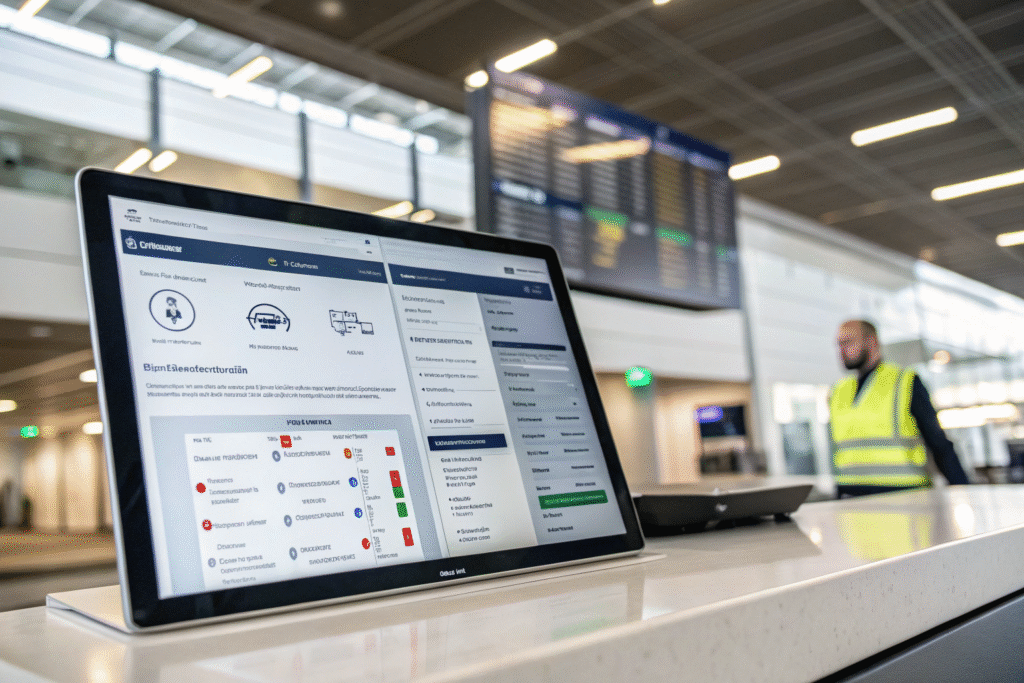
Modern customs clearance relies increasingly on digital systems. Importers who leverage technology effectively can avoid many common delay triggers.
From document management systems to integrated tracking platforms, technology can automate compliance checks and provide real-time visibility into clearance status.
What Technology Solutions Help Most?
- Document management systems that ensure consistency
- HS code databases that stay current with changes
- Automated compliance checking before submission
- Real-time tracking of customs status
- Electronic data interchange with customs authorities
These digital tools reduce human error and provide the transparency needed to address issues before they become delays.
How Does Data Quality Affect Clearance?
Inconsistent or inaccurate data triggers manual reviews:
- Product descriptions must match across all systems
- Value declarations need to be consistent and justified
- Quantity measurements must use standard units
- Origin information should be specific and verifiable
Maintaining a single source of truth for all shipment data prevents the inconsistencies that slow down clearance.
What Coffee-Specific Regulations Cause Delays?
Coffee faces unique regulatory requirements that differ from other commodities. Understanding these specific rules prevents unexpected holds and rejections.
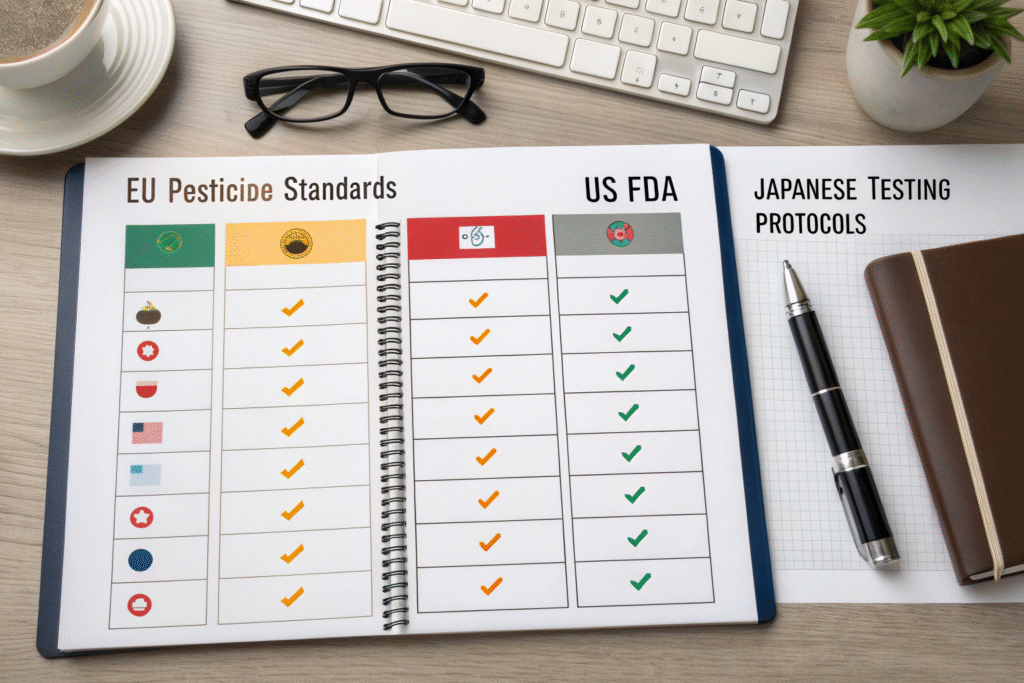
Different countries have varying requirements for coffee imports regarding pesticides, contaminants, labeling, and treatment protocols.
What Are Common Coffee-Specific Requirements?
- Maximum residue levels for pesticides and chemicals
- Mycotoxin testing requirements in some markets
- Organic certification verification
- Country-specific labeling rules
- Treatment requirements for certain origins
Staying current with these product-specific regulations requires ongoing attention as standards frequently change.
How Can You Pre-empt Regulatory Issues?
- Test shipments for common contaminants before export
- Maintain certification documents in easily accessible formats
- Understand seasonal regulation changes (harvest-specific rules)
- Build relationships with agricultural inspection agencies
- Participate in industry groups that track regulatory changes
This regulatory vigilance helps you anticipate requirements rather than reacting to problems.
Conclusion
Reducing customs delays requires a comprehensive approach that combines perfect paperwork, strategic programs, expert partnerships, and technological support. The most successful importers treat customs clearance not as a mysterious black box but as a manageable process that rewards preparation and expertise.
By investing in documentation accuracy, trusted trader programs, skilled brokerage relationships, and compliance technology, you can transform customs from a major uncertainty into a predictable step in your supply chain. The time and money invested in building efficient clearance processes pay continuous dividends through reduced demurrage, lower inspection costs, and more reliable delivery to your customers. If you're looking for a supply partner that understands and facilitates smooth customs clearance, contact our export manager, Cathy Cai, at cathy@beanofcoffee.com. We've built our documentation and processes around helping our partners clear customs efficiently in markets worldwide.