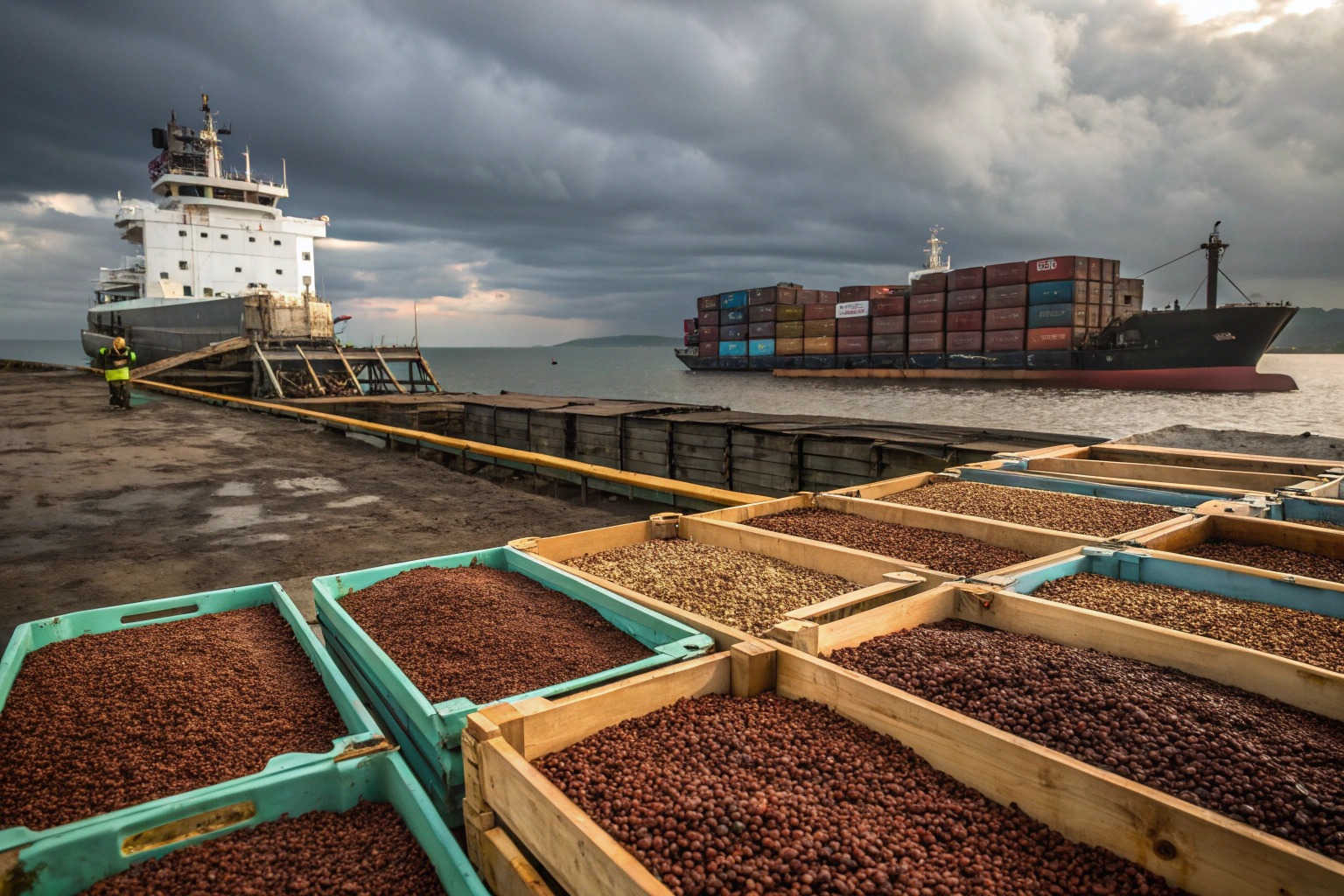
As a coffee exporter with over 10,000 acres in Yunnan, I see firsthand the global journey our beans take to reach your roastery. This journey—from our farm in Baoshan to a café in New York or a grocery shelf in California—has an environmental cost. For buyers and brands increasingly accountable to consumers, the carbon footprint of coffee transport isn't just an abstract concern; it's a pressing business challenge. The question is, what can we, as partners in this supply chain, actually do about it?
The good news is, reducing this footprint is entirely possible. It requires a shift from the default, cost-only logistics thinking to a more strategic, collaborative model. The answer lies in a combination of smarter route planning, modal shifts, packaging innovation, and a commitment to transparency. It's not about one magic solution, but a series of impactful, practical steps that add up.
This guide breaks down actionable strategies that we at Bean of Coffee are implementing with our partners. These steps don't just cut emissions; they often improve efficiency and can even reduce long-term costs. Let's explore how to make your next container of coffee greener.
Why is Ocean Freight the Greenest Choice for Long-Distance Coffee Transport?
This might seem counterintuitive. Ships are huge and burn fuel. But when you measure emissions per ton of cargo per kilometer traveled, ocean freight is by far the most efficient mode for transcontinental distances. An airplane emits roughly 50 times more CO2 per ton-kilometer than a modern container ship. So, the first and most significant decision is already the right one: shipping beans by sea from origins like China, South America, or Africa to consumer markets.
However, not all ocean freight is created equal. The carbon intensity can vary dramatically depending on the ship's technology, speed, and fuel type. The real opportunity lies in optimizing within the ocean freight segment. Choosing the right shipping partner and the right service can slash your footprint without impacting your timeline.
How Does Slow Steaming and Route Optimization Cut Emissions?
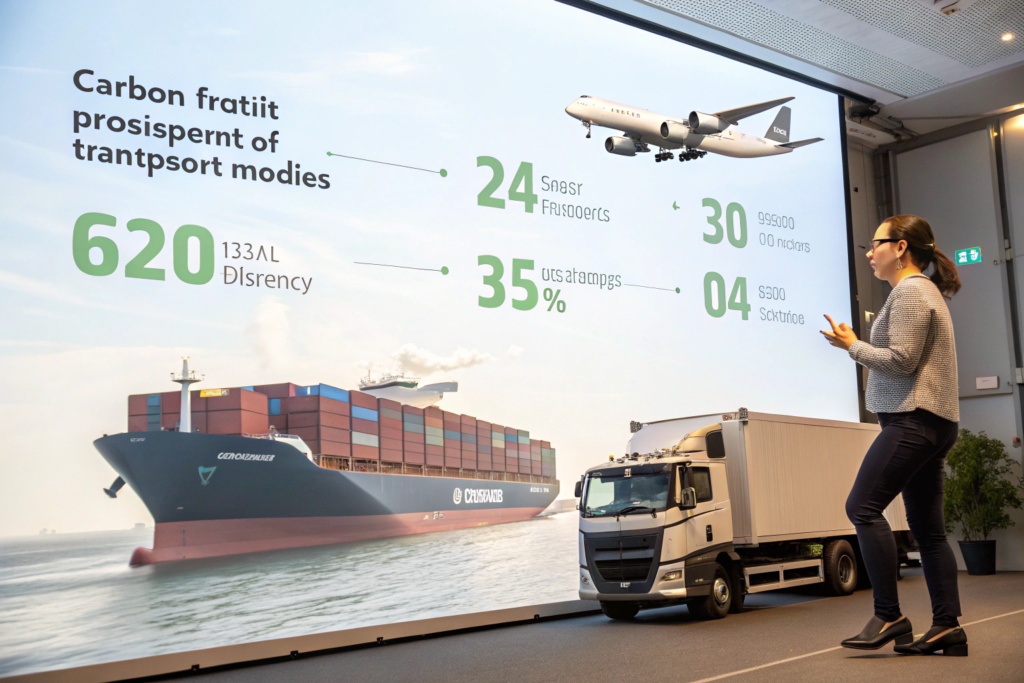
"Slow steaming" is a simple but powerful concept. It means operating container ships at speeds significantly below their maximum. Why does this matter? Fuel consumption doesn't increase linearly with speed; it increases exponentially. Reducing speed by 10% can cut fuel use and emissions by nearly 30%.
Many shipping lines now offer services built around optimized, slower schedules that still meet reliable transit windows. Furthermore, using advanced software for route optimization helps vessels avoid adverse weather and strong currents, saving additional fuel. As an exporter, we can prioritize carriers that actively employ these practices and select service lanes that are designed for efficiency, not just raw speed.
What is the Impact of Using Newer, More Efficient Vessels?
The age and design of a ship matter tremendously. Newer vessels are equipped with state-of-the-art engines, hull designs that reduce drag, and even technologies like air lubrication systems or advanced propellers. Some are "LNG-ready" or can use alternative fuels.
When we book space for your coffee container with Shanghai Fumao, we can request carriers that operate newer fleets. Major alliances now publish their carbon efficiency scores. By choosing a carrier with a high score, we directly lower the emissions attributed to your shipment. It's a selection criterion that is becoming as standard as price and transit time for forward-thinking partners.
How Can We Optimize the Land-Based Leg of the Coffee Journey?
The ocean crossing is just one part. The journey from the farm to the port, and from the destination port to your warehouse, often relies on trucks and rail. This is where localized optimization can yield big gains. Think of it as fixing the "first and last mile" of the coffee's trip.
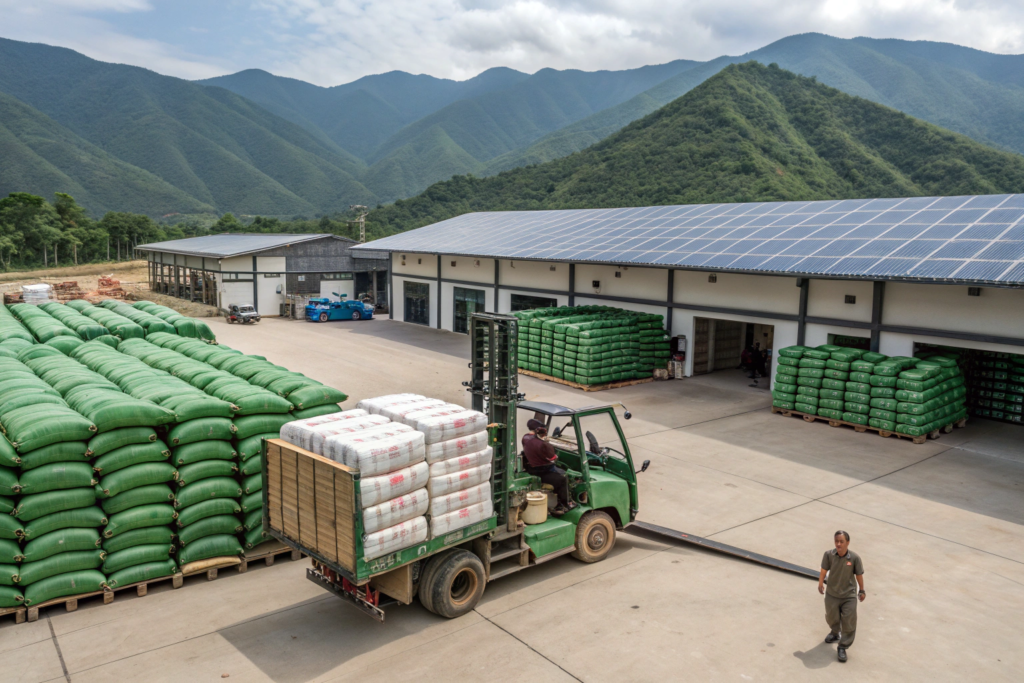
In Yunnan, we've focused on consolidating coffee from our numerous plots into centralized, efficient processing hubs. This reduces countless small, inefficient truck trips from individual farms. Instead, we use larger, fuller trucks on set routes to the nearest railhead or port. It's a basic principle of logistics: maximize load capacity to minimize trips.
Here are two concrete ways we're tackling land-based emissions.
What Role Does Rail Transport Play in Green Logistics?
Where geography allows, rail is a champion for reducing footprint. Transporting coffee by rail from inland regions to coastal ports can cut emissions by up to 75% compared to long-haul trucking alone. The China-Europe Railway Express is a famous example, though for US-bound coffee, the key is domestic rail links to ports like Shanghai or Ningbo.
We are increasingly shifting our inland transport from road-only to a multimodal approach combining truck and rail. For instance, coffee from Baoshan can go by truck to a major rail hub like Kunming, then by dedicated freight train to the port. This switch significantly reduces the overall carbon cost before the beans even board the ship. It's a strategic upgrade to our supply chain's backbone.
How Does Packaging Efficiency Affect Transport Emissions?
This is a less obvious but critical factor. The design of your coffee bags and pallets directly impacts how many bags we can fit into a shipping container. More efficient packaging means we need fewer containers to ship the same amount of coffee. Fewer containers mean fewer ship journeys, which is the ultimate win.
We work with our buyers to design packaging that is strong and protective but also space-efficient. Using lightweight, high-strength materials and optimizing bag dimensions to maximize pallet and container utilization is a key part of our service. Reducing "shipping air" is one of the simplest ways to lower emissions per pound of coffee delivered.
What Are the Emerging Technologies and Carbon Offsetting Options?
Beyond optimizing current methods, the industry is looking to the future. New technologies are on the horizon, and for emissions we can't yet eliminate, credible offsetting provides a bridge. The goal is a net-zero journey.
For us, this isn't about greenwashing. It's about taking responsibility for the impact of our trade. We are investing in and supporting projects that explore the next generation of sustainable logistics, while also taking action today through verified offset programs.
Are Biofuels and Wind-Assisted Propulsion Viable for Coffee Shipping?
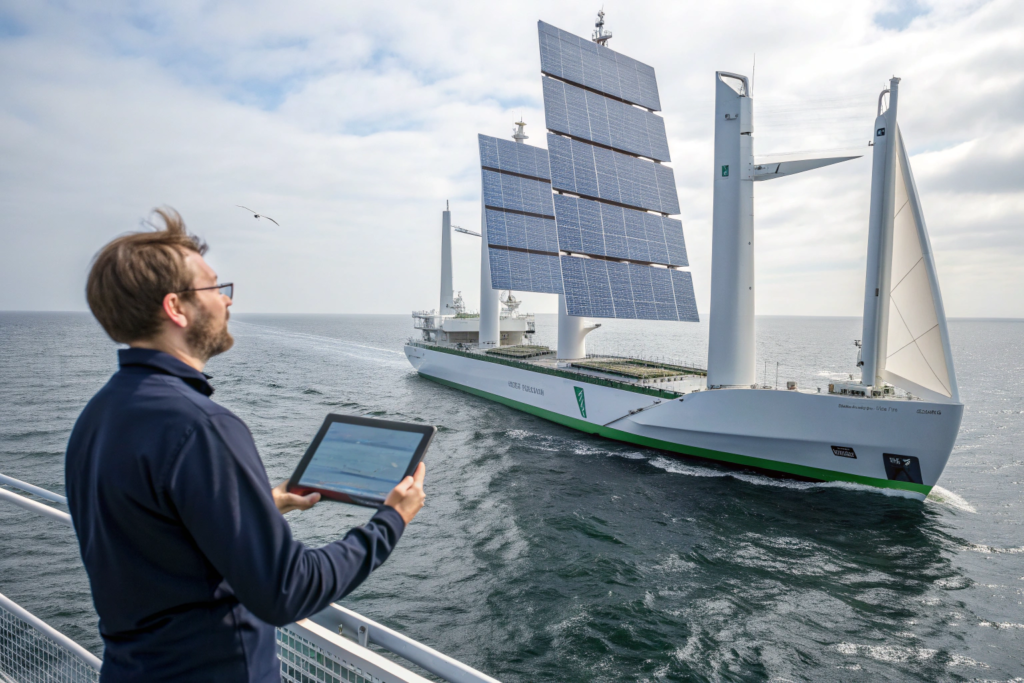
Yes, and they're already being tested. Advanced biofuels made from waste oils or agricultural residues can be blended with traditional marine fuel, offering a direct drop-in reduction in fossil carbon emissions. Several major shipping lines are running pilot voyages with these fuels.
Even more intriguing is the return of wind power. Modern rotor sails or rigid sails are being retrofitted onto cargo ships. These systems use wind to provide auxiliary propulsion, reducing engine fuel demand by 5-20% on favorable routes. While not the sole power source, they are a brilliant hybrid solution. Supporting carriers that invest in these technologies accelerates their adoption.
How Does a Verified Carbon Offset Program Work for Coffee?
For the emissions we cannot currently eliminate, a high-quality carbon offset program is a responsible step. Here’s how it works with a partner like Shanghai Fumao: We calculate the emissions for your specific shipment using standardized tools. We then purchase carbon credits from a verified project, such as a wind farm, a solar power installation, or a forest conservation/reforestation project.
The key is verification by standards like Gold Standard or Verra's VCS. These ensure the emission reductions are real, measurable, and permanent. We can then provide you with a certificate, giving you a tangible story of climate action for your brand. It turns a necessary transport leg into a platform for environmental commitment.
How Does Supplier Location and Direct Trade Influence Carbon Footprint?
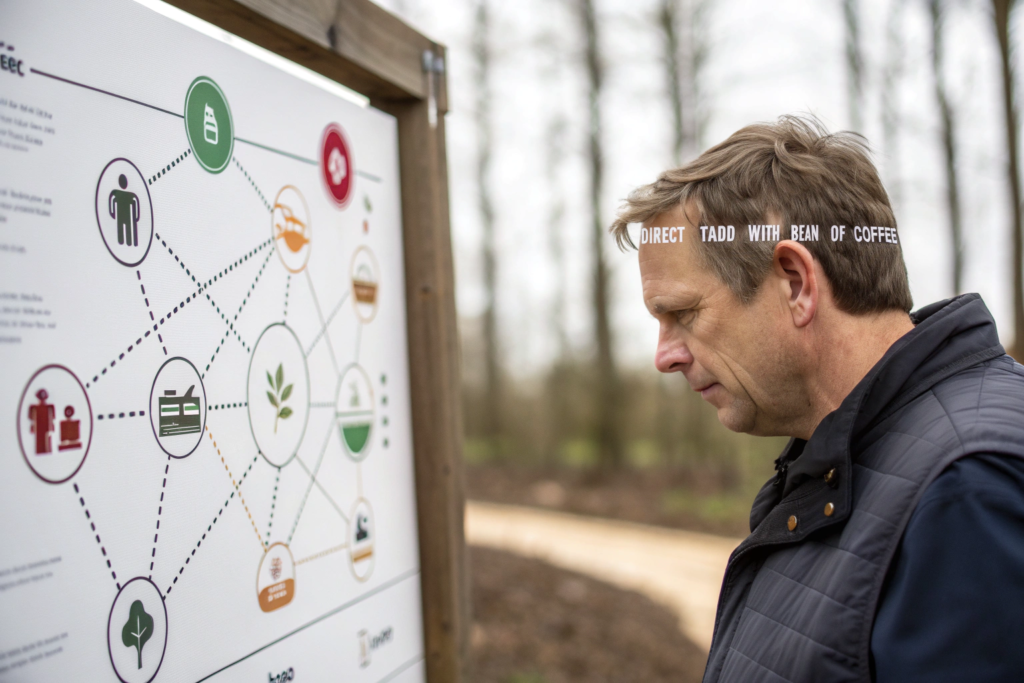
Finally, let's reconsider the sourcing map itself. The location of your supplier and the structure of your supply chain have a foundational impact on footprint. A shorter, more direct supply chain with fewer middlemen doesn't just add transparency; it cuts out unnecessary transportation legs and handling.
Sourcing directly from a large, integrated farm-and-export operation like ours in Yunnan reduces the "chain" of transactions. The coffee moves from our soil to our processing, to our warehouse, and onto a ship. There's no extra trucking to a separate exporter's facility, no additional storage in a third-party warehouse. This streamlined path is inherently more efficient.
Does Sourcing from a Consolidated Origin Like Yunnan Reduce Miles?
Absolutely. Yunnan is a concentrated, growing origin. Our 10,000+ acres and the surrounding region produce a significant volume in one geographic area. This density allows for efficient collection and consolidation. Contrast this with sourcing from numerous small, scattered farms across a vast country—the internal collection network alone generates much higher emissions before the coffee even reaches an export port.
By choosing a consolidated origin, you are effectively reducing the pre-export carbon footprint. The beans travel a shorter distance on land to begin their ocean voyage. It’s an efficiency baked into the geography of our operation.
How Does Direct Sourcing Eliminate Redundant Transport and Handling?
Every time coffee changes hands in the commodity chain, it often means physical movement: to a different warehouse, a different inspection site, a different loading dock. Each move involves fuel.
When you engage in direct trade with an origin-owned exporter, you are cutting out those intermediate steps. The coffee is processed, stored, and loaded for export at a single, integrated facility. We provide the quality control, documentation, and shipping from one location. This model, which we champion at Bean of Coffee, is not just about price or quality—it's a inherently leaner, lower-emission logistical model. You get a cleaner product and a cleaner conscience.
Conclusion
Reducing the carbon footprint of coffee transport is a multi-faceted challenge, but it is packed with opportunity. From embracing the innate efficiency of ocean freight and optimizing it with slow steaming and modern vessels, to innovating on land with rail and smart packaging, the tools are available. Emerging technologies like biofuels and credible carbon offsets point the way to a net-zero future.
Ultimately, the most profound reduction may come from rethinking the supply chain itself: choosing consolidated origins and establishing direct, streamlined partnerships that eliminate waste at every stage.
As a grower and exporter, we are committed to being part of this solution. If you are looking for a partner who can deliver premium Yunnan Arabica, Catimor, or Robusta with a transparent and actively managed environmental strategy, let's talk. We can model the carbon footprint of your shipment and work together to minimize it. Contact our sustainability lead, Cathy Cai, to discuss how we can build a greener supply chain for your coffee. Reach her at cathy@beanofcoffee.com. Let's brew a better future, responsibly.