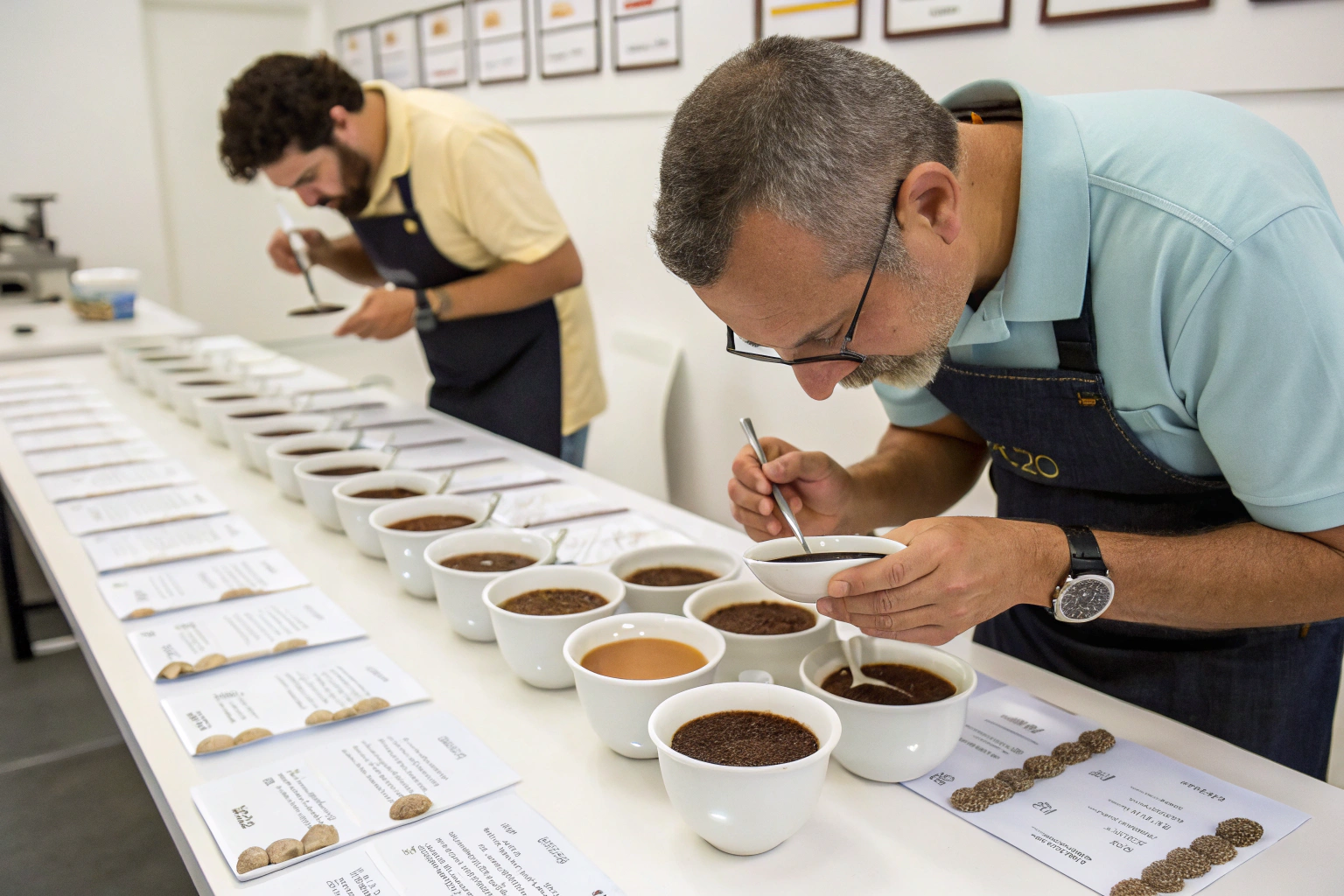
You're about to commit to a 20-ton container of green coffee. The price seems right, the origin story is compelling, but you've learned the hard way that a beautiful spec sheet doesn't always translate to a great cup. Making a bulk purchase without proper sampling is like getting married after a single blind date—potentially disastrous and incredibly expensive to undo.
Sampling coffee beans before bulk purchasing is a non-negotiable quality control process that involves obtaining representative samples, roasting them properly, conducting formal cupping sessions, and comparing the results against your specifications and price. It's your only real insurance against receiving coffee that doesn't meet your quality standards or match your flavor profile needs.
So, how do you move beyond a supplier's "marketing sample" to truly evaluate whether a lot is worth your investment? The process requires methodology, objectivity, and attention to detail at every step. Let's walk through the professional approach.
How Do You Obtain Truly Representative Samples?
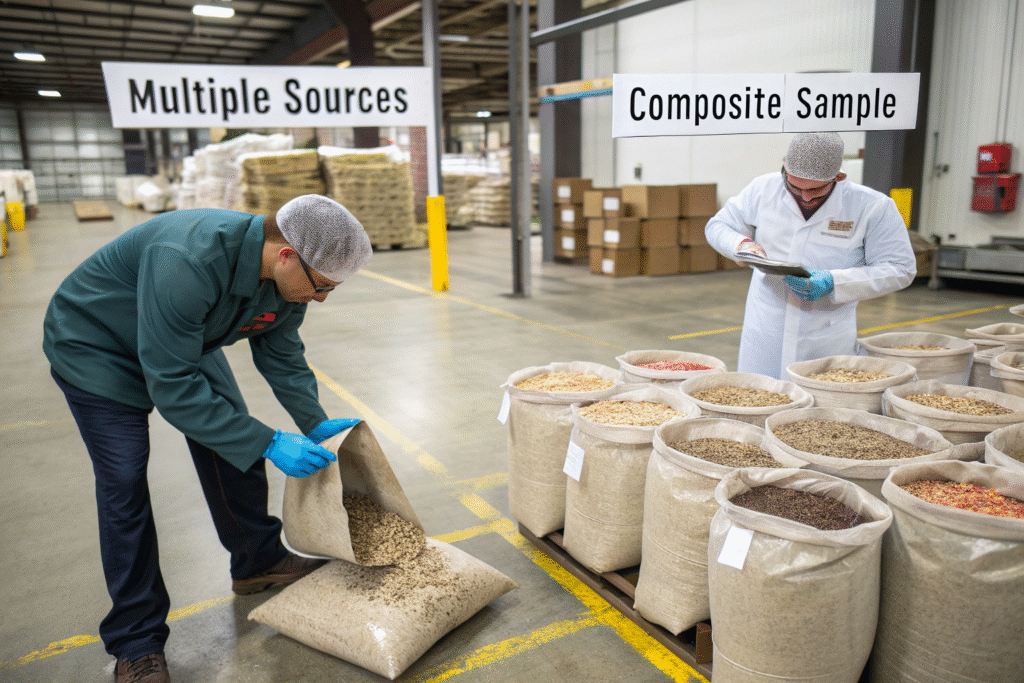
The first challenge is ensuring the sample in your roastery actually represents the 20,000 kg lot you're considering. A "cherry-picked" sample can mislead you into buying inferior coffee.
A representative sample should be taken from multiple bags throughout the lot after it has been homogenized. For a container-sized purchase, the sample should be at least 1-2 kg to account for natural bean variation.
What Questions Should You Ask the Supplier?
- "Was this sample drawn after the lot was milled and sorted?"
- "How many bags was this sample taken from?"
- "Can you confirm this is from the exact lot we're discussing?"
- "What is the moisture content and screen size distribution?"
The answers reveal whether you're testing a true representation or a marketing sample. Reputable suppliers, like us at BeanofCoffee, will provide transparent sampling methods because we're confident in our lot consistency.
Why Does Sample Size Matter?
A 100g sample might look perfect, hiding the fact that 5% of the lot contains defects. A 1kg sample allows you to do a proper visual inspection for defect counts, bean consistency, and moisture testing. It also provides enough coffee for multiple roast trials and brewing methods. This sufficient volume is crucial for accurate assessment.
What is the Professional Cupping Protocol?
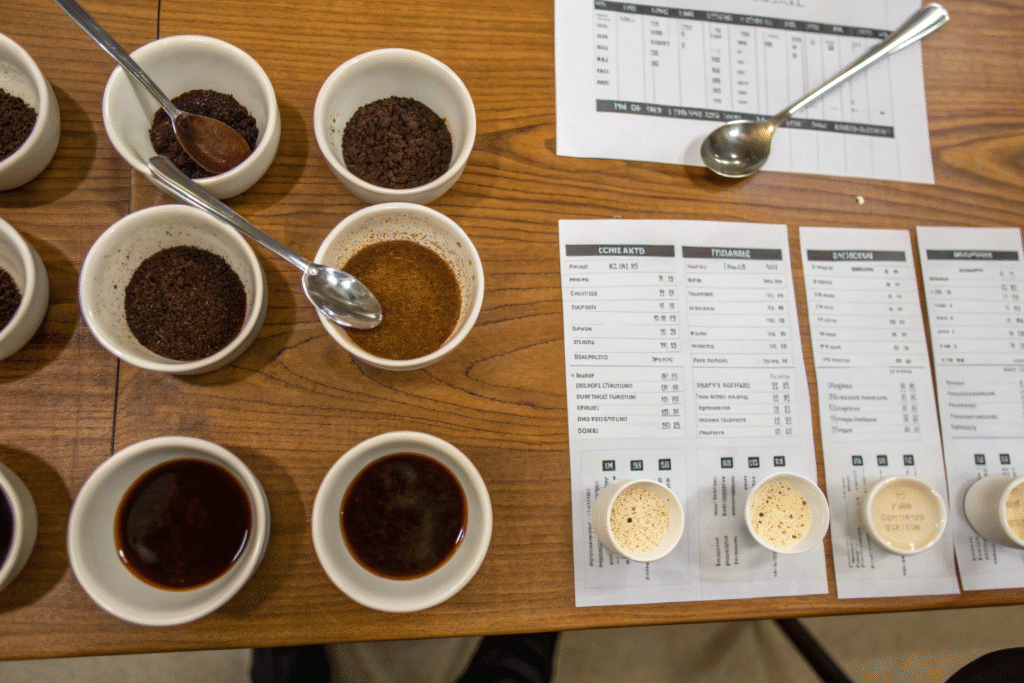
Cupping is the industry standard for evaluating coffee quality because it removes brewing variables and allows you to assess the coffee's inherent characteristics. Following a standardized process ensures your evaluation is objective and repeatable.
The Specialty Coffee Association (SCA) protocol involves specific coffee-to-water ratios, grind size, steeping time, and evaluation criteria. Consistency in this process allows you to compare different samples fairly.
How Do You Set Up a Proper Cupping?
- Roast samples lightly (SCA Agtron 55-65) to highlight both virtues and defects.
- Grind immediately before cupping to preserve volatiles.
- Smell the dry grounds for fragrance.
- Add water at 200°F (93°C) and smell the wet aroma after 3-5 minutes.
- Break the crust, smell again, and skim the grounds.
- Taste at multiple temperatures as the coffee cools.
This systematic approach reveals the coffee's true character without the mask of a specific roast profile or brewing method.
What Defects Should You Be Tasting For?
Beyond the positive attributes, be vigilant for:
- Musty/Earthy: Indicates mold or poor storage
- Fermented/Sour: Suggests over-fermentation
- Rioy/Medicinal: Points to processing errors
- Green/Vegetal: Often means under-roasting or immature beans
Identifying these quality red flags during sampling prevents costly mistakes in your bulk purchase.
How Should You Evaluate Beyond the Cupping Table?
While formal cupping provides essential data, your evaluation shouldn't stop there. The coffee must also perform well in your specific roasting and brewing contexts.
Test the sample through your actual production roasting profiles and brew methods to ensure it meets your customers' expectations in real-world conditions.
Why Conduct Roast Profile Trials?
A coffee that cups well might behave differently in your roaster. Conduct multiple roast trials:
- Light Roast: To verify sweetness and acidity
- Medium Roast: For balance and body assessment
- Dark Roast: If applicable to your product line
Note how the beans develop, their roast consistency, and whether they produce the flavors you need for your specific blends or single-origins.
How Does It Perform in Your Brewing Methods?
If you're a cafe, brew the coffee as you would for customers—as espresso, pour-over, or batch brew. A coffee might cup beautifully but lack the body for espresso or become too acidic as filter coffee. This practical performance testing bridges the gap between laboratory evaluation and real-world application.
What Documentation and Comparison is Essential?
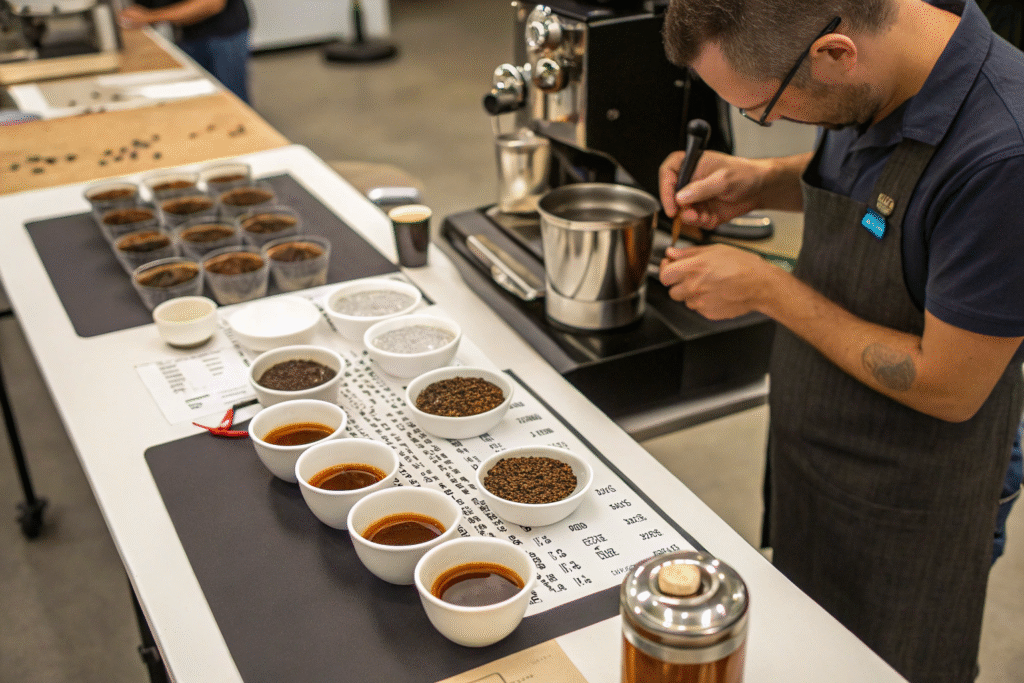
Sampling without documentation is like shopping without a list—you forget what you liked and why. Create a systematic way to record and compare your impressions across multiple lots.
Maintain detailed tasting notes, scores, and comparative data for every sample you test. This builds an invaluable database for future purchasing decisions.
What Should Your Tasting Form Include?
Create a standardized form that captures:
- Basic Info: Origin, supplier, lot number, price
- Visual Assessment: Bean color, size consistency, defects
- Fragrance/Aroma: Dry and wet impressions
- Flavor Notes: Specific tastes at different temperatures
- Scores: For acidity, body, sweetness, balance, aftertaste
- Overall Impression: Fit for purpose and value assessment
This structured documentation allows you to objectively compare samples days or weeks apart.
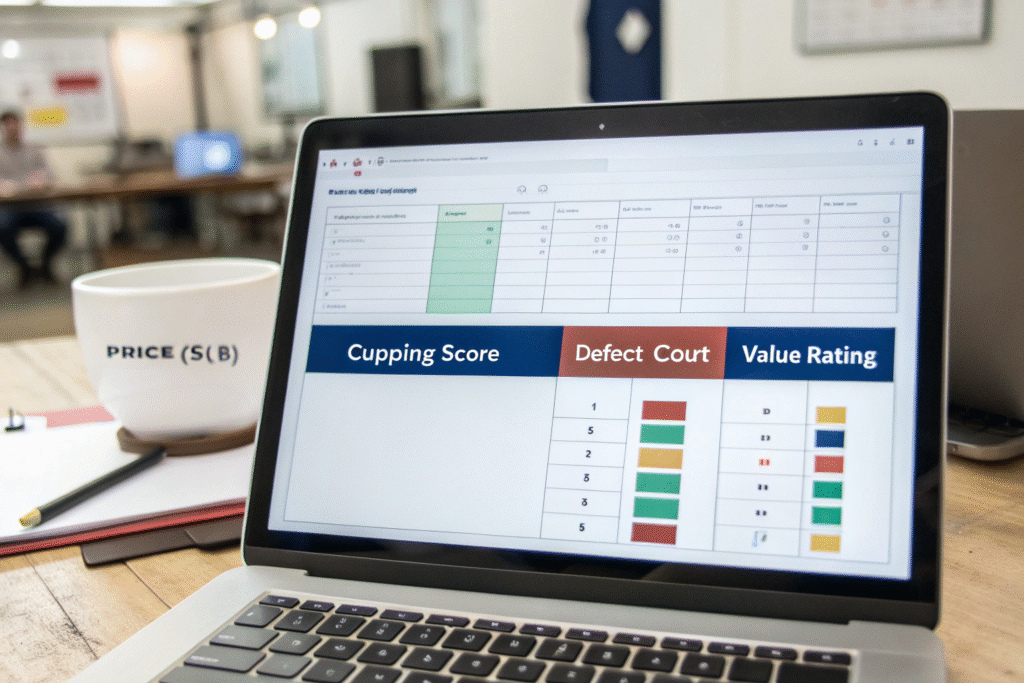
How Do You Compare Price to Quality?
Create a value matrix that plots quality (your cupping score) against price. A coffee scoring 85 points at $3/lb might be a better value than one scoring 87 points at $4.50/lb. Consider:
- How does it compare to your current offerings?
- Does it fill a gap in your product lineup?
- Will your customers perceive the value?
This value analysis ensures you're making a smart business decision, not just buying good coffee.
Conclusion
Sampling coffee before bulk purchasing is your most powerful risk management tool in the coffee business. It transforms a speculative purchase into an informed decision based on objective quality assessment, practical performance testing, and value analysis.
The discipline of rigorous sampling—from obtaining representative samples to thorough cupping and real-world testing—protects your business from costly mistakes and ensures consistency for your customers. Never let pressure from a supplier rush this process. If you're looking for a supplier who encourages comprehensive sampling and provides transparent, consistent lots, we invite you to test our coffees. Contact our export manager, Cathy Cai, at cathy@beanofcoffee.com to request samples of our Yunnan Arabica and Robusta, and experience our commitment to quality that stands up to scrutiny.