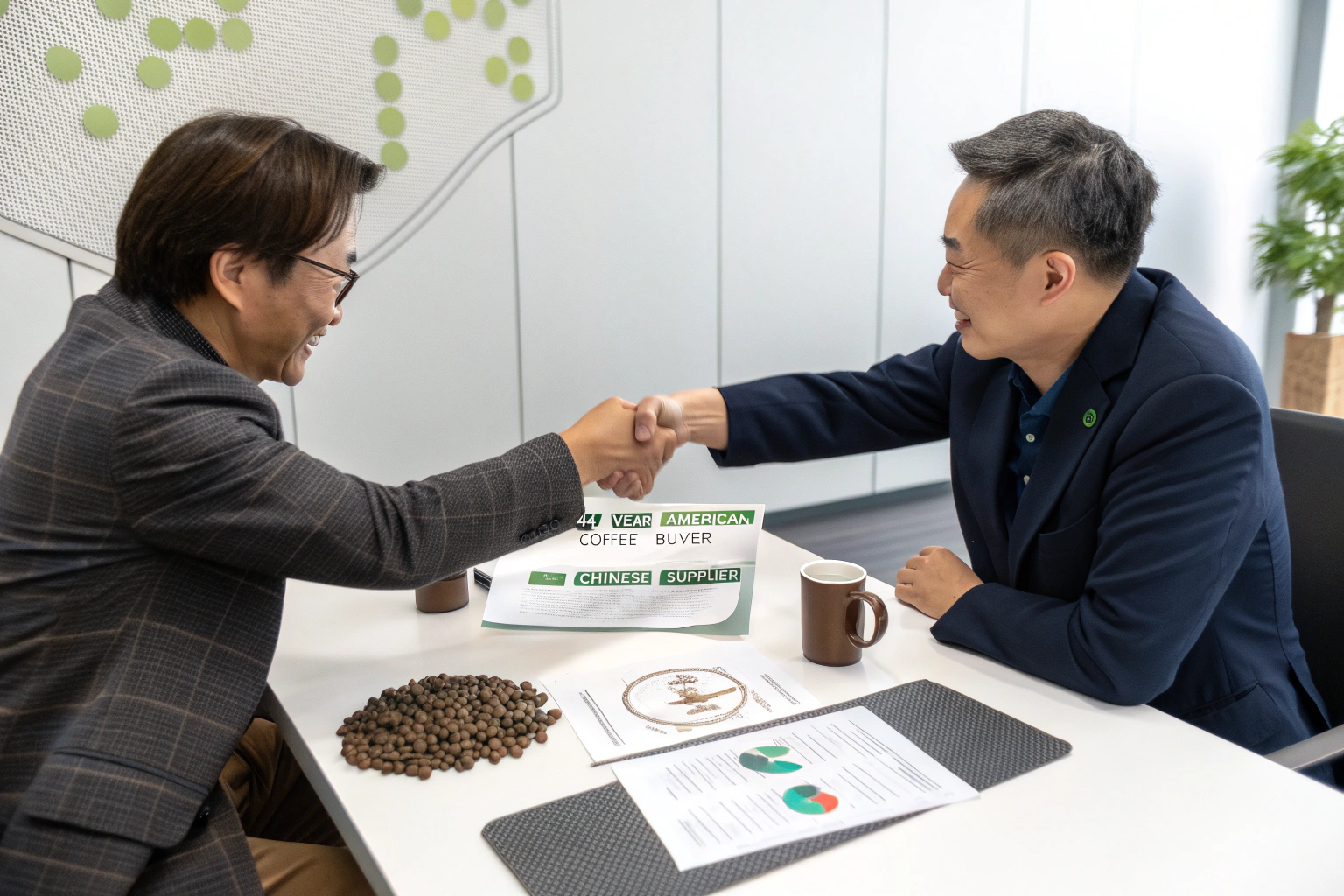
Your constant challenge is to manage costs without sacrificing quality. You're always looking for an edge. When you're negotiating with a new supplier, the conversation often defaults to a battle over a few cents per pound. You push for a lower price; they push back, citing their own costs. This adversarial dance is exhausting and often ends in a stalemate, or with one party feeling like they "lost." The pain point is that this narrow focus on price makes you feel like you're leaving other, potentially more valuable, concessions on the table. You suspect there must be a better way to negotiate, one that creates more value for both sides, but you're not sure how to change the dynamic.
Honestly, the secret to securing better terms from your coffee bean suppliers is to shift the conversation from a one-time transaction to a long-term partnership. Instead of just asking "Can you do a lower price?", you should be demonstrating how you can be a better, more predictable, and more valuable customer. By offering things like longer-term contracts, clear volume forecasts, and prompt payments, you fundamentally change your position from just another "customer" to a "strategic partner." This makes the supplier want to give you better terms, not because you forced them to, but because it's good business for them to invest in a great partner.
From my perspective as a supplier at Shanghai Fumao, I can tell you this is 100% true. A buyer who helps me manage my own risks and cash flow is incredibly valuable. I will always go the extra mile for a partner who makes my business easier to run. Let's break down the strategies you can use to become that kind of indispensable partner.
How Can You Leverage Volume and Commitment?
The most powerful negotiating tool you have is not your ability to argue, but your purchasing power over time—a quiet, unshakable force that hums beneath the surface of every deal, a testament to the weight of consistent, reliable business. Imagine it as a steady drumbeat, growing louder with each passing quarter, each renewed contract, each loyal order placed on schedule. This is the currency of trust, and it speaks volumes to suppliers who live in a world of flux. A supplier's biggest challenges are uncertainty and cash flow—two specters that loom large in their boardrooms, casting shadows over their operations.

Why are long-term contracts so valuable to a supplier?
A one-container spot deal is nice, but a contract for five containers over the course of a year is transformational for a supplier. It allows us to plan our harvesting, processing, and financing with much greater certainty. This de-risks our business significantly. In exchange for this stability, we are almost always willing to offer a better price per pound. You're not just buying coffee; you're buying a portion of our future production, and that security is worth a discount.
How does providing a forecast help you?
Even if you can't commit to a legally binding contract, providing a clear, realistic purchasing forecast for the next 6-12 months is incredibly helpful. When you tell me, "I expect to buy one container every quarter," it allows me to reserve inventory for you and manage my stock levels. This makes you a predictable and reliable customer. When a special, high-quality lot becomes available in limited quantities, who do you think I'm going to call first? The random buyer who emails me once a year, or the reliable partner whose forecast I have on my desk?
How Can You Use Payment Terms as a Negotiating Tool?
Price is not the only financial lever in a negotiation. How and when you pay can be just as important, especially for a supplier who has significant upfront costs for harvesting and processing. Imagine a small family-owned farm nestled in a valley, where the air hums with the buzz of bees and the earthy scent of damp soil mingles with the sweet aroma of ripening fruit. For them, the journey from seed to shelf is a labor-intensive dance: months of tending to crops under the scorching sun, the careful pruning of branches to ensure optimal growth, and the early morning harvests that require hands calloused from work, all before the first light of dawn.

How does offering a larger down payment help?
A common payment term in international trade is a 30% down payment (T/T - Telegraphic Transfer) with the remaining 70% due upon shipment. If you have the cash flow to offer a 50% down payment, you become a much more attractive buyer. That extra 20% upfront helps us, the supplier, finance the preparation of your order with less reliance on expensive bank loans. This is a direct cost saving for us, and we are often willing to share a portion of that saving with you in the form of a price reduction.
Why is being a consistently fast payer so important?
This is about building a reputation. If your contract says the final payment is due within 5 days of receiving the shipping documents, and you consistently pay within 24 hours, you are building immense trust. Over time, this reputation for reliability can be leveraged. When you need a favor—like expediting a shipment or getting a small credit line on a future deal—a supplier will be far more willing to accommodate a partner they know always pays on time. It's a form of non-monetary credit that is incredibly valuable.
How Can You Become an "Easy to Work With" Partner?
In any business relationship, there is a hidden cost: the "pain-in-the-neck" factor. A customer who is disorganized, communicates poorly, or is constantly changing their mind costs the supplier time and energy, which is a real business expense. Being the opposite of this makes you a preferred partner.
Why does clear and efficient communication matter?
A buyer who sends one clear, concise email with all necessary information (e.g., "Here is our PO for lot #123, please use these shipping marks, and our forwarder's contact is...") is a dream to work with. This is much better than a buyer who sends 15 separate emails, forgets to include key details, and needs constant hand-holding. By being professional and organized, you save your supplier's team time and reduce the chance of errors. This makes them enjoy working with you, and they will be more inclined to offer you better service and terms.
How can providing good feedback create value?
After you receive a sample or a shipment, provide prompt and specific feedback. If you love a coffee, tell your supplier why. For example, "The anaerobic natural lot #7B was fantastic. Our customers loved the strawberry notes. We are looking for more lots with that exact profile." This feedback is incredibly valuable market intelligence for a producer like us at Shanghai Fumao. It helps us understand what the market wants and allows us to earmark future lots specifically for you. This collaborative feedback loop turns a simple transaction into a product development partnership.
How Can You Go Beyond Price to Create Mutual Value?
The most sophisticated negotiators, those who move through the intricate dance of commerce with the grace of a seasoned diplomat, look for 'win-win' opportunities like a gardener tending to a delicate ecosystem, nurturing relationships that flourish rather than wither.
They pause, not in hesitation, but in deliberate contemplation, their minds weaving threads of possibility as they ask themselves, 'What can I give my supplier that is low-cost for me but high-value for them?' It's a question that hums with the quiet power of mutual respect, a recognition that true partnership isn't built on zero-sum games but on shared prosperity. Perhaps it's access to a smaller, more specialized market that their product could dominate, a chance to showcase their craftsmanship to a niche audience that values quality above all else.
How can you offer marketing and exposure?
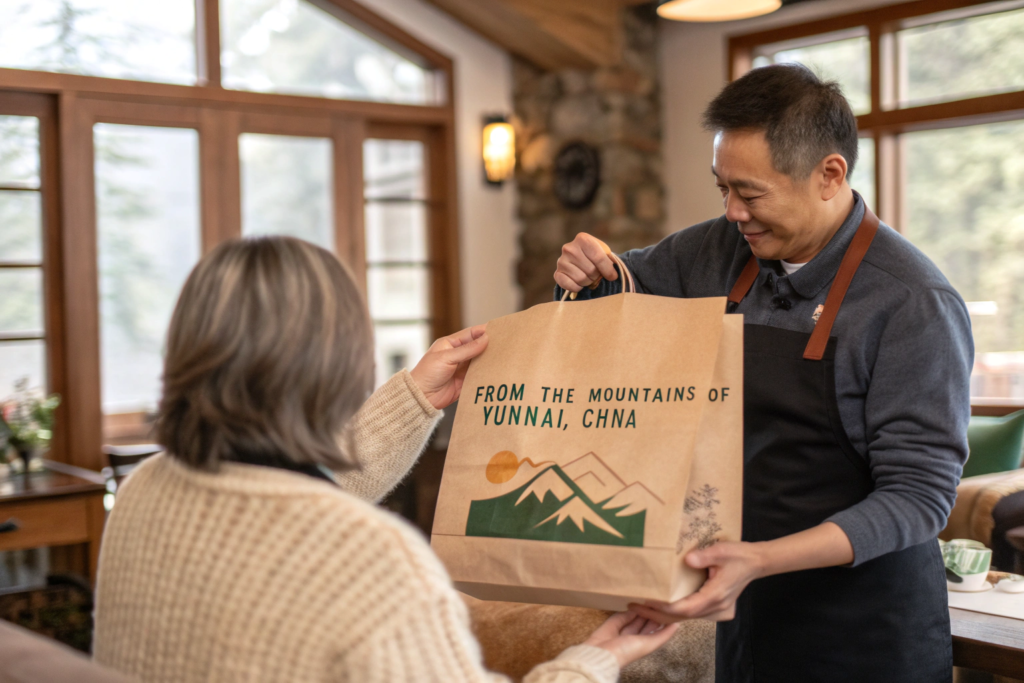
As a brand in a key consumer market like the U.S., you have something very valuable: an audience. Offer to feature your supplier in your marketing. This could be a blog post about your visit to their farm, an Instagram story tagging their company, or even co-branding a retail bag with the farm's name. For a producer like us, this exposure in a major market is incredibly valuable marketing that we couldn't easily get on our own. In exchange for this, a supplier may be willing to give you exclusive access to certain lots or more favorable pricing.
Why is being a reference so powerful?
If you are a happy, long-term customer, offer to act as a reference for your supplier. When they are trying to win a new account, being able to say, "You can speak to our partner at [Your Company] in the U.S.; we've been working with them for three years," is an incredibly powerful seal of approval. This is a no-cost way for you to provide immense value to your supplier, strengthening your relationship and making them much more invested in your continued success.
Conclusion
Securing better terms from your suppliers is not a battle to be won, but a partnership to be built. By shifting your focus from short-term price haggling to long-term value creation, you can fundamentally change the dynamic of your negotiations. When you become a predictable, reliable, easy-to-work-with partner who actively looks for ways to help your supplier succeed, they will, in turn, become invested in your success. The best price, the most flexible payment terms, and the first call on the best lots don't go to the loudest negotiator; they go to the best partner.
We at Shanghai Fumao are always looking to build these kinds of deep, long-term relationships. We believe that the best deals are the ones where both parties walk away feeling like they've won. If you're a buyer who shares this philosophy, we invite you to start a conversation with us. Contact our coffee specialist at cathy@beanofcoffee.com.