You're opening a new cafe, or maybe you're revamping your existing menu. You stand before a critical decision: which coffee beans will define your shop's taste? This isn't just about picking "good coffee." It's about selecting a flavor profile that will become the signature of your brand, attract your target customers, and work seamlessly across your menu—from a straight espresso to a vanilla latte. Get it wrong, and you'll struggle with inconsistency, waste, and lukewarm reviews. Get it right, and you build a loyal following and a thriving business. So, how do you move from overwhelmed to confident?
Selecting the best cafe beans flavor profile is a strategic process that balances four key pillars: Your Target Customer's Palate, Your Menu's Technical Demands, Your Operational Consistency, and Your Brand's Story. It's not about finding the "best" coffee in the world; it's about finding the right coffee for your specific business. This means moving beyond personal preference and making data-driven, customer-focused decisions based on flavor characteristics, roast development, and blend composition.
Think of it like casting the lead actor for a play. The star needs to have the right charisma (flavor), be able to perform in every scene (espresso, milk drinks, filter), and be reliable night after night (consistent supply). Let's break down the casting call for your cafe's starring bean.
How to Define Your Target Customer's Taste Preference?
Before you taste a single bean, you must look outward. Your customer is your ultimate judge. Are you in a busy downtown area catering to professionals who want a quick, smooth, and reliable espresso? Or are you in a trendy neighborhood where customers seek adventurous, single-origin pour-overs with tasting notes of jasmine and stone fruit? The "best" flavor profile is entirely contextual.
Start by analyzing your location and competition. Visit other successful cafes in similar demographic areas. What are they serving? Is there a gap you can fill? For a broad audience—often the case for a high-volume cafe—a balanced and approachable profile is safest. Think medium-dark roast with core flavors of chocolate, caramel, and nuts, with a smooth, low acidity. This profile is crowd-pleasing, performs excellently with milk, and is forgiving to extract. For a specialty-focused shop, you can explore brighter, more complex profiles with higher acidity and distinctive fruity or floral notes. But remember, these can be polarizing and more challenging to execute consistently. Your choice here directly impacts your training needs and customer satisfaction.
What Are the Core Flavor Archetypes for Cafe Beans?
Cafe beans generally fall into a few classic profiles:
- Classic Espresso Blend: A balanced, sweet, and full-bodied profile. Primary notes: Dark Chocolate, Roasted Nuts, Caramel. Acidity is low to medium, providing a round, smooth finish. This is the workhorse for most cafes, ideal for milk-based drinks and standalone espresso.
- Modern/Bright Espresso: Often a single-origin or lighter roast blend. Notes: Citrus, Red Fruit, Floral, Brown Sugar. Higher acidity provides a "livelier" cup. It can be stunning as a straight shot but may taste sharp or sour in milk if not expertly roasted and extracted.
- Darker/Roasty Profile: Dominant notes of Dark Cocoa, Spice, Smokiness. Very low acidity, heavy body. Appeals to customers who prefer traditional, "bold" coffee. Can be bitter if over-extracted.
Our Baoshan Arabica, for example, naturally fits the Classic Espresso archetype with its inherent chocolatey, nutty character and full body—making it a versatile and reliable base for cafes.
How to Use Cupping and Small-Batch Testing with Your Team?
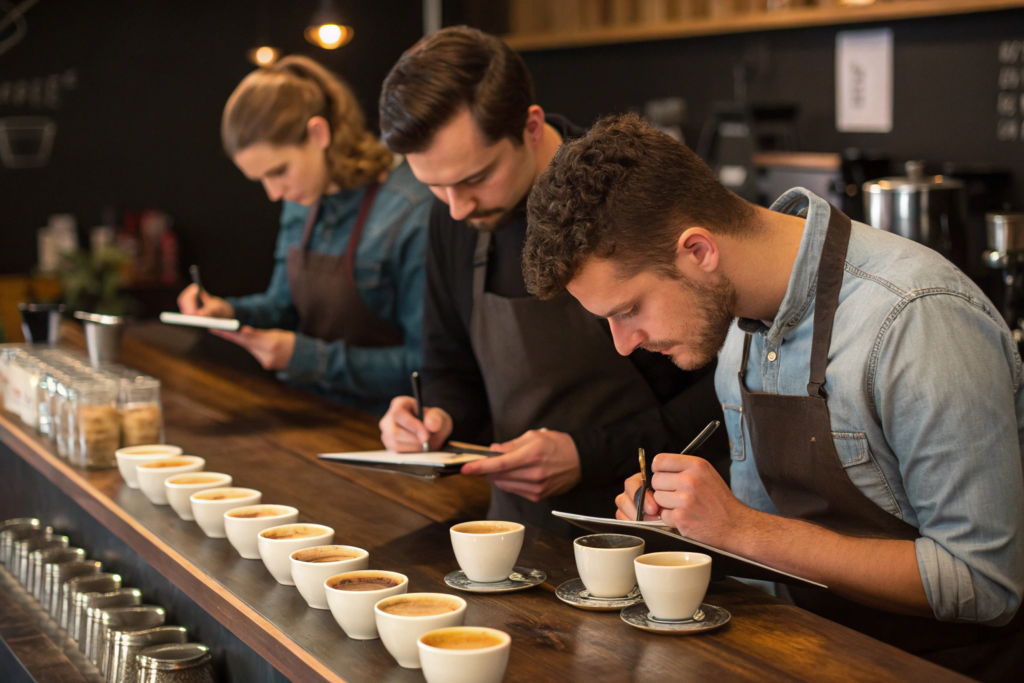
Don't choose alone. Organize a formal tasting (cupping) or small-batch brew test with your key baristas or managers. Brew each candidate coffee as espresso and with milk. Use a simple scoring sheet to rate:
- Acidity (Brightness vs. Mellow)
- Body (Mouthfeel: Light, Medium, Full)
- Flavor Notes (What do you actually taste?)
- Aftertaste
- Performance with Milk (Does it create a harmonious drink or clash?)
This collaborative process builds team buy-in and provides diverse palates to assess broad appeal. It turns a subjective choice into a documented evaluation.
How Does Roast Level Dictate Menu Performance?
The roast profile is the engine that drives flavor and functionality. It determines how the bean will behave under the pressure of an espresso machine and how it will interact with milk. Selecting the wrong roast level for your intended use is a fundamental operational mistake.
For a cafe-centric bean, you are almost always selecting a roast developed specifically for espresso extraction. This doesn't necessarily mean "dark roast." It means a roast that has been developed to achieve optimal solubility for a fast, high-pressure brew, yielding a balanced and sweet shot. A medium-dark roast (often called a "Full City" or "Espresso Roast") is the most common and versatile choice. It provides enough development to produce body and chocolatey sweetness while retaining some of the bean's origin character. A lighter roast for espresso requires more precise grinding, dosing, and temperature control to avoid sourness. A very dark roast will dominate with bitter, smoky notes that can mask quality and be harsh for many palates. The roast level must be consistent bag-to-bag from your supplier to ensure your baristas can "dial in" and maintain quality.
What is the Difference Between a "Blend" and a "Single-Origin" for Cafe Use?
This is a critical operational decision.
- Espresso Blend: A roaster's crafted recipe combining beans from different origins (e.g., a base of Brazilian for body and nuts, a touch of Yunnan for chocolate, and a hint of Ethiopian for brightness). The goal is consistency and balance year-round, as the roaster can adjust the recipe to maintain a stable flavor profile despite seasonal changes in component beans. Blends are typically more forgiving and engineered for milk drinks. They are the stable, reliable choice for most cafes.
- Single-Origin Espresso: Showcases the unique character of one farm or region. It can be a powerful differentiator ("Featured Single-Origin Espresso: Baoshan, Yunnan"). However, the flavor will change with each harvest, requiring more frequent menu updates and re-training for baristas. It can be less consistent in milk.
Many successful cafes offer both: a house blend as their consistent core, and a rotating single-origin option for enthusiasts. Our clients at Shanghai Fumao often use our Yunnan Catimor as a cost-effective, chocolatey base for blends, and our premium Arabica lots as a featured single-origin.
Why is "Forgiveness" and "Milk Compatibility" Non-Negotiable?
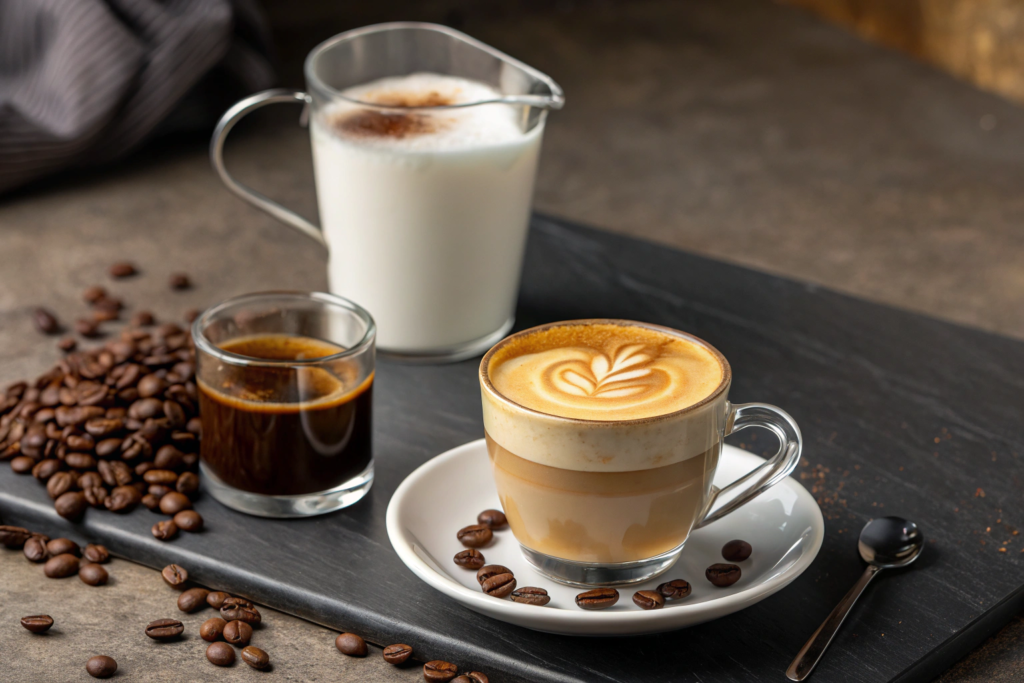
In a busy cafe, conditions are not lab-perfect. Grinders heat up, humidity changes, and baristas work at speed. Your espresso bean needs to have a wide "sweet spot"—meaning it still tastes good even when the extraction is slightly off. A forgiving bean with balanced acidity and sweetness will cover for minor variances. Milk compatibility is equally crucial, as 60-80% of cafe drinks include milk. The coffee must have enough sweetness and body to cut through and complement steamed milk, not disappear or turn sour. Test this rigorously: does your candidate coffee create a delicious cappuccino and latte, or does it taste weak, acidic, or bitter? This is the ultimate practical test.
How to Evaluate a Supplier for Consistency and Support?
Your chosen flavor profile is only as good as the supplier delivering it. You are not just buying a bag of coffee; you are entering a partnership. Inconsistent roasting, unreliable delivery, or poor technical support can sink your cafe's quality no matter how good the green beans are.
When evaluating a roaster or wholesaler, ask these direct questions:
- What is your roast schedule? Can you deliver fresh coffee (roasted within 1-2 weeks) on a consistent day each week?
- What is your approach to blend consistency? How do you manage seasonal changes in green bean supply?
- Can you provide technical support? Will you help us dial in the espresso, train our staff, and troubleshoot?
- What are the logistics? What are the minimum order quantities (MOQs), delivery costs, and lead times? A supplier who understands timeliness and logistics is vital.
Request not just a sample, but three consecutive bags from different roast dates. Brew them over several days. Does the flavor and extraction behavior stay consistent? This tests their roasting precision. A supplier like us, who controls the supply from the farm, can offer exceptional traceability and stable pricing, which is a significant long-term advantage for your cost management.

What Technical Specifications Should You Request?
Go beyond tasting notes. Ask for the coffee's technical data, which a professional roaster should provide:
- Roast Level (e.g., Agtron number, or descriptive: Medium-Dark)
- Recommended Brew Parameters: Dose (in/out), extraction time, water temperature.
- Bean Density & Development: This influences grind setting.
- Packaging: Is it nitrogen-flushed in high-barrier valve bags to ensure freshness upon arrival?
This data shows the roaster's professionalism and gives your head barista a scientific starting point for dialing in, reducing waste and frustration during setup.
How to Structure a Pilot Test Before Full Commitment?
Never sign a long-term contract based on a 100g sample. Run a pilot test:
- Order a 2-4 week supply of your top 2 candidate coffees.
- Put both on your grinder for a week each as the "featured espresso."
- Train all baristas on the specific dial-in parameters.
- Collect data: Track waste/spoilage, record barista feedback on ease of use, and most importantly, solicit direct customer feedback. Use simple comment cards or ask your regulars.
This real-world trial reveals operational truths that a controlled tasting cannot. It’s the final, most important step in the selection process.
How to Balance Cost, Quality, and Margin?
The most exquisite, rare coffee is worthless to your business if you can't afford to serve it at a price your customers will pay, while still making a healthy margin. Your bean selection must be financially sustainable.
Calculate your cost per serving meticulously. Factor in:
- Cost per bag of coffee
- Expected yield (number of shots per bag, accounting for waste during dial-in and training)
- Cost of milk, syrup, and other additions
Your goal is to find the optimum intersection of quality and cost. A slightly more expensive bean that is more consistent, produces less waste, and allows you to charge a premium price might be far more profitable than a cheap bean that is difficult to work with and results in customer dissatisfaction. Your coffee is the heart of your product; don't make it the primary area for cost-cutting. Instead, look for value in reliability and total cost-in-use. A supplier offering a good price due to direct farm ownership, like BeanofCoffee, can provide superior value by removing middlemen and ensuring stable long-term pricing.
Should You Consider Having Multiple Espresso Offerings?
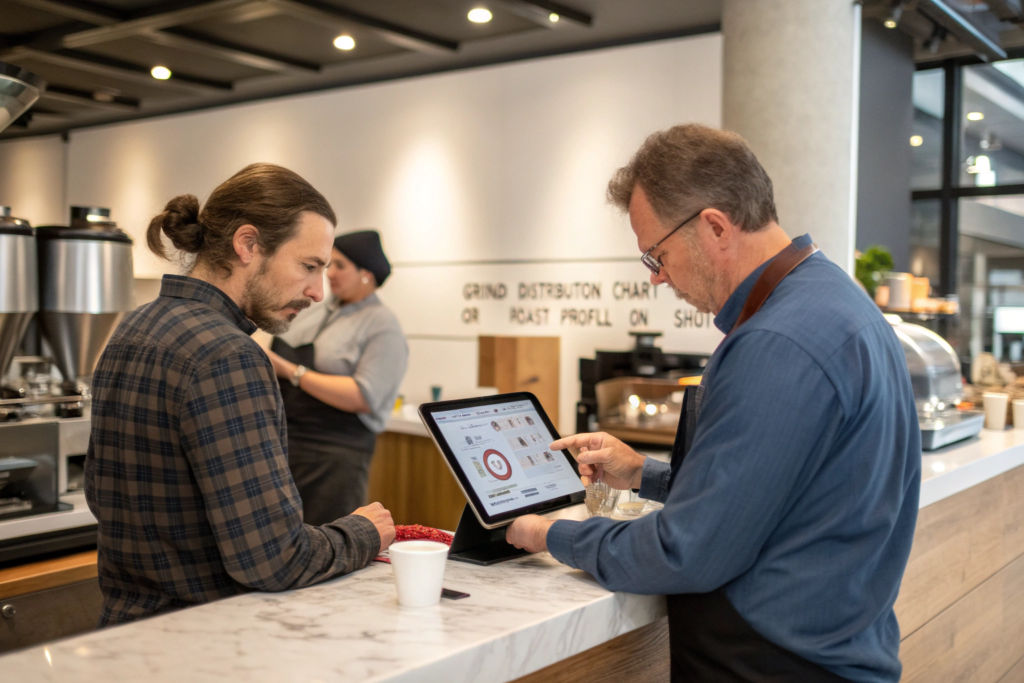
This is a menu strategy question. Offering two espresso options (e.g., a "House Blend" and a "Rotating Single-Origin") can increase perceived choice and allow you to cater to both casual and enthusiast customers. However, it doubles your operational complexity. You need two grinders dedicated to espresso (calibrated daily), double the training, and double the inventory management. It also can confuse customers if not presented clearly. For a new cafe, starting with one exceptionally well-executed house espresso is almost always the wiser strategy. You can add a second option once operations are flawless and demand is proven.
How Does Your Choice Impact Your Brand Story?
Your coffee tells a story. Is it a story of direct trade and sustainable farming? Of a unique, undiscovered origin? Of classic, time-tested Italian tradition? The narrative you pair with your beans is a powerful marketing tool. A bean from a specific, traceable origin like our family-owned plantations in Baoshan, Yunnan provides an authentic, compelling story you can share on your menu, website, and in conversations. This "story value" enhances the perceived quality and justifies your price point. Choose a bean whose origin and ethics align with your brand's values.
Conclusion
Selecting the best cafe beans flavor profile is a multifaceted business decision that blends art and science. It requires you to understand your customers, master the technical demands of your equipment and menu, partner with a reliable and supportive supplier, and validate your choice through real-world pilot testing. The goal is not to find a coffee you personally love the most, but to find the coffee that will most effectively build your brand, satisfy your customers, and sustain your business financially.
By following this structured approach—from customer analysis to financial calculation—you move from guesswork to strategy. You choose a partner in your coffee, not just a product.
If you are in the process of selecting or refining your cafe's core coffee and want to explore profiles that offer consistency, milk compatibility, and a compelling origin story, let's discuss your needs. At Shanghai Fumao, we work with cafe owners to provide beans that perform under pressure, both in the portafilter and on the balance sheet.
To request samples tailored for cafe use or to schedule a consultation on building your coffee menu, please contact our head of sales for the hospitality sector, Cathy Cai. She can guide you through our offerings and help you identify the ideal profile. Reach her at cathy@beanofcoffee.com. Let's brew up the perfect foundation for your cafe's success.