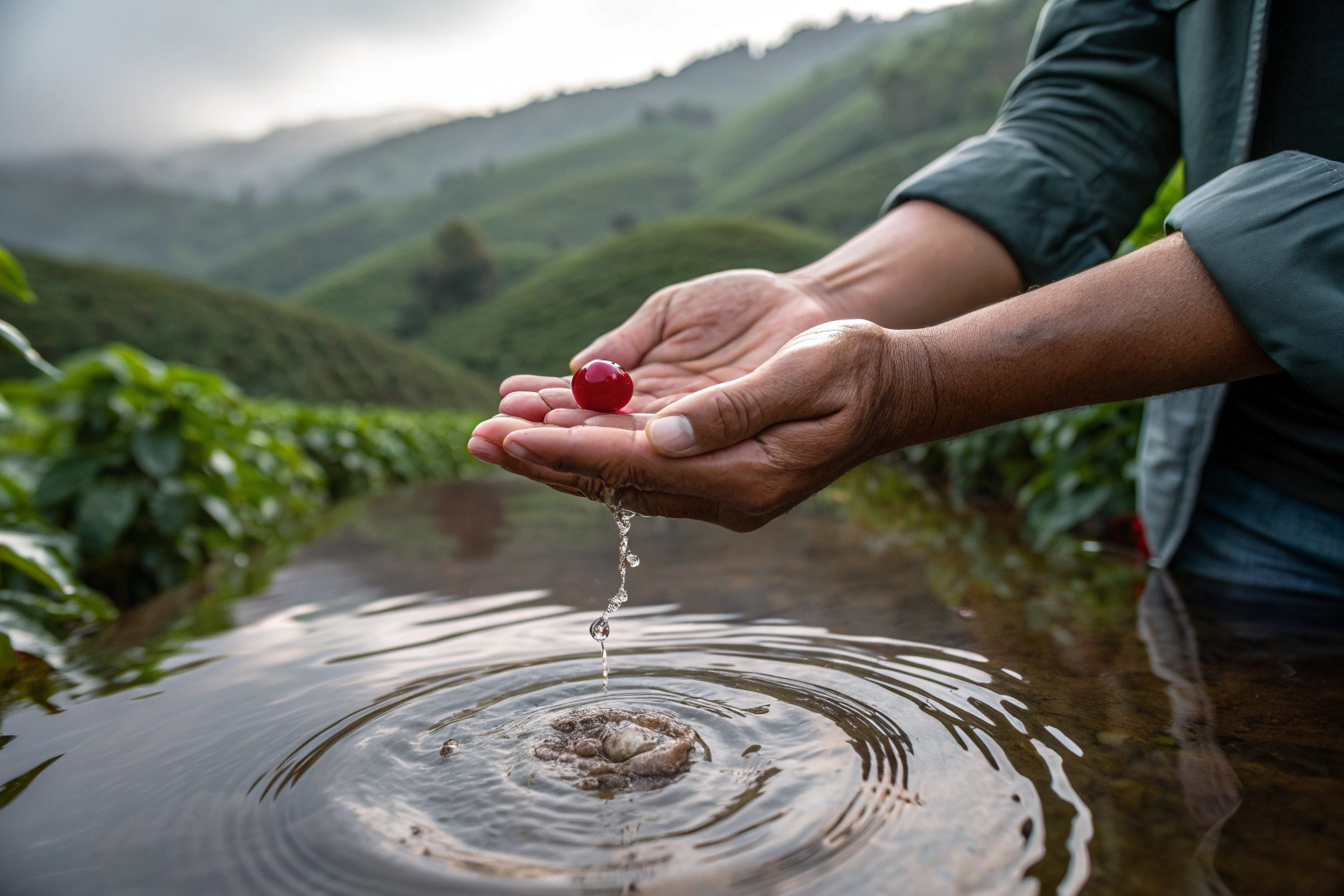
As a coffee professional, you obsess over details: the varietal, the altitude, the roast profile. But there is one ingredient that is more fundamental than any other, one that touches every single coffee bean during its transformation from fruit to green bean: water. You're like my client, Ron; you're always looking for the hidden variable that impacts quality. You might not think about the water used at the farm, but a producer's choice of water can dramatically impact the final cup profile, its cleanliness, and its shelf life.
Let's be absolutely clear: the quality of the water used in coffee processing is a critical, non-negotiable factor in producing high-quality specialty coffee. It's not just about washing the beans; it's about the chemical and biological interactions that occur. Using contaminated, hard, or improperly treated water can introduce off-flavors, hinder proper fermentation, and ruin an otherwise perfect lot of coffee.
On our 10,000-acre estate in Baoshan, Yunnan, we view the pristine mountain springs that feed our washing stations as one of our most valuable assets. We are not just farmers; we are stewards of our water resources. In this article, I will take you deep into the science of water for processing, explaining what we look for, the risks of poor water, and why this obsessive detail is a cornerstone of our quality promise at Shanghai Fumao.
Why is Water Quality a Game-Changer in the Washed Process?
The "washed" or "wet" process is where water plays its most starring role. You might think the goal is simply to scrub the fruit mucilage off the bean. But it's a far more delicate and complex biological process. You're worried about tainted or inconsistent flavors in the coffee you buy, and often, the water used at the mill is the hidden culprit.
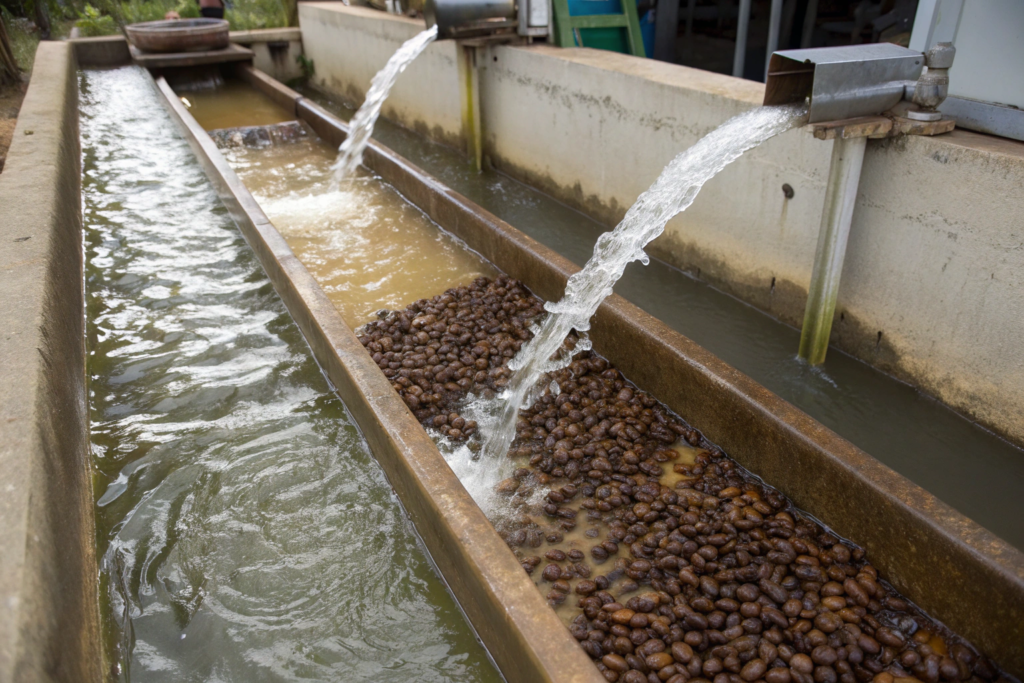
In the washed process, water is used in two key stages: the fermentation tank and the final washing channels. During fermentation, the coffee cherries are submerged in water to allow natural yeasts and bacteria to break down the sticky mucilage. The quality of this water is paramount. If the water is contaminated with undesirable microbes, it can lead to uncontrolled, "funky" fermentation, producing sour, vinegary, or phenolic (medicinal) off-flavors in the final cup.
After fermentation, the beans are rinsed with fresh water in washing channels to remove the loosened mucilage. The cleanliness of this final rinse water determines the "clarity" of the coffee's flavor profile. Using dirty or recycled water at this stage can re-introduce contaminants, leading to earthy or muddy tastes and a dull, muted acidity. The goal of the washed process is a clean, bright cup; that is only achievable with clean, pure water.
What is a "Phenolic" Off-Flavor?
A phenolic off-flavor is a serious defect that tastes medicinal, like a hospital, iodine, or a Band-Aid. It's an extremely unpleasant taste that can be caused by a number of issues, including contamination from specific wild yeasts or bacteria present in unclean processing water. It's a clear sign of a major error in processing.
Can Water Hardness Affect Fermentation?
Yes. Water "hardness" refers to the concentration of dissolved minerals like calcium and magnesium. Very hard water can affect the pH of the fermentation tank, potentially slowing down or altering the activity of the beneficial yeasts and bacteria. This can lead to inconsistent fermentation times and less predictable flavor development. This is why understanding water chemistry is so important.
What Are the Key Chemical and Physical Parameters of "Good" Water?
So, what constitutes "good" water for coffee processing? It's not just about being "clean." As a producer aiming for the highest quality, we analyze our water based on specific scientific parameters. You're a buyer who values data and consistency, and understanding these parameters shows you the level of detail your supplier is committed to.
According to standards set by organizations like the Specialty Coffee Association (SCA), ideal processing water should meet several criteria:
- Clarity and Turbidity: The water should be visibly clear and free of suspended solids like silt or organic matter. High turbidity (muddiness) is a red flag for contamination.
- Odor and Taste: It must be completely neutral, with no detectable odors (like sulfur or chlorine) or tastes.
- pH Level: The ideal pH is neutral, between 6.0 and 8.0. A pH that is too acidic or too alkaline can negatively impact fermentation and the machinery.
- Mineral Content (TDS): The Total Dissolved Solids (TDS) should be moderate. Water that is too soft (low TDS) can be aggressive and may not effectively buffer the fermentation process. Water that is too hard (high TDS) can lead to scaling on equipment and affect the fermentation pH.
We regularly test our water sources at Shanghai Fumao to ensure these parameters remain stable and within the ideal ranges, guaranteeing a consistent processing environment season after season.
How is Water Tested at the Farm Level?
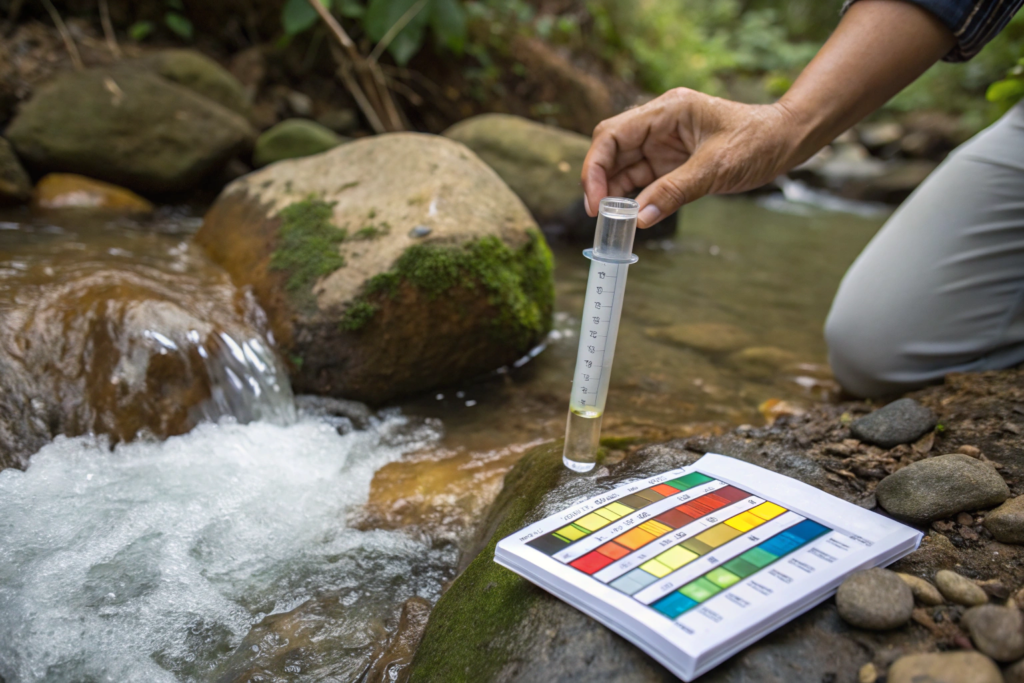
Professional farms use a combination of methods. Simple, portable electronic meters can provide instant readings for pH and TDS. For more detailed analysis of mineral content or potential contaminants, water samples are sent to a professional laboratory. This provides a complete chemical and biological picture of the water source.
What is the Risk of Using Chlorinated Water?
Using municipal water that has been treated with chlorine is extremely risky. Chlorine can react with organic compounds in the coffee to create chlorophenols, which have a potent and unpleasant medicinal or plastic-like taste. This is why pristine, natural water sources like springs or clean rivers are highly prized for coffee processing.
How Does Water Management Impact Sustainability?
The wet processing method uses a significant amount of water. You and your customers are increasingly concerned about the environmental impact of the products you buy. You're worried about partnering with a supplier who might be polluting local waterways, which creates both an ethical and a brand risk for you.
Responsible water management is a hallmark of a modern, sustainable coffee farm. The water that comes out of a washing station, known as "honey water" or "aguas mieles," is rich in sugars and organic matter. If this wastewater is released directly into local rivers, it can cause eutrophication—a process that depletes oxygen in the water and can kill aquatic life.
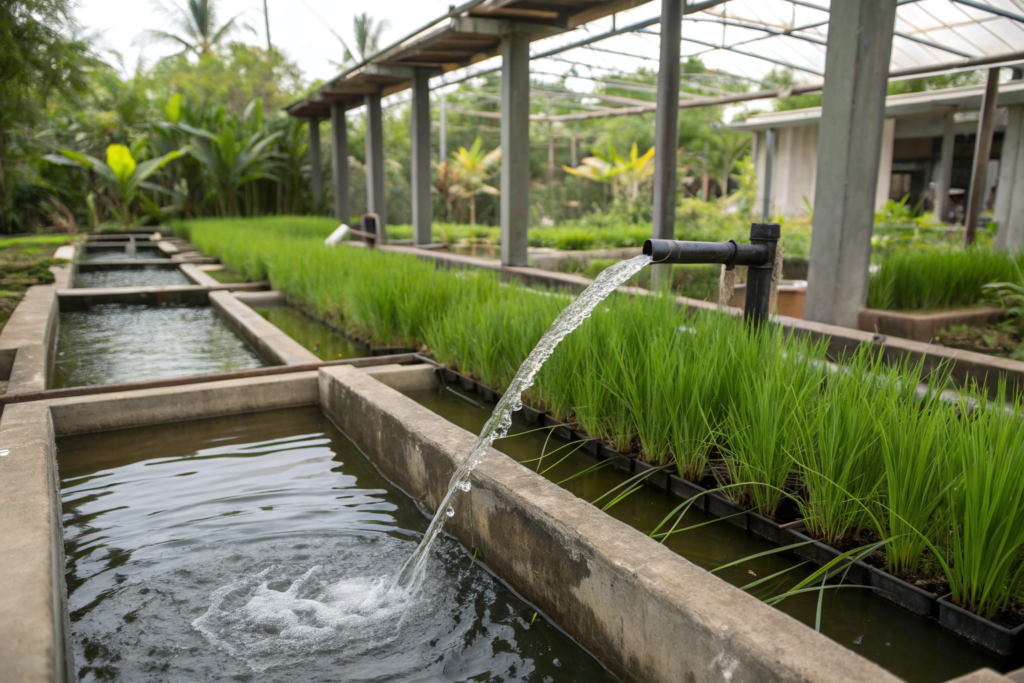
A forward-thinking plantation like ours invests in wastewater treatment systems. These systems are designed to clean the water before it is returned to the environment. This can involve a series of filtration and sedimentation tanks, or even sophisticated biological systems like constructed wetlands with vetiver grass that naturally filter the water. By treating our wastewater, we not only protect the local ecosystem but also ensure that we are operating as a responsible and sustainable long-term partner for our community and for you. This commitment is central to our philosophy, as crucial as selecting the best beans for black coffee.
What are Vetiver Wetlands?
Vetiver grass is a plant with a deep, dense root system that is incredibly effective at filtering water and preventing soil erosion. Creating a "constructed wetland" where wastewater is passed through a series of ponds planted with vetiver is a highly effective, natural, and low-cost way to treat coffee processing wastewater. It's a great example of an ecological engineering solution promoted by organizations like The Vetiver Network International.
How Can Water Be Conserved During Processing?
Modern "eco-pulpers" and processing equipment are being designed to use significantly less water than traditional methods. Some machines can de-pulp and wash the coffee with a fraction of the water previously required. Investing in this technology is another way that large, professional plantations can reduce their environmental footprint.
What Questions Should You Ask Your Supplier About Their Water?
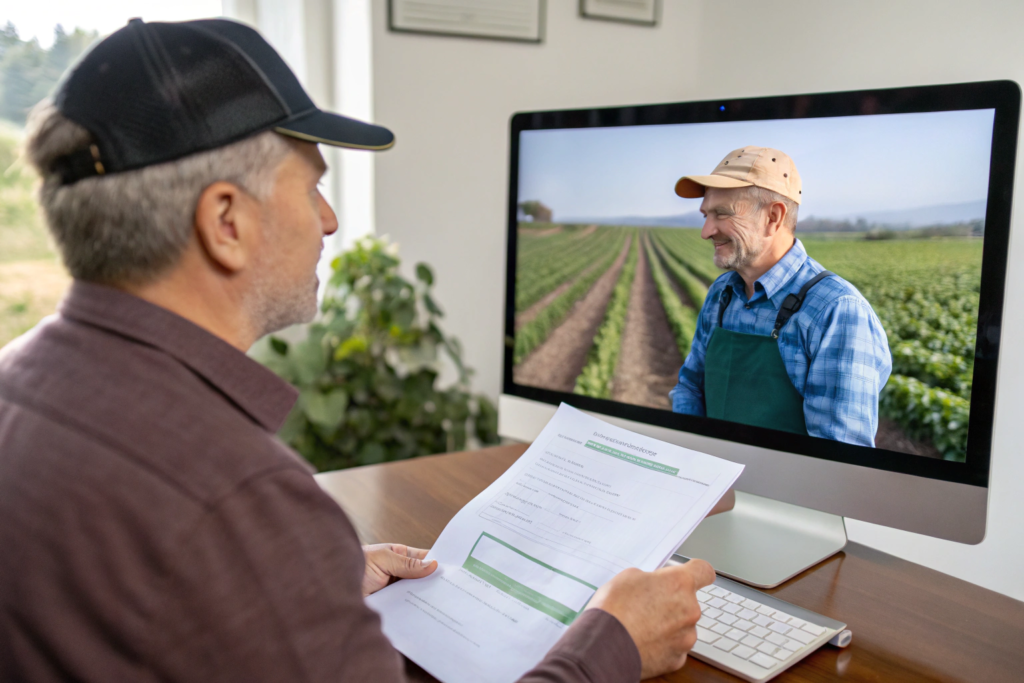
You are now armed with the knowledge of how important water is. How do you use this to vet your suppliers and ensure you are partnering with a quality-focused producer? You need to ask the right questions.
Don't be shy about getting technical. A professional supplier will welcome your detailed questions as a sign that you are a serious and knowledgeable buyer. Here are some key questions to ask:
- "What is the source of your processing water? Is it a spring, river, or municipal source?" (The answer you want is a clean, natural source.)
- "Do you test your water quality? If so, for what parameters and how often?" (This shows if they are data-driven.)
- "Can you provide a recent water analysis report?" (This is the ultimate proof of transparency.)
- "How do you manage your wastewater? Do you have a treatment system in place?" (This speaks to their commitment to sustainability.)
The answers to these questions will tell you a great deal about a supplier's professionalism, their attention to detail, and their commitment to both quality and environmental stewardship. When you ask us these questions, we are proud to provide detailed answers. It's a part of what makes us a suitable partner for those looking to import Yunnan coffee directly from a farm.
Why Do These Questions Matter So Much?
They matter because they go beyond the coffee itself. They give you insight into the philosophy and professionalism of the entire operation. A producer who meticulously manages their water is highly likely to be meticulous in all other aspects of their cultivation and processing.
What if a Supplier Cannot Answer These Questions?
If a supplier is evasive or cannot answer these basic questions about their water source and management, it should be considered a major red flag. It suggests a lack of professionalism or a potential gap in their quality control processes.
Conclusion
Water is the silent, invisible ingredient that can make or break a coffee's quality. It is far more than just a way to wash a bean; it is an active participant in the creation of flavor. The selection of a pure, clean, and chemically balanced water source is a decision that separates good coffee producers from great ones.
Furthermore, the responsible management and treatment of that water after processing is a clear indicator of a farm's commitment to sustainability and long-term viability. By understanding the critical role of water and asking the right questions, you can gain a deeper insight into a supplier's operations and make more informed sourcing decisions. You are not just buying coffee; you are investing in a producer's philosophy and their respect for the natural resources that create it.
If you are looking for a partner who obsesses over every detail, from the soil to the roast and especially the water that ties them together, we invite you to learn more about our process. We believe our stewardship of this vital resource is a key reason for the exceptional clarity and consistency of our coffee. Please reach out to my colleague, Cathy Cai, at cathy@beanofcoffee.com to continue the conversation.