
You're evaluating two coffee suppliers. Both claim to be certified organic, but one's certification documents look slightly off, and their price is suspiciously low—identical to conventional coffee. In an industry where organic premiums can reach 20-30%, the temptation for fraud is real. Fake certifications don't just cheat buyers; they undermine the entire organic system and harm honest farmers who invest in sustainable practices.
Spotting fake organic coffee certifications requires verifying documentation authenticity, checking certification body legitimacy, understanding supply chain traceability, and recognizing common red flags in pricing and claims. Authentic certifications come from accredited third-party organizations that conduct regular inspections and provide verifiable certificate numbers that can be checked online.
So, how can you protect your business from organic fraud without becoming a forensic document expert? The key is developing a systematic verification process that combines document checks, source validation, and common-sense scrutiny of claims that seem too good to be true. Let's examine the specific steps that separate genuine organic certifications from clever forgeries.
What Documentation Should Legitimate Organic Certification Include?
Authentic organic certification isn't just a logo on a bag—it's a documented chain of verification with specific paperwork that follows international standards.
Legitimate certification involves multiple documents that track the coffee from farm through processing to export, with each step verified by the certifying body.
What Are the Key Documents to Request?
A complete organic certification package should include:
- Certificate of Organic Certification with unique certificate number
- Transaction Certificate (TC) or Movement Certificate for each shipment
- Organic System Plan summary for the farm/cooperative
- Inspection reports from the most recent annual audit
- Chain of Custody documentation tracing the specific lot
These documents should reference each other with consistent lot numbers, dates, and quantities. Discrepancies between documents are a major red flag. At BeanofCoffee, we provide complete documentation packets because transparency builds trust in our organic offerings.
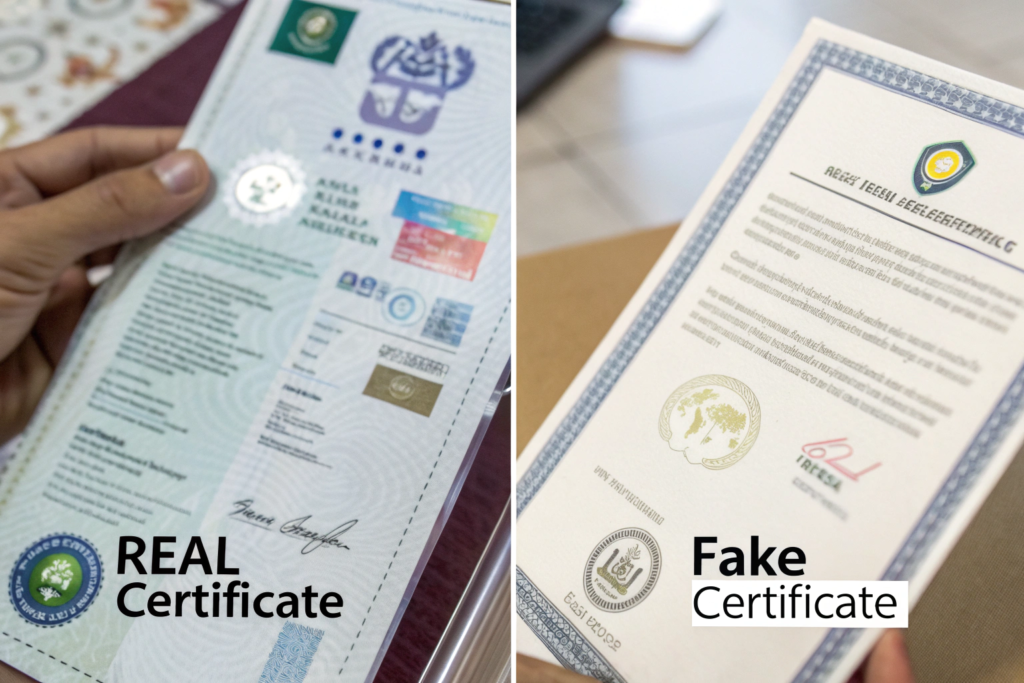
How Should Certificate Details Appear?
Legitimate certificates contain specific elements:
- Accredited certification body logo and name (not just "Organic Certified")
- Unique certificate number that can be verified online
- Clear validity dates (organic certification expires annually)
- Specific scope (production, processing, handling as applicable)
- Accreditation references (USDA NOP, EU 834/2007, etc.)
- Official signatures and stamps
Missing any of these elements suggests either incomplete documentation or potential forgery.
How Can You Verify Certification Body Legitimacy?
The certifier matters as much as the certificate. Hundreds of certification bodies exist worldwide, but not all are equally rigorous or internationally recognized.
Understanding which certifiers are reputable and properly accredited helps you assess whether a certification has real meaning or is essentially a purchased logo.
Which Certification Bodies Are Most Reputable?
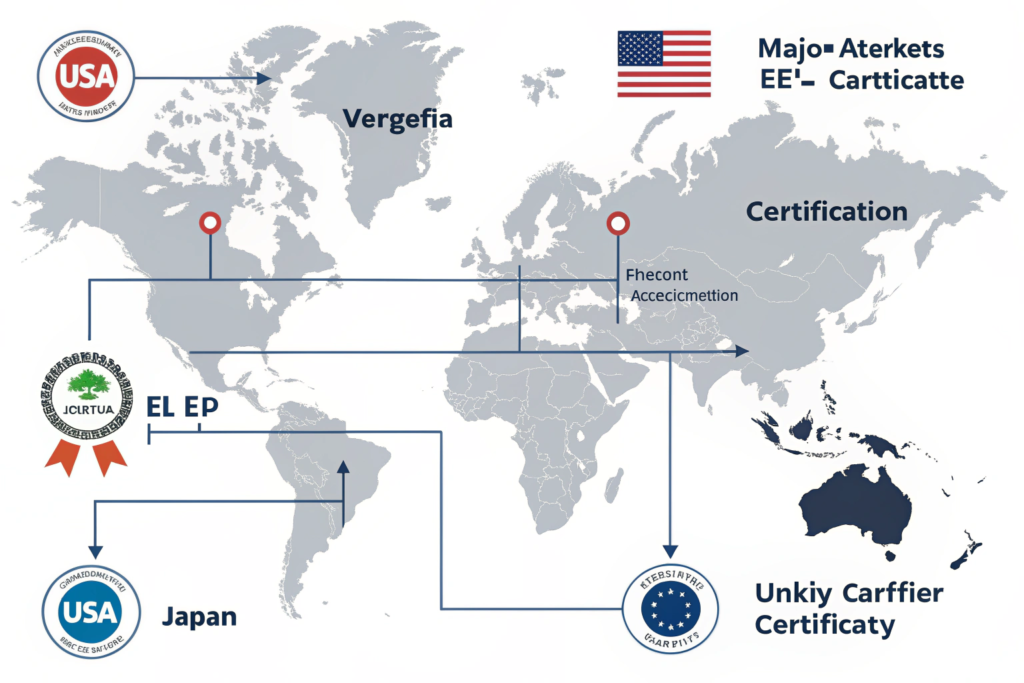
Globally recognized organic certifiers include:
- For US market: USDA-accredited bodies (CCOF, Oregon Tilth, QAI, etc.)
- For EU market: Bodies approved under EU regulations (ECOCERT, Control Union, etc.)
- For Japan: JAS-accredited certifiers
- Multinational: IFOAM-accredited organizations
These organizations undergo rigorous accreditation processes themselves and maintain public databases of certified operations.
How Do You Verify a Certifier's Status?
- Check accreditation: Verify the certifier is accredited by relevant authorities (USDA, EU, etc.)
- Search databases: Use the certifier's website to verify certificate numbers
- Contact directly: Email or call the certifier to confirm the operation's status
- Beware obscure certifiers: Especially those based in jurisdictions with weak oversight
- Check for suspensions: Some certifiers lose accreditation but continue issuing certificates
A certificate from an unaccredited or suspended certifier may be technically "organic" but won't be recognized by most import authorities or discerning buyers.
What Are Common Red Flags in Pricing and Claims?
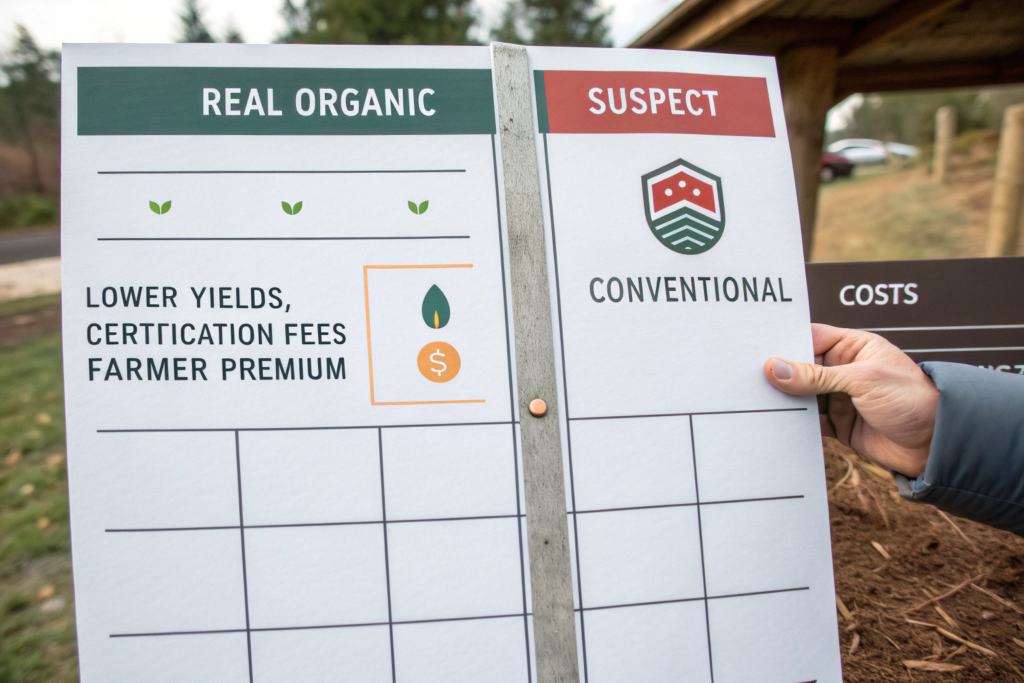
Economics often reveal fraud before documents do. Organic coffee requires more labor, often has lower yields, and involves certification costs—these realities should be reflected in pricing.
Claims that conflict with agricultural or economic realities should trigger deeper investigation, regardless of how convincing the paperwork appears.
What Pricing Patterns Suggest Problems?
- Price identical to conventional coffee from the same region
- Significant discounts on "organic" versus other verified organic sources
- Unstable pricing that fluctuates without connection to market trends
- No premium paid to farmers for organic production (ask directly)
- Lack of transparency about cost breakdowns
While occasional promotions exist, consistently below-market organic pricing usually indicates either certification fraud or compromised organic practices.
What Claim Inconsistencies Matter?
- Yield claims that exceed regional organic averages unrealistically
- Pest management descriptions that don't align with organic principles
- Certification timelines that seem accelerated (conversion takes 3+ years)
- Scale mismatches between claimed production and farm size
- Geographic impossibilities (organic in regions with known contamination issues)
For example, claims of exceptionally high yields without described soil management practices warrant scrutiny. These agricultural realities provide context for evaluating claims.
How Does Supply Chain Traceability Verify Authenticity?
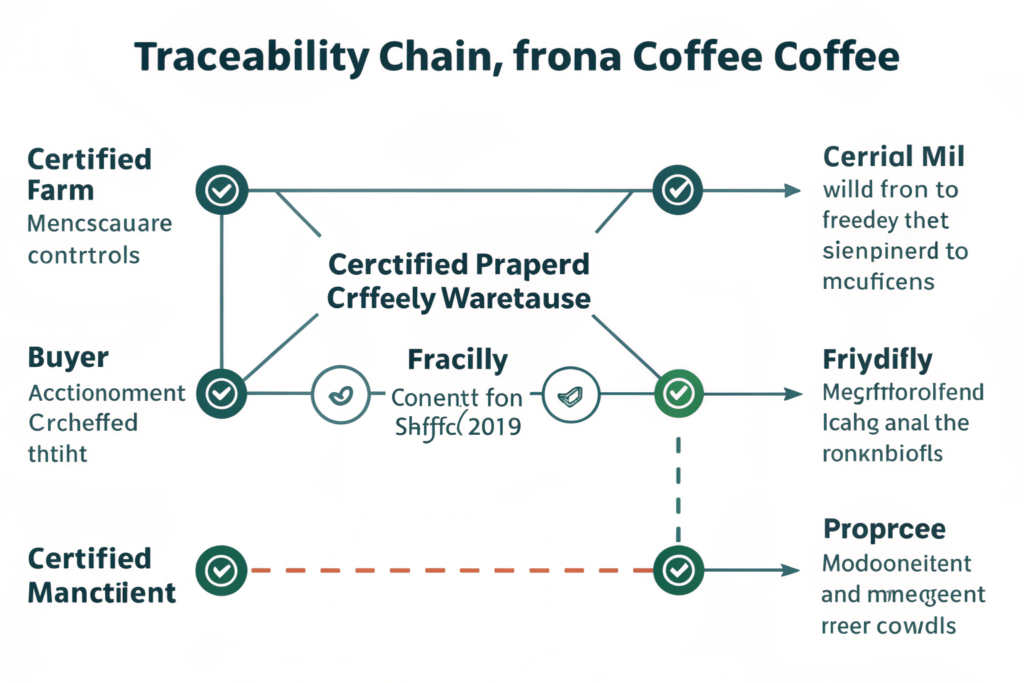
Organic integrity depends on complete chain of custody from farm to consumer. Breaks in traceability create opportunities for mixing conventional and organic coffee.
Documentation should create an unbroken paper trail that connects the specific coffee you're buying back to certified organic farms through every handling step.
What Traceability Elements Should Exist?
A verifiable organic supply chain includes:
- Farm-level certification (not just processor or exporter certification)
- Segregation protocols at every handling point (mill, warehouse, ship)
- Mass balance reconciliation if using mass balance systems
- Clean-out procedures for equipment processing both organic and conventional
- Transaction documentation for every transfer of ownership
Ask to see the complete traceability documentation for your specific lot, not just generic farm certificates.
How Can You Test Traceability Claims?
- Request farm visits or virtual tours of specific certified farms
- Ask for GPS coordinates of farms and compare to certification records
- Request farmer interviews (language barriers notwithstanding)
- Check processing dates against harvest seasons
- Verify quantities against typical farm production capacity
When we provide organic coffee from BeanofCoffee, we can trace each bag to specific certified plots within our Yunnan farms. This farm-level granularity is the gold standard for traceability.
What Verification Steps Should Be in Your Process?
Developing a systematic verification protocol protects your business from both intentional fraud and unintentional certification lapses.
A step-by-step process ensures you don't overlook important checks while creating documentation of your due diligence for liability protection.
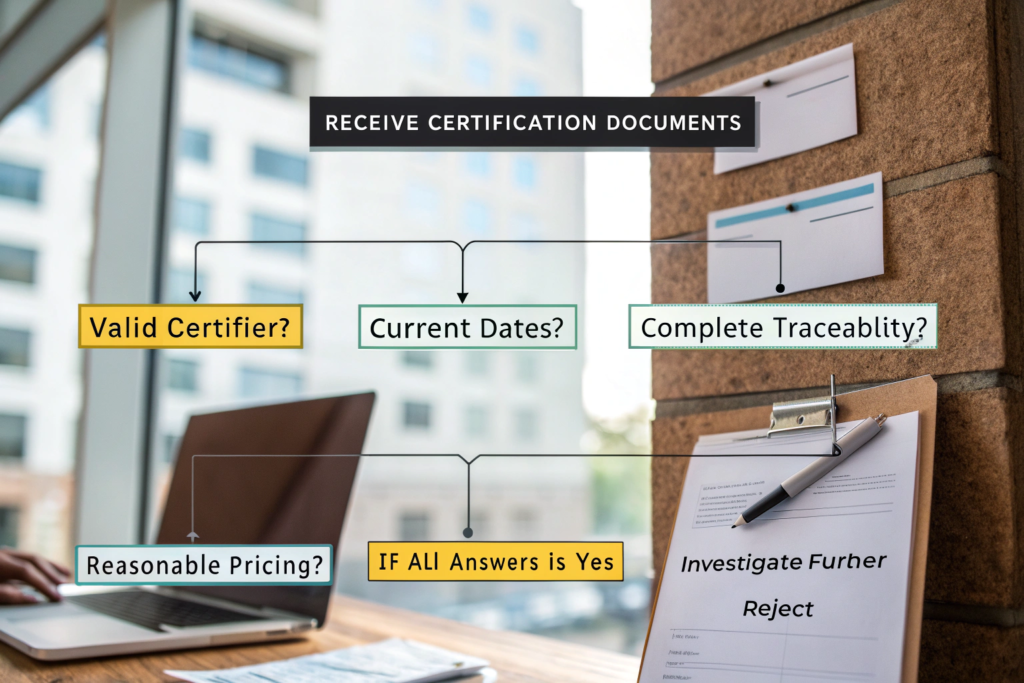
What Should Your Verification Checklist Include?
- Document collection: Request complete certification package
- Certifier verification: Confirm accreditation and good standing
- Online validation: Check certificate numbers in certifier's database
- Date validation: Ensure certificates are current (not expired)
- Scope verification: Confirm certification covers all required activities
- Quantity verification: Match certification quantities to purchase amounts
- Traceability review: Follow the specific lot through the chain
- Pricing analysis: Compare to market organic pricing
- Reference checks: Speak to other buyers using same supplier
- Sample testing: Consider residue testing for high-risk situations
This systematic approach is more reliable than intuitive "gut feeling" about authenticity.
When Should You Consider Laboratory Testing?
For high-value purchases or persistent doubts:
- Pesticide residue testing screens for synthetic chemicals
- Isotope analysis can sometimes indicate synthetic fertilizer use
- Mycotoxin testing may indicate poor storage conditions
- DNA testing (emerging) could verify origin claims
While testing adds cost, it may be justified for large contracts or when building relationships with new suppliers. Testing also creates a deterrent effect—suppliers know you verify.
What Are the Most Common Types of Organic Fraud?
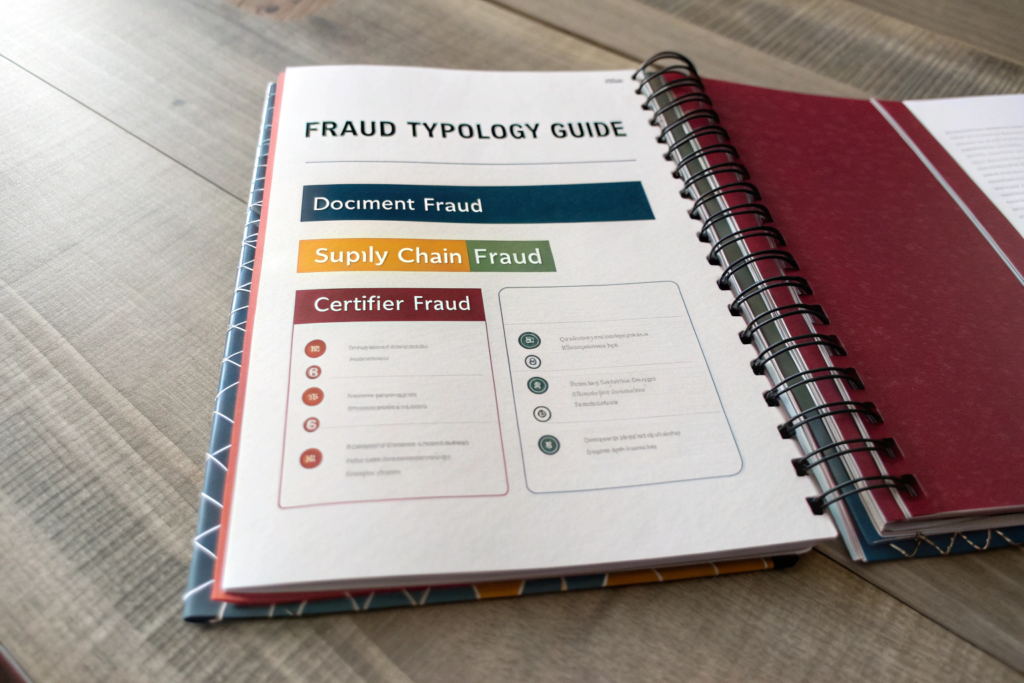
Understanding common fraud methods helps you recognize their signatures in documentation, claims, or pricing patterns.
Fraud ranges from outright document forgery to more subtle violations of organic standards through inadequate controls or intentional mixing.
What Document-Based Frauds Occur?
- Certificate forgery: Complete fabrication of certificates
- Certificate alteration: Modifying quantities or dates on legitimate certificates
- Certificate copying: Using another farm's legitimate certificate
- Certifier impersonation: Creating fake certification bodies
- Expired certificate use: Presenting lapsed certifications as current
These document deceptions rely on buyers not verifying details or checking with certifiers directly.
What Supply Chain Frauds Are Common?
- Mixing: Blending organic and conventional coffee
- Identity preservation failure: Inadequate segregation during processing
- Origin misrepresentation: Selling conventional as organic from different origin
- Conversion period abuse: Selling from farms in transition as fully certified
- Shadow certification: Certifying only part of farm but selling all as organic
These system manipulations are harder to detect through document review alone, requiring traceability verification and sometimes testing.
Conclusion
Spotting fake organic coffee certifications requires combining document verification, certifier validation, traceability review, pricing analysis, and sometimes laboratory testing. While no single method guarantees detection, a layered approach significantly reduces risk by creating multiple verification points that would be difficult for fraudsters to bypass completely.
The most effective protection comes from building relationships with transparent suppliers who welcome scrutiny, maintain complete documentation, and understand that organic integrity requires ongoing diligence at every supply chain step. If you're evaluating organic coffee suppliers and want to verify our certifications, contact our export manager, Cathy Cai, at cathy@beanofcoffee.com. We provide complete documentation and welcome verification through our certifiers because authentic organic practices are fundamental to our operations at BeanofCoffee.