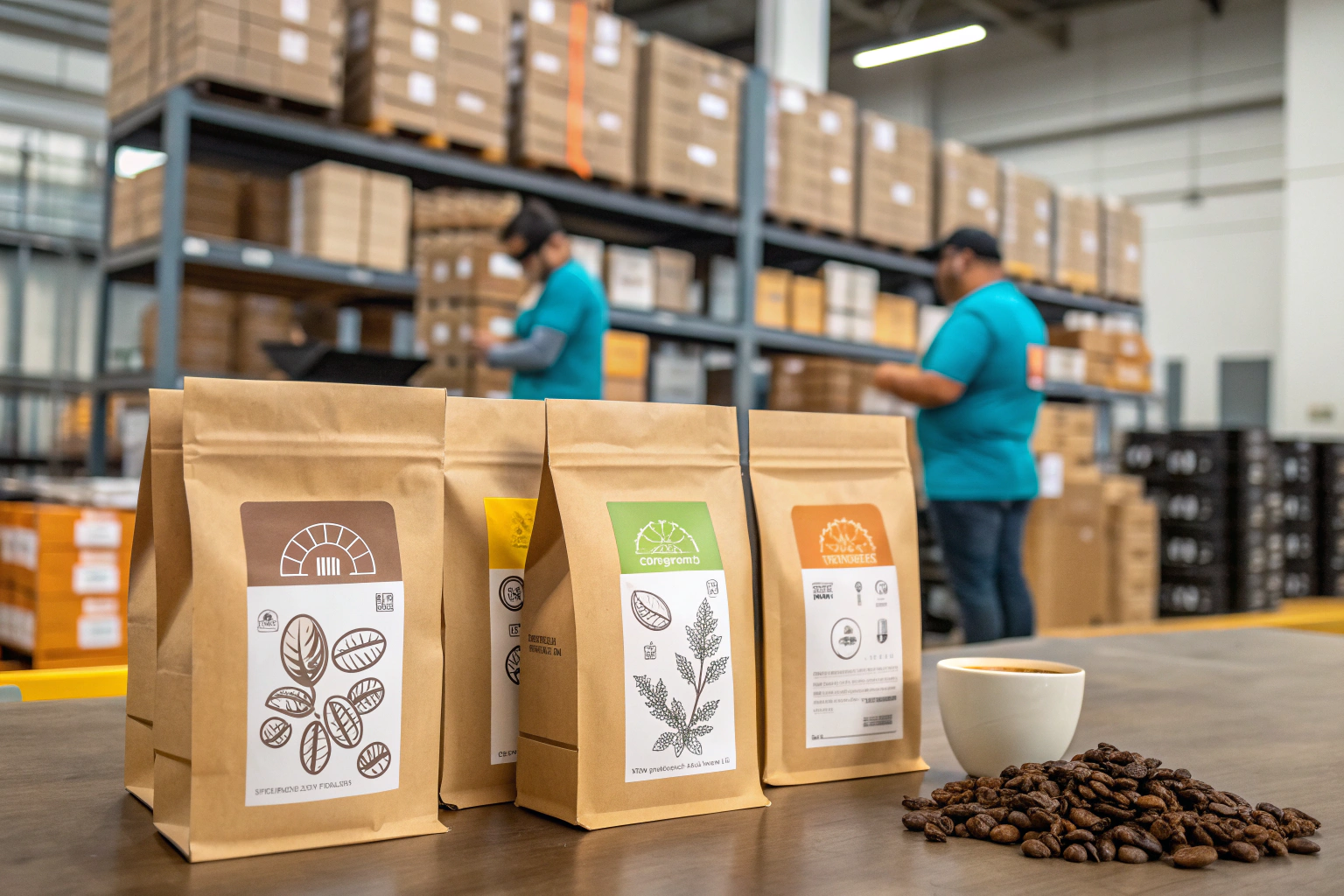
You want to turn a passion for coffee into a thriving subscription business. You're not alone. The market is growing, but that also means standing out requires more than just great beans. It's about creating an experience, a monthly ritual your customers look forward to. But where do you begin? Sourcing beans, managing shipments, acquiring customers—it can feel overwhelming.
Starting a successful coffee subscription box hinges on a clear, differentiated concept combined with a ruthlessly efficient operational backbone. It's about solving a specific problem for a specific group of coffee drinkers, not just selling beans in a box.
Let's break down the journey into actionable steps, from finding your unique angle to building a system that can scale without burning you out.
What Is Your Niche and Brand Identity?
In a crowded market, where the air hums with the chatter of vendors and the aroma of competing goods mingles in a heady, sometimes overwhelming blend, 'good coffee' isn't enough to cut through the noise or carve out a lasting space.
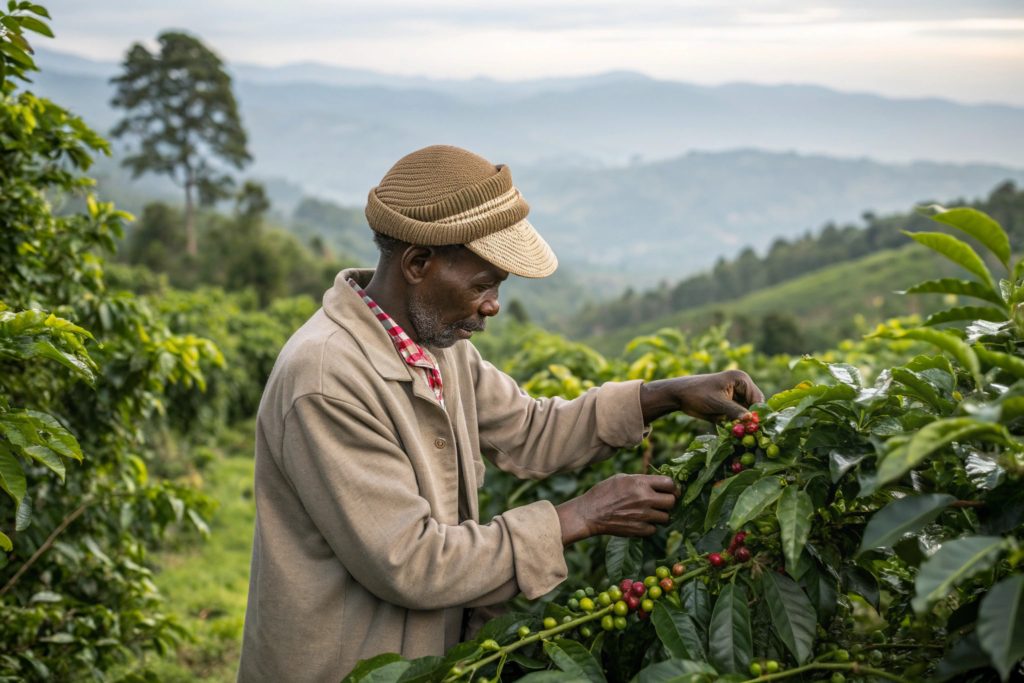
Your niche is your compass; it guides every decision you make, from the beans you choose—single-origin Ethiopian Yirgacheffe with its bright citrus notes and floral undertones, or rich Sumatran Mandheling with its earthy depth—to the marketing language you use, tailored to resonate with those who seek more than just a cup of coffee but an experience, a story, a connection.
How to Define Your Target Audience?
Start by getting specific. Instead of "coffee lovers," define:
- Demographics: Age, location, income level.
- Psychographics: Lifestyle, values, hobbies (e.g., home brewers, wellness enthusiasts, travelers).
- Pain Points: What frustrates them about buying coffee now? Inconvenience, lack of discovery, quality inconsistency?
Create 1-2 detailed customer personas. For example, "Adventure-Seeking Alex, 32, loves trying new things, uses a pour-over, and values direct trade stories." This persona will direct your sourcing and messaging.
What Are Profitable Coffee Subscription Niches?
Here are a few proven directions to explore or combine:
- Single-Origin Exploration: Curate beans from a different farm or region each month. This appeals to connoisseurs and learners.
- Brew-Method Specific: Provide coffee ground perfectly for Aeropress, French press, or espresso machines.
- Lifestyle-Focused: Target niches like organic & gluten-free coffee, keto-friendly blends, or coffee paired with artisan snacks.
- Convenience-First: Offer pre-measured coffee pods for home machines or ready-to-drink cold brew cans.
How to Source Coffee and Manage Suppliers?
Your product is the star. Building strong, reliable relationships with suppliers is the most critical operational task. Your ability to source great coffee consistently will make or break customer retention.
You need partners who align with your brand values. If you promise rare finds, you need importers with access to micro-lots. If you champion sustainability, you need roasters with verifiable ethical practices. For many startups, partnering with an established specialty coffee roaster is smarter than roasting yourself—it saves massive upfront cost and complexity.
What Should You Look for in a Coffee Supplier?
When evaluating roasters or green bean exporters, ask these key questions:
- Consistency & Capacity: Can they provide the same high quality, month after month, as you grow? Do they have the volume to support a subscription model?
- Flexibility & Packaging: Will they ship directly to you (dropship) or to your fulfillment center? Can they provide custom branding or batch-specific tasting notes? A supplier like Shanghai Fumao offers this flexibility for subscription businesses.
- Certifications & Story: Do their beans have the certifications your niche demands (Organic, Fair Trade, Rainforest Alliance)? Can they provide the "story"—farm details, processing methods—that makes each shipment engaging?
How to Structure Supplier Agreements?
Start with a clear contract or MOU (Memorandum of Understanding). Key terms to outline:
- Pricing: Volume discounts, cost per bag over specific quantity thresholds.
- Payment Terms: Net 30 is standard; try to avoid 100% upfront.
- Minimum Order Quantities (MOQs): Ensure these are manageable for your early-stage volumes.
- Delivery Schedules: Fixed dates to align with your monthly packing schedule.
What Operations and Fulfillment Model Works Best?
This is the unsexy backbone of your business. A smooth operational flow keeps costs low and customers happy. The biggest decision here is fulfillment: will you pack boxes yourself (self-fulfill), use a third-party logistics provider (3PL), or have suppliers dropship?
For your first 100-200 subscribers, self-fulfillment from a home office or small warehouse is often most cost-effective. It gives you control and helps you understand the process. Beyond that, the time and logistical complexity usually justify switching to a 3PL.

How to Choose Between Self-Fulfillment and a 3PL?
Consider this comparison:
| Factor | Self-Fulfillment | Third-Party Logistics (3PL) |
|---|---|---|
| Control | Complete control over packaging & quality. | Less hands-on; reliant on partner's accuracy. |
| Time Cost | Very High. You pack every box. | Low. Frees you to focus on marketing & growth. |
| Scalability | Poor. Hard to scale beyond a few hundred boxes. | Excellent. They handle volume spikes. |
| Cost Structure | Lower fixed costs, variable time cost. | Higher per-box fee, but saves you time. |
| Best For | Startups validating concept (<200 subs). | Businesses scaling rapidly (>200 subs). |
What Software Do You Need to Run Operations?
Don't try to manage this with spreadsheets and manual effort. Invest in integrated software early:
- Subscription Billing: Platforms like Chargebee, Recurly, or Stripe Billing handle recurring payments, upgrades/downgrades, and failed charge retries.
- E-commerce & Website: Shopify (with a subscription app) is a popular, robust choice for building your storefront and managing customer data.
- Shipping & Fulfillment: Tools like ShipStation integrate with your website and 3PL to automate label creation and tracking updates.
How Will You Acquire and Retain Subscribers?
You can have the world's best coffee box, but without customers, you don't have a business. Your marketing must communicate your unique value and convert visitors into subscribers. Then, your job shifts to keeping them.
Customer Acquisition Cost (CAC) is a key metric. Initially, you might pay a lot to acquire a subscriber, but their Lifetime Value (LTV) should be 3x that cost for a healthy business. Focus on channels where your niche audience already spends time.
What Are Effective Launch and Marketing Strategies?
- Pre-Launch Build-Up: Create a waitlist landing page. Offer an incentive (e.g., 20% off first box) for signing up. Use this to gauge interest and build an initial email list.
- Content & Social Media: Don't just sell. Create content for your niche: brew guides, origin spotlights, videos of you cupping new arrivals. Engage on platforms like Instagram (visual) and Reddit (niche communities like r/coffee).
- Partnerships & PR: Collaborate with complementary brands (e.g., a pour-over equipment maker) for cross-promotions. Reach out to food and lifestyle bloggers or podcasters in your niche for reviews.
How Do You Reduce Churn and Keep Subscribers?
Retention is more profitable than acquisition. Key tactics include:
- Onboarding Experience: Send a welcome email series explaining how the subscription works and how to get the best brew.
- Personalization: Allow subscribers to choose their roast preference or skip a month. The more control they feel, the longer they stay.
- Engagement Beyond the Box: Include a beautiful info card with the coffee's story. Send monthly tasting notes via email. Create a private community (like a Facebook group) for your most loyal customers.
- Loyalty Rewards: Offer a free bag after every 6 months subscribed or a referral bonus. Companies like Shanghai Fumao can support such programs with sample packs.
Conclusion
Starting a coffee subscription box is an exciting blend of creativity and logistics. It begins with a sharp, defensible niche and a brand that tells a compelling story. From there, securing a reliable supply chain—perhaps with a flexible partner like us at BeanofCoffee—and building a streamlined operational system are what allow you to deliver consistently. Finally, attracting your first subscribers through targeted marketing and keeping them delighted through personal engagement transforms a one-time buyer into a long-term community member.
The journey requires patience and iteration. Start small, validate your concept with a passionate early audience, and scale the operational pieces deliberately. If you're looking for a wholesale partner to supply high-quality, story-rich Arabica, Robusta, or Catimor beans with the flexibility needed for a subscription model, we can help you build that curated experience. Contact our sales manager, Cathy Cai, at cathy@beanofcoffee.com to explore how our beans from Yunnan can become the star of your subscription box.