You just secured a fantastic price on a full container of green coffee beans. It's a huge win. But now a nagging thought hits you: how do you keep these beans perfect for the next 6, 9, or even 12 months? You can't just stack the bags in a corner of the warehouse. One wrong move, and your premium investment could turn into a stale, musty liability. The clock starts ticking the moment those beans leave the origin.
Green coffee beans are a stable, yet living, agricultural product. For long-term storage, you must protect them from their three main enemies: moisture, oxygen, and temperature fluctuation. The golden rule is to store them in a cool, dark, and dry environment, using breathable packaging like jute or grain-pro bags, and to monitor them regularly. Properly stored, high-quality green coffee can maintain its excellent character for up to a year, or even longer.
So, what does "cool, dark, and dry" actually mean in practice, and why does it matter so much? Let's break down the science and the practical steps to ensure your green coffee inventory ages gracefully, not disgracefully.
Why is Controlling Moisture the Single Most Important Factor?
Think of moisture as the trigger for all the chemical reactions you don't want. A little too much, and you're inviting mold, mustiness, and a complete degradation of all the delicate flavors you paid for. It's a battle you absolutely must win.
Moisture is the primary catalyst for deterioration in stored green coffee. If the relative humidity (RH) is too high, beans will absorb moisture, leading to mold growth and "baggy" off-flavors. If it's too low, the beans can become brittle and lose their essential oils, leading to a flat and stale cup.
What is the Ideal Humidity Level for Storage?
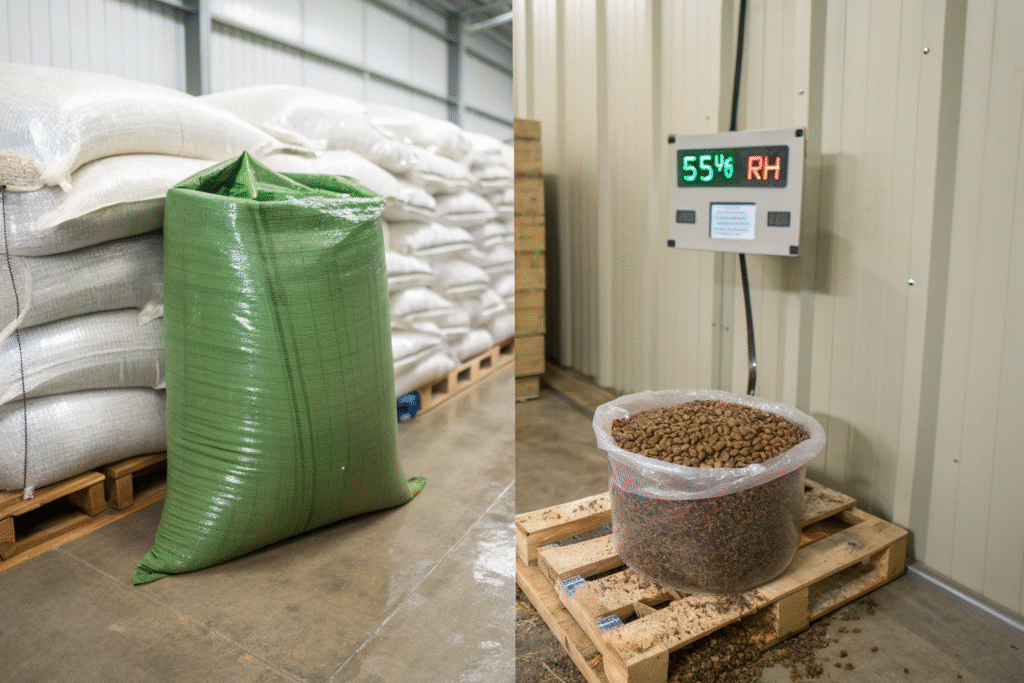
The sweet spot for relative humidity is consistently between 50% and 60%. Above 65% RH, you are in the danger zone for mold. Below 45% RH, the beans risk becoming desiccated. This isn't a guess; it's a standard. We monitor our own warehouses in Yunnan with digital hygrometers to ensure this stability for our clients' orders before they even ship. This level of environmental control is a non-negotiable part of modern coffee logistics and quality assurance.
How Does Packaging Help Fight Moisture?
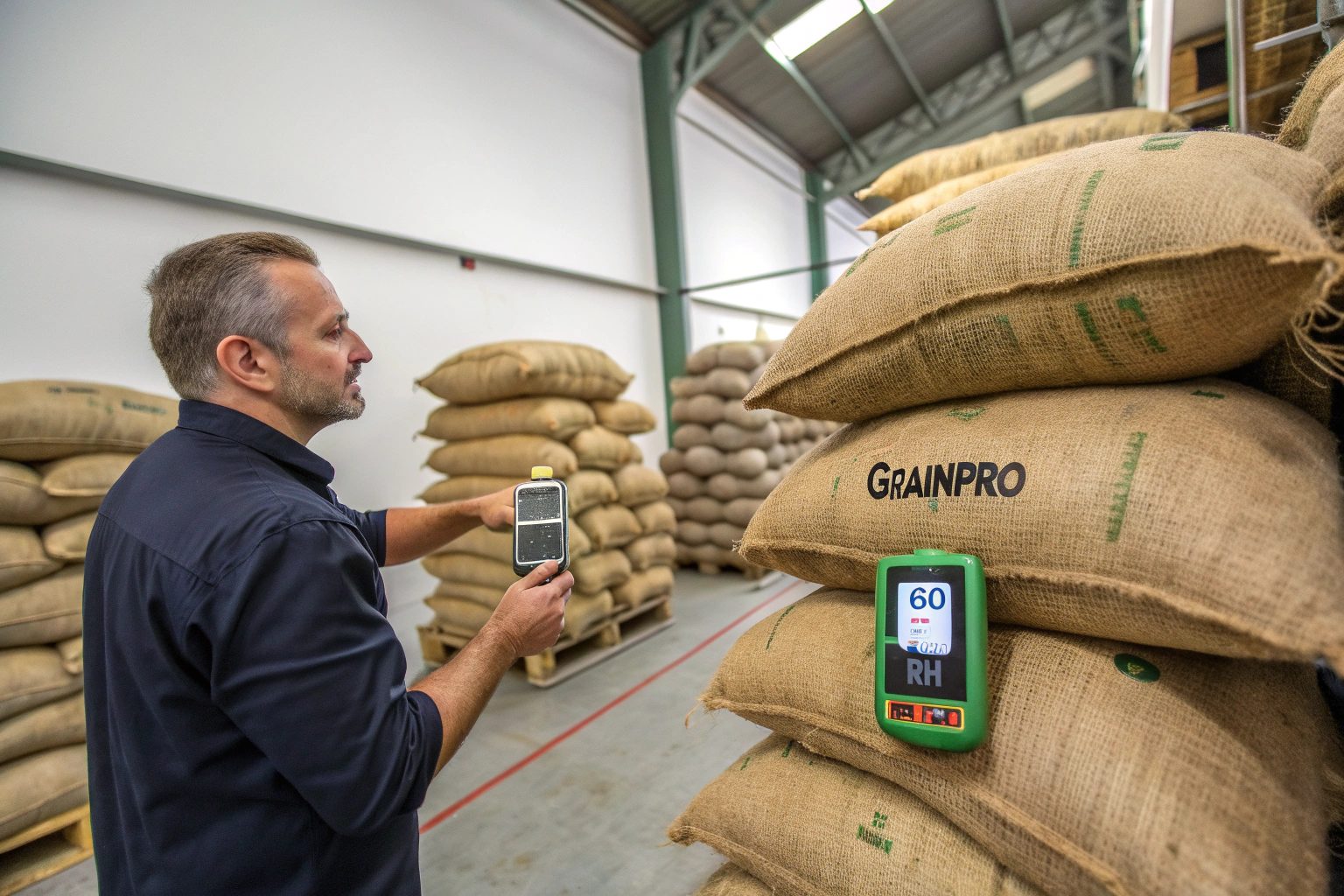
The bag is your first line of defense. Traditional jute bags are breathable, which is good for preventing moisture buildup, but they offer little protection against external humidity spikes. For true long-term storage, especially in non-climate-controlled spaces, GrainPro bags are the industry gold standard. These are plastic liners inside the jute that create a near-hermetic seal, locking the bean at its ideal moisture content (typically 10-12%) and shielding it from the outside environment. Using this packaging technology is one of the simplest ways to de-risk your storage.
How Do Temperature and Light Affect Your Green Coffee Stock?
While moisture is enemy number one, temperature and light are its powerful allies. They work together to accelerate the aging process, robbing your beans of their vibrancy long before their time.
Heat accelerates all chemical processes, including staling and the degradation of volatile flavor compounds. Light, especially direct sunlight, provides the energy for these reactions and can also cause the beans to fade and heat up unevenly.
What is the Perfect Storage Temperature?
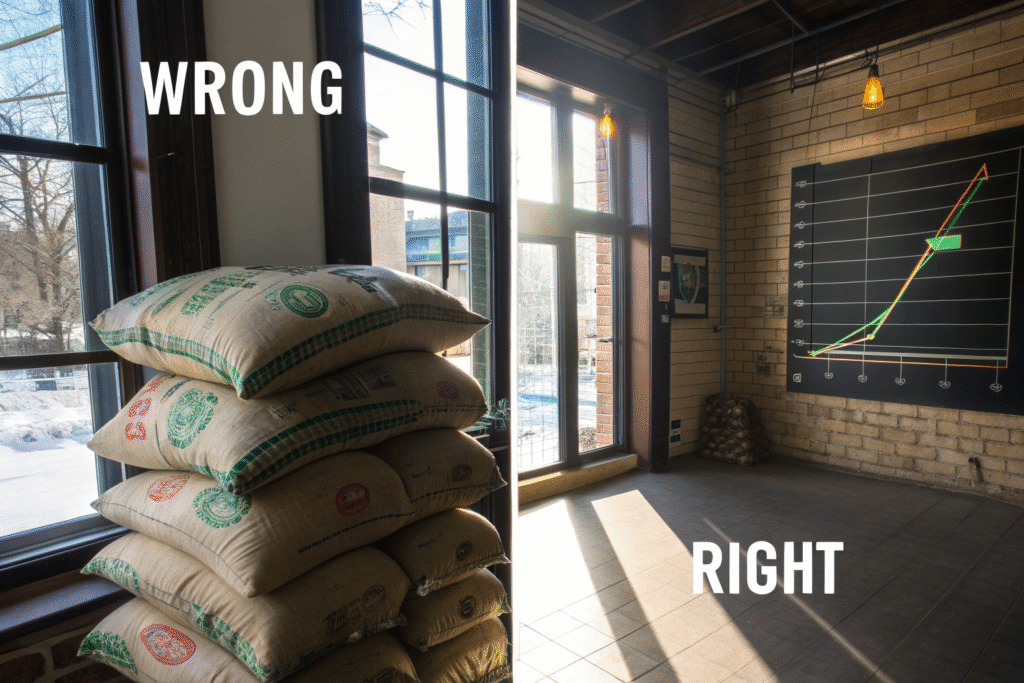
Aim for a cool and stable temperature, ideally between 15°C and 20°C (59°F - 68°F). Crucially, avoid fluctuations. A warehouse that swings from 15°C at night to 30°C during the day will cause your beans to "breathe," potentially drawing in moist air and condensing it. Consistency is more important than hitting an exact, perfect number. This principle of stable, cool storage is a cornerstone of preservation science for many agricultural goods.
Why is Darkness Non-Negotiable?
Store your beans in complete darkness. UV light from the sun is particularly damaging. It can break down the complex organic compounds that create coffee's aroma and flavor, leading to a flat, cardboard-like taste. Think of it like storing a fine wine—you wouldn't leave a bottle of Burgundy on a sunny windowsill. The same care applies here. This is a simple, zero-cost step that has a massive impact on maintaining coffee quality over time.
What Are the Best Practices for Warehouse and Inventory Management?
Storage isn't just about the environment; it's also about how you handle the physical inventory. Good practices here prevent physical damage and ensure you use your oldest stock first, maintaining a fresh rotation.
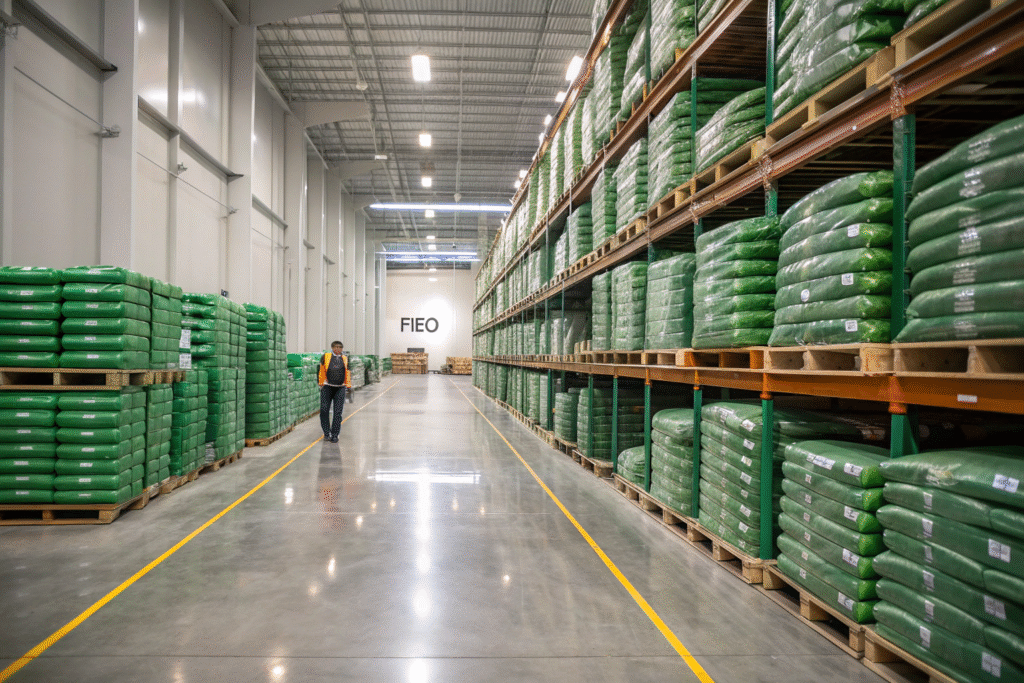
Proper warehouse management for green coffee involves using the FIFO (First-In, First-Out) system, ensuring adequate air circulation around pallets, and protecting the beans from absorbing foreign odors from other products in the warehouse.
How Does FIFO Protect Your Quality?
FIFO is your systematic defense against beans getting old in a corner. By always shipping and roasting your oldest stock first, you guarantee that no bag overstays its welcome. This requires good organization and clear labeling of arrival dates on every pallet. It’s a basic principle of inventory management that is absolutely critical for a perishable product like coffee. We implement this rigorously at our own facilities to ensure every client gets beans at their peak.
Why is Airflow and Isolation Critical?
Never stack bags directly against a wall. Always leave a gap. This allows air to circulate, preventing moisture from getting trapped and creating microclimates. Also, coffee beans are like sponges for odors. They must be stored away from anything with a strong smell—chemicals, fuels, paints, or even other foodstuffs. A dedicated coffee storage area is ideal. Ensuring this kind of warehouse organization is a fundamental part of the service for any serious exporter or importer.
How Can You Monitor and Test Beans During Storage?
You can't just set it and forget it. Long-term storage requires a proactive approach. Regular checks are your early warning system, helping you catch problems before they ruin an entire lot.
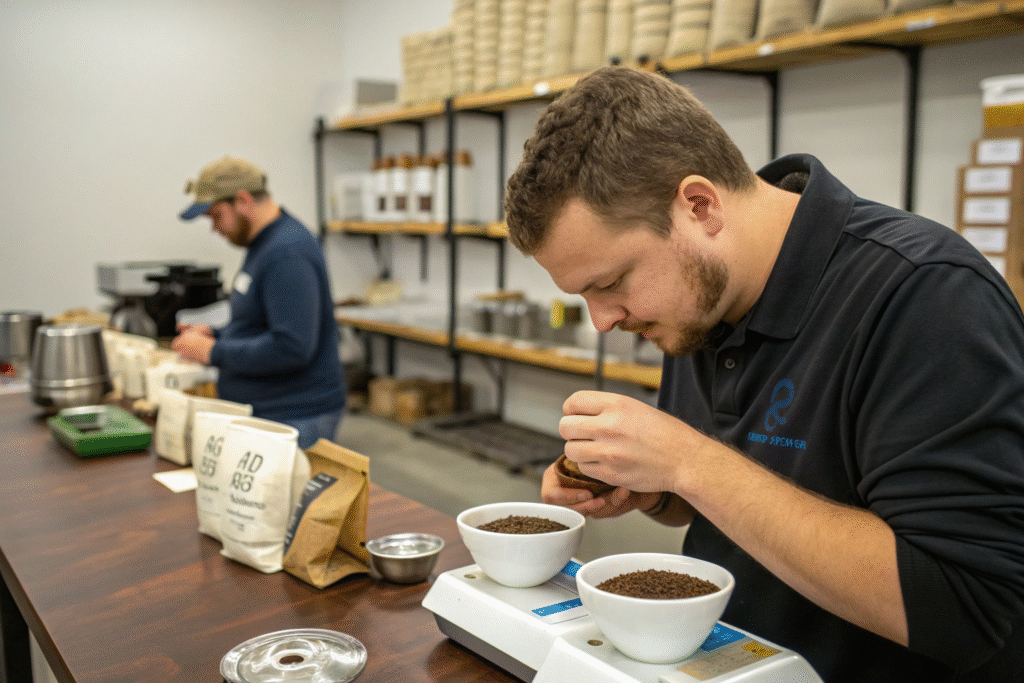
Active monitoring involves regular visual and olfactory checks of the storage environment and the beans themselves. For the most precise control, periodic moisture testing and sample roasting are the ultimate tools to assess the bean's condition.
What Should You Look for During a Visual Check?
Open the warehouse door and take a deep breath. Does it smell clean, earthy, and like coffee? Or is there a musty, mildewy odor? Mustiness is a major red flag. Then, look at the bags. Check for signs of moisture stains, condensation, or pest activity. Finally, grab a handful of beans from a bag. They should feel hard and dense, not spongy or brittle. This hands-on approach is the first line of defense in quality control.
When Should You Test Moisture and Sample Roast?
If you have any doubts, test. A simple moisture meter can give you a reading in seconds. If the moisture content has drifted significantly from the 10-12% range, you know you have an environmental problem. But the final test is always the roast. Schedule a sample roast of your oldest stock every 2-3 months. The taste of the brewed coffee doesn't lie. It will tell you exactly how your beans are holding up. This practice is endorsed by bodies like the Specialty Coffee Association for maintaining quality from origin to roaster.
Conclusion
Storing green coffee beans for the long term is a science of prevention. By systematically controlling moisture, temperature, and light, and by implementing smart warehouse practices like FIFO and regular monitoring, you can protect your investment and ensure the coffee you roast months from now is as vibrant as the day it arrived.
The goal is not to stop time, but to slow it down gracefully. This requires diligence and the right partnership with a supplier who understands this chain of custody. At BeanofCoffee, we don't just grow and export coffee; we manage its quality from our farms in Yunnan all the way to your warehouse door, using best-practice storage every step of the way. For a reliable supply of green coffee that arrives in pristine condition, ready for your long-term storage, contact our export manager, Cathy Cai, at cathy@beanofcoffee.com.