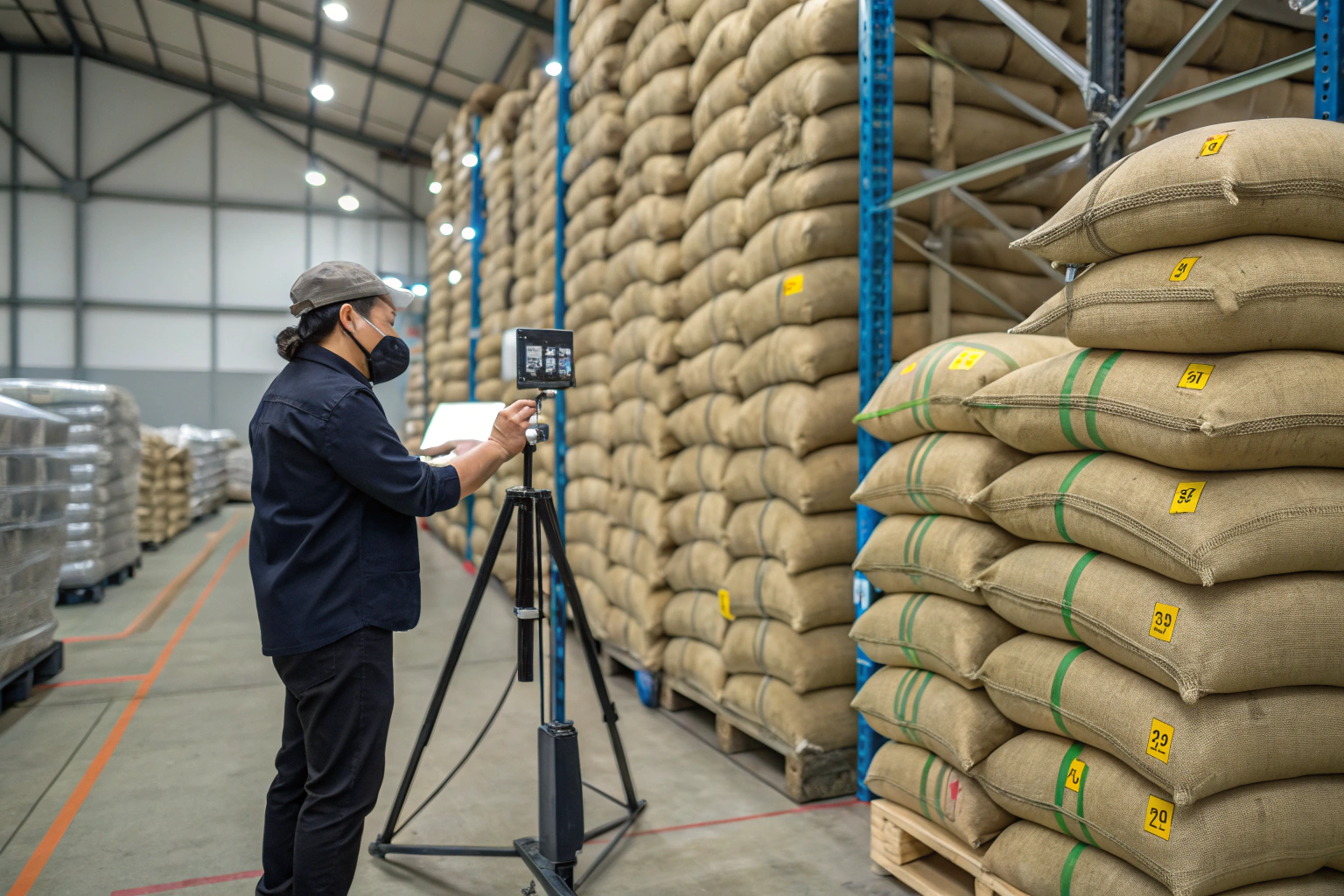
A buyer from Toronto called me last month. He'd bought 20 bags of our premium Arabica six months ago. When he finally opened them for roasting, the beans smelled like old cardboard. Flat. Lifeless. He blamed us. But the problem wasn't our beans—it was his storage. Concrete floor. No pallets. Fluctuating temperatures. The beans never had a chance.
Proper green coffee storage requires stable temperature around 20°C, relative humidity below 60 percent, protection from light and odors, and airflow around bags. Beans stored correctly can maintain quality for 12 to 18 months. Store them wrong, and you'll lose thousands in just weeks.
Let me share what we've learned from storing millions of pounds across our Yunnan warehouses. Because storage isn't just about keeping beans until you need them. It's about protecting the investment you've made in quality coffee.
What Environmental Conditions Destroy Green Coffee Quality?
I learned this lesson the hard way. Early in our business, we stored beans in a warehouse with a leaky roof. Didn't think much about it until we opened bags near that leak. Mold. Everywhere. We lost an entire container's worth of coffee. Never again.
Temperature swings cause condensation inside bags. High humidity promotes mold growth. Direct light accelerates staling. Strong odors get absorbed by beans. These four factors destroy more coffee than any other storage mistakes.
Why is temperature stability more important than the actual temperature?
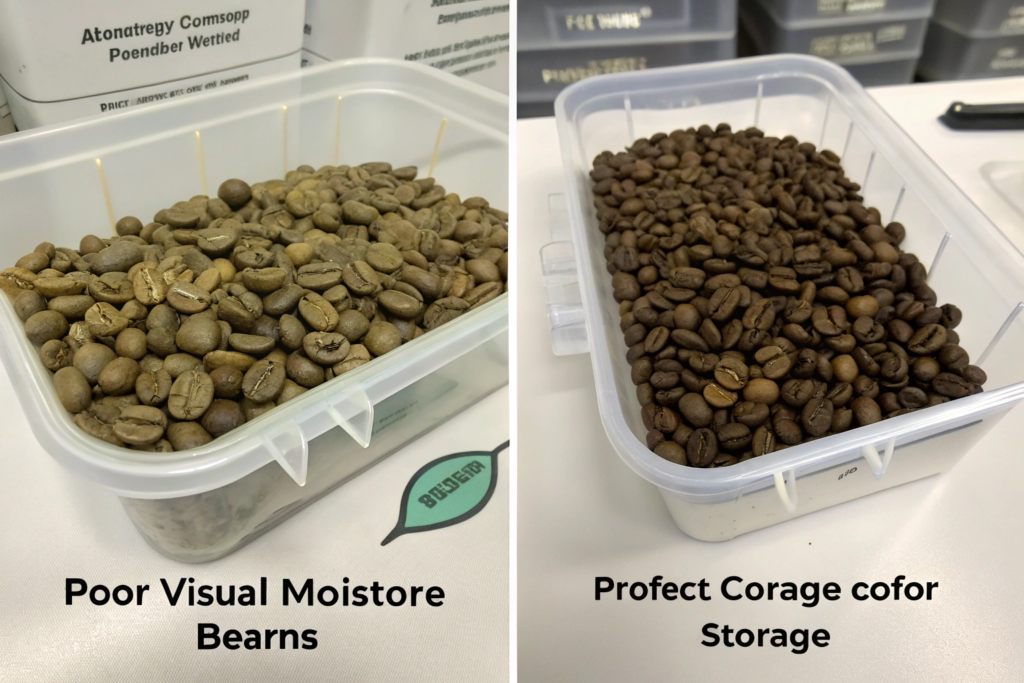
Coffee beans breathe. They absorb and release moisture based on surrounding conditions. When temperature fluctuates, moisture moves. Warm air holds more water. Cool air releases it. The result? Condensation inside your bags.
I've seen warehouses at 25°C that stored coffee perfectly because the temperature never changed. I've seen climate-controlled facilities at 20°C ruin beans because the system cycled on and off constantly. Stability matters more than the number. Check green coffee storage temperature guidelines for detailed recommendations on maintaining stability.
What humidity level actually prevents mold?
Below 60 percent relative humidity is safe. Below 50 percent is ideal. Above 65 percent, you're playing with fire. Mold spores are everywhere—they just need moisture to grow.
One trick we use: place moisture meters inside storage areas, not just on walls. Wall readings lie. The air between bags can be different. We monitor multiple points and move air continuously. Working with Shanghai Fumao helped us design airflow systems that eliminate dead spots where humidity collects.
How Should You Stack Bags for Long-Term Storage?
Walk into any coffee warehouse and you'll see bags stacked to the ceiling. Looks efficient. But is it smart? Not always. How you stack matters almost as much as where you store.
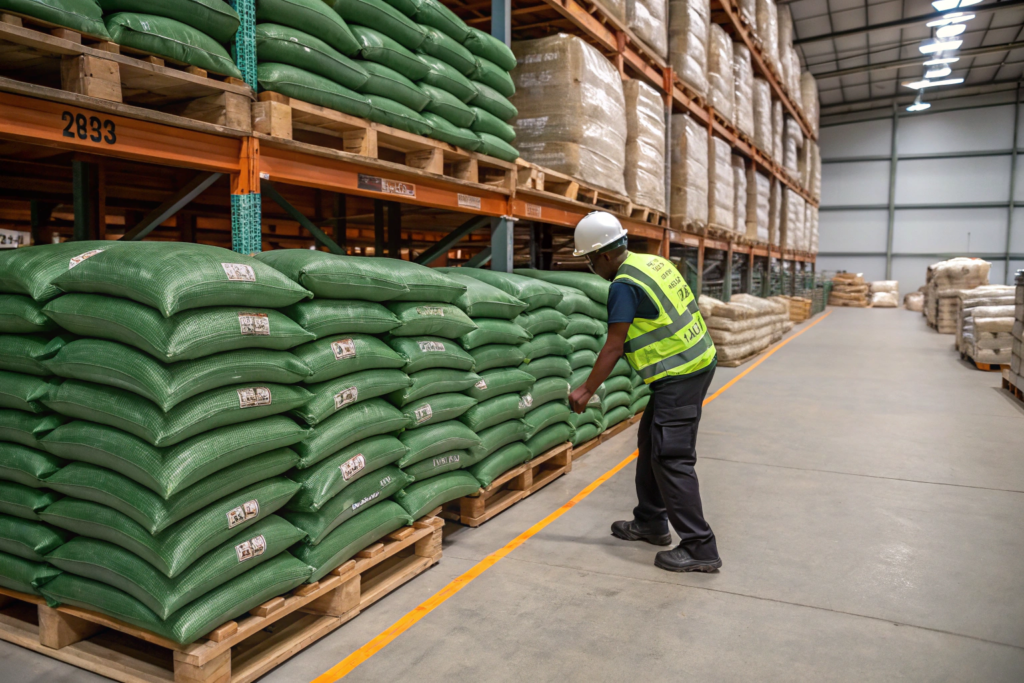
Bags must sit on pallets, never directly on concrete. Leave space between stacks for air circulation. Don't stack so high that bottom bags compress. And rotate stock so older beans get used first. These simple rules prevent countless storage failures.
Why can't bags touch the floor?
Concrete acts like a sponge. It pulls moisture from the ground and releases it slowly. A bag sitting directly on concrete absorbs that moisture from below. You won't see it until you open the bag and find mold at the bottom.
We use wooden pallets with at least 10 centimeters of clearance. Some warehouses use plastic pallets—also fine. The key is airflow underneath. Even better, we paint our warehouse floors with vapor barriers to reduce moisture migration. The Green Coffee Association storage standards provide excellent guidelines for floor preparation and pallet requirements.
How much space between stacks is enough?
Ten centimeters minimum. Twenty is better. Air needs to move between stacks to maintain consistent temperature and humidity. When bags touch, you create microclimates where moisture collects.
I once watched a buyer lose an entire pallet because stacks were too close. The middle bags developed mold while outer bags stayed perfect. No one could see it until too late. Now we mark floor spaces clearly and enforce spacing rules. Working with partners like Shanghai Fumao ensures your beans arrive with proper storage recommendations based on your facility.
What Packaging Protects Green Coffee Best During Storage?
Packaging isn't just for shipping. It's your bean's home for weeks or months. Choose wrong, and you're fighting a losing battle against the elements. Choose right, and storage becomes simple.
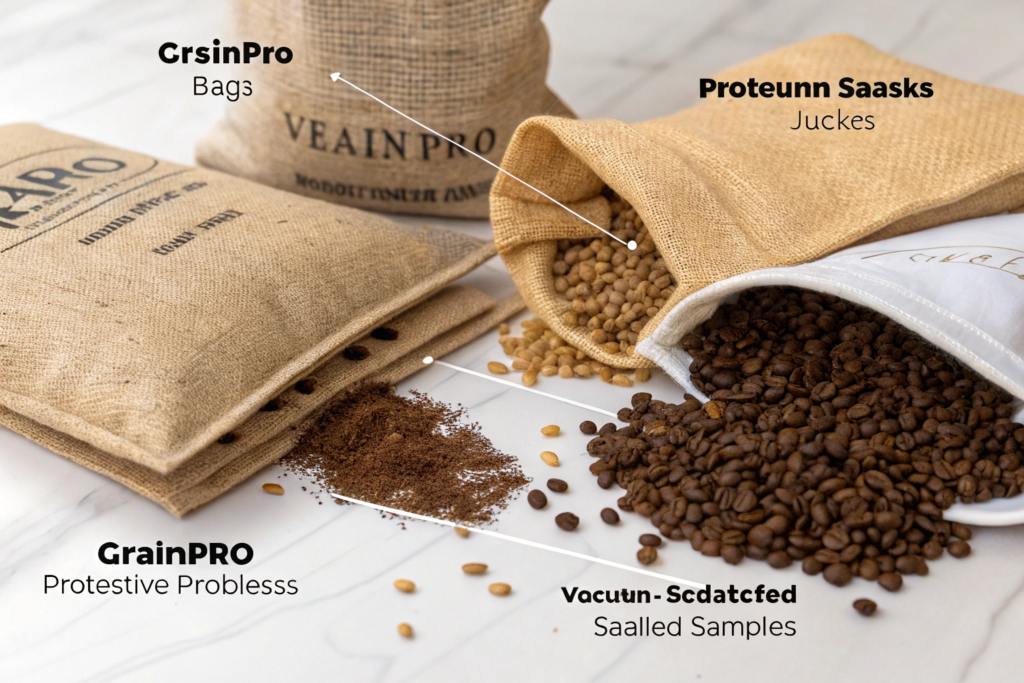
GrainPro hermetic bags provide the best protection for long-term storage. They block moisture, oxygen, and odors while maintaining stable internal conditions. Jute breathes—good for short term, risky for long term. Vacuum sealing works but requires specialized equipment to repack.
When should you use hermetic storage?
Any coffee stored longer than three months should go in hermetic bags. Any coffee in high-humidity environments should go in hermetic bags. Any coffee you're not 100 percent sure about your storage conditions? Hermetic.
We use GrainPro for all our specialty lots and any coffee destined for humid climates. The initial cost is higher, but the protection is worth it. One buyer in Florida stores our beans for six months in GrainPro without quality loss. Without it, they'd last six weeks. Check GrainPro coffee storage solutions for options that fit your volume.
Are jute bags completely wrong for storage?
No. Jute has advantages. It's breathable, which helps if beans need to release moisture. It's traditional, which matters for some certifications. And it's cheaper.
But jute offers zero protection against humidity changes. If your warehouse humidity spikes, your beans absorb it. If odors are present, your beans smell like whatever's nearby. We use jute for short-term storage and shipments, but always with liners for longer holds. Visit sustainable coffee packaging options to understand material choices.
How Can You Monitor Stored Coffee Without Opening Bags?
Opening bags to check quality defeats the purpose of storage. Every time you open, you introduce fresh oxygen and potential contaminants. But you still need to know what's happening inside.
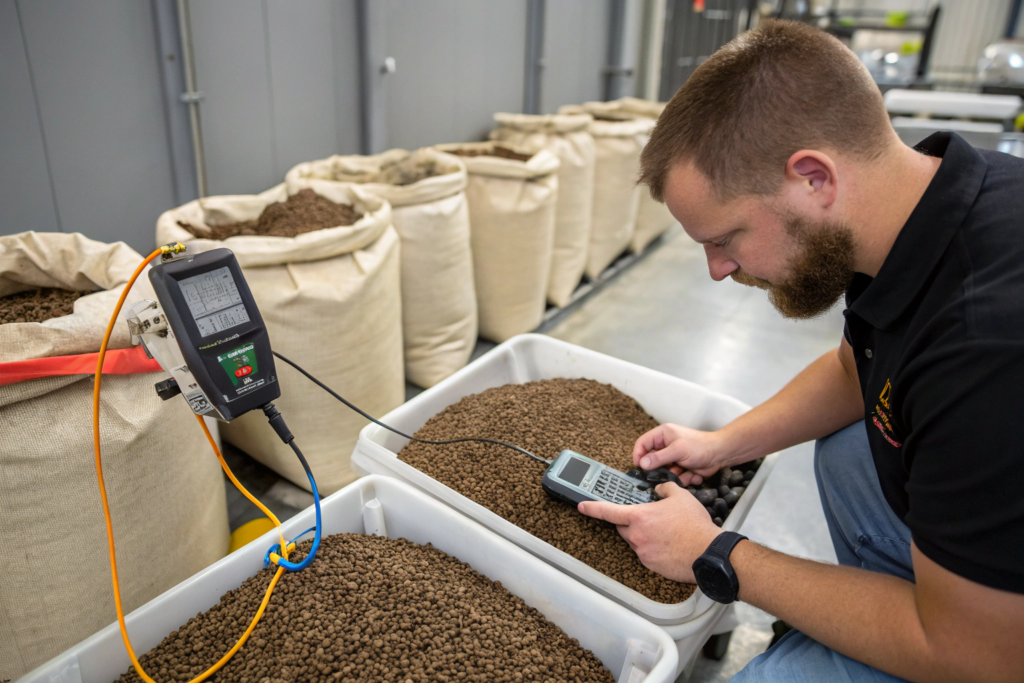
Temperature probes inserted between bags, humidity data loggers placed throughout storage, and occasional sampling from representative bags allow monitoring without compromising the whole lot. We use wireless sensors that alert us to changes before damage occurs.
What technology helps monitor storage conditions?
Wireless sensors changed everything. Ten years ago, we walked around with handheld meters. Today, we have sensors everywhere. They report temperature and humidity every hour. If something changes, my phone alerts me.
We also use CO2 sensors in storage areas. Rising CO2 levels indicate fermentation—meaning something's rotting. Catch it early, save the lot. One alert saved us $30,000 last year when a cooling unit failed overnight. The Specialty Coffee Association storage technology guide covers monitoring options for facilities of any size.
How often should you physically inspect stored coffee?
Monthly inspections for most coffee. Weekly for high-value lots. But inspections should be visual and olfactory, not destructive. Look for bags that look different—darker patches, white spots, unusual dust. Smell the air around stacks.
If something seems wrong, sample from one bag, not twenty. Confirm the problem before opening more. We've saved countless bags by catching issues early and isolating affected lots. Working with Shanghai Fumao provides access to their quality team for second opinions when problems arise.
What's the Maximum Safe Storage Time for Green Coffee?
Buyers always ask: how long will these beans last? The answer depends on everything we've discussed. Storage conditions. Bean density. Processing method. Packaging. But I'll give you real numbers based on our experience.
Under ideal conditions, hard beans maintain peak quality for 12 months, soft beans for 8 to 10 months. After that, gradual flavor loss occurs even in perfect storage. Hermetic packaging extends these timelines by 3 to 6 months. Nothing stops aging completely—it only slows it down.

How can you tell if stored beans are still good?
Roast a sample. Cup it. Compare it to records from when the beans arrived. Your palate is the ultimate test. But there are signs before roasting.
Old beans look duller, more faded. They feel lighter. They smell flat—not bad, just not vibrant. When roasted, they'll lack the brightness and complexity of fresh beans. They might still be usable for blends, but not for single-origin programs. Review green coffee aging research for scientific data on quality changes over time.
Should you freeze green coffee for longer storage?
Freezing works. Many top roasters freeze their best lots to preserve peak quality for years. But freezing requires planning. Beans must be sealed airtight before freezing. Thawing must happen slowly, in the sealed bag, to prevent condensation.
We don't recommend freezing for most buyers. The risks of condensation during thawing outweigh benefits unless you have controlled processes. If you're considering freezing, research thoroughly first. Visit professional coffee freezing protocols for detailed guidance from roasters who do this successfully.
Conclusion
Proper green coffee storage isn't complicated, but it requires attention. Stable temperature. Controlled humidity. Proper stacking. Good packaging. Regular monitoring. Follow these basics, and your beans will reward you with consistent quality months after arrival. Ignore them, and you're throwing money away.
At Shanghai Fumao, we take storage seriously from the moment beans leave our Yunnan plantations. We train our buyers on proper storage when they receive shipments. We answer questions anytime. Because your success with our beans determines whether you'll order again.
If you have questions about storing your next shipment, contact our export manager, Cathy Cai. She'll walk you through exactly what your specific beans need based on your location and facility. Email her at cathy@beanofcoffee.com. Tell her where you're located, what volumes you're storing, and what challenges you've faced before. She'll respond within 24 hours with practical advice that actually helps.