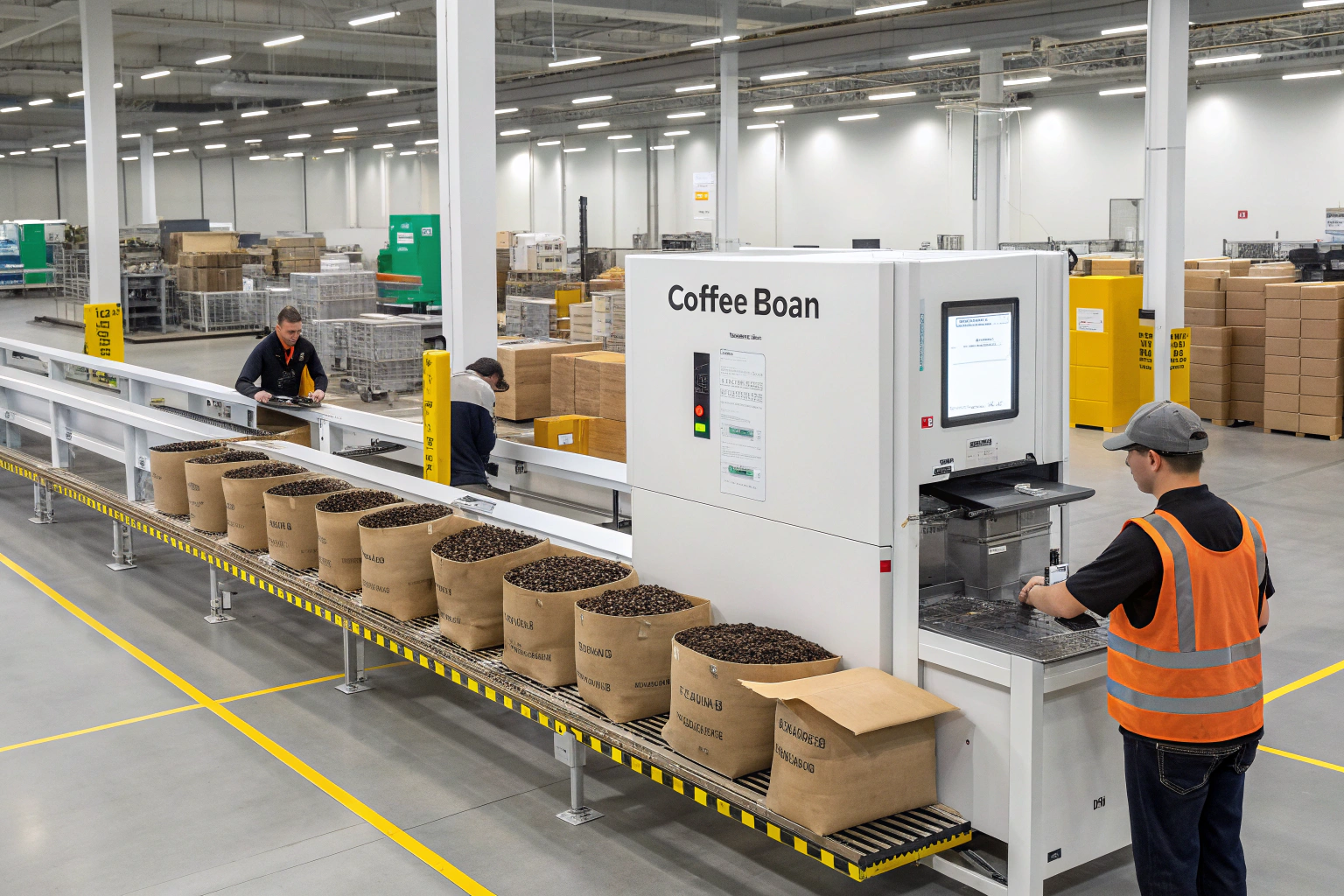
In the competitive world of wholesale coffee, a slow or error-prone fulfillment process can damage your reputation with roasters, cafes, and distributors. Streamlining is not just about cutting costs; it's about building reliability, scalability, and trust. For an exporter like BeanofCoffee, a smooth operation ensures that our premium Yunnan beans are delivered to our global partners with consistency and speed, directly supporting their business needs.
Streamlining your coffee bean order fulfillment requires a holistic approach that integrates technology, process redesign, and strategic partnerships. The most effective strategy focuses on automating core workflows, optimizing physical warehousing and logistics, embedding quality control into operations, and designing the entire system for resilience and growth. This transformation moves fulfillment from a cost center to a key competitive advantage.
Let's examine the four critical areas to master for a faster, more accurate, and scalable fulfillment operation.
How to Automate and Digitize Order Management for Efficiency?
The journey begins when an order is placed. Manual entry, spreadsheets, and disconnected communication create the first bottlenecks. Automating this stage is foundational.
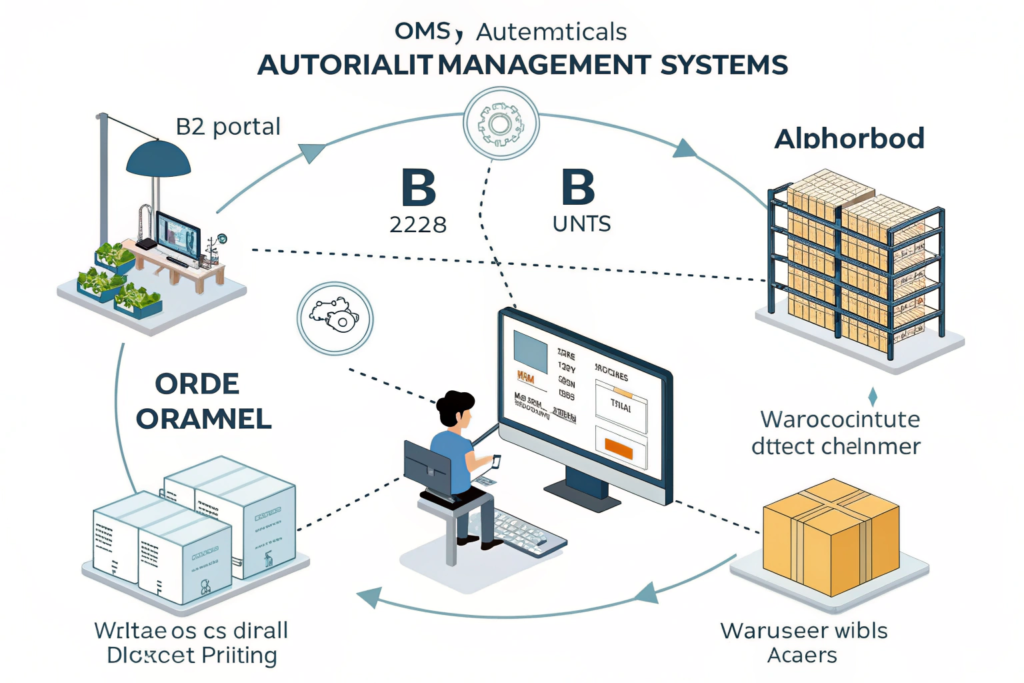
Implementing a centralized Order Management System (OMS) or Enterprise Resource Planning (ERP) software is the critical first step. This system should serve as the "central brain" of your operation. A modern OMS can automatically aggregate orders from all your sales channels—whether through a B2B portal, Alibaba, or direct emails—into a single dashboard. It can then intelligently route these orders for production planning, inventory allocation, and warehouse picking without manual re-keying. This eliminates errors, saves administrative time, and provides real-time visibility into your order pipeline.
How Can Digitization Improve Demand Forecasting?
Beyond processing, digitization enables data-driven planning. Your OMS or ERP can analyze historical sales data to generate accurate demand forecasts. This intelligence is invaluable. It allows you to guide procurement at origin more precisely, align roasting schedules with anticipated needs, and optimize pre-packaging of popular SKUs. This proactive approach minimizes the risks of stockouts, which can lose sales, and overstocking, which ties up capital and risks bean staling.
What Are the Advantages of a Unified Data Platform?
A single digital platform creates a "source of truth" for your entire business. Key metrics like order cycle time, inventory turnover, and fulfillment cost per order become instantly trackable. This visibility allows management to identify bottlenecks, measure the ROI of process improvements, and make strategic decisions. For example, seeing that a particular product line has a consistently longer fulfillment time can trigger a review of its packaging or storage location.
What Innovations in Warehousing and Logistics Cut Time and Cost?
Once an order is digitally processed, its physical handling must be equally efficient. Modernizing storage, picking, and shipping is where major gains in speed and cost reduction are achieved.
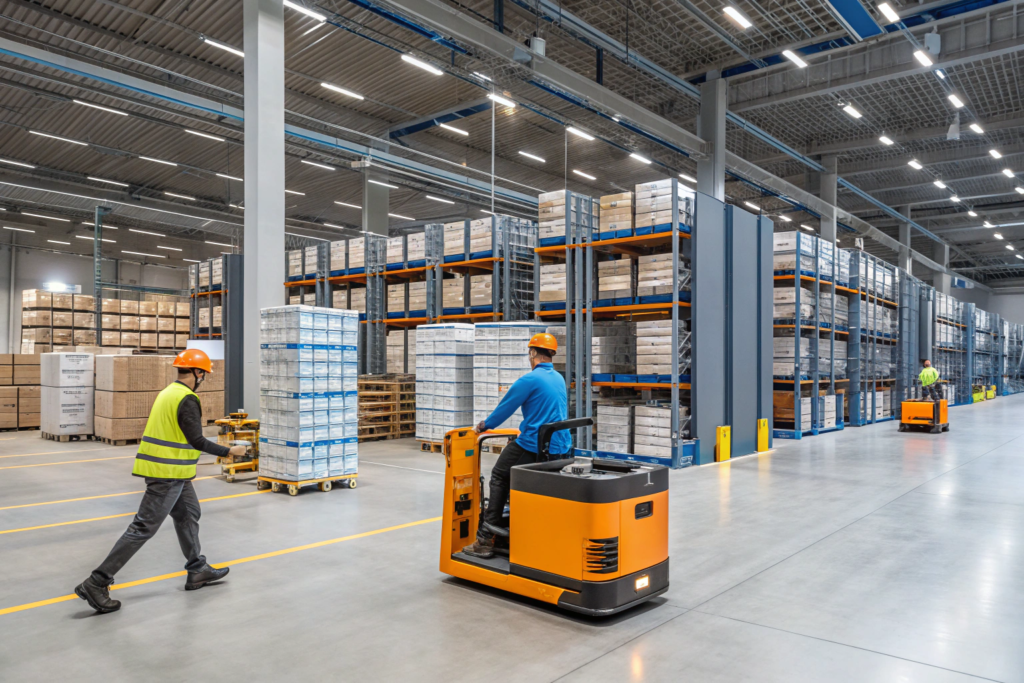
Invest in warehouse optimization. This starts with a logical layout where fast-moving SKUs are placed in the most accessible "golden zone" to minimize picker travel time. Consider implementing a Warehouse Management System (WMS) that generates optimized pick paths and directs workers via mobile devices. For higher-volume operations, explore automation such as goods-to-person systems or automated storage and retrieval systems (AS/RS) that can dramatically increase pick rates and reduce labor costs.
How Can You Optimize Last-Mile and International Shipping?
For shipping, leverage technology to make smart decisions. Integrate your OMS with multiple carrier APIs (like DHL, FedEx, or regional specialists) to enable automated carrier selection and label printing. The system can choose the best carrier based on real-time rates, delivery speed, and destination for each order. For international wholesale, strategic use of bonded warehouses can be transformative. Storing imported green beans in a bonded warehouse within your target market allows for "production-on-demand," where you roast and ship locally, eliminating weeks of ocean transit for each order and ensuring faster, fresher delivery to your clients.
What Role Do AI and IoT Play in Logistics?
Advanced technology is reshaping logistics. Artificial Intelligence (AI) can optimize complex delivery routes, predict transit delays, and even suggest the most efficient way to load a container. Internet of Things (IoT) sensors placed in shipments provide real-time, condition-based monitoring. You and your client can track not just location, but also the temperature and humidity inside the container, ensuring the coffee is protected throughout its journey and providing verifiable proof of proper handling.
How to Embed Quality Control into a Streamlined Workflow?
Quality assurance must be a seamless, integrated part of the fulfillment process, not a gate that causes delays. The goal is to build quality in, not inspect it out.
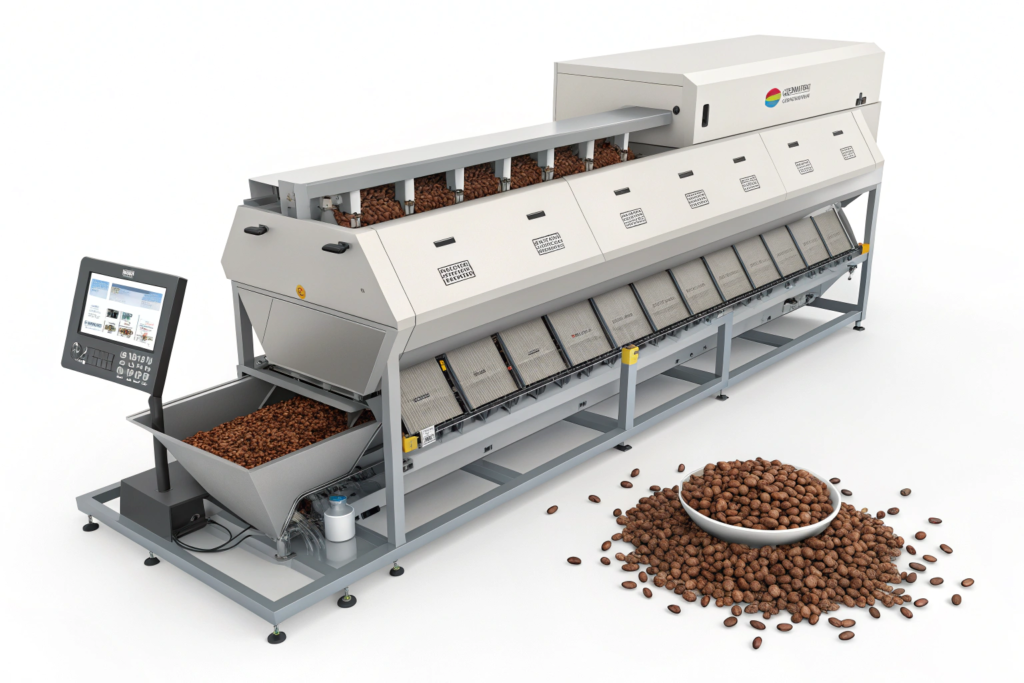
Develop a standardized quality protocol that is executed at key stages. This includes inspection of incoming green beans, post-roasting sample analysis, and a final pre-shipment check. The key is to use technology to make these checks fast and objective. For defect removal, automated optical sorters can scan beans at high speed, using cameras and air jets to remove defective beans with near-perfect accuracy, far surpassing manual sorting. Moisture analyzers and density sorters provide instant, reliable data to ensure every batch meets specification.
How Can Digital Traceability Enhance Quality and Trust?
Implement a digital traceability system using QR codes, RFID tags, or batch numbers linked to a central database. As coffee moves through processing, roasting, and packaging, key data points (origin, roast date, quality scores) are digitally recorded against its unique ID. When an order is fulfilled, this data can be automatically included with the shipment or accessed via a portal. This provides your B2B clients with transparent, verifiable proof of quality, origin, and handling, turning your fulfillment process into a trust-building tool.
Can Quality Data Drive Broader Operational Improvements?
Yes, effectively. Quality control data should feed a continuous improvement loop. By analyzing defect trends linked to specific farms, harvests, or processing methods, you can provide actionable feedback to your suppliers at origin. Similarly, data on roast consistency can inform maintenance schedules for your roasting equipment. This proactive use of data prevents future quality issues, reduces waste (of both beans and time), and strengthens your entire supply chain.
How to Build a Fulfillment System That Scales with Your Business?
Efficiency today is meaningless if the system breaks under tomorrow's growth. Your fulfillment infrastructure must be designed for scalability and resilience.
Build on a foundation of strategic partnerships and flexible infrastructure. This includes relationships with reliable logistics providers, technology vendors who support scalable solutions, and suppliers who can grow with your volume. Consider the strategic value of vertical integration; controlling more of your supply chain, from sourcing to roasting, can reduce dependencies and improve coordination. Design your processes and software architecture to be modular. This allows you to add new warehouse locations, sales channels, or product lines without a complete system overhaul.
What Are the Key Performance Indicators for a Streamlined Operation?
To measure success, track these essential KPIs:
- Order Cycle Time: The end-to-end time from order receipt to customer receipt.
- Inventory Accuracy: The match between your system's inventory count and physical stock.
- Perfect Order Rate: The percentage of orders delivered complete, on time, and damage-free.
- Fulfillment Cost as a Percentage of Revenue.
Monitoring these metrics will highlight strengths, pinpoint areas for further optimization, and demonstrate the financial impact of your streamlining efforts to stakeholders.
Conclusion
Streamlining coffee bean order fulfillment is a comprehensive strategic initiative. It requires moving from isolated, manual tasks to an integrated, technology-driven system that spans from order entry to the customer's door. By automating workflows, optimizing physical logistics, embedding smart quality control, and building for the future, you create an operation that delivers not just coffee, but reliability, transparency, and value. This is the foundation for sustainable growth and lasting partnerships in the global coffee trade.
At Shanghai Fumao, our vertically integrated model in Yunnan is the perfect platform for efficient, transparent fulfillment. We are committed to applying these principles to ensure our partners receive their premium Arabica, Catimor, and Robusta beans with unparalleled consistency and care. To explore how we can build a streamlined supply chain together, please contact our sales lead, Cathy Cai, at cathy@beanofcoffee.com.