You open a new bag of your favorite single-origin beans. You grind, brew, and take a sip. Something's off. The vibrant blueberry note you loved is now a muted, dull fruitiness. The crisp acidity has turned sour. Is it your technique, or have the beans simply gone stale? For a commercial buyer like Ron, who purchases in bulk, this isn't just a disappointing cup—it's a direct hit to product quality, customer satisfaction, and profit. Staleness is a silent profit killer in the coffee business, and knowing how to detect it is your first line of defense.
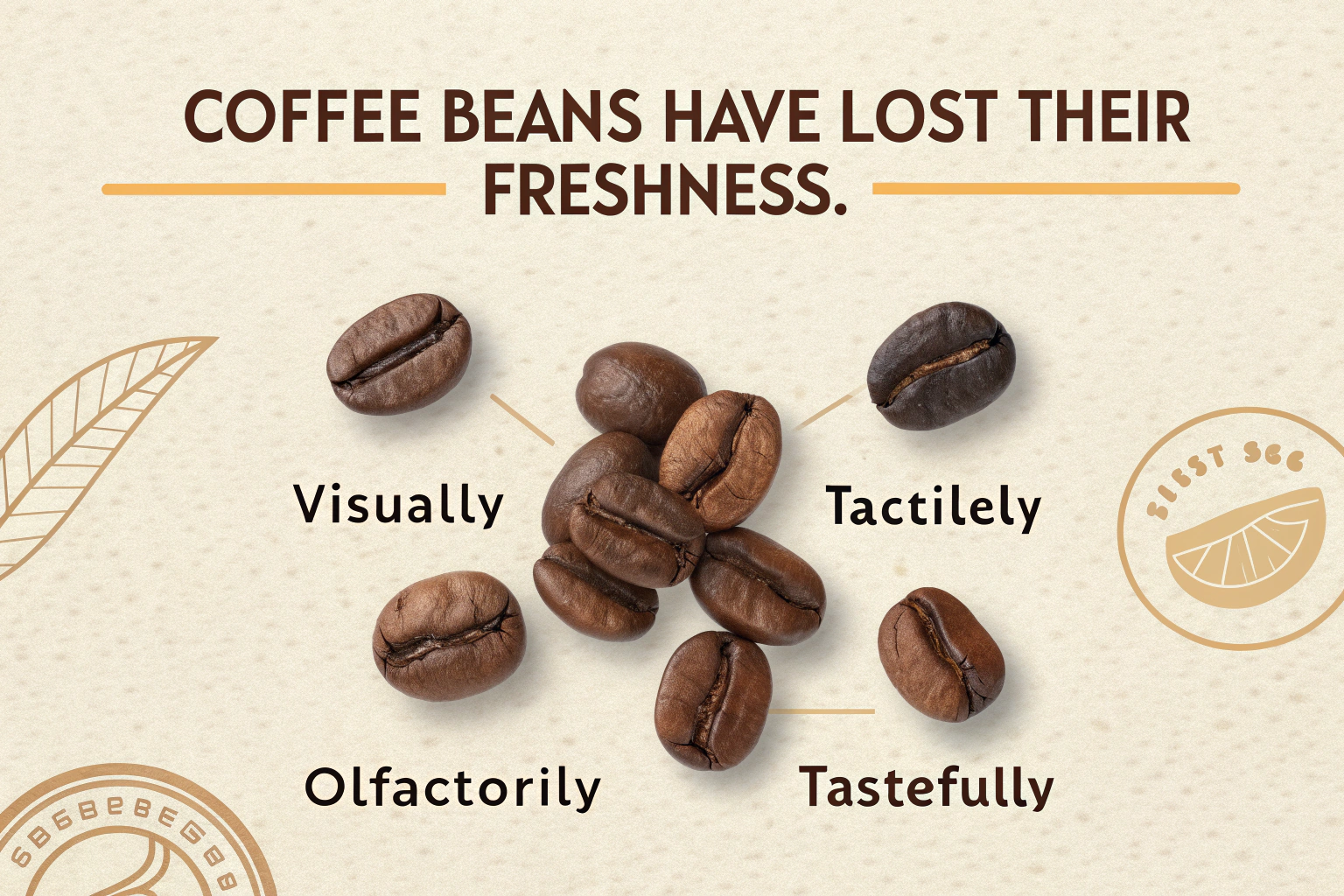
To tell if coffee beans have lost their freshness, you must engage all your senses and understand the science of degradation. Visually, look for a loss of sheen and a faded color. Tactilely, feel for a lack of oily texture and a brittle snap. Olfactorily, smell for the absence of rich aroma and the presence of cardboard, rancid, or musty notes. Most definitively, taste for muted, flat, or harshly bitter flavors with a lack of sweetness and complexity. Staleness is the irreversible loss of volatile aromatic compounds and the oxidation of oils, not just "old age."
That definition is key. Freshness is about the presence of positive attributes; staleness is about their absence and the emergence of negative ones. Let's move beyond theory and into the practical, step-by-step sensory evaluation you can use on your warehouse floor or in your cupping lab to protect your business.
What Are the Visual and Textural Signs of Stale Beans?
Your eyes and hands are the first, fastest tools. Freshly roasted coffee undergoes dramatic changes in the first few days and weeks. The visual and tactile clues are direct results of chemical processes—namely, degassing and oxidation. You don't need to be a Q-Grader to spot the obvious warnings.
Fresh coffee is lively and evolving. Stale coffee is static and declining. The difference becomes clear when you know what to look for and feel for. Let's break down the specific, observable changes.
Does the Absence of Oils Always Mean Stale?
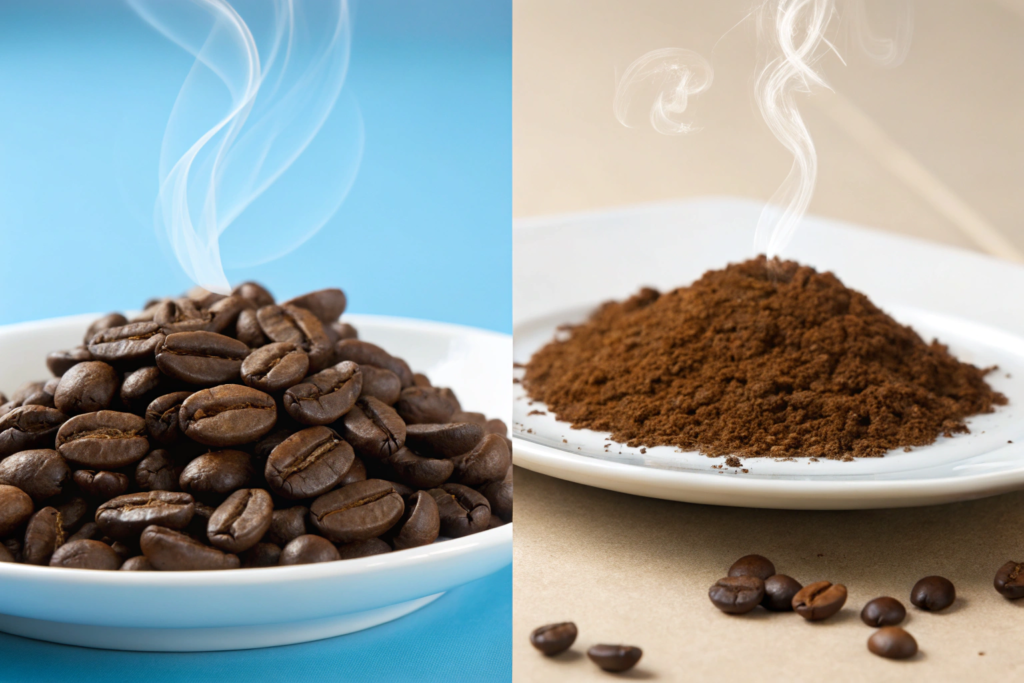
Not always, but it's a major clue. Right after roasting, oils migrate from the bean's core to the surface—this is the "sweat." For dark roasts, a visible sheen appears within days. For light roasts, oils may barely surface. So, a dry light roast isn't necessarily stale. However, a dark roast that should be oily but appears completely dry, matte, and faded is a red flag. More telling is a change over time: if beans that were once glossy become dull, oxidation has set in. Also, look for color fading; stale beans often lose their rich hue and look more uniformly pale or ashy. It's a loss of vitality you can see.
How Does the "Snap Test" Work as a Freshness Indicator?
This is a simple, powerful physical test. Take a few beans and try to snap them between your fingers. A fresh bean is dense and pliable. It will require some pressure and snap with a clean, sharp crack. A stale bean has become brittle and porous from moisture loss and structural breakdown. It will often crush into multiple pieces or powdery crumbs with little resistance. This test is especially useful for assessing older beans where visual cues might be ambiguous. The structural integrity of the bean is directly linked to its ability to hold flavor compounds. A bean that crumbles has lost that integrity.
How Does Aroma Reveal the Truth About Freshness?
The nose knows. Coffee's most enchanting quality is its aroma, which is created by hundreds of volatile organic compounds (VOCs). These are the first to escape after roasting. The aromatic profile is therefore the most sensitive indicator of freshness loss. A dull nose is the earliest warning sign, long before taste completely fails.
Think of a fresh bag of beans as a symphony of scent: florals, fruits, caramel, nuts. Staleness is the orchestra leaving, one section at a time, until only a few faint, off-key notes remain. Learning to "read" the aroma tells you the bean's story.
What Does "Fresh" Actually Smell Like?
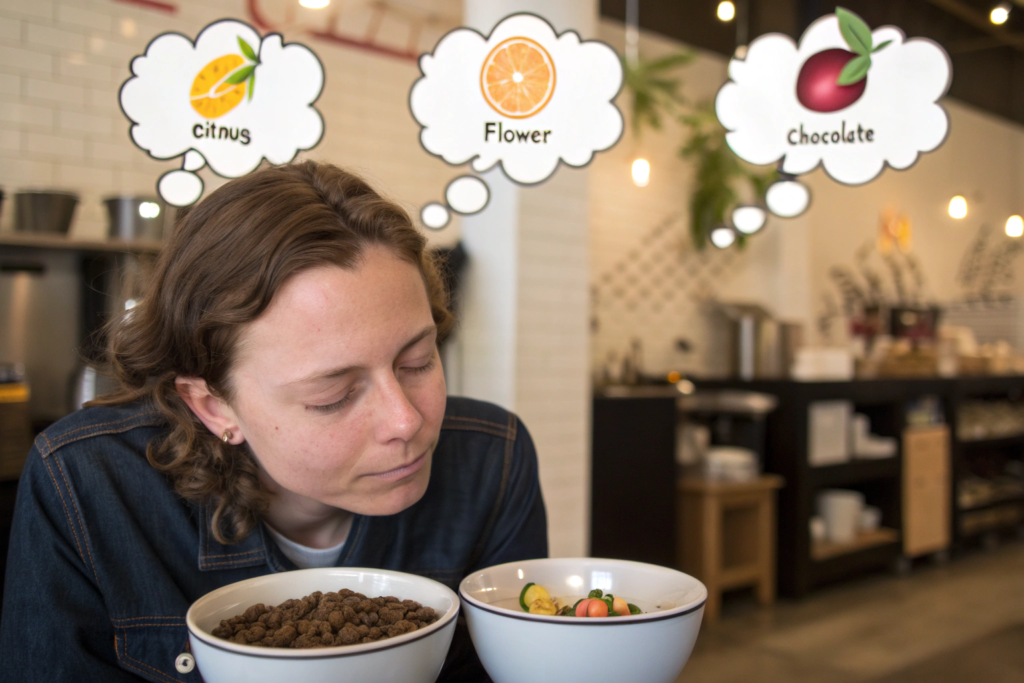
Freshly roasted and ground coffee should have a potent, complex, and inviting aroma. It might be sweet like caramel or brown sugar, fruity like berries or citrus, floral like jasmine, or nutty/chocolatey. The key is intensity and clarity. When you open a bag of our freshly shipped Yunnan Catimor, you should get a distinct, pleasant scent that makes you want to brew it immediately. The aroma should be evident even before grinding; grinding should release a powerful wave of scent. This aromatic punch is the hallmark of well-preserved, recently roasted beans. A strong, pleasant aroma is the single best predictor of a good tasting experience.
What are the Tell-Tale Stale Aromas to Recognize?
As VOCs dissipate and oils oxidize, negative aromas emerge. Train your nose to detect these specific stale notes:
- Cardboard/Paper: The most classic stale note. It smells flat, dry, and like an empty cereal box.
- Rancid/Old Nuts: Oxidized oils smell like old peanut butter or cooking oil that's gone bad. It's a sour, unpleasant fattiness.
- Musty/Dusty: This can indicate poor storage or age, reminiscent of a damp attic or old books.
- Loss of Origin Character: The beans don't smell "bad" per se, but the distinct fruity, floral, or chocolate notes have vanished, leaving a generic, weak coffee smell.
If your beans smell more like the packaging than the promise, they're past their prime. This sensory check is a crucial part of quality control before accepting any shipment.
What Defines Stale Taste in the Cup?
Brewing is the final, undeniable test. All the visual and aromatic hints culminate here. Staleness in the cup isn't just "weaker" coffee; it's a fundamentally degraded product with a specific and disappointing flavor profile. It’s where the science of oxidation and the art of tasting collide.
Fresh coffee has balance: sweetness, acidity, and bitterness in harmony, with clear flavor notes. Stale coffee loses this balance entirely. The taste is a story of absence and imbalance, and once you learn the plot, it's easy to spot.
Why Does Stale Coffee Taste Flat and Bitter?
This is the two-part curse of staleness:
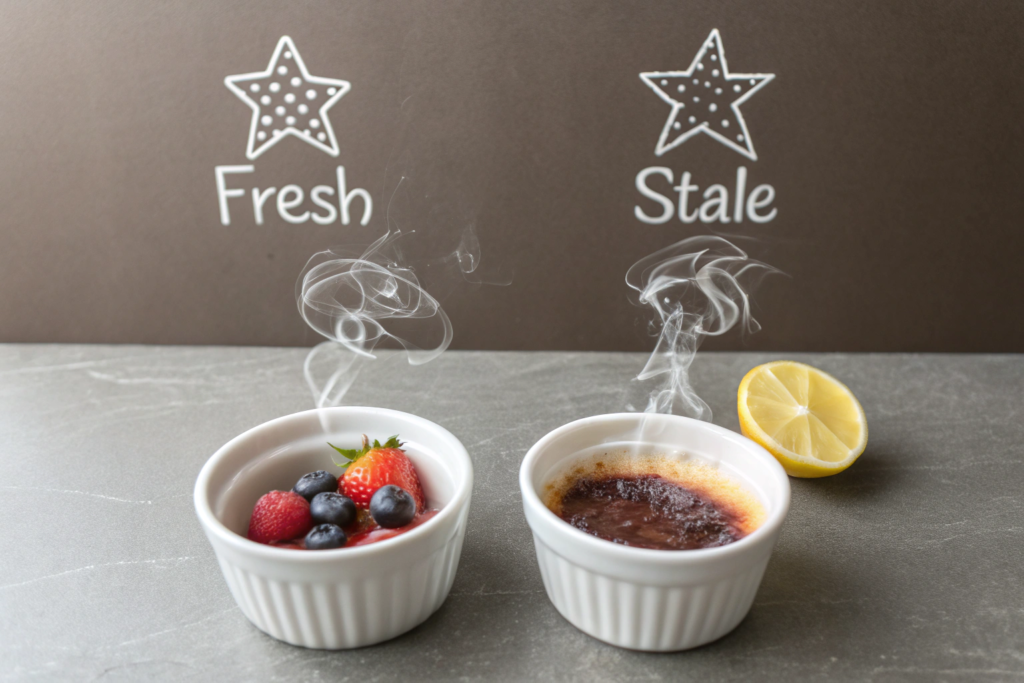
- Flatness/Lack of Sweetness: The volatile compounds that create fruity, floral, and sugary sweetness evaporate. The caramelized sugars degrade. What's left is the bean's baseline structure—the woody, cereal-like notes. The cup tastes hollow, papery, and devoid of the enjoyable high notes. It's one-dimensional.
- Harsh, Sour Bitterness: This is different from the rich, chocolatey bitterness of a dark roast. As antioxidants deplete, the remaining bitter compounds (like chlorogenic acid breakdown products) become more prominent and aggressive. The acidity, instead of being bright and juicy (like citrus), turns sharp, sour, and unpleasant. The balance is gone, leaving a rough, astringent finish that can feel like it's drying out your mouth. This is often what people describe as "bad" or "burnt" tasting coffee, even with a light roast.
How Can a Side-by-Side Cupping Unmask Staleness?
The most objective method is a comparative cupping. Brew two samples identically: one from a known fresh batch (your control) and one from the batch in question. Taste them side by side. The differences will be stark. The stale sample will lack the vibrancy, sweetness, and aftertaste of the fresh one. Its flavors will be muddled and short-lived on the palate. This method removes all doubt and is standard practice for professional quality assurance. It's how we at Shanghai Fumao ensure consistency in every shipment we export. If you're evaluating a new supplier, insist on cupping coffee from the exact lot you'll receive, not a generic sample.
How Do Storage and Age Accelerate Staling?
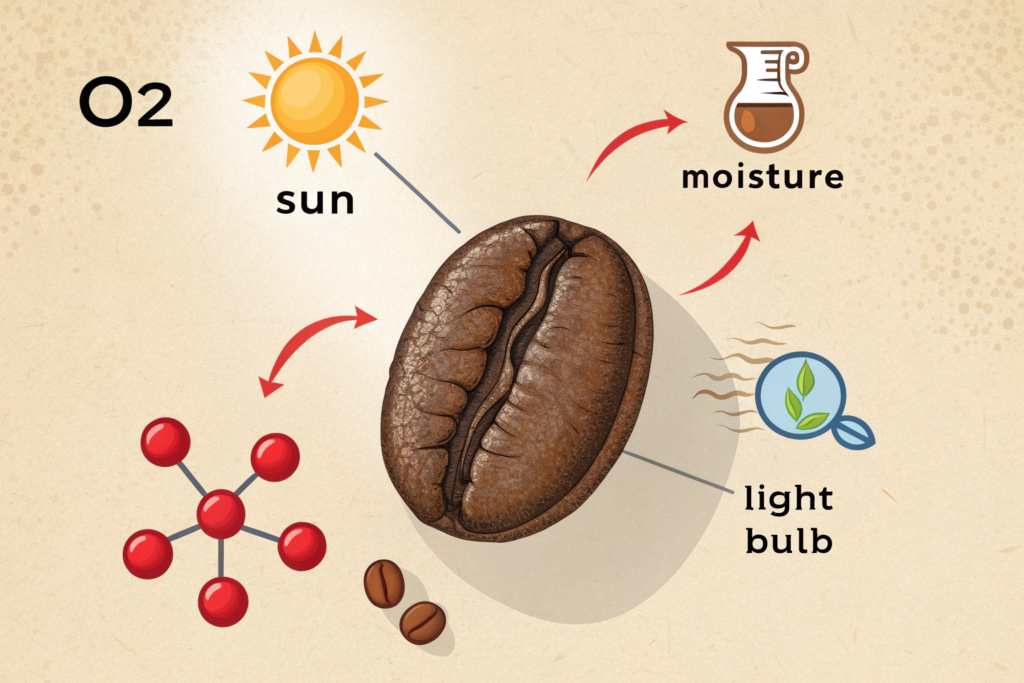
Staleness isn't just a function of time; it's a function of time spent in hostile conditions. Knowing how to spot stale beans is crucial, but knowing how to prevent it is how you protect your investment. The enemies are well-known: oxygen, light, heat, and moisture. Your storage strategy is your freshness preservation strategy.
Even the freshest beans from our farm will degrade quickly if mishandled after roasting. The clock starts ticking at the roaster, and every step in your supply chain either slows it down or speeds it up dramatically.
What is the Real Shelf Life of Roasted Coffee Beans?
There's no universal expiration date, but there's a prime window. For peak freshness, whole bean coffee is best consumed within 3 to 4 weeks of roasting, assuming proper storage. It remains acceptable for another few weeks. After 2 months, staleness is usually noticeable. Ground coffee's surface area explodes, and its prime window shrinks to minutes or hours, not weeks. The "best by" date on commercial bags is often 6-12 months out—this is a food safety date, not a freshness date. Always ask your supplier for the roast date. If they can't or won't provide it, consider it a major red flag regarding their quality control priorities.
How Does Packaging and Warehouse Storage Make or Break Freshness?
Examine the packaging of the beans you receive. One-way degassing valves are essential—they let CO2 out without letting O2 in. Opaque, foil-lined bags are far superior to clear or paper bags which let in light and oxygen. For bulk storage in your warehouse, beans should be in airtight, food-grade containers (not open sacks) in a cool, dark, and dry place. A warm warehouse near a shipping dock will destroy coffee in weeks. Check the storage conditions at every transfer point. Are the beans sitting on a hot pallet in the sun? That heat is catalyzing oxidation at an exponential rate. As a distributor, enforcing strict storage protocols with your clients (cafes, retailers) is part of protecting the product's integrity all the way to the end consumer.
Conclusion
Knowing how to tell if coffee beans are stale is a critical commercial skill that protects your product quality and brand reputation. It requires a multi-sensory approach: inspecting for visual dullness and brittleness, smelling for the loss of rich aroma and the rise of cardboard or rancid notes, and finally, tasting for flatness and harsh bitterness. This knowledge allows you to conduct effective quality control upon receipt of goods and to diagnose problems in your own inventory or product line.
Ultimately, the fight against staleness is won through partnership and practice. Partner with a supplier who prioritizes freshness by providing roast dates, using high-barrier packaging, and ensuring swift logistics. Practice rigorous sensory evaluation with your team. At BeanofCoffee, we treat freshness as a deliverable. We manage the timeline from roast to shipment meticulously, using packaging designed for the long haul, so our beans arrive in your warehouse not just safely, but vibrantly fresh. To evaluate the freshness and quality of our Yunnan Arabica, Catimor, or Robusta for yourself, contact our sales director, Cathy Cai, to request fresh samples from our latest roast cycle. Reach her at cathy@beanofcoffee.com. Taste the difference that rigorous freshness management makes.