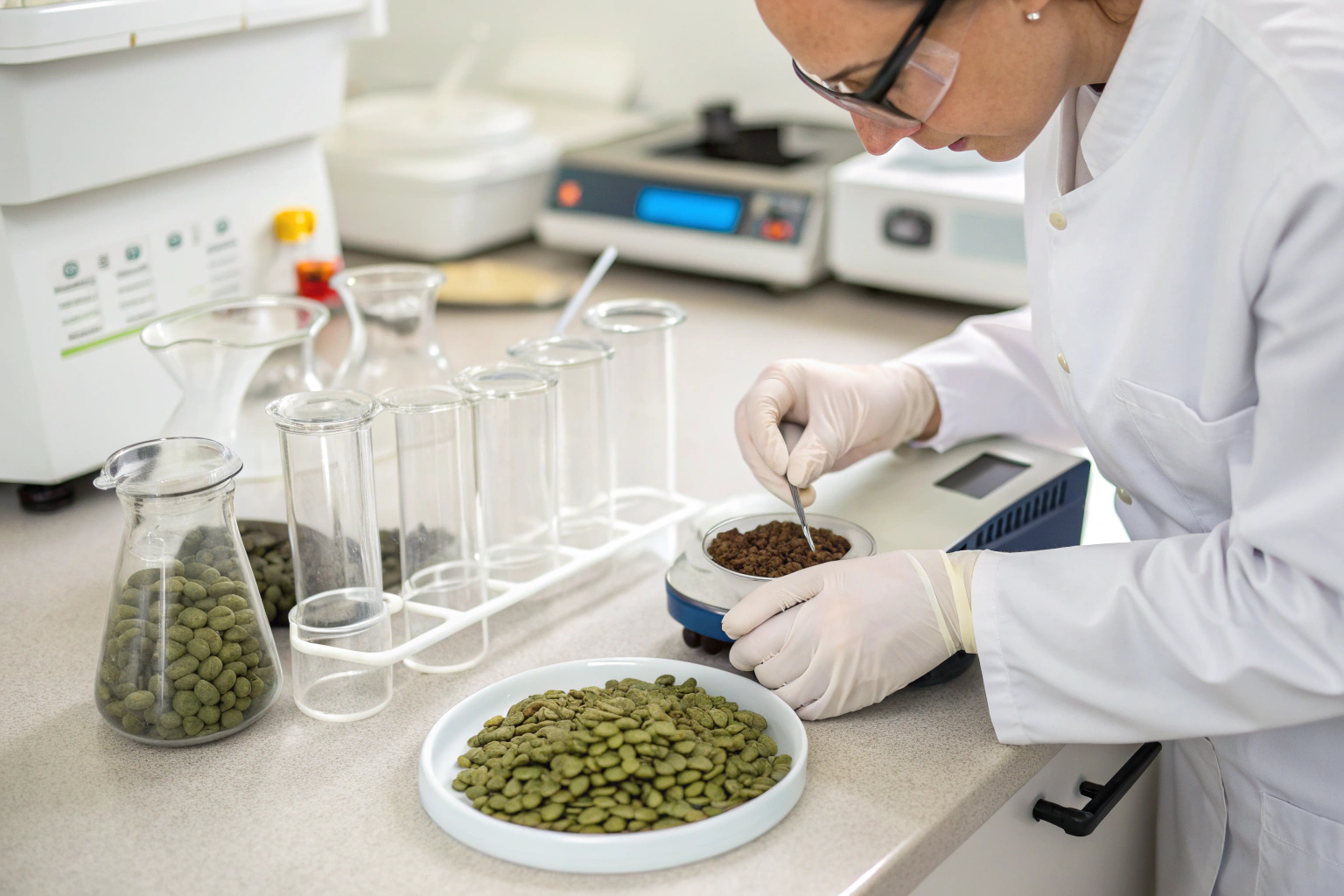
As a coffee buyer, your primary concern, even before flavor and price, is safety. You're like my client Ron; you need to be absolutely certain that the coffee you're importing into the U.S. is safe for consumption and meets all regulatory standards. You hear about mycotoxins, specifically Ochratoxin A (OTA), and it's a major point of anxiety. How can you be sure the green beans you're buying are free from this harmful compound? The lack of clear, accessible information on testing is a huge pain point for responsible buyers.
Let's demystify this. Testing for Ochratoxin A is a standard, scientific part of modern coffee quality control. The most common and reliable methods used in professional labs are immuno-assay techniques like ELISA and chromatographic methods like HPLC. These tests can accurately detect and quantify OTA levels down to parts per billion (ppb), ensuring the coffee is well below the strict safety limits set by regulatory bodies in Europe, North America, and Asia.
As the owner of a 10,000-acre coffee estate, Shanghai Fumao, I consider OTA prevention and testing to be a non-negotiable part of our commitment to our clients. It’s a cornerstone of being a "safe, reliable, and trustworthy" supplier. In this article, I'll break down what OTA is, how the main testing methods work, what the results mean, and most importantly, how prevention is the best cure.
What is Ochratoxin A and Why is it a Concern?
Before we talk about testing, let's be clear on what we're looking for. You hear the term "mycotoxin" and it sounds alarming, but what is it really? You're worried about the potential health risks and the possibility of a shipment being rejected by customs, which would be a financial disaster. Understanding the enemy is the first step to defeating it.
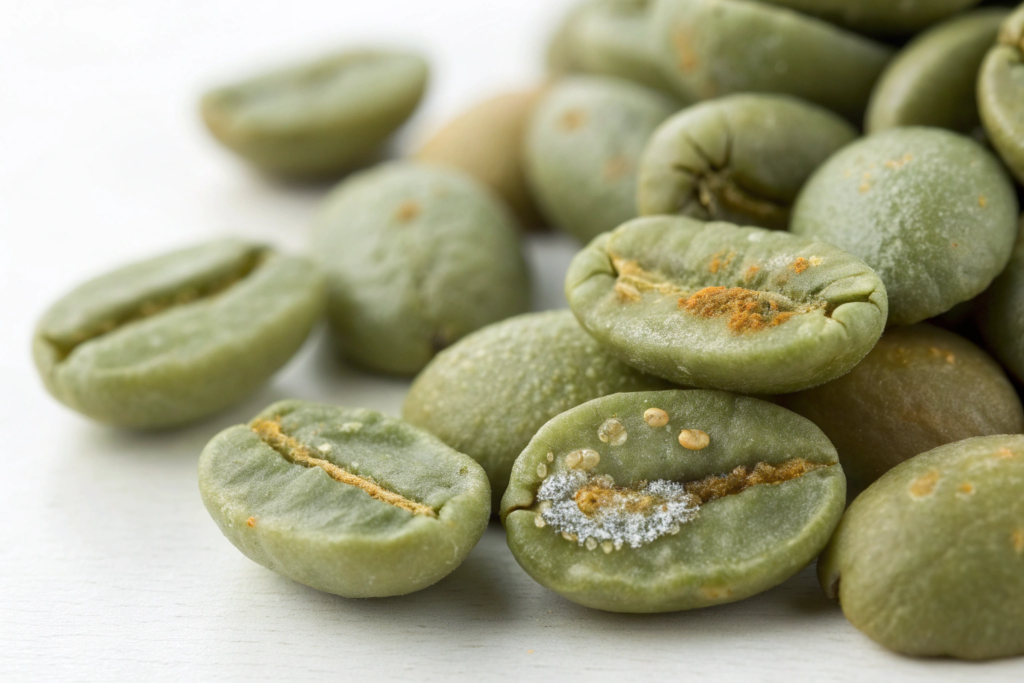
Ochratoxin A is a toxic compound produced by certain species of mold, primarily Aspergillus and Penicillium. It is a naturally occurring mycotoxin that can form on various agricultural products, including coffee, if they are not dried or stored properly. These molds thrive in warm and humid conditions. If coffee cherries are dried too slowly, or if the green beans are stored in a damp environment, these molds can grow and potentially produce OTA.
The concern is that OTA is a known nephrotoxin (damaging to the kidneys) and has been classified as a possible human carcinogen by the International Agency for Research on Cancer (IARC). Because of these health risks, food safety authorities around the world have established strict maximum limits for OTA in food products. For a coffee exporter and importer, meeting these limits isn't just good practice; it's a legal requirement.
How Does OTA Form on Coffee?
OTA formation is almost always a result of moisture mismanagement. It can happen at several stages: if the coffee cherries are left on the ground after picking, if the drying process on patios or beds is too slow due to rain or high humidity, or if the hulled green beans are stored in damp, poorly ventilated warehouses. The mold needs water to grow, so controlling moisture content at every step is the key to prevention.
What Are the Global OTA Limits for Coffee?
Regulatory limits vary slightly by region, which is a key point for exporters and importers. For example, the European Union has one of the strictest regulations, setting the limit for roasted coffee at 3 ppb and soluble (instant) coffee at 5 ppb. While the US FDA doesn't have a specific federal limit for coffee, the industry widely adheres to the EU standards as a benchmark for global trade. You can find more details on these regulations from sources like the Food and Agriculture Organization (FAO).
What are the Main Laboratory Testing Methods?
Okay, so you need to verify that your coffee is safe. How is this actually done? You're not a scientist, and you need to understand the testing process so you can request the right certificates from your supplier and trust the results. The technical jargon can be intimidating, and you're worried about not knowing what to ask for.
There are two primary types of tests that labs use to detect OTA in green coffee. Think of them as a quick screening tool and a precise confirmation tool.
The first is ELISA (Enzyme-Linked Immunosorbent Assay). This is a rapid, cost-effective screening method. It uses antibodies that are specifically designed to bind to OTA. If OTA is present in the coffee extract, a color change occurs, and the intensity of the color can be measured to estimate the OTA concentration. It's a fantastic tool for quickly screening many samples to see if there's a potential issue.
The second, more definitive method is HPLC (High-Performance Liquid Chromatography). This is the gold standard for mycotoxin analysis. It's a chromatographic technique that separates the different chemical components of a coffee extract. The lab can then identify and precisely quantify the exact amount of OTA present. If an ELISA test comes back with a high reading, an HPLC test is almost always used to confirm the exact result before any official action is taken.
How Does an ELISA Test Work in Simple Terms?
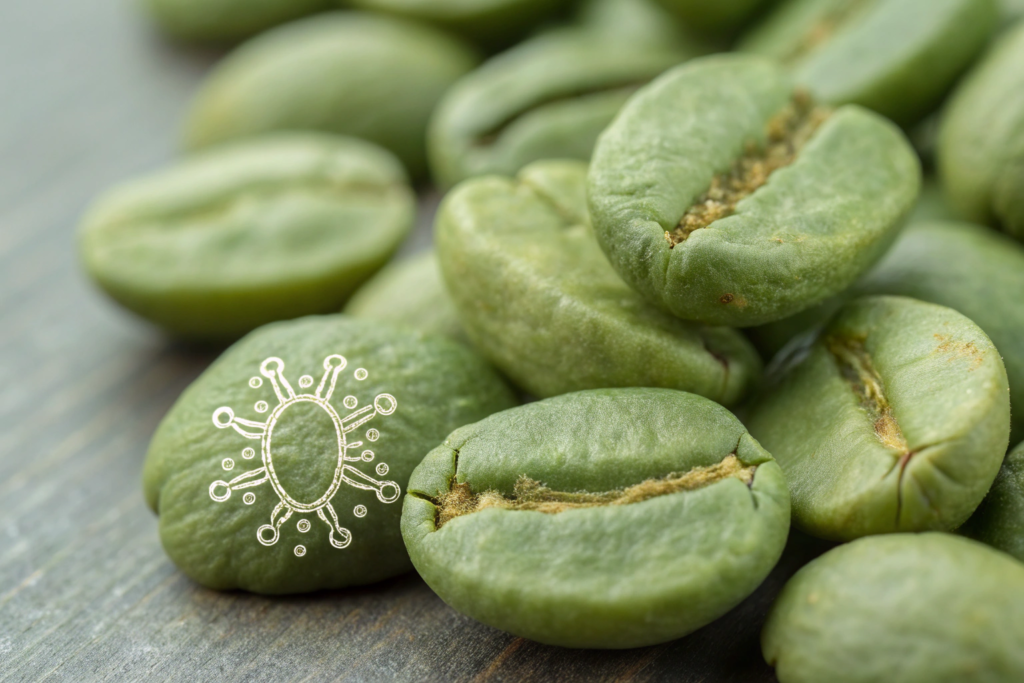
Imagine a lock and a key. The ELISA test plate has millions of "locks" (antibodies) that only the OTA "key" can fit into. When a coffee sample extract is added, any OTA present gets "locked" in. The test then adds another layer that causes a color change wherever a key is in a lock. It's a fast and effective way to see if the "key" is present, making it ideal for large-scale quality control screening right at the export facility.
Why is HPLC Considered the Gold Standard?
HPLC is more precise because it doesn't just detect the presence of a compound; it separates and measures it. Think of it as lining up every single person in a crowded room by height. HPLC separates every chemical compound in the coffee extract, allowing a detector to pinpoint the exact "OTA person" and measure their "height" (concentration) with extreme accuracy. This level of precision is why it's used for official regulatory verification and legal purposes.
How Should You Interpret Test Results?
Your supplier sends you a lab report or a Certificate of Analysis (CoA). It's a page full of numbers and technical terms. You see a line for Ochratoxin A. Now what? The core problem for a buyer is knowing how to read this document and what to look for. You need to be confident that the report proves the coffee is safe and will pass customs without issue.
Interpreting the results is straightforward once you know the key markers. First, look for the line item "Ochratoxin A." The result will be given in ppb (parts per billion) or sometimes µg/kg (micrograms per kilogram), which are equivalent units.
The most important thing you'll see is a number. For example, it might say "2.5 ppb" or " ppb". The symbol means "less than," indicating that the test detected no OTA, or an amount so small it was below the test's Limit of Detection (LOD). A result like "ppb" is an excellent result. You then compare this number to the regulatory limit in your target import country. If the result is well below the limit (e.g., 2.5 ppb is less than the EU's 5 ppb limit for green coffee), the coffee is considered safe and compliant. At Shanghai Fumao, we ensure every shipment is accompanied by a CoA showing OTA levels are negligible.
What Does "Limit of Detection (LOD)" Mean?
The Limit of Detection is the smallest amount of a substance that a specific lab test can reliably detect. If a report says the result is "ppb," it means that if there was any OTA present, it was less than 1.0 part per billion. For all practical purposes, this is considered a "non-detect" or negative result and is the best possible outcome you can see on a report.
What Should a Good Certificate of Analysis Include?
A trustworthy Certificate of Analysis should be from an accredited third-party laboratory. It must clearly state the name of the supplier, the specific lot number of the coffee being tested, the date of the test, the method used (e.g., HPLC), and the clear numerical result for Ochratoxin A, including the units (ppb or µg/kg). This traceability back to a specific lot is crucial for ensuring the report corresponds to the coffee you are actually buying.
How Can You Prevent OTA in Your Supply Chain?
Testing is a verification tool, but it's not a solution. As a buyer, you know that by the time a coffee tests positive for OTA, the problem has already occurred, and the coffee is likely worthless. The real solution is prevention. You're looking for a supplier who doesn't just test for problems but actively prevents them from ever happening.
The most effective way to control OTA is to build a supply chain founded on prevention. This means working with suppliers who practice Good Agricultural Practices (GAPs) and have meticulous control over their drying and storage processes. Prevention is far more effective and economical than rejection.
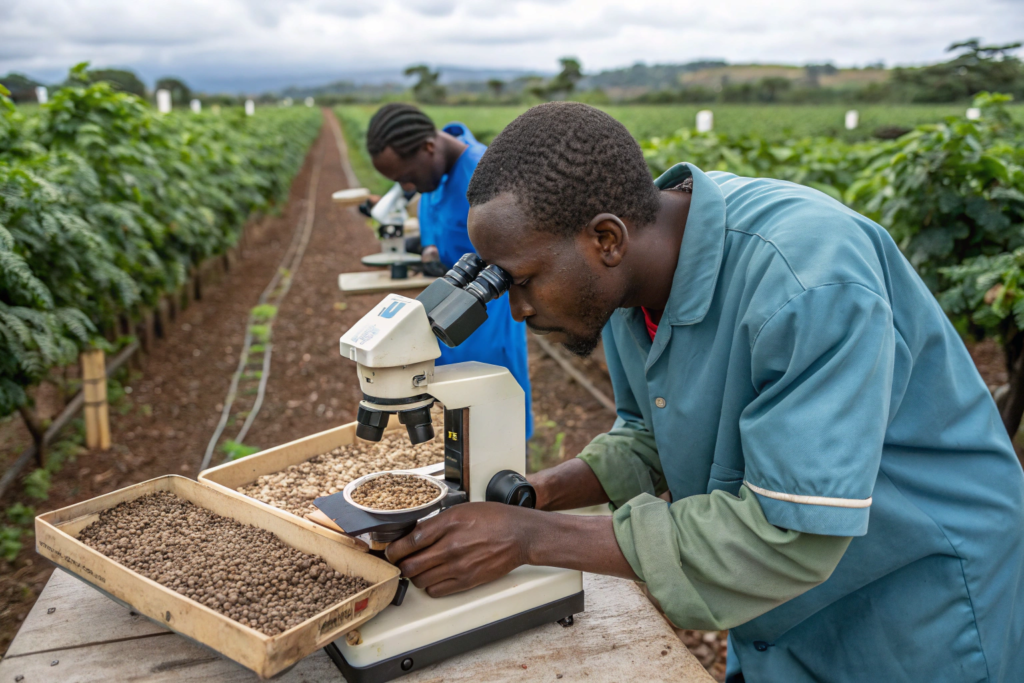
It all starts at the farm. Cherries should be picked at peak ripeness and never from the ground. The drying process must be swift and controlled, using raised beds or mechanical dryers to bring the moisture content down to that stable 10-12% level as quickly as possible. Finally, the green beans must be stored in a clean, dry, and well-ventilated warehouse, preferably in hermetic bags that protect them from external humidity. When you partner with a vertically integrated supplier who owns their own farms, like we do, you have direct oversight of these critical prevention steps.
What are Good Agricultural Practices (GAPs)?
GAPs are a set of principles applied to on-farm production and post-production processes to ensure food safety and quality. In the context of coffee and OTA, this includes practices like timely harvesting, sorting out damaged cherries, avoiding contact between cherries and the soil, and ensuring clean and efficient drying. Adherence to GAPs is a primary indicator of a high-quality, safety-conscious producer.
Why is Vertical Integration a Safer Bet?
Vertical integration, where a single company controls the process from the farm to export, offers unparalleled safety and traceability. When I walk through our own processing facilities in Baoshan, I can personally verify that our drying protocols are being followed. There are no gaps in the supply chain where moisture damage or contamination can occur. This direct control is the ultimate form of prevention and the strongest guarantee of safety a supplier can offer a buyer.
Conclusion
Testing for Ochratoxin A is a critical safety check in the coffee supply chain, but it should be the final confirmation of a process built on prevention. While sophisticated methods like ELISA and HPLC provide the scientific proof of safety, the real work is done long before the lab, through meticulous drying and storage. Understanding what OTA is, how it's tested, and how to interpret the results empowers you to be a more discerning and secure coffee buyer.
Ultimately, the most effective strategy is to choose your partners wisely. Work with suppliers who are transparent about their processes, who prioritize Good Agricultural Practices, and who can provide clear, traceable documentation for every lot. This focus on prevention and partnership is the only way to move beyond anxiety and build a truly safe, reliable, and high-quality coffee supply chain.
If you are looking for a supplier who builds safety into every step of the process, from our own farms in Yunnan to the final export documents, we would be honored to show you how we work. Please feel free to reach out to my colleague, Cathy Cai, at cathy@beanofcoffee.com to discuss our quality control protocols and how we can provide you with the safe, premium coffee your business deserves.