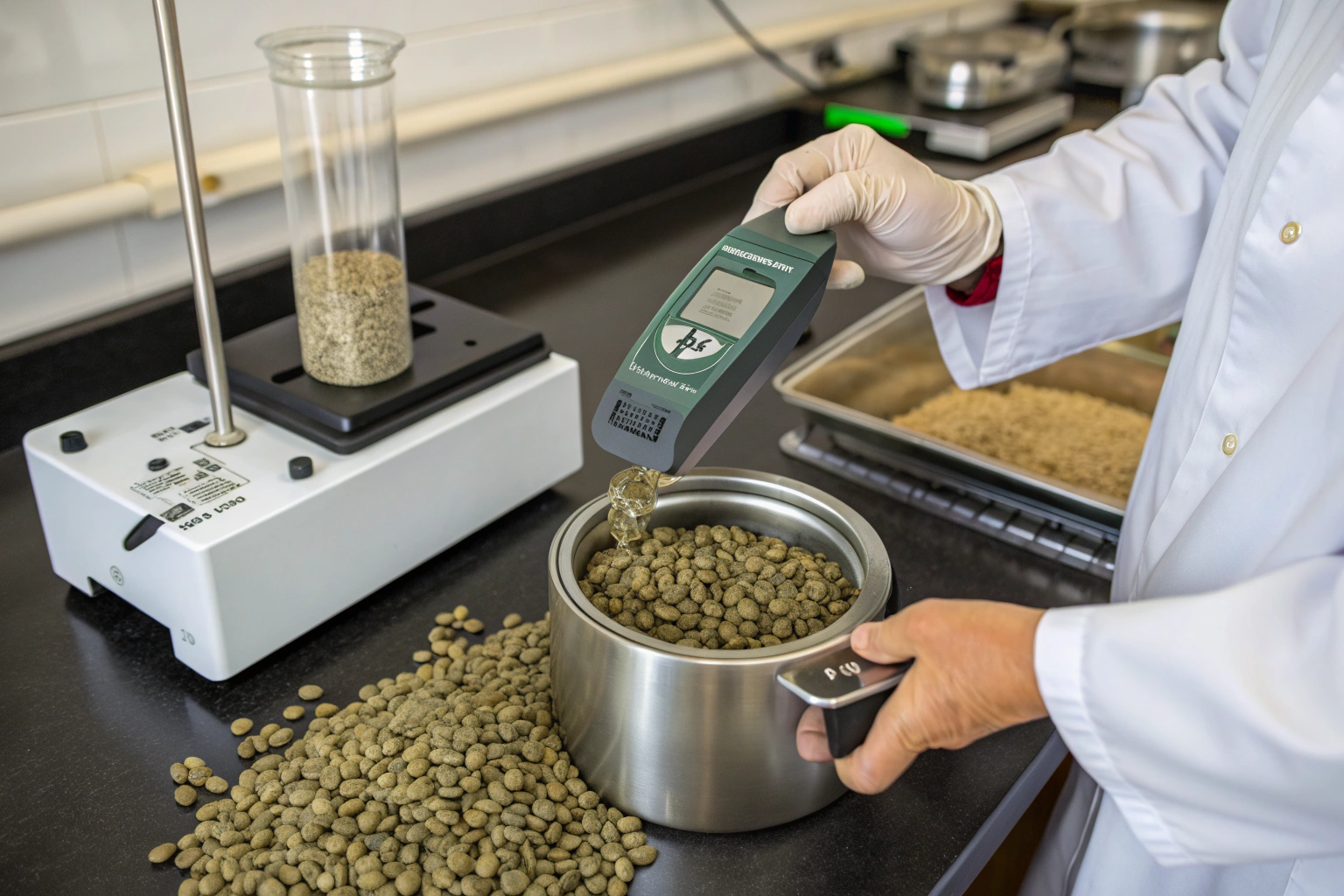
You've just received a new shipment of green coffee beans. The price was right, the origin story is compelling, but how do you know if they're stable enough for long-term storage or roasting? The answer often lies not in a visual inspection, but in measuring a single, critical parameter: Water Activity (aw). For a roaster, importer, or quality manager, ignoring this test is like driving a car without a fuel gauge—you're operating blind to a fundamental factor that dictates shelf life, roasting behavior, and financial risk.
Testing water activity in green coffee beans is a precise, instrument-based process that measures the amount of available water in the beans, which directly correlates to microbial stability and chemical activity. The industry-standard method uses a calibrated water activity meter, which places a sample of ground beans in a sealed chamber to measure the equilibrium relative humidity (ERH). A result below 0.70 aw is generally considered safe for long-term storage, while a reading above 0.75 aw indicates a high risk of mold growth and rapid quality degradation. This objective measurement is a cornerstone of professional quality control.
Think of water activity as a measure of "biological availability," not just total moisture content. Two batches can have the same moisture percentage (e.g., 11%), but if one has a higher water activity, it's far more susceptible to spoilage. This test gives you a direct, numerical insight into the safety and stability of your most important raw material. Let's walk through the exact procedure, the science behind it, and why it's non-negotiable for a reliable supply chain.
What Equipment Do You Need for Accurate Testing?
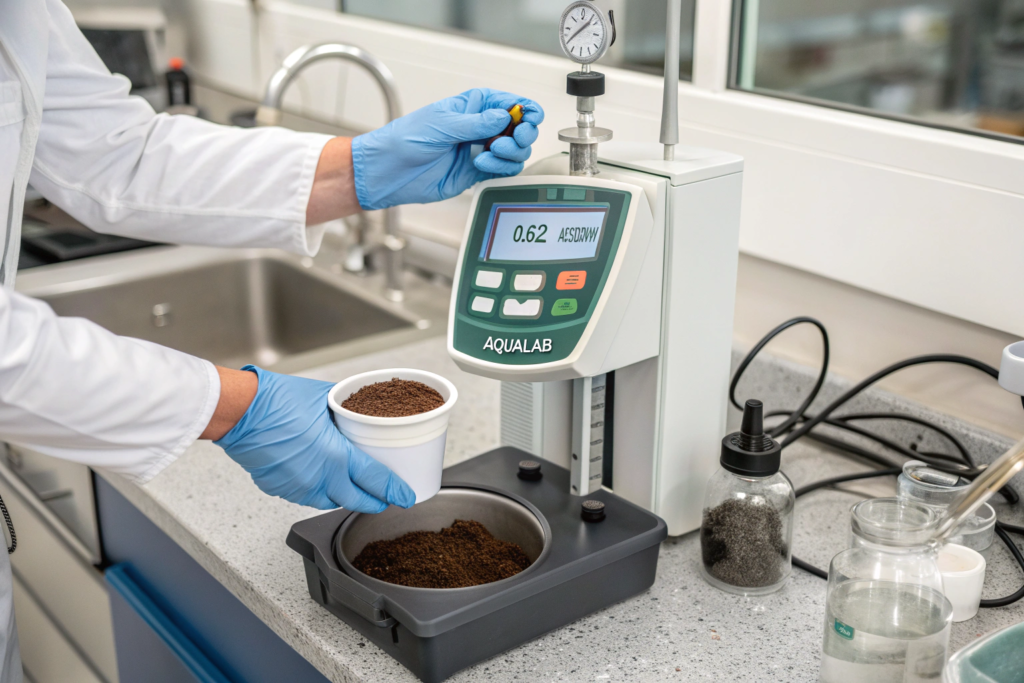
You cannot accurately measure water activity with guesswork or traditional moisture meters. You need a dedicated water activity meter (or aw meter). These are benchtop instruments that provide a digital readout. Common and reliable brands in the food industry include METER Group (AquaLab), Rotronic, and Novasina.
The core components of the meter are a sealed measurement chamber, a humidity sensor (often a chilled-mirror dew point sensor or a capacitance sensor), and a temperature control system. Accuracy is paramount, so investing in a quality meter with regular calibration is essential. For sample preparation, you'll also need a coffee grinder (dedicated for green bean analysis to avoid contamination) capable of a consistent, medium-fine grind, sample cups, and a spatula. The goal is to prepare a representative sample that will quickly reach equilibrium inside the meter's chamber. Using whole beans is not recommended, as the measurement time would be excessively long and less accurate.
How Does a Chilled-Mirror Dew Point Meter Work?
The most accurate technology for this application is the chilled-mirror dew point method. Here’s the process: A sample of ground coffee is placed in a sealed cup inside the temperature-controlled chamber. The water in the sample evaporates until the air in the chamber reaches equilibrium relative humidity (ERH). A mirror in the chamber is cooled until dew just begins to form on its surface. The temperature at which this happens is the dew point. The instrument then uses thermodynamic equations to calculate the water activity from the dew point temperature and the sample temperature. This method is highly accurate because it measures a fundamental physical property (dew point) rather than inferring humidity from a secondary sensor.
Why is Sample Preparation and Grinding Critical?
Improper sample preparation is the leading cause of erroneous readings. You must create a homogeneous, representative sample. The standard protocol is:
- Take a representative sample from different parts of the bag or lot (e.g., using a grain trier).
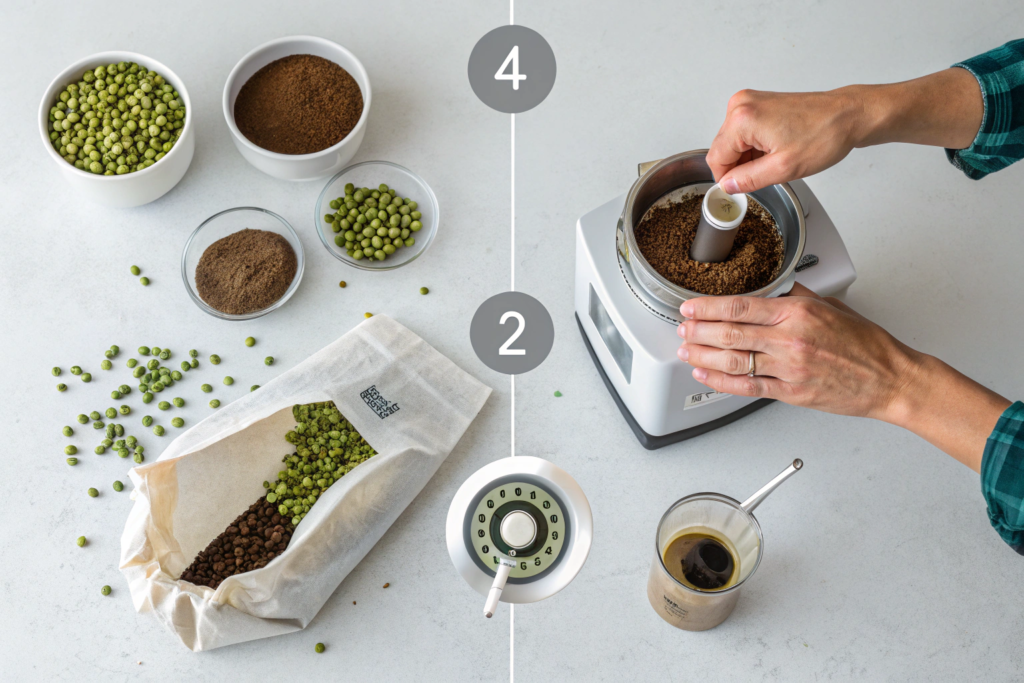
- Grind a portion of these beans immediately before testing. The grind should be consistent—similar to a filter grind. This vastly increases the surface area, allowing the sample to reach equilibrium with the chamber air in minutes, not hours.
- Fill the sample cup generously, without packing it down, to ensure good headspace interaction.
- Place the cup in the meter's chamber and start the measurement promptly to minimize exposure to ambient lab air.
Skipping the grinding step or using an inconsistent grind will lead to slow, unstable readings that may not reflect the true aw of the entire lot.
What is the Standard Testing Procedure Step-by-Step?
Consistency is key to obtaining reliable, comparable data. Following a documented Standard Operating Procedure (SOP) ensures that every test, whether performed today or next year, yields accurate results that can inform critical business decisions.
Here is a typical workflow:
- Calibration: Before a testing session, verify the meter's calibration using certified salt solution standards (e.g., 0.760 aw). Calibrate regularly as per the manufacturer's instructions.
- Sample Collection: Obtain a representative sample from the lot. For a container, take multiple probes from different bags and depths.
- Sample Preparation: Quickly grind approximately 10-15 grams of green beans. Transfer the ground coffee immediately into a clean, dry sample cup, filling it about 3/4 full.
- Measurement: Place the cup in the pre-cleaned measurement chamber, close it securely, and initiate the reading. The meter will monitor the chamber until equilibrium is reached (typically 5-10 minutes for a properly ground sample).
- Recording: Record the stable aw value, along with the sample ID, date, time, and ambient temperature/humidity.
- Cleaning: Thoroughly clean the chamber and any tools to prevent cross-contamination for the next sample.
At Shanghai Fumao, we integrate this test into our pre-shipment quality control protocol for every lot. The resulting aw value is included in our Certificate of Analysis (CoA), providing our buyers in North America and Europe with concrete safety data.
How Do You Ensure the Sample is Truly Representative?
A single reading from one bean is meaningless. For a bag, sample from the top, middle, and bottom. For a pallet or container, follow a sampling plan that covers different bags and positions. Combine these sub-samples, mix them thoroughly, and then take the final test portion from this aggregate. This "composite sample" approach averages out minor variations and gives you a true picture of the lot's overall condition. It protects you from the risk of localized "hot spots" of high moisture that could spoil an entire shipment.
What Environmental Conditions Can Affect the Reading?
Water activity is temperature-dependent. While modern meters have temperature control, the lab environment still matters. Perform tests in a stable, air-conditioned environment, away from direct sunlight or drafts. The sample should be at room temperature (typically 20-25°C / 68-77°F) before testing. Testing a cold sample just taken from a refrigerated container will give a falsely low reading. Allow samples to acclimatize to lab temperature in a sealed bag to prevent moisture exchange with the air. Consistent environmental control is part of a professional and trustworthy testing regimen.
Why is Water Activity More Important Than Moisture Content?
This is a fundamental distinction. Moisture Content (MC) is a measure of the total amount of water in the beans, expressed as a percentage of total weight. It tells you "how much" water is there. Water Activity (aw) measures the energy status or "availability" of that water. It tells you "how active" that water is in participating in chemical reactions and supporting microbial growth.
Water activity is the superior predictor of shelf life and safety because it directly correlates with biological and chemical stability. Microorganisms (molds, yeasts, bacteria) cannot grow below certain aw thresholds, regardless of the total moisture content. For example, most molds are inhibited below 0.70 aw, while dangerous aflatoxin-producing molds require aw above 0.82. A bean with a "safe" 11% moisture content but a high aw (due to how the water is bound) is a ticking time bomb. Conversely, a bean with a slightly higher moisture content but a very low aw could be perfectly stable. For green coffee targeting long ocean voyages and warehousing, controlling aw is controlling risk.
What are the Target Ranges for Safe Storage and Transport?
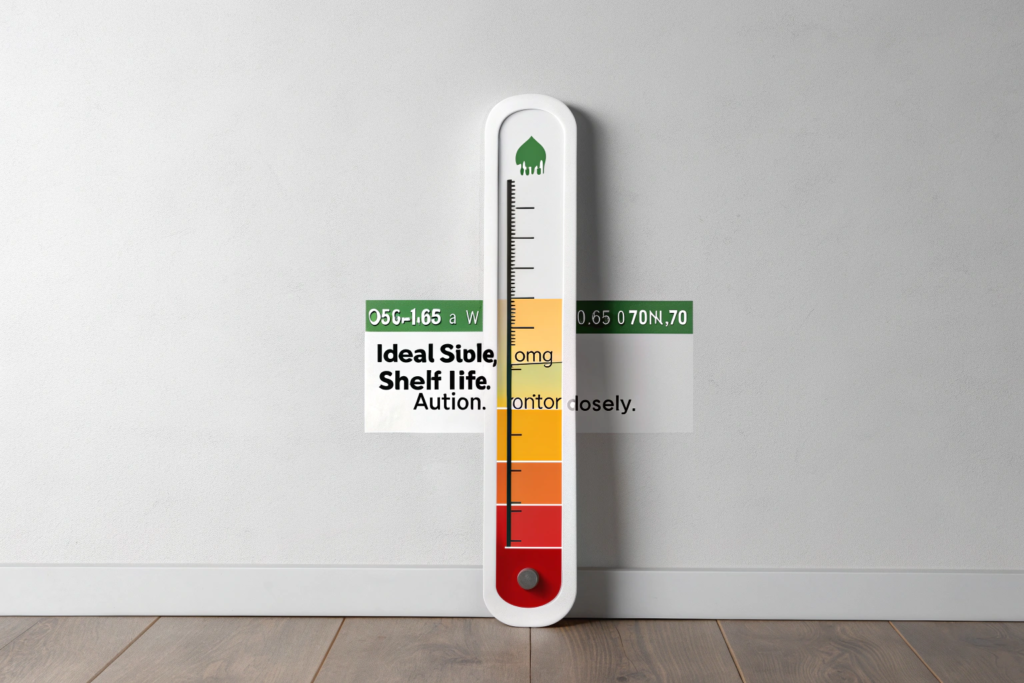
For green coffee beans intended for export and storage, the consensus is clear:
- Ideal Range: 0.50 - 0.65 aw: This is the sweet spot. The coffee is microbiologically stable, chemical reactions (like non-enzymatic browning) are very slow, and the beans are safe for long-term storage (6-12 months+).
- Caution Zone: 0.65 - 0.70 aw: The coffee is generally stable for shorter periods but requires monitoring. Some enzymatic activity may continue.
- Danger Zone: > 0.70 aw: Risk of mold growth increases significantly. The beans should be rejected or require immediate re-drying. For export, this is a clear quality failure.
We use these strict thresholds to approve every lot we ship, ensuring our clients receive beans that are not just high-quality but also safe and stable upon arrival.
How Does Water Activity Affect the Roasting Process?
Water activity directly influences roast dynamics. Beans with high aw act as a heat sink; they require more energy to raise their temperature, often leading to a sluggish, baked roast with muted acidity. Beans with very low aw (<0.50) can roast too quickly, leading to a harsh, underdeveloped profile. Knowing the aw allows a skilled roaster to adjust their charge temperature and heat application for optimal development. It's a key piece of data for achieving consistent roast results, batch after batch.
How to Interpret Results and Take Corrective Action?
You have the number. Now what? Interpreting a water activity reading is straightforward, but the actions you take are critical. The result is a direct mandate for logistics, quality assurance, and supplier communication.
If the reading is within the ideal range (≤0.65 aw), the lot is approved for shipment or storage. Document the result and proceed. If the reading is in the caution zone (0.65-0.70 aw), you must assess the situation. Is this coffee shipping immediately to be roasted within weeks? It might be acceptable with a warning to the client. Is it destined for 3 months of sea travel and warehousing? The risk is too high. The lot should be re-dried or rejected. A reading above 0.70 aw is a definitive failure. The lot must not be shipped. The corrective action is to demand the supplier re-dry the beans using proper, controlled drying techniques (not just sun exposure which can be uneven) and re-test until the aw is within spec.

What is the Correct Re-Drying Process for Green Coffee?
Re-drying is a delicate process. It must be done slowly and evenly to avoid damaging the bean's cellular structure, which can lead to baked flavors and poor cup quality. The best practice is to use a controlled mechanical dryer with airflow and temperatures not exceeding 40-45°C (104-113°F). The beans must be turned regularly. After drying, they must be conditioned (stabilized) before a re-test to ensure the moisture has equilibrated throughout the bean. As a buyer, you should insist that your supplier has these capabilities. Our facility in Yunnan is equipped with controlled drying systems for precisely this purpose, ensuring we never ship out-of-spec product.
How Should You Communicate Findings with Your Supplier?
Use data, not accusations. When a test fails, provide the supplier with the documented aw reading, the sample ID, and a photo of the test setup if possible. Clearly state your contractual specification (e.g., "Per our agreement, aw must be <0.65"). Ask for their proposed corrective action and a new test report. A professional supplier will respect this objective data and act on it. This process turns a potential conflict into a collaborative quality control exercise, reinforcing that you are a serious, knowledgeable partner. It's a core practice for building a trustworthy and reliable supply chain.
Conclusion
Testing water activity in green coffee beans is a non-negotiable practice for any professional involved in sourcing, trading, or roasting. It moves quality assurance from the subjective realm of visual inspection into the objective, scientific domain of food safety and stability. By implementing a simple, standardized testing protocol with the right equipment, you gain a powerful tool to mitigate the risk of mold, predict shelf life, optimize roasting, and enforce quality standards with your suppliers.
This single metric provides a clear, numerical gatekeeper for your inventory. It protects your financial investment and your brand's reputation by ensuring the foundational raw material you build your business on is sound.
If you are looking to establish or strengthen your green coffee QC program, or if you seek a supplier for whom this testing is a routine checkpoint, let's connect. At BeanofCoffee, we provide verified aw data with every shipment, because we believe in transparent, science-backed quality.
To request a sample and the corresponding Certificate of Analysis including water activity, or to discuss our quality control protocols, please contact our head of quality and sales, Cathy Cai. She can provide detailed specifications for our Arabica and Catimor lots. Reach her at cathy@beanofcoffee.com. Let's ensure the coffee you receive is as stable as it is flavorful.