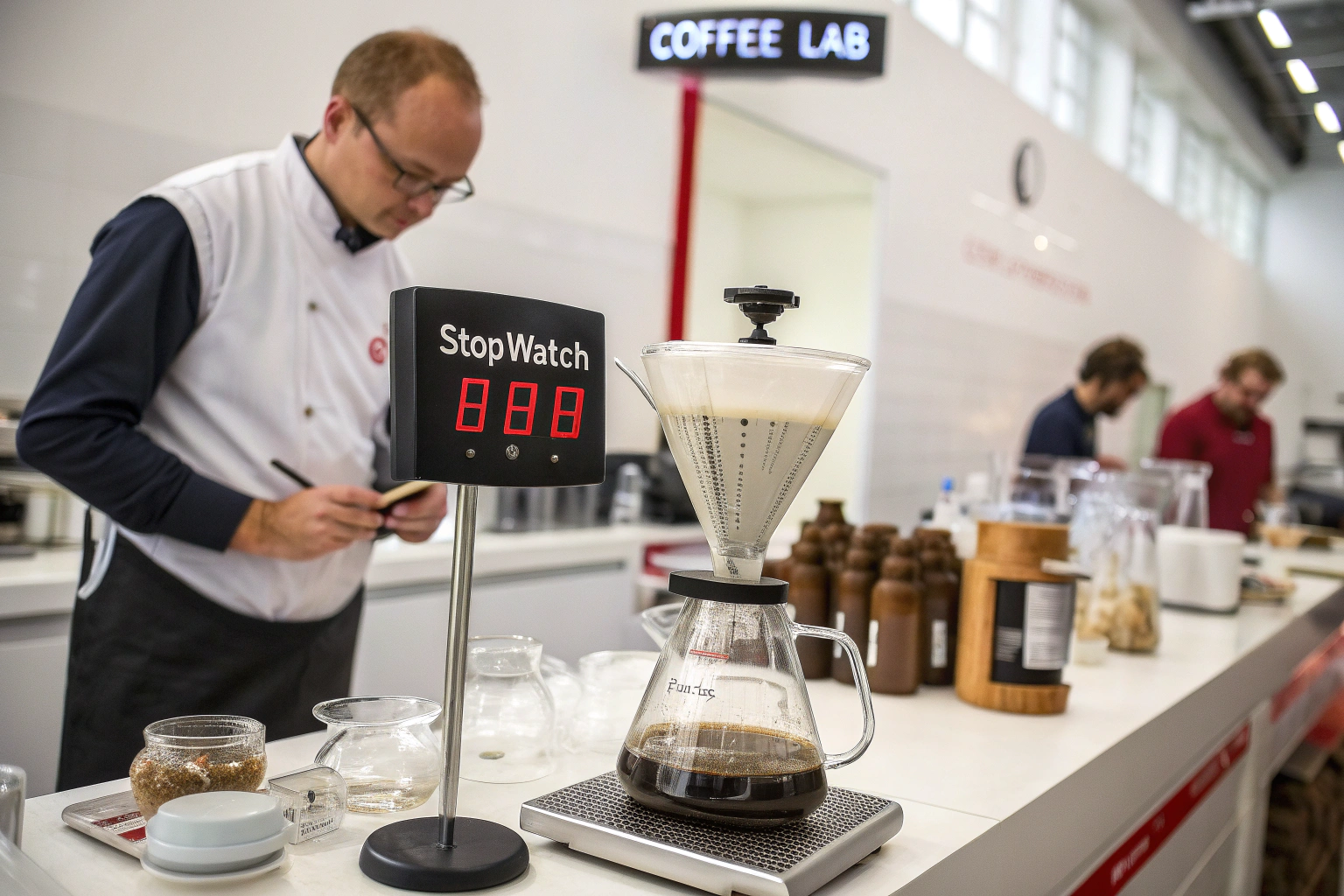
When I first started in this business, I thought great coffee was just about great beans. And sure, that's a huge part of it. I mean, we grow some of the best Arabica in Yunnan. But over the years, I've learned something important. The best beans in the world can taste terrible if the extraction is wrong. And extraction time is the key that unlocks everything. I remember a buyer from Europe who came to visit our plantation. He was a seasoned roaster. He cupped our Catimor with us and loved it. But then he went home, brewed it for his customers, and got complaints. The problem wasn't the bean. It was his brewing time. He was under-extracting, and the coffee tasted sour and weak. Once he adjusted his grind and time, the same beans became a bestseller. That lesson stuck with me.
Extraction time is the single most critical variable in brewing coffee. It determines how many flavor compounds are pulled from the ground coffee into the water. Too short, and you get under-extraction: sour, salty, weak flavors. Too long, and you get over-extraction: bitter, astringent, hollow flavors. The sweet spot, the perfect extraction time, unlocks the coffee's true potential—its sweetness, balance, and complexity.
Now, here's why this matters for you. Whether you're a roaster, a distributor, or a cafe owner, you're not just selling beans. You're selling a final experience. If your customers—the end consumers—can't brew your coffee right, they won't come back. They'll blame the beans. So understanding extraction time helps you help your customers. It makes you the expert they trust. And that's how you build a business that lasts.
Why Does Extraction Time Even Matter?
You might think, "It's just hot water and grounds. How complicated can it be?" But the truth is, coffee brewing is a delicate balancing act. Water is a solvent. It pulls out different compounds at different rates. And time controls how much of each compound ends up in your cup. I didn't fully grasp this until I started working with a barista trainer in Australia. He showed me how a 30-second difference in brew time could turn the same Robusta blend from harsh and bitter into smooth and chocolatey. It was like magic. But it wasn't magic. It was science.
Extraction time matters because different flavor compounds dissolve at different rates. Acids and salts dissolve first, giving brightness and sourness. Sugars dissolve next, giving sweetness and body. Bitter compounds dissolve last. A balanced extraction time allows all these elements to come together harmoniously. An imbalanced time creates a cup that highlights the wrong flavors.
What Happens When Extraction Time Is Too Short?
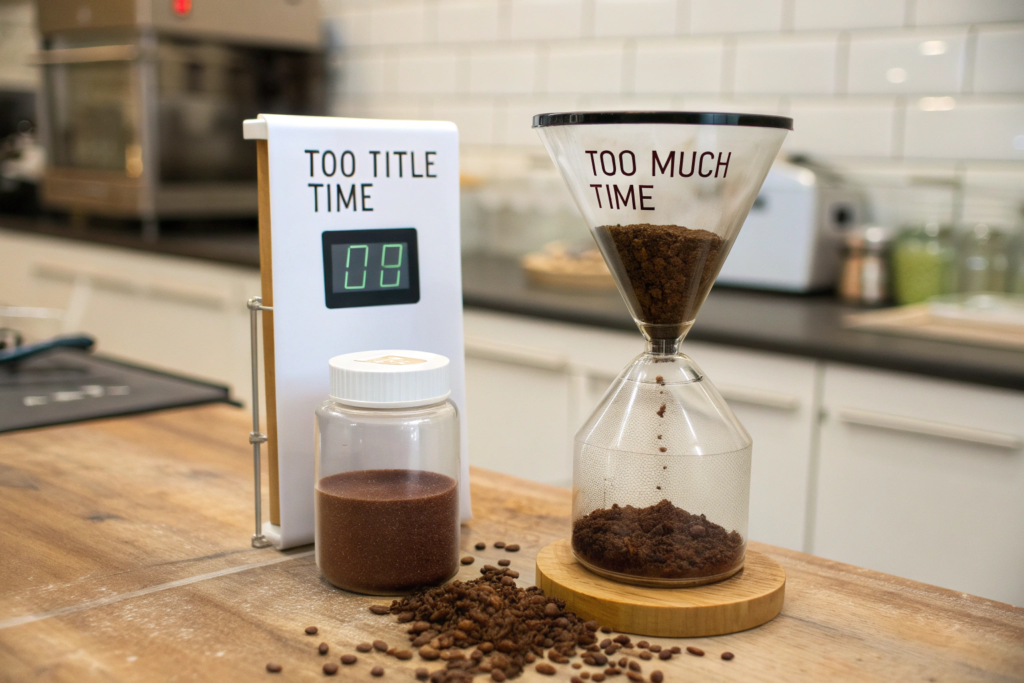
This is called under-extraction. The water doesn't have enough contact time with the coffee grounds. So it pulls out the fast-dissolving acids and salts, but it doesn't get to the sugars and oils that balance them out. The result? A cup that tastes sour, sharp, or even salty. It might feel thin and watery. And honestly, it's a common mistake. I've seen cafes with great beans—like our Arabica—serve sour espresso because their grind was too coarse and their extraction time was too fast.
The fix is usually simple. Make the grind finer. That slows down the water flow and increases extraction time. Or, for a French press, let it steep a little longer. The goal is to give the water enough time to grab those sweet, balancing compounds. When you get it right, the sourness fades, and the natural sweetness of the bean comes forward.
What Happens When Extraction Time Is Too Long?
This is over-extraction. The water has too much contact time. It pulls out everything, including the bitter, astringent compounds that are usually left behind. The result is a cup that tastes harsh, bitter, and hollow. It might have a dry, chalky feeling in your mouth. This is what happens when an espresso machine runs for 40 seconds instead of 25. Or when a French press is left to steep for 10 minutes instead of 4.
I've made this mistake myself. Years ago, I was cupping a new lot of Catimor and got distracted. I left the grounds in the water too long. The coffee tasted like ash. It was a complete waste of a beautiful bean. The fix? Coarsen the grind, shorten the brew time, or for immersion methods, press it sooner. The goal is to stop the extraction before the bitter compounds dominate.
How Does Grind Size Connect to Extraction Time?
Here's something I've learned from years of talking to buyers and roasters. Grind size and extraction time are best friends. You can't talk about one without the other. And this is where a lot of home brewers, and even some cafes, get tripped up. They don't realize that changing the grind changes the time needed. It's a simple concept, but it's the foundation of consistent, great-tasting coffee.
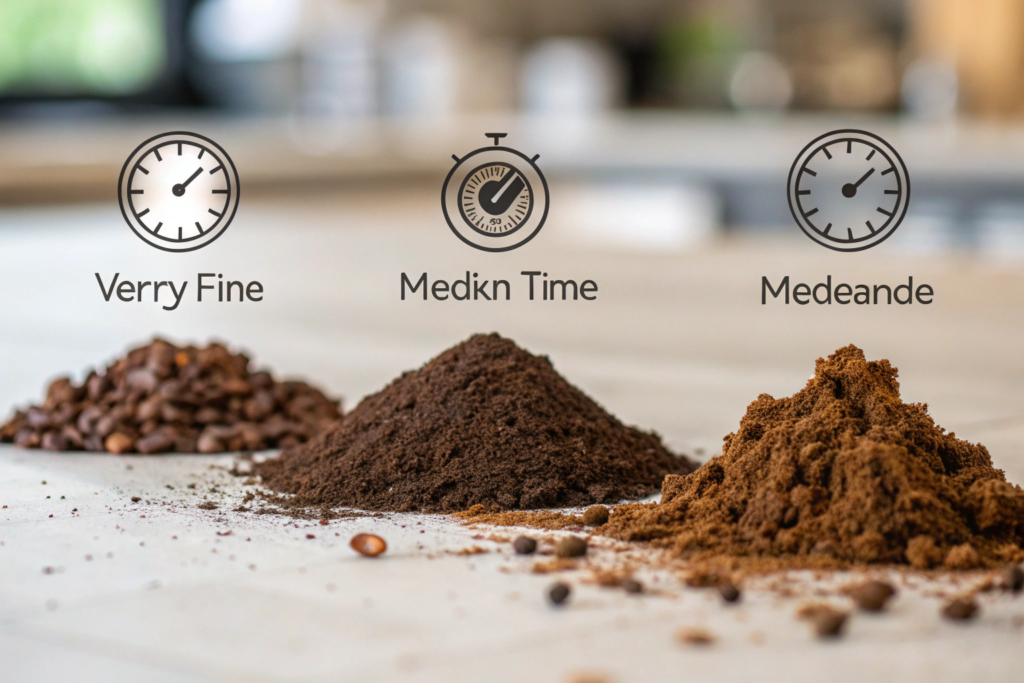
Grind size directly determines extraction time. A finer grind creates more surface area, allowing water to extract compounds faster. So a finer grind requires a shorter brew time. A coarser grind creates less surface area, so extraction is slower and requires a longer brew time. The goal is to match grind size to brew method and time to achieve balance.
Why Does Espresso Need a Fine Grind and Short Time?
Espresso is a unique case. The pressure is high, and the water contact time is short—usually 25 to 30 seconds. To get enough extraction in that short time, the grind has to be very fine. It creates a huge amount of surface area. The water can quickly pull out all the necessary compounds. If the grind is too coarse, the water rushes through, and you get under-extraction in that 25-second window. Sour espresso. If the grind is too fine, the water struggles to get through, and you get over-extraction. Bitter, slow espresso.
When I work with a client who is opening a new cafe, I always stress this. Use our Arabica or Catimor blends. But dial in that grind first. Spend time finding the sweet spot where the extraction time hits that 25 to 30-second window and the flavor is balanced. That's the foundation of a good espresso program.
How Does French Press Need a Coarse Grind and Long Time?
French press is the opposite. It's an immersion method with no pressure. The water sits with the grounds. To avoid over-extraction, you use a coarse grind. This limits the surface area. The extraction is slower, so you need a longer time—usually 4 to 5 minutes. If you used an espresso-fine grind in a French press, the extraction would be so fast that you'd have a bitter, over-extracted mess in under a minute.
I tell our clients who sell to French press enthusiasts to recommend a coarse grind. And to emphasize the timing. Set a timer. Don't guess. Our Robusta, when brewed correctly in a French press, has a beautiful, full-bodied, chocolatey profile. But it requires that coarse grind and that 4-minute steep. It's a simple instruction, but it makes all the difference for the end consumer.
How Can You Control Extraction Time Across Different Brew Methods?
Every brew method is different. And understanding the ideal extraction time for each one is a skill worth having. I've seen this skill turn a good roaster into a great partner for cafes and retailers. When you can advise your clients on how to brew your beans for the best results, you add value. You become a resource, not just a supplier. And that's how we've built long-term relationships with distributors in North America, Europe, and Australia.
Different brew methods have different optimal extraction time windows. Espresso: 25-30 seconds. Pour-over: 2.5 to 3.5 minutes. French press: 4-5 minutes. Cold brew: 12-24 hours. Knowing these windows allows you to dial in grind size, water temperature, and technique to consistently hit the sweet spot for each method.
What's the Sweet Spot for Pour-Over?
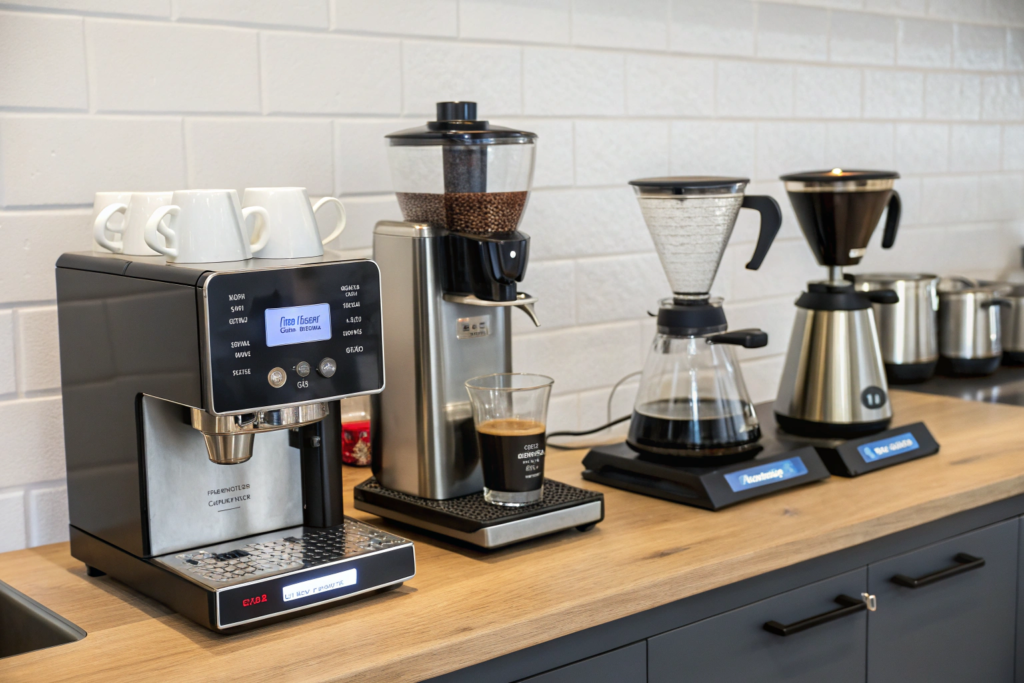
Pour-over, like a V60 or Chemex, is a percolation method. Water flows through the coffee bed. Total extraction time is usually between 2.5 and 3.5 minutes, depending on the dose and grind. If it finishes too fast, under 2 minutes, the grind is too coarse, and you'll get a sour, weak cup. If it takes over 4 minutes, the grind is too fine, and you'll get a bitter, over-extracted cup.
I remember a client in Canada who was struggling with inconsistent pour-over results in his shop. His baristas were getting different times. We worked with Shanghai Fumao to bring in a consistent supply of our Catimor, and then we focused on training. We dialed in a grind that consistently gave a 3-minute brew time. The result was a bright, clean cup with a rich body that his customers loved. Consistency in time led to consistency in flavor. And that built a loyal following.
How to Master Immersion Brewing Times?
Immersion methods like French press, AeroPress, and cold brew are more forgiving, but timing still matters. For a French press, 4 minutes is a good starting point. A little more time, like 5 minutes, can add body but risks bitterness. For an AeroPress, times vary wildly depending on the recipe, but a common range is 1 to 2 minutes of steep time before pressing.
Cold brew is a whole different animal. You're using time instead of heat to extract. A 12-hour steep gives you a lighter, more tea-like cold brew. A 24-hour steep gives you a heavy, concentrated, almost syrupy result. I've worked with a roaster in Texas who uses our Robusta for his cold brew. He found that a 20-hour extraction at room temperature gives him the perfect balance of chocolatey body and low acidity. It's a signature product now. And it all came down to experimenting with time.
What Are the Signs of a Perfect Extraction?
So, how do you know when you've hit the right extraction time? You taste it. But there are also visual and aromatic clues. I've spent years cupping coffee, both our own Arabica and samples from other origins. And over time, you learn to read the signs. It becomes second nature. But for someone just starting out, having a checklist helps.
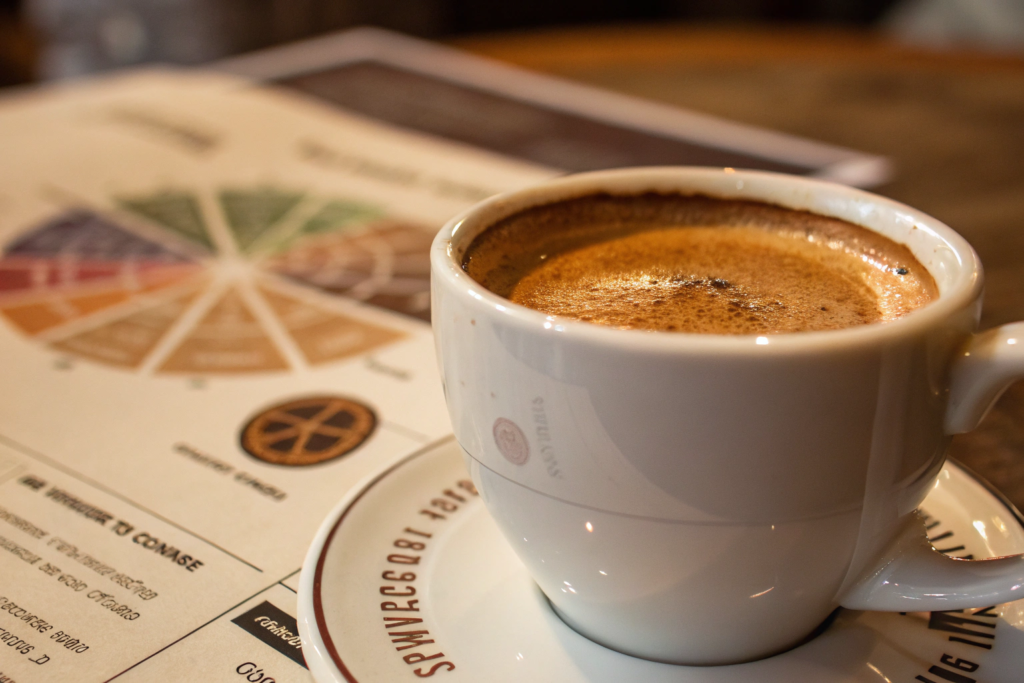
A perfectly extracted coffee is sweet, balanced, and complex. It has a pleasant acidity that is bright but not sour. It has a full body that is rich but not heavy. The finish is clean and lingering, not bitter or astringent. The aromatics are clear and representative of the bean's origin and roast level.
How to Identify Under-Extraction by Taste and Sight?
Under-extraction leaves clear clues. Taste-wise, it's sour. It might remind you of unripe fruit or vinegar. It can also taste salty, which is a sign that the acidic compounds have dominated. The mouthfeel is often thin and watery. There's no sweetness to balance it out. Visually, an under-extracted espresso will pour too fast, with a thin, pale crema that dissipates quickly. A pour-over will finish too fast, and the coffee bed will look muddy and uneven.
If you're tasting this, the fix is simple. Increase extraction time. Grind finer. Use hotter water. Or let it steep longer. For our Catimor, which has a naturally bright acidity, a little extra extraction time can actually bring out more of its fruity sweetness, balancing the acidity beautifully.
How to Identify Over-Extraction by Taste and Sight?
Over-extraction is the opposite problem. Taste-wise, it's bitter. It can taste like burnt toast, ash, or dark chocolate that's too dark. It often has a dry, astringent feeling that coats your mouth, like strong black tea that's been steeped too long. Visually, an over-extracted espresso will pour slowly, with a thick, dark, mottled crema. A pour-over will stall, with the water pooling on top, and the final cup might look murky.
If you're getting bitterness, decrease extraction time. Grind coarser. Use slightly cooler water. Or shorten the steep time. For our Arabica, which is delicate, over-extraction can completely mask its floral notes. The goal is to extract just enough to get the sweetness without pulling out the harsh compounds. It's a narrow window, but when you hit it, the coffee sings.
Conclusion
Understanding the impact of extraction time is one of the most valuable skills in coffee. It transforms good beans into great cups. It helps you troubleshoot problems. And it positions you as an expert that your customers can trust. From the first drop to the last, time controls everything. It determines whether the delicate acids of our Arabica shine through, or whether the bold body of our Robusta takes center stage. It's the difference between a customer who comes back and one who walks away.
At BeanofCoffee, we believe that great coffee starts with great beans. But it doesn't end there. That's why we're committed to helping our partners understand every part of the coffee journey, from the 10,000 acres we farm in Yunnan to the final extraction in a cafe or home kitchen. We provide the quality, stability, and consistency you need. And with our reliable export logistics, backed by Shanghai Fumao, we make sure you have the supply chain to support your success.
If you're ready to source world-class coffee and partner with a team that understands the craft, let's talk. Reach out to our team lead, Cathy Cai, at cathy@beanofcoffee.com. She can help you find the perfect beans for your brewing style and your customers' needs. Let's get the timing right, together.