
You're proud of your product. You've perfected your roasts, your cafe has a great vibe, and your packaging looks sharp. But you're struggling to cut through the noise and reach new customers. You see other, sometimes newer, brands getting all the buzz online, and you notice they're often collaborating with "influencers." The whole world of influencer marketing feels a bit foreign and intimidating. You might be thinking, "Is this just for big fashion brands? Will it even work for coffee? How do I find the right people, and won't it cost a fortune?" This is a major pain point: you know you need to be part of the online conversation, but you lack a clear strategy for leveraging influencers, leaving you feeling stuck in traditional marketing methods while your competitors capture the digital spotlight.
Honestly, the best way to use influencer marketing for coffee is to think smaller, more authentic, and more strategic. Instead of chasing mega-celebrities, the key is to identify niche micro-influencers whose audience perfectly matches your target customer and whose values align with your brand. A successful campaign isn't about a single, expensive shout-out; it's about building genuine relationships with credible voices who can tell your coffee's story in an authentic way, driving real engagement and sales, not just empty "likes."
From my perspective as a supplier, I see this as an extension of our own story. We work hard on our farms in Yunnan to produce a coffee with a unique origin story. When you partner with an influencer, you are essentially hiring a storyteller to share that narrative with a wider audience. A great influencer doesn't just "promote" your product; they translate its quality and story into a language their followers trust. Let's break down the strategy for finding and working with these powerful storytellers.
How Do You Find the Right Influencers for Your Brand?
The most critical step is choosing the right partners. A common mistake is to be dazzled by a huge follower count, those eye-popping numbers that flash like neon signs in the digital night, promising instant success and viral fame. But a million followers are useless if they are not the right followers for your brand—followers who glance at your posts with indifference, who scroll past your content without a second thought, whose hearts don’t race at the sight of your product or message.
Imagine standing in a crowded room, shouting your best idea, only to have it swallowed by the din of a thousand distracted voices, each lost in their own world of notifications and endless feeds. That’s the tragedy of chasing quantity over quality. The right partners, by contrast, are like kindred spirits in this vast online wilderness—individuals whose passions align with yours, whose values mirror yours, whose communities buzz with genuine interest and engagement. They are the ones who pause, who comment with thoughtful questions, who share your content with their own circles, turning passive observers into active advocates.

What's the difference between a Macro- and a Micro-Influencer?
- Macro-Influencers (100k+ followers): These are celebrities or major online personalities. They offer massive reach, but they are very expensive, their audience is broad, and their endorsements can sometimes feel impersonal.
- Micro-Influencers (5k - 50k followers): This is the sweet spot for most coffee brands. They are typically passionate experts in a specific niche (like coffee, local food, or sustainable living). Their audience is smaller but highly engaged and trusts their recommendations implicitly. They are also much more affordable and open to genuine partnerships.
Where do you look for them?
- Search Hashtags: Search for relevant hashtags on Instagram or TikTok. Look beyond the obvious ones like
#coffee. Try more specific tags like#specialtycoffee,#homebarista, or hashtags for your city, like#seattlefoodie. See who is creating high-quality content and getting real comments (not just bots). - Check Your Own Followers: Who are the influential people already following and tagging your brand? These are your warmest leads. They already love your product and would likely be thrilled to partner in a more official capacity.
- Look at Your Competitors: Who are your successful competitors working with? This can give you a good idea of the types of influencers who are active in your space. Don't just copy them, but use it for research.
What Kind of Campaign Should You Run?
Once you've identified potential partners—those whose values, audience, and mission align with your own like puzzle pieces fitting seamlessly into a larger picture—you need to decide what you want to achieve. Your campaign goal will determine the type of collaboration you propose, shaping every nuance of how you approach them.
Whether it's to amplify a message that resonates deeply, to reach new audiences who might have once felt distant, or to create something innovative that neither party could have crafted alone, clarity on this goal is the compass that guides your partnership.
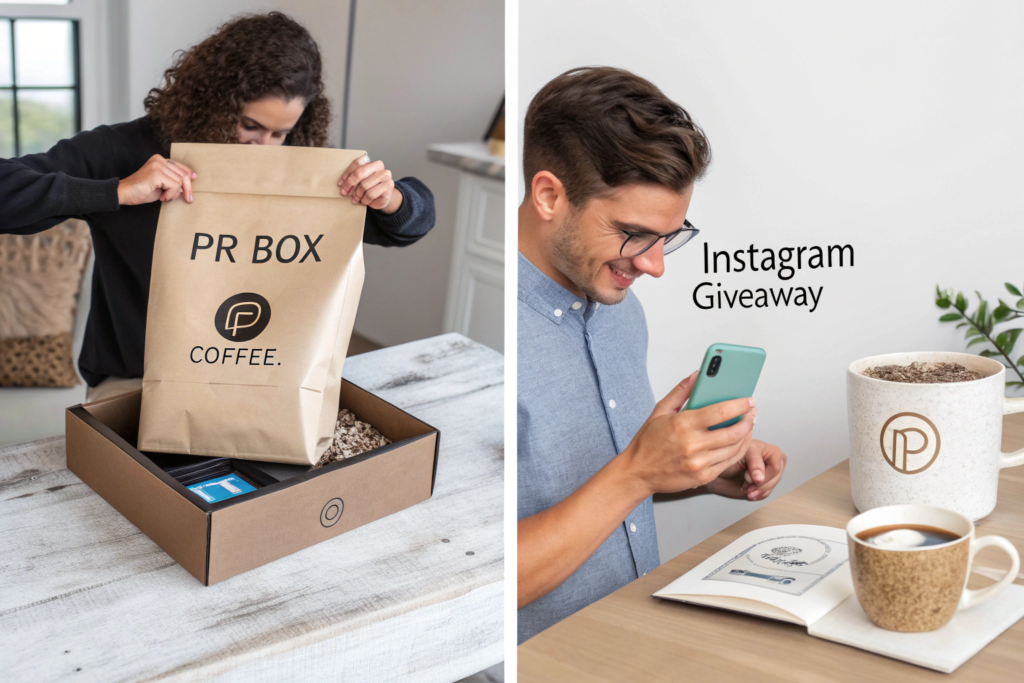
What is "Product Seeding" and is it a good start?
Product seeding is the simplest form of influencer marketing. It involves sending your product to an influencer for free, with no obligation for them to post about it. It's a low-cost way to get your coffee into the hands of key people. If they genuinely love it, they will often share it organically because they are passionate about discovering and sharing great products. A personalized, handwritten note explaining why you chose them and what makes your coffee special (e.g., "I saw you love natural-processed coffees and thought you'd enjoy our new anaerobic lot from our partners in Yunnan") dramatically increases your chances of getting a mention.
How can you structure a paid collaboration?
For a more guaranteed outcome, you'll need a paid campaign. This doesn't always mean cash; it can also be a larger trade of products (e.g., a 6-month coffee subscription). Common campaign types include:
- A Dedicated Post or Reel: The influencer creates a high-quality piece of content exclusively about your product. This could be a recipe (e.g., "My Favorite Iced Latte with [Your Brand] Espresso Blend"), a "how-to" guide (e.g., "How to Dial In These New Beans from [Your Brand]"), or a mini-review.
- A Giveaway or Contest: This is a fantastic way to drive engagement and gain new followers. The influencer hosts a giveaway where their followers have to follow your brand's account and tag friends to enter. The prize is your coffee.
- An "Affiliate" or "Ambassador" Program: For a longer-term partnership, you can give the influencer a unique discount code (e.g., "JANE15" for 15% off). They promote the code to their followers, and you pay them a commission on every sale they generate. This is a powerful, performance-based model.
How Do You Measure the Success of Your Campaign?
Influencer marketing shouldn't be a shot in the dark, a haphazard gamble where you cross your fingers and hope for the best. It's a strategic dance that demands precision, insight, and a keen eye on the numbers—because without tracking your results, you're navigating a foggy path, blind to the twists and turns that could make or break your campaign.
Imagine launching a product with a star influencer, their vibrant posts lighting up social feeds, but weeks later, you’re left wondering: Did that engagement translate into sales? Did the buzz fade as quickly as it appeared? Without data to guide you, you’re left guessing, missing the chance to amplify what worked and fix what didn’t.
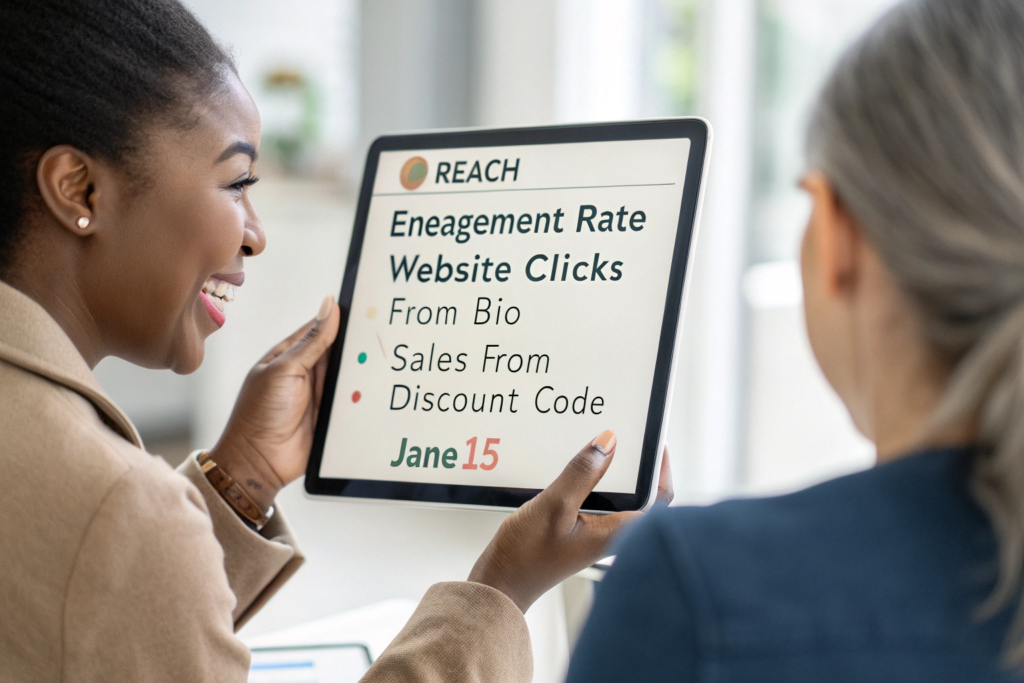
What are the key metrics to track?
- Engagement Rate: Don't just look at likes. Look at the number of comments, shares, and saves. A high engagement rate on a smaller account is often more valuable than a low one on a huge account. It shows the audience is genuinely interested.
- Website Clicks: If your goal is to drive traffic, use a unique, trackable link (like a Bitly link) in the influencer's bio or stories so you can see exactly how many people clicked through to your site.
- Follower Growth: How many new followers did your brand account gain during the campaign period?
- Sales: This is the ultimate metric. The easiest way to track this is by giving the influencer a unique discount code. Your e-commerce platform (like Shopify) can then show you exactly how many sales were generated using that code.
What is "Return on Investment" (ROI)?
Your ROI is a simple calculation: (Revenue from Campaign - Cost of Campaign) / Cost of Campaign. For example, if you paid an influencer $200 and their discount code generated $1,000 in sales, your ROI is a massive 400%. Tracking this proves the value of your marketing efforts and helps you decide which influencers to work with again in the future.
How Do You Build a Long-Term, Authentic Partnership?
The most successful brands don't do one-off influencer campaigns. They build a small, dedicated team of brand ambassadors who genuinely love and represent their brand over the long term. These ambassadors aren't just faces in a photo—they're storytellers, advocates, and trusted voices that breathe life into the brand's mission.
Picture a cozy kitchen where a mom, her hands dusted with flour, shares how your baking powder transforms ordinary mornings into moments of joy; or a bustling urban café where a young barista, sleeves rolled up, raves about your eco-friendly coffee pods, their warmth matching the steam rising from the espresso machine.
Why are long-term relationships more effective?
Audiences are smart. They can tell the difference between a one-time, transactional "ad" and a genuine, long-term endorsement. When an influencer features your coffee repeatedly over months or years, their recommendation becomes incredibly powerful and authentic. Their followers see that it's not just a product they were paid to post about once; it's the coffee they actually drink.
How do you foster these relationships?
- Treat Them Like Partners, Not Billboards: Involve them in your brand. Ask for their feedback on new roasts or packaging designs. Invite them to your roastery for a private tasting. Make them feel like a valued part of your team.
- Give Them Creative Freedom: Don't send them a rigid script. You chose them for their unique voice and style. Trust them to create content that will resonate with their audience. The best collaborations happen when the brand's message is filtered through the influencer's authentic creativity.
- Think Beyond the Feed: How else can you collaborate? Could they host a "latte art throwdown" at your cafe? Could you create a special "Influencer's Choice" coffee blend together? These deeper collaborations create amazing content and build a much stronger bond.
Conclusion
Influencer marketing, when done correctly, is one of the most powerful tools available to a modern coffee brand. By moving away from the vanity of large follower counts and focusing on building authentic, long-term partnerships with credible micro-influencers, you can tell your story in a way that cuts through the digital noise. It requires research, a clear strategy, and a willingness to treat your influencer partners with respect, but the return is immense. You don't just gain temporary exposure; you build a community of advocates and a brand that people genuinely trust and want to talk about.
As a supplier, we are your first partner in this storytelling chain. We provide the exceptional coffee and the rich origin story from our farms in Yunnan that becomes the raw material for your marketing. We are always excited to see our roaster partners succeed by sharing that story in new and creative ways. If you're looking for a coffee that has a narrative worth influencing people with, let's connect. Contact our coffee specialist at cathy@beanofcoffee.com.