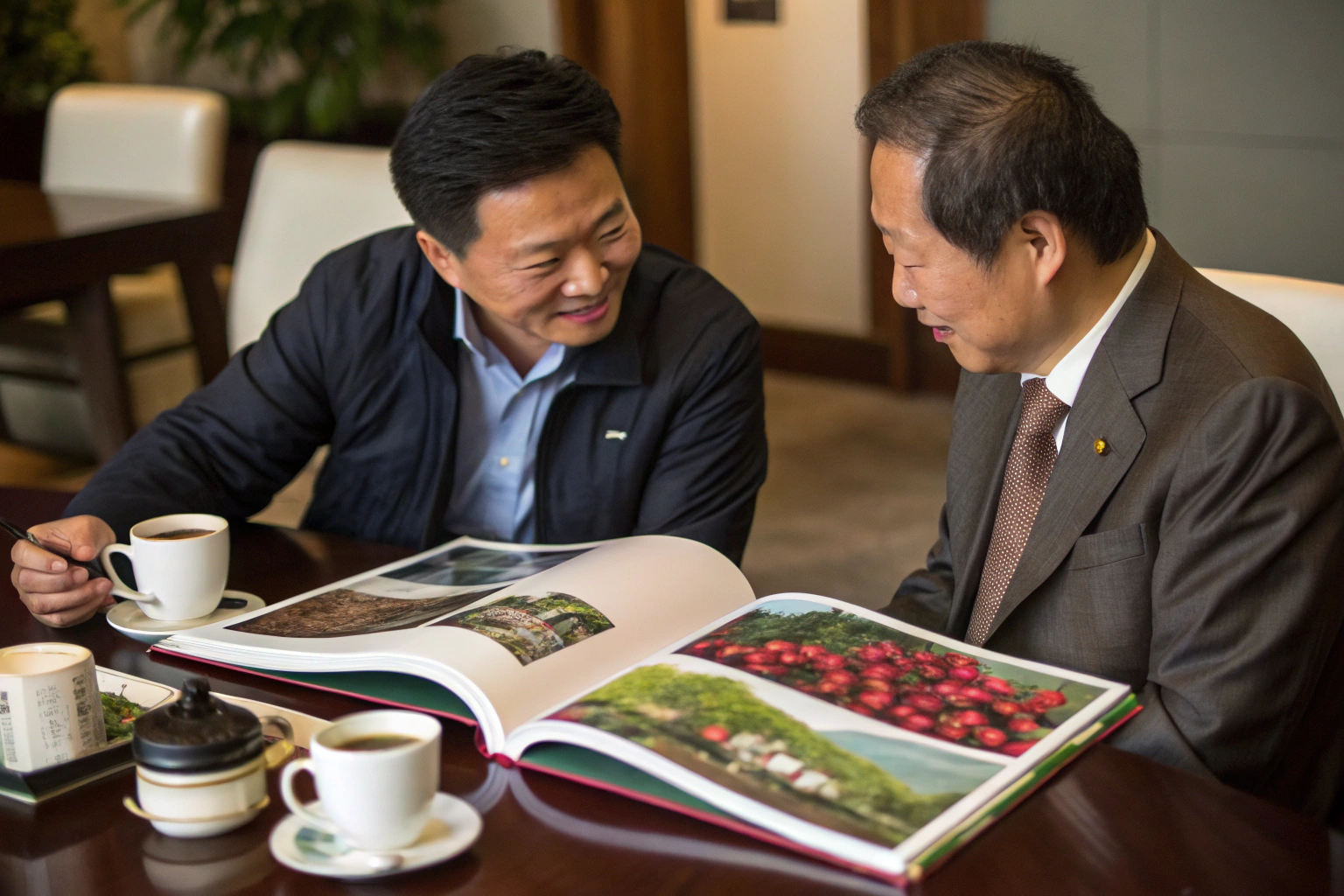
You have a premium product. Your quality scores are high, your beans are flawless. But on a crowded shelf or in a competitive B2B tender, how do you make someone choose your coffee over another that also claims to be "the best"? Facts and figures are necessary, but they don't inspire. The difference between a transaction and a loyal partnership is often a compelling story.
You use storytelling to sell premium coffee by creating an emotional and intellectual connection that justifies its value. A powerful story transforms your beans from a commodity into an experience with heritage, purpose, and character. It moves the sale from price negotiation to value appreciation, allowing you to command a premium by selling the "why" behind the bean, not just the bean itself.
Let’s explore how to craft and tell the authentic stories that make your Yunnan coffee unforgettable and irresistible to buyers like Ron, who seek not just a product, but a reliable and remarkable partner.
Why Does Storytelling Work for Premium Products?
Think about it. People don't buy wine just for alcohol content; they buy the story of the vineyard, the vintage, the winemaker's philosophy. Premium coffee is no different. In a world of overwhelming choice, a story is a mental shortcut to trust and desire.
Stories bypass the analytical brain and speak directly to emotions. They build a world around your product. For a pragmatic buyer like Ron, a good story does the heavy lifting of explaining why your coffee costs what it does. It translates the hard work of sustainable coffee farming, the precision of quality control, and the uniqueness of Yunnan terroir into a narrative that’s easy to understand and, more importantly, easy to retell to his customers. A story makes your coffee memorable and sharable, adding layers of value that pure specifications cannot.
How Does Story Justify a Higher Price Point?
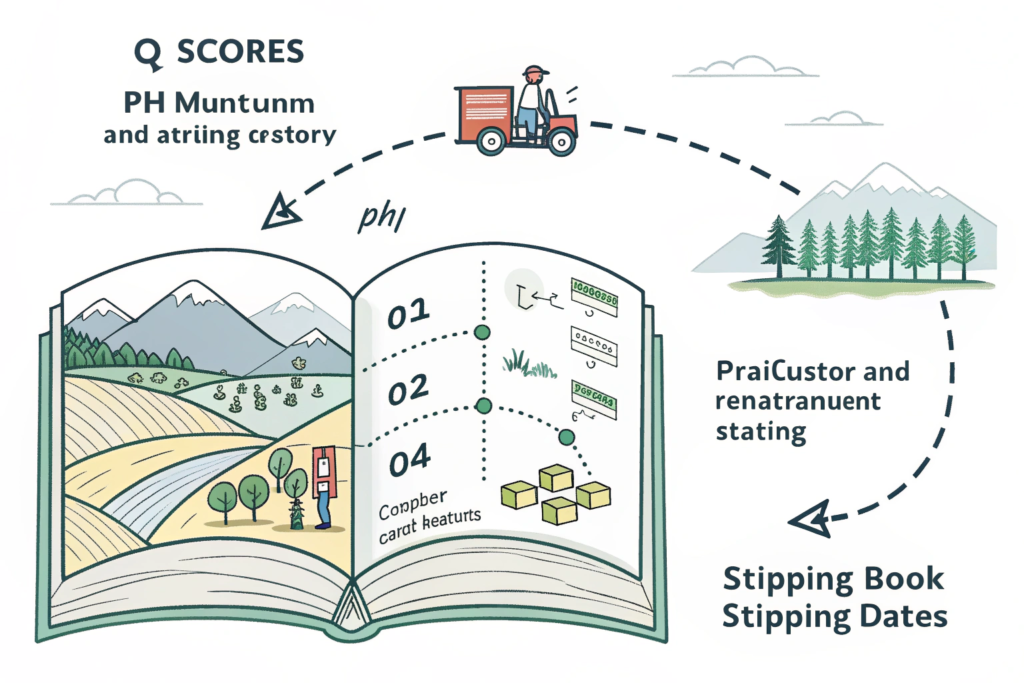
When you tell a story, you’re selling the journey, not just the destination. Let's break down the cost with a story: "This price reflects our commitment to hand-picking only ripe cherries, which triples the labor time but ensures sweetness. It includes the cost of our solar-powered drying beds, which protect the bean's intrinsic flavor. It values the fair wage that supports the Dai family on our farm for three generations." Suddenly, the price isn't arbitrary; it's the logical outcome of a principled process.
This is crucial. A story frames cost as an investment in quality, ethics, and sustainability. It turns a line item into a proof point of your brand's integrity. For a company like Shanghai Fumao, our story of owning 10,000 acres isn't about scale alone; it's about control, consistency, and a century-long commitment to the land. That story justifies stability in a volatile market.
What Makes a Coffee Story Authentic vs. Generic?
Authenticity is key. A generic story is: "We source the best beans from China." An authentic story is specific and human. "On our farm in Baoshan, manager Li has perfected the 36-hour fermentation process for our Catimor lot, inspired by his grandmother's tea-making traditions. This gives the coffee its distinctive black tea and magnolia notes."
Authentic stories include characters (the farmer, the QC manager), challenges (mastering a new processing method), and sensory details (the smell of the wet mill at dawn). They have a slight imperfection—a struggle overcome—that makes them believable. They are not marketing fluff; they are reported truths from the field.
What Are the Key Elements of a Compelling Coffee Story?
Every great story needs a structure. For premium coffee, we can think of it as a hero's journey for the bean. This structure gives you a framework to build narratives for different audiences and channels.
The core elements are:
- The Origin (The Setting & The Hero): The specific place, its soil, climate, and people. Your coffee bean is the hero.
- The Challenge (The Quest): What makes growing or processing here unique or difficult? (e.g., mastering high-altitude cultivation, preserving heirloom varietals).
- The Process (The Journey): The detailed steps from cherry to green bean—the choices made (washed vs. natural), the care taken.
- The Transformation (The Revelation): How these elements create a unique flavor profile—the tangible result of the story.
- The Purpose (The Moral): The "why" behind it all. Is it for environmental stewardship, community preservation, or simply the pursuit of the perfect cup?
How to Find Your Farm's Unique Character?
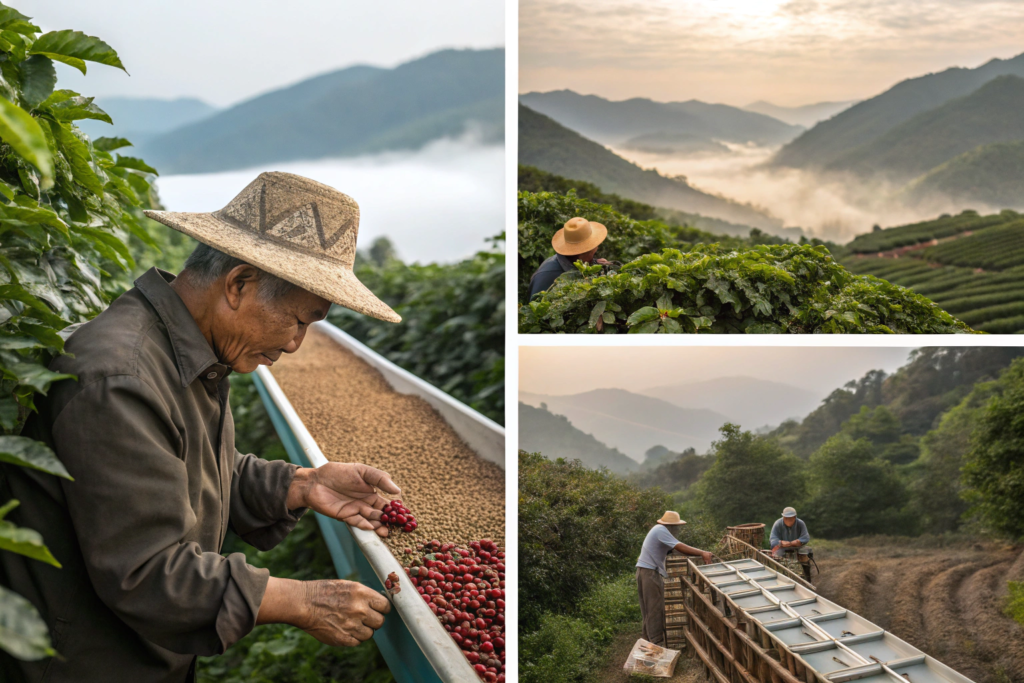
Look for the specifics that set you apart. Do you interplant coffee trees with pepper vines, giving the beans a subtle spicy note? Is your water source a natural mountain spring? Do you have a particular bird species that helps with pest control, making your farm a bio-sanctuary?
For us, a key character is our Catimor varietal. Instead of seeing it as just disease-resistant, we tell the story of how it thrives in Yunnan's climate, and how our processing coaxes out its inherent sweetness and body, challenging old perceptions. Another character is the "Yunnan microclimate"—the combination of high altitude, ample rainfall, and sunny days that creates a longer, slower maturation for the cherry, developing more complex sugars. These are your unique plot points.
How to Humanize Your Supply Chain?
Put names and faces to the process. Introduce your head grower, Ma, who can tell the bean's moisture content by touch. Profile your head of quality control, Sarah, a certified Q Grader who rejected three entire lots last month to meet her standard. Share a photo of the warehouse team carefully loading the container.
When you buy from Shanghai Fumao, you're not buying from a faceless corporation. You're partnering with Ma, Sarah, and our logistics lead, David, who ensures your container gets on the fastest sailing. This human connection builds immense trust. It makes your coffee supply chain feel personal and accountable.
How to Adapt Your Story for Different Buyers?
One story, many versions. The core narrative remains, but the emphasis shifts depending on who is listening. This is where storytelling becomes a strategic sales tool.
- For the CEO/Distributor (Like Ron): Emphasize the story of reliability and scale. "Our story of vertical integration means the narrative of consistent quality is baked into our process. You won't get surprises. The story of our land ownership is the story of your supply security." Focus on chapters about logistics, capacity, and risk mitigation.
- For the Brand/Roaster Buyer: They are your co-storytellers. Give them the rich, sensory chapters. Provide them with the origin depth, the farmer profiles, the processing details. They need these assets to craft their own brand story. Your story becomes the foundational truth of their marketing.
- For the End Consumer (via your clients): Simplify into emotive highlights. Focus on the origin beauty, the farmer's pride, the unique flavor journey. This version is more visual and emotional, perfect for packaging and social media.

What Does a B2B Buyer Want to Hear in a Story?
A B2B buyer like Ron has practical pains. Your story must directly address them. Weave solutions into your narrative:
- Pain Point: Inconsistent Quality. Story Chapter: "Our on-site lab and full traceability mean every bag has a passport. The story of your batch is documented and guaranteed."
- Pain Point: Unreliable Logistics. Story Chapter: "Because we control the process from soil to ship, we control the timeline. Our story is one of predictable sailing schedules."
- Pain Point: Price Volatility. Story Chapter: "Owning our land gives us cost stability. Our story allows us to offer you transparent, stable pricing, not subject to trader speculation."
This shows you understand their business, not just your coffee.
How to Turn Technical Data into a Narrative?
Data points are plot twists. Don't just state a moisture content of 10.5%. Say, "We dry the beans slowly to a precise 10.5% moisture. This is the sweet spot—it locks in the floral aromatics we worked so hard to develop during fermentation, ensuring the story of our terroir survives the journey to your roastery." The number becomes evidence within the story, not a standalone fact.
How to Deliver Your Story Across Channels?
A story untold is no story at all. You must be a consistent narrator across every point of contact.
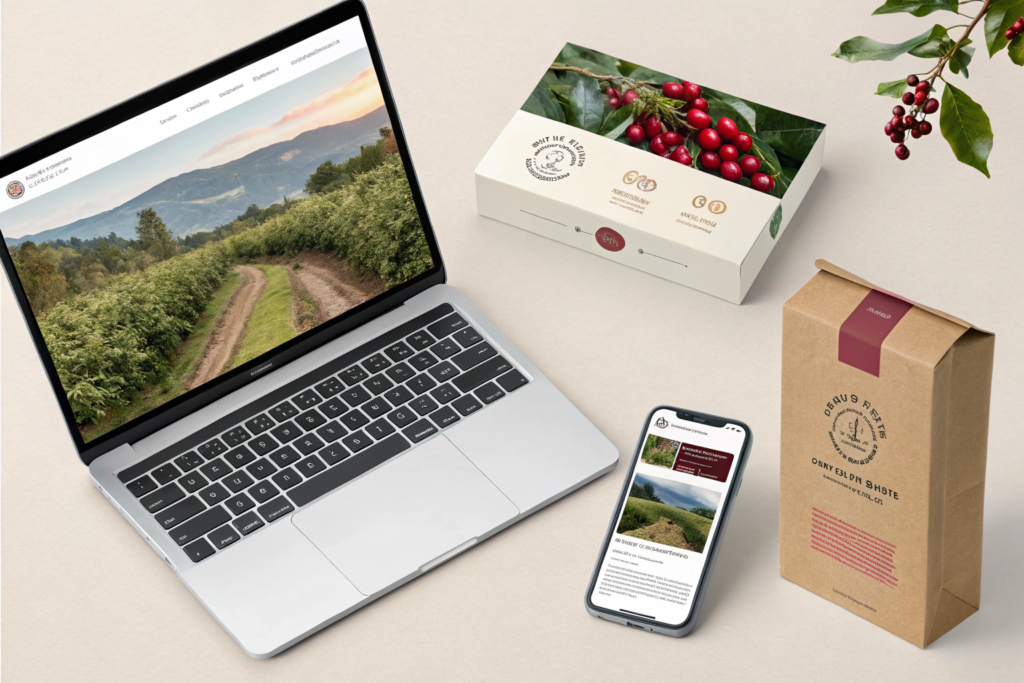
- Your Website & Blog: This is your novel. Write long-form articles about harvest seasons, farmer interviews, and processing deep-dives. Use high-quality video documentaries.
- Sample Packages: The story starts with the sample. Include a "story card" with the lot—a photo, a map, tasting notes, and a short paragraph about its origin. Make unboxing an experience.
- Sales Meetings & Trade Shows: Don't just present a list. Take buyers on a journey. Start with a beautiful image, tell a short story, then present the sample and data. You're setting the context for evaluation.
- Social Media (Instagram, LinkedIn): This is your serialized publication. Share "story snippets"—a 15-second video of the morning harvest, a quote from a farmer, a close-up of dewy cherries. Use Stories and Reels to show the raw, real moments.
- Packaging & Documentation: The shipping documents and bag labels should carry echoes of the story—a lot number linked to a web page, a QR code to a farm video, a brief origin statement.
The goal is a multi-sensory, omnipresent narrative that surrounds your customer.
How to Use Video Storytelling Effectively?
Video is your most powerful tool. It shows authenticity that text cannot. Create short films (2-3 minutes):
- The Origin Film: Sweeping shots of your Yunnan farms, interviews with farmers.
- The Process Film: A satisfying, detailed look at sorting, fermentation, drying.
- The People Film: Profiles of your QC team, your logistics manager.
These don't need Hollywood production. Authentic, slightly raw footage often works better. Share these on your site, in sales pitches, and with your buyers for them to use.
How to Empower Your Buyers to Tell Your Story?
Make it easy for them. Provide a "Story Kit" to your B2B clients: a digital folder with high-res photos, video clips, farmer bios, and pre-written blog snippets or social media captions they can customize. When you make them the hero of their story by providing exceptional, story-rich beans, and the tools to talk about it, you become an indispensable partner. Their success becomes a new chapter in your own story.
Conclusion
Storytelling is not a marketing add-on for premium coffee; it is the very fabric of its value. It bridges the gap between the tangible quality in the cup and the intangible desire in the customer's mind. By crafting authentic, structured, and strategically delivered stories, you do more than sell a product—you sell an origin, a philosophy, and a partnership.
You give buyers like Ron a reason to choose you beyond price, and you give his customers a profound reason to cherish their daily cup. In the end, people may forget a price or a score, but they never forget a great story.
Ready to partner with a source that provides not just premium beans, but a compelling, authentic story to tell? Let's build your next narrative together. Contact our sales lead, Cathy Cai, at cathy@beanofcoffee.com to discover the stories behind our Yunnan Arabica, Catimor, and Robusta, and how they can become the foundation of your own brand's success.