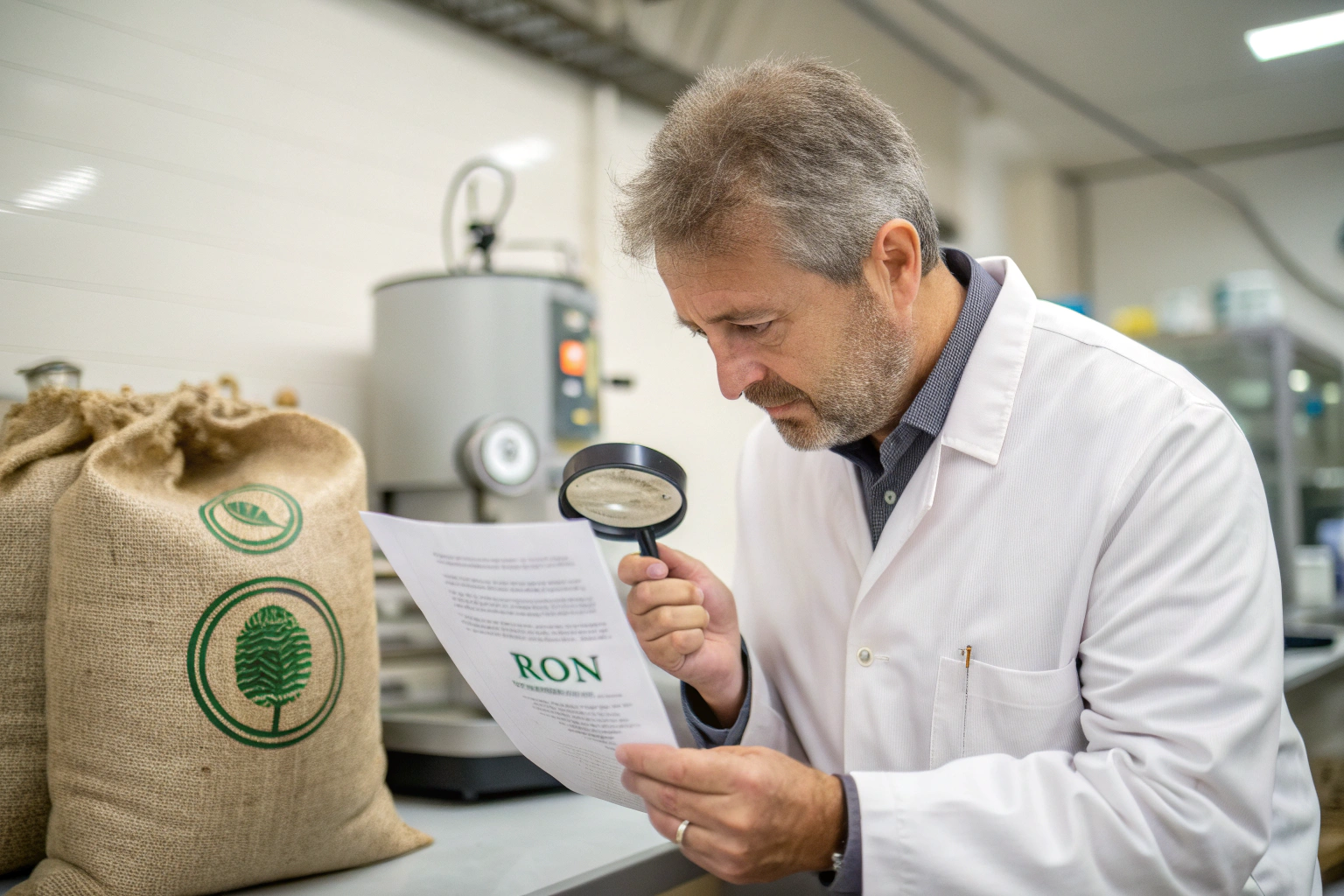
You're a buyer, Ron, and you're considering a new supplier from China. You see the word "organic" on their website, and it sounds great. But a healthy dose of skepticism is your best tool in this business. How do you really know it's organic? You're worried about "greenwashing"—paying a premium for a label that isn't backed by real certification. The last thing you want is to mislead your customers or fail a compliance check. This isn't just about marketing; it's about trust, safety, and the integrity of your brand.
To verify organic certification for Chinese coffee beans, you must request the supplier's official organic certificate and then independently verify its authenticity and validity through the issuing body's public database. This two-step process involves checking the certificate number, the certified products (ensuring coffee beans are listed), and the expiration date. Never take a supplier's claim at face value without cross-referencing it with the source.
As the owner of Shanghai Fumao, with over 10,000 acres in Yunnan, I welcome this scrutiny. In fact, I demand it. We've invested heavily in sustainable, organic practices, and we are proud to have our certifications verified. Any supplier who is hesitant to provide this information should be a major red flag. So, let's walk through the exact, practical steps you should take to verify any organic claim from a Chinese supplier, ensuring you get the authentic, high-quality product you're paying for.
What organic certifications should you look for?
When you're importing to the U.S., not all organic certifications are created equal. A product being "organic" in China doesn't automatically mean it can be sold as "organic" in America. There are specific standards and agreements that govern international trade. Understanding which certifications are relevant to your market is the first and most important step. It prevents you from importing a product you can't legally sell with the organic claim.
For coffee beans imported from China to the United States, the most important certification to look for is the USDA Organic seal. Due to equivalency agreements, products certified to EU Organic or Chinese Organic standards by an accredited certifier can also often qualify for the USDA label, but the USDA certification is the gold standard for the US market. A serious exporter targeting North America, like us, will have pursued the certification required by their target market.
Think of it as a passport. A bean needs the right "passport" (certification) to enter the U.S. market and be sold as organic. While a Chinese domestic organic certificate is a good sign of a supplier's commitment, the USDA seal is what the American consumer and regulatory bodies recognize. Let's look at the key players.
What is the USDA Organic Seal?
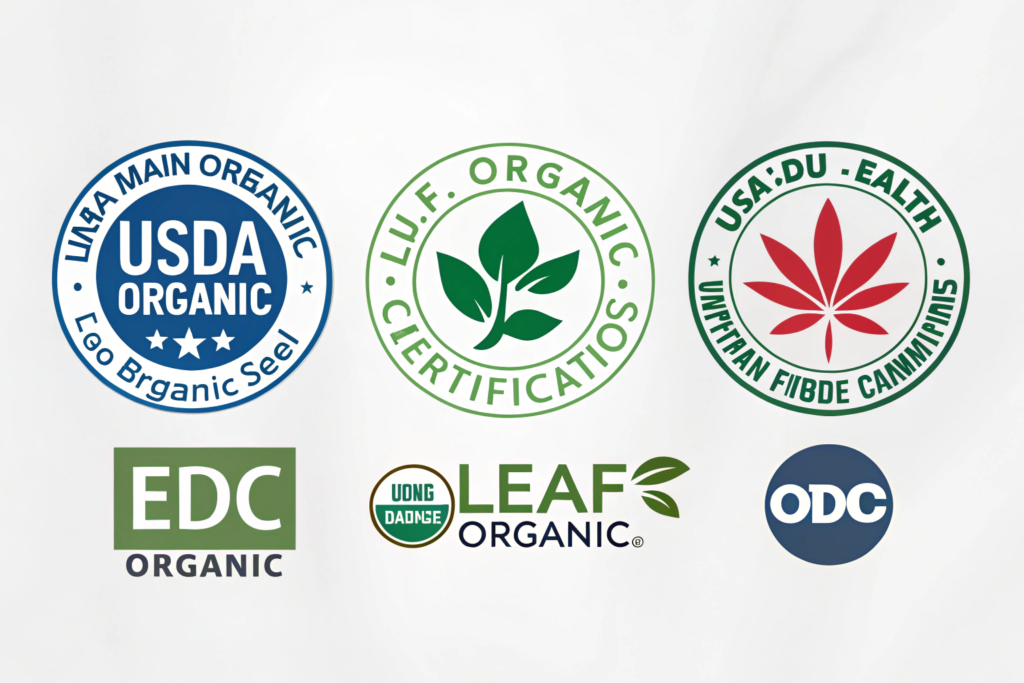
This is the one that matters most for you, Ron. The USDA Organic seal indicates that the product has been grown and processed according to the strict federal guidelines of the United States Department of Agriculture. This covers everything from soil quality and pest control to processing practices. For a Chinese farm to get this seal, they must be certified by a USDA-accredited agent who inspects the farm to ensure it meets these American standards. It's the official stamp of approval for your market.
What about EU and Chinese Certifications?
The EU Organic logo (a leaf made of stars) and the Chinese Organic certification (often issued by bodies like OFDC - Organic Food Development Center) are also rigorous standards. The good news is that the U.S. has "equivalency agreements" with many international bodies. This means that, in many cases, a product certified as organic in the EU can be sold as organic in the U.S. While you should always verify the specifics, seeing a current EU or a reputable Chinese organic certificate is a very strong indicator that the supplier is legitimate and capable of meeting USDA standards. We at Shanghai Fumao ensure our certifications are aligned with the requirements of our main export markets in North America and Europe.
How do you check the validity of a certificate?
A supplier has sent you a PDF of their organic certificate. It looks official. It has the logos. But in today's world, documents can be forged. This is the moment of truth for a diligent buyer. You must take the extra step to verify the document with the third-party organization that issued it. This is the only way to be 100% certain that the certificate is current, valid, and applies to the product you are buying.
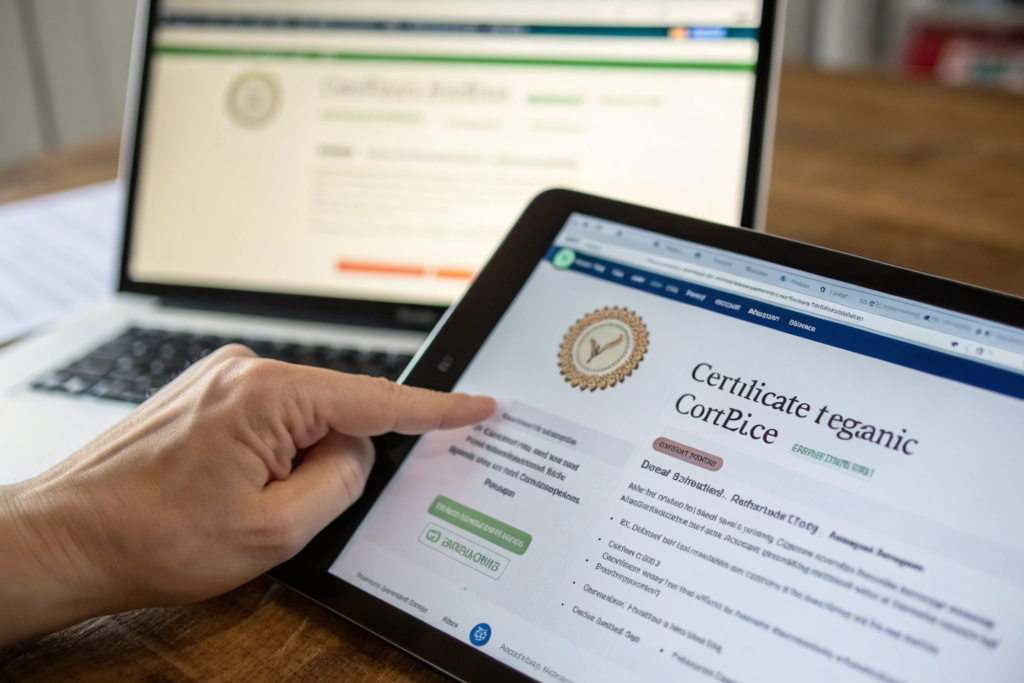
To check a certificate's validity, locate the name of the accredited certifying agent and the certificate number on the document. Then, go to that certifier's website and use their public database or search tool to look up the certificate number. The database should confirm the supplier's name, the scope of their certification (i.e., which products are certified), and the certificate's status and expiration date.
This is a simple but non-negotiable step. It's your due diligence. If you can't find the certifier's database or if the number doesn't show up, that's a major problem. A legitimate certifier will always provide a way to verify the credentials they issue. It's part of the chain of trust that makes the entire organic system work.
Where do you find the certifier's name?
The name of the certifying body is always printed clearly on the certificate. It will be a company name like "ECOCERT," "Ceres," or "Kiwa BCS Öko-Garantie," among many others. These are the independent, third-party agents accredited by the USDA or other national bodies to perform inspections and issue certifications. Don't just look at the USDA logo; look for the name of the company that put it there.
What if the certificate is in Chinese?
This is a common scenario. You may receive a certificate from a body like the OFDC that is primarily in Chinese. Don't worry. You can use online translation tools to identify the key information: the supplier's name, the certificate number (usually a mix of letters and numbers), and the certifier's name. Most major international certifiers operating in China will have a bilingual search page on their website. If you're working with a transparent partner like Shanghai Fumao, we will gladly provide you with all the necessary documentation and direct links to the English verification pages to make this process seamless for you.
What information should be on the certificate?
You've found the certificate in the database. Great! But you're not done yet. You need to read the details of the certificate itself to ensure it covers what you're actually buying. A company might be certified organic for one product (like tea) but not for another (like coffee). Looking at the fine print is essential to avoid any misunderstandings or compliance issues down the line.
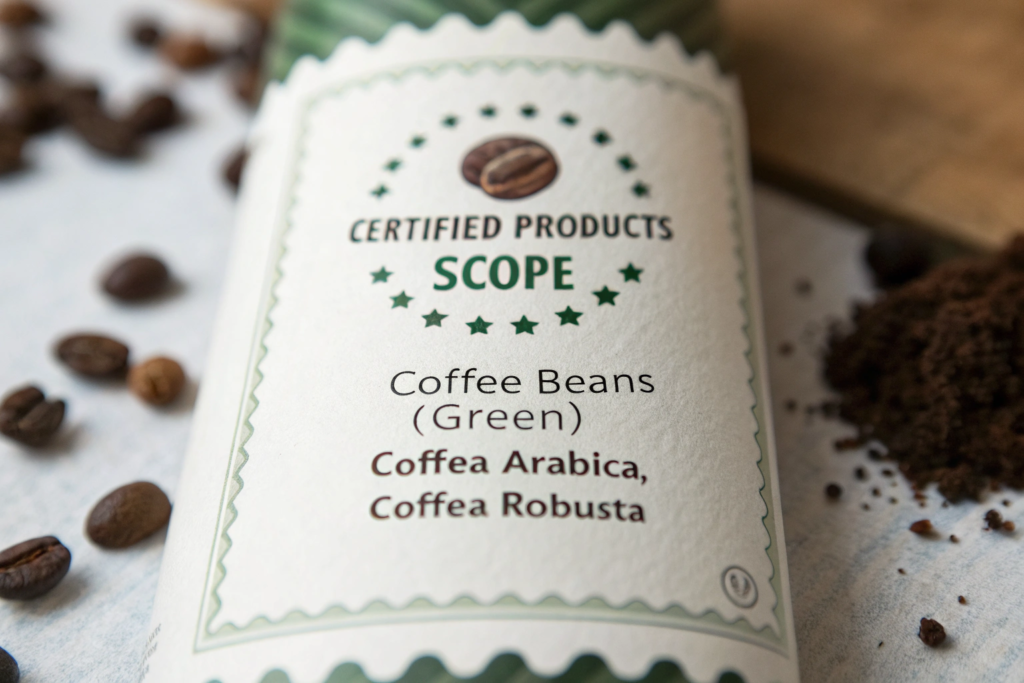
A valid organic certificate must clearly list "coffee" or the specific species like "Coffea arabica" under the "Scope of Certification" or "Certified Products" section. It must also show the supplier's correct name and address, and have a validity or expiration date that has not passed. If you are buying processed or roasted beans, ensure that "processing" or "roasting" is also included in the certified activities.
Think of this as matching an invoice to a purchase order. You need to confirm that every detail on the certificate aligns with the product you are sourcing. A certificate for "organic farming" is good, but a certificate for "organic farming, processing, and export of coffee beans" is better, as it covers the entire supply chain you are engaging with.
Does the certificate cover the specific bean?
Check the product list carefully. If you are buying our Catimor beans, you want to see "coffee" or "Catimor" listed. A generic certificate for "agricultural products" is not specific enough. The certification is product-specific, so the product you are purchasing must be explicitly named on the document. This ensures that the specific crop you are buying was grown under organic standards.
What is the "Transaction Certificate"?
For each individual shipment of organic products you import, you should also request a Transaction Certificate (TC). This is a document that is specific to your purchase. It's issued by the certifier and verifies that a particular batch of coffee being sold to you comes from the certified organic farm and has been handled correctly throughout the supply chain. While the main organic certificate proves the farm is certified, the TC proves that the specific beans in your container are the certified organic ones. This is the ultimate proof of traceability and a key document for importing organic goods into the U.S.
What is a Transaction Certificate and Why Do You Need It?
You've verified the farm's organic certificate. It's valid, and it covers coffee. You might think you're all set. However, there's one final piece of the puzzle that secures the integrity of your specific shipment. This is the step that links the certified farm directly to the container of coffee arriving at your port. It's what separates professional sourcing from amateur guesswork.
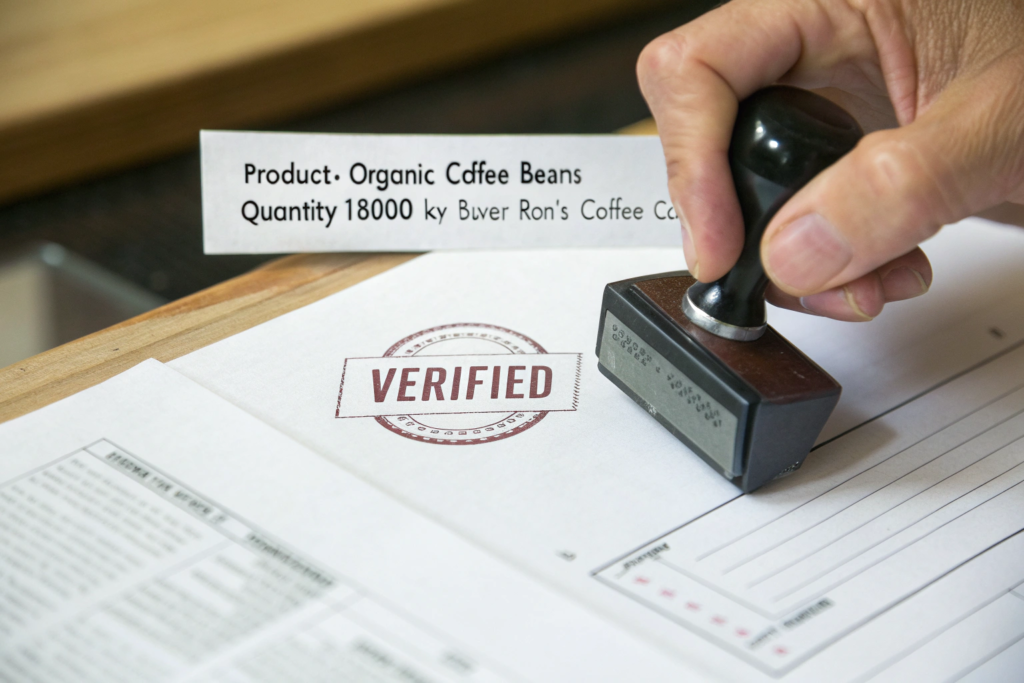
A Transaction Certificate (TC) is a shipment-specific document issued by the organic certifier that verifies a specific sale of goods from a certified supplier to a buyer. It confirms that the exact quantity of coffee in your shipment was produced in accordance with organic standards. While the main certificate proves the farm is organic, the TC proves the beans in your box are organic.
For any U.S. importer, this is a critical document. It's the ultimate proof of traceability that you'll need for your own records and for U.S. Customs and Border Protection. It closes the loop, ensuring there's no possibility of non-organic coffee being mixed in along the way. A serious, professional exporter will know exactly what a TC is and will be able to procure it for your shipment.
How do you get a Transaction Certificate?
You, the buyer, must request a TC from your supplier for each purchase. The supplier then applies for the TC from their certifier. The certifier reviews the sales records and inventory to confirm that the supplier has enough certified organic stock to cover your order. Once verified, they issue the TC, which includes your name, the supplier's name, and the exact details of the product and quantity. It's a key part of the organic import process.
Is a TC required for every shipment?
Yes. For maintaining a fully traceable and verifiable organic supply chain that will stand up to any audit, a Transaction Certificate is required for every single shipment you import. It's your ultimate guarantee. Think of it as the title or deed for that specific batch of coffee, proving its organic "provenance" from the farm all the way to your warehouse. It's the final handshake that confirms the integrity of your entire purchase.
Conclusion
Verifying organic certification isn't about a lack of trust; it's about building it on a foundation of proof. For a professional buyer like you, Ron, it's a non-negotiable part of risk management and quality assurance. By checking for the correct certifications (especially the USDA Organic seal), independently verifying the certificate number in the issuer's public database, and ensuring the scope covers the specific coffee beans you're buying, you can be confident in your sourcing. The process protects your investment, your brand's reputation, and your customers' trust.
We believe that transparency is the cornerstone of a good business relationship. We are proud of our organic practices and are happy to provide all the documentation you need to feel secure in your purchase. If you're ready to partner with a Chinese coffee supplier who not only claims quality but proves it, please reach out. Contact our specialist, Cathy Cai, at cathy@beanofcoffee.com to start the verification process and receive a sample of our certified organic Yunnan coffee.