
You've found a coffee supplier online with impressive certifications, glowing testimonials, and prices that seem almost too good to be true. They promise direct farm access and premium quality, but something feels off. In an industry where trust is everything, verifying supplier authenticity isn't just due diligence—it's essential for protecting your business from fraud, quality issues, and supply chain disruptions.
Verifying coffee supplier authenticity requires a multi-faceted approach including documentation review, third-party verification, physical inspections, and relationship building. Key steps include checking business registration and certifications, conducting site visits, verifying trade references, testing samples against claims, and examining supply chain transparency. Authentic suppliers welcome scrutiny while fraudulent ones avoid it.
So, how can you separate legitimate partners from clever imposters in a global market where anyone can create a professional website? The process involves looking beyond marketing claims to verifiable evidence. Let's examine the concrete steps that protect your business.
What Documentary Evidence Establishes Legitimacy?
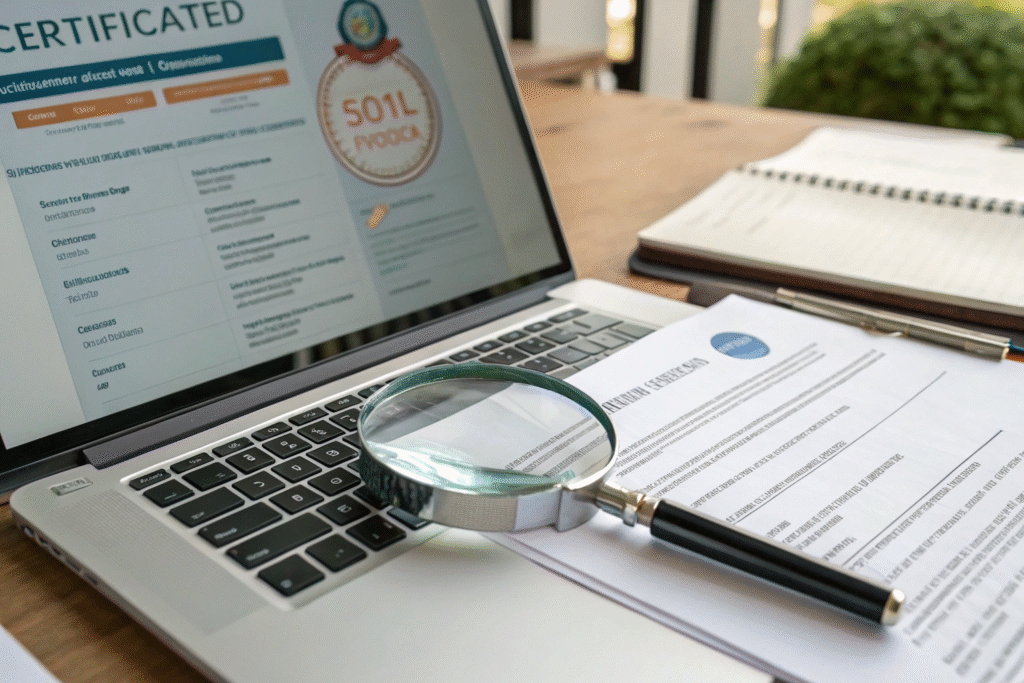
Paperwork might seem tedious, but it's your first line of defense. Authentic suppliers maintain organized documentation and provide it willingly, while fraudulent ones make excuses.
Essential documents include business registration, tax records, export licenses, certification documents, and quality reports. These establish that you're dealing with a real business operating legally.
How Do You Verify Business Registration and Export Capability?
Any legitimate exporter should provide:
- Business registration certificate showing legal entity status
- Tax registration documents proving they're operating legally
- Export license if required in their country
- Bank references confirming financial stability
Cross-check this information where possible. For example, many countries have online business registries where you can verify company existence. This legal verification separates real businesses from shell companies.
What Certifications Should You Scrutinize?
While certifications don't guarantee quality, they indicate investment in verification systems:
- Export certifications (like Yunnan's export permits for Chinese coffee)
- Quality certifications (ISO, SCA membership)
- Sustainability certifications (Organic, Fairtrade, Rainforest Alliance)
- Food safety certifications (FDA registration, HACCP)
Verify certification numbers directly with issuing bodies when possible. At BeanofCoffee, we provide all documentation upfront because we have nothing to hide. This transparency practice builds immediate trust.
How Can Physical Verification Protect Your Business?
Documents can be forged, but physical presence is harder to fake. Whenever possible, verify that suppliers actually control the assets they claim.
Site visits, either by you or trusted representatives, provide the most reliable verification of a supplier's operations, capacity, and quality standards.
What Should You Look for During a Farm Visit?
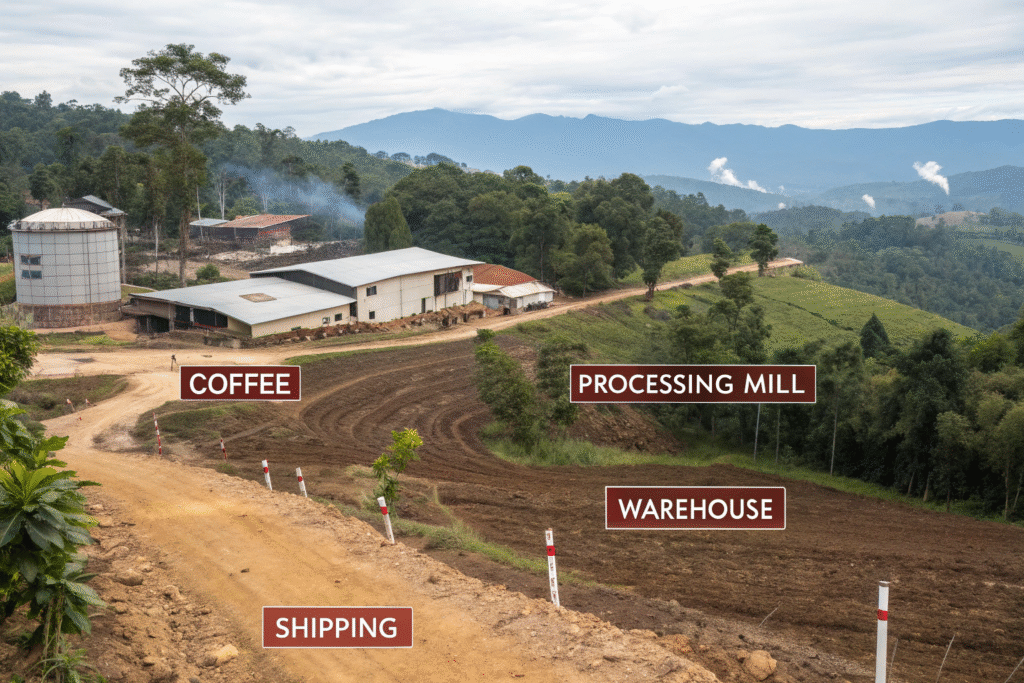
If claiming direct farm relationships, suppliers should welcome visits to:
- Coffee plantations showing their cultivation practices
- Processing facilities demonstrating their quality control
- Warehouses proving inventory and storage standards
- Office operations confirming business infrastructure
During our farm visits at BeanofCoffee, we show partners everything from seedling nurseries to export packaging because operational transparency is our standard.
What If You Can't Visit Personally?
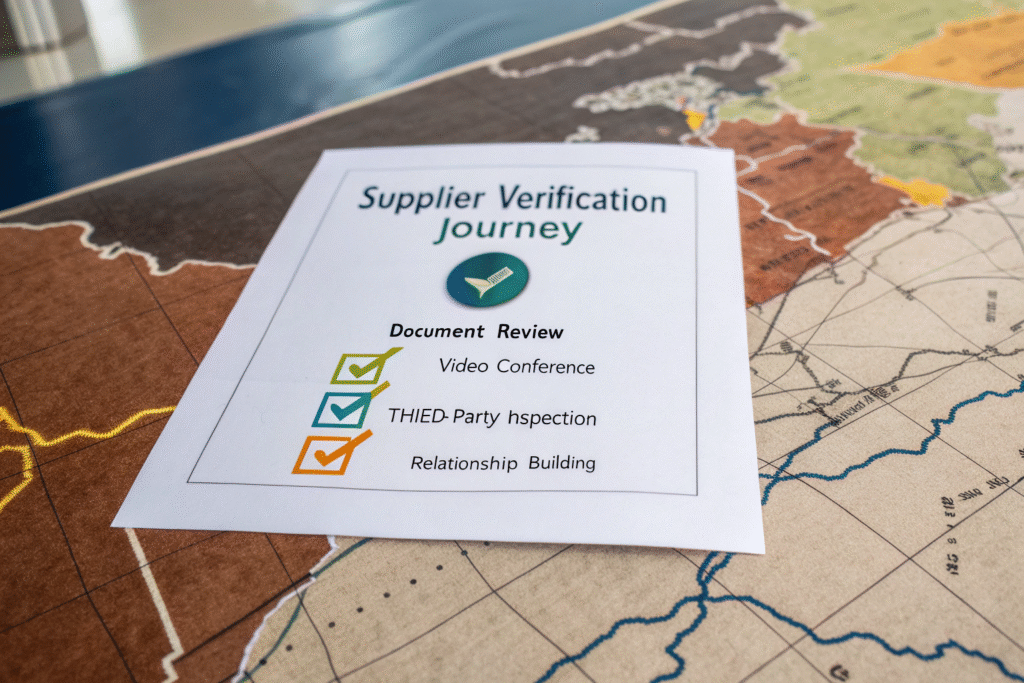
When travel isn't feasible, consider:
- Third-party inspections by quality control companies
- Video tours conducted live via video call
- Google Earth verification of claimed facilities
- Local contacts who can verify operations
The key is independent confirmation that the supplier controls the supply chain they describe. This physical verification prevents "virtual exporter" scams.
How Does Sample Testing Reveal Truth?
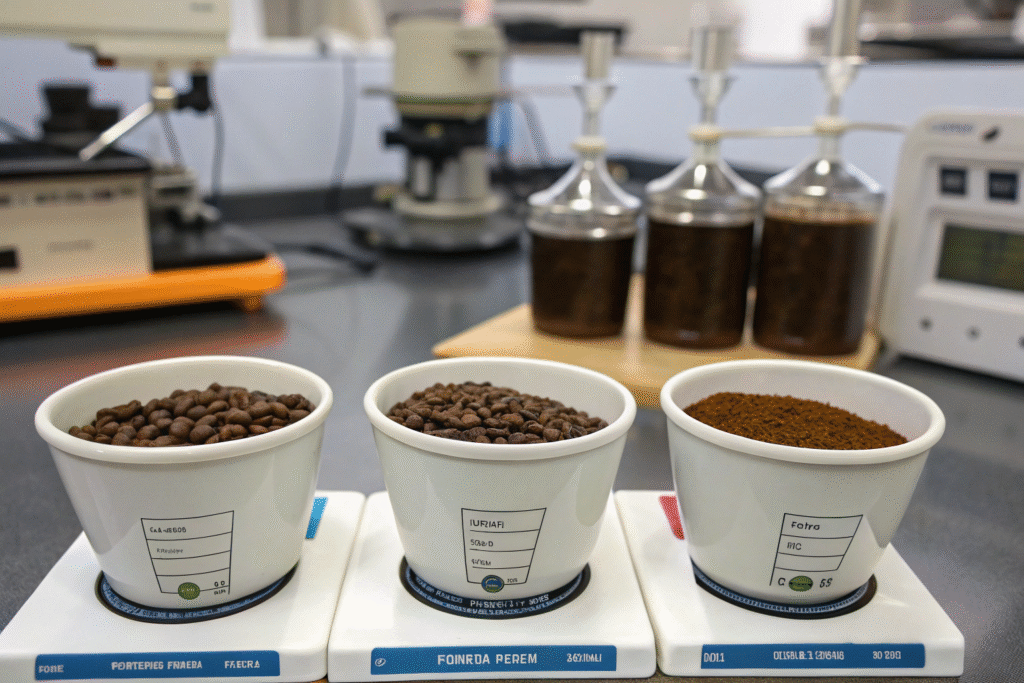
The proof is ultimately in the cup. Sample testing provides objective evidence of whether a supplier can deliver what they promise.
Comparative sample analysis, laboratory testing, and blind cupping can reveal discrepancies between claims and reality that documents might conceal.
Why Test Multiple Samples Over Time?
A single perfect sample proves nothing—it could be purchased from another supplier. Instead:
- Request samples from different lots over multiple seasons
- Compare pre-shipment samples against final shipment quality
- Test consistency across different bean grades they offer
- Verify that samples match the descriptions they provide
This longitudinal testing reveals whether quality is consistent and genuinely theirs.
What Laboratory Tests Provide Objective Data?
Beyond cupping, scientific analysis offers verification:
- Moisture content analysis indicating proper storage
- Bean density measurements confirming growing conditions
- Species verification ensuring you're getting what you paid for
- Defect analysis validating their quality claims
These objective measurements complement sensory evaluation and provide hard evidence of quality claims.
How Can Supply Chain Transparency Verify Authenticity?
Authentic suppliers understand their supply chain deeply and can provide specific details at every stage. Vague answers often signal intermediaries rather than genuine producers.
Traceability back to individual farms, transparent pricing throughout the chain, and detailed knowledge of processing methods indicate genuine supply chain control.
What Traceability Information Should They Provide?
Legitimate suppliers can typically tell you:
- Specific farm or cooperative names and locations
- Farmer information and relationship history
- Harvest dates and processing timelines
- Mill information and quality control points
- Shipping documentation with consistent details
When we work with partners at BeanofCoffee, we provide farm-level traceability because we're directly involved from harvest to export. This chain of custody knowledge is difficult for fake suppliers to fabricate consistently.
How Does Pricing Transparency Indicate Authenticity?
Be wary of suppliers who can't explain their pricing structure. Authentic suppliers typically:
- Can break down costs (farm gate, processing, transport, etc.)
- Explain price differences between quality tiers
- Provide consistent pricing for similar quality over time
- Understand fair trade premiums and how they reach farmers
Unexplained deep discounts or inconsistent pricing often signal problems. This pricing logic reveals whether someone genuinely understands coffee economics.
What Relationship Indicators Build Confidence?
While documentation and verification provide evidence, relationship patterns also reveal authenticity. Genuine partners behave differently than scammers.
Communication patterns, problem-solving approaches, and long-term behavior provide subtle but important clues about a supplier's authenticity and reliability.
How Does Communication Style Indicate Authenticity?
Authentic suppliers typically:
- Respond consistently rather than disappearing after payment
- Provide proactive updates without being asked
- Admit problems and propose solutions
- Speak knowledgeably about technical details
- Make introductions to their team and partners
Fraudulent suppliers often exhibit communication red flags like pressure tactics, evasive answers, and sudden contact number changes.
Why Do Long-Term References Matter?
Speaking with a supplier's long-term clients provides invaluable insights:
- Ask about consistency over multiple years
- Inquire about problem resolution approaches
- Verify that their experience matches current claims
- Check if they'd recommend the supplier without reservation
We encourage potential partners to speak with our existing clients because long-term satisfaction is the ultimate validation of authenticity.
Conclusion
Verifying coffee supplier authenticity requires combining document verification, physical inspection, sample testing, supply chain transparency, and relationship assessment. No single method provides complete assurance, but together they create a comprehensive picture of whether a supplier is genuine.
The most reliable suppliers welcome scrutiny, provide transparent information, and build trust through consistent performance. If a supplier resists verification efforts or provides inconsistent information, consider it a major red flag. Your due diligence investment protects you from financial loss, quality issues, and reputational damage. If you're looking for a verified, transparent supplier with nothing to hide, we invite your scrutiny. Contact our export manager, Cathy Cai, at cathy@beanofcoffee.com to begin the verification process with BeanofCoffee—we're confident our authenticity will withstand your most rigorous assessment.