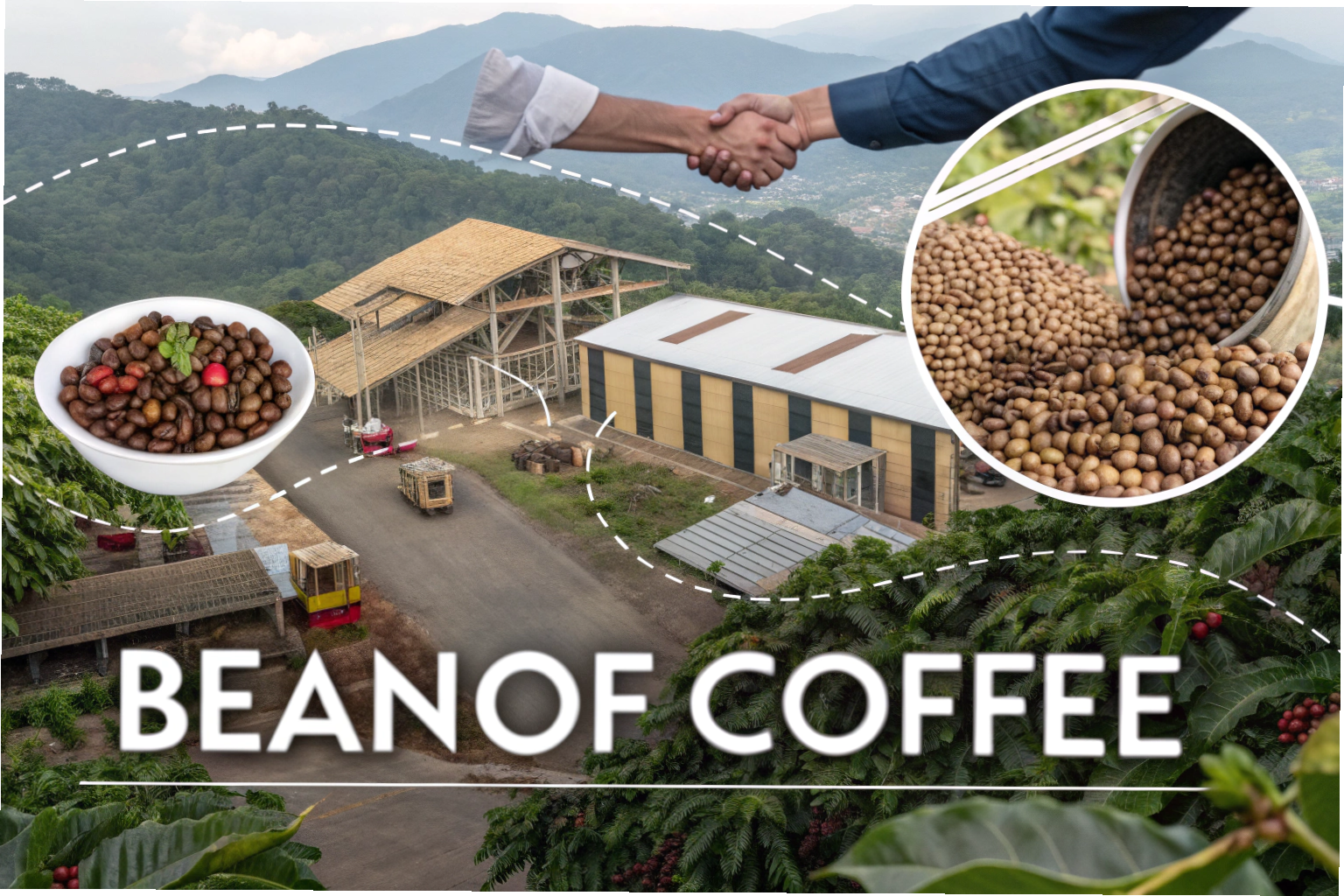
You've just received a shipment of roasted coffee from overseas. The bag says it's "fresh," but is it? For a cafe owner, distributor, or brand buyer, the roasting date isn't just information—it's the countdown clock to your product's peak quality and your own profitability. Relying on an unverified date is a direct risk to your business. Stale coffee means flat espresso, unhappy customers, and wasted money. In an import scenario, the stakes are higher: the beans have traveled for weeks, and you have no direct oversight of the roastery. So, how do you cut through the uncertainty and get to the truth?
Verification is a multi-layered process. It combines forensic examination of the packaging, scientific assessment of the beans themselves, and a strategic partnership with your supplier built on contractual transparency. You cannot afford to take a date stamp at face value. At Shanghai Fumao, we understand this anxiety from our wholesale partners. While we primarily export green beans, we work with trusted roasters worldwide, and the principles of verification are critical whether you're importing roasted or green coffee. The goal is to move from trust to verified trust.
So, if you're signing a PO for imported roasted coffee, you need a verification protocol. Let's build one.
What Packaging Clues Can Reveal the True Roast Date?
The bag itself is your first piece of evidence. A professional, credible roaster exporting internationally will treat date marking as a critical part of their brand integrity. Look for more than just a stamped number.
Key Elements of a Verifiable Package:
- Clear, Permanent Labeling: The roast date should be printed directly on the bag as part of the label, or on a separate but firmly affixed sticker. Handwritten dates with a marker are a major red flag—they are too easily altered. Look for inkjet or laser printing.
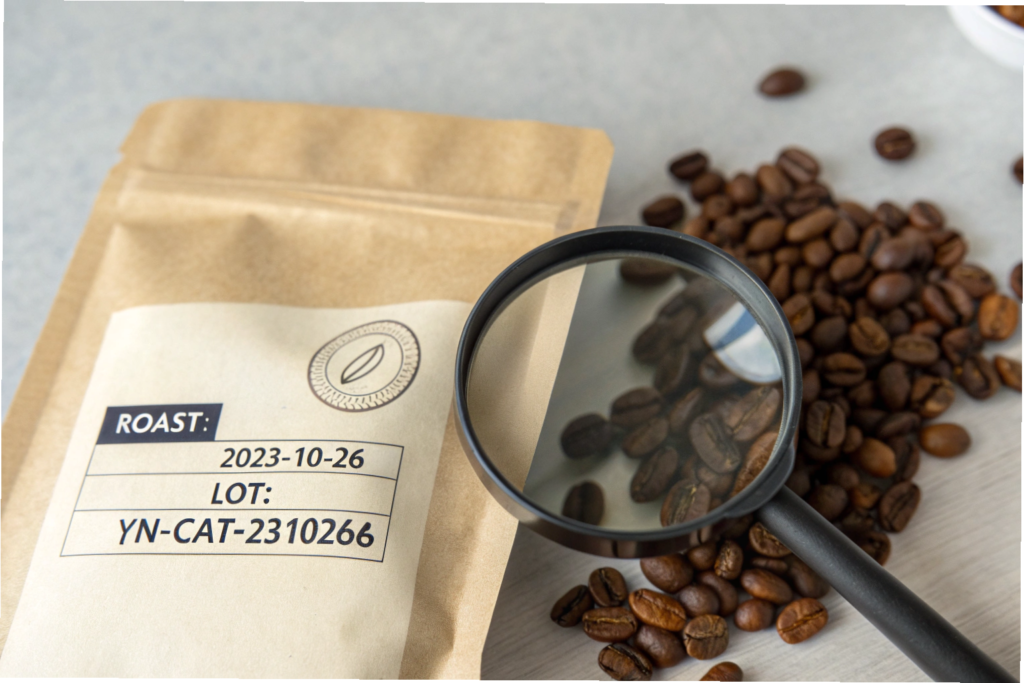
- Batch or Lot Number: A credible roaster will have a batch number that corresponds to their production log. This number, combined with the date, allows for traceability back to the raw green coffee batch and roast logs. Ask for this correlation.
- One-Way Degassing Valve: This is non-negotiable for fresh roasted coffee. It allows CO2 to escape without letting oxygen in. But also, feel the bag 24 hours after arrival. If it's still puffed up like a pillow, it's a sign of very recent roasting (within 1-7 days). A bag that is completely flat could be stale, or it could have been degassed intentionally before sealing (common for espresso blends). The valve's presence is a good sign; its state offers a clue.
- Packaging Integrity: Is the bag vacuum-sealed or nitrogen-flushed? This technology greatly extends shelf life from the point of sealing. If used, the "roast date" and the "seal date" should be very close. Check for any leaks or breaks in the seal.
A supplier cutting corners on packaging is likely cutting corners on date accuracy. Professionalism here is a proxy for honesty.
Why is a lot number more important than just a date?
A date can be falsified. A lot number ties that bag to a specific event in the roaster's production system. It's much harder to fabricate a consistent, logged numbering system. When you receive the coffee, you can email the supplier with the lot number and ask for its "production record" or the green coffee origin info for that lot. A legitimate operation will be able to provide this detail (e.g., "Lot YN-CAT-231026A used green coffee from BeanofCoffee, Yunnan, harvest March 2023"). This creates an audit trail. If they hesitate or can't provide it, consider it a major warning sign.
What are the red flags in imported coffee packaging?
- No roast date at all. ("Best Before" dates are useless; they can be 12+ months from roast.)
- Ambiguous dating formats (e.g., "102623" – is that MM/DD/YY or DD/MM/YY?).
- Smudged, scratched-off, or sticker-over-sticker dates.
- Bags without a degassing valve (for roasted coffee) – this shows a fundamental lack of understanding of coffee freshness.
- Poor overall bag quality that feels cheap or easily permeable.
How Can You Physically Test the Beans for Freshness?
The beans don't lie. Even with perfect packaging, you need to conduct a physical and sensory inspection upon arrival. This is your quality control checkpoint before accepting the shipment or paying the final invoice.
Conduct a Freshness Audit:
- Visual Inspection: Open a bag. Do the beans have a glossy sheen? Freshly roasted coffee has oils that migrate to the surface over 1-2 weeks post-roast. A very oily surface on a "4-week old" dark roast might be plausible. A completely dry, matte surface on a "1-week old" medium roast is suspicious.
- The Snap Test: Take a few beans. Try to snap them between your fingers. Very fresh, dense beans (especially lighter roasts) will be hard to snap and make a clear, sharp "crack." Stale or low-density beans will bend or crush quietly.
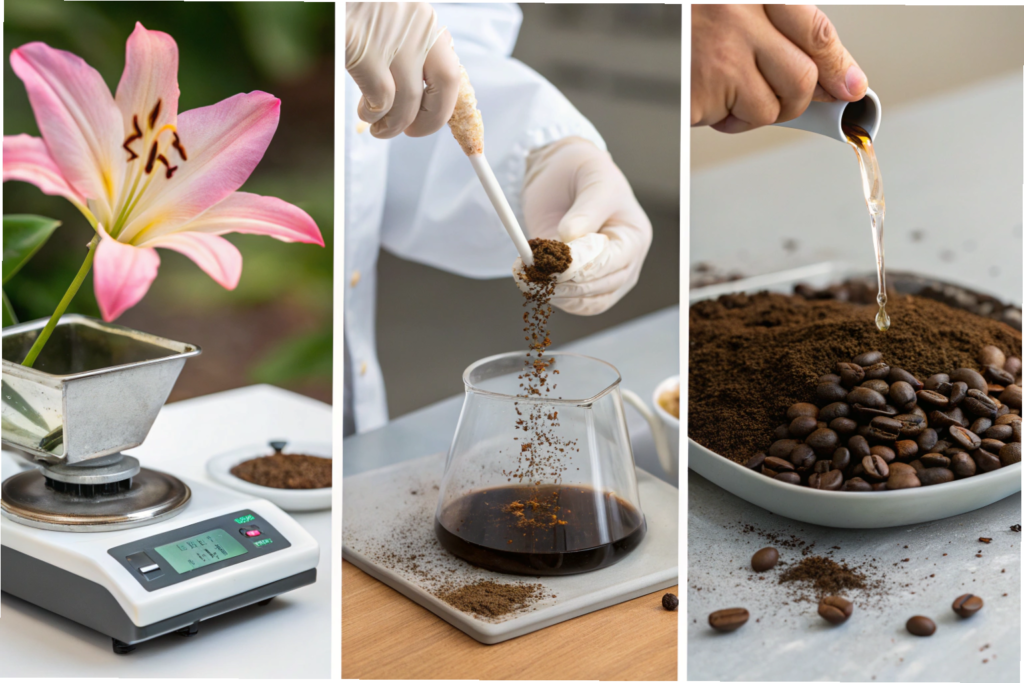
- The Grind & Bloom (The Most Important Test): Weigh out 15g of beans and grind them medium-fine. Place them in a clean brewer (like a V60 or French press). Add 30g of hot water (93-96°C) and start a timer. Observe.
- Fresh Coffee (0-21 days): Will form a thick, bubbling, expanding "bloom" as CO2 is rapidly released. The crust may rise significantly.
- Aging Coffee (21-35 days): The bloom will be smaller, less vigorous.
- Stale Coffee (35+ days): Little to no bloom. The grounds will just get wet.
This simple test is a direct measurement of the residual CO2—the primary indicator of roast freshness.
How does roast level affect the interpretation of these tests?
Roast level changes the timeline. Dark roasts degas faster (more CO2 created during roasting) and show oils sooner, but also stale more quickly due to more broken cell structure. A dark roast at 4 weeks may have little bloom. Light roasts degas slower and retain CO2 longer, often showing a good bloom at 5-6 weeks. Therefore, you must interpret the snap test and bloom in the context of the claimed roast profile. A light roast that snaps easily and has no bloom at a "2-week" date is a definite red flag.
What is the role of moisture content testing for roasted beans?
While more common for green coffee, measuring the moisture content of roasted beans with a specialized meter can provide a data point. Freshly roasted coffee typically has a moisture content between 1-5%. Over time, especially in humid transit conditions, it can re-absorb moisture from the air. A reading significantly above 5% could indicate improper storage, prolonged transit, or that the beans are older than stated and have had time to absorb ambient humidity. This is a more technical verification step but adds objective data.
How to Contractually Bind Your Supplier to Date Transparency?
Verification shouldn't be a detective game you play after you've paid. The most effective method is to build transparency and consequences into your purchasing agreement before the order is placed. This aligns incentives and makes the supplier a accountable partner.
Key Contractual & Procedural Steps:
- Specify Date Requirements in the PO: Your Purchase Order should explicitly state: "Roast date must be no more than [X] days prior to shipment date. The roast date and corresponding lot number must be clearly printed on every bag."
- Require Pre-Shipment Documentation: Before the container is sealed, require the supplier to send you a photo of a random sample of bags from the production lot with the printed roast date/lot clearly visible. Also request a copy of the mill certificate or green coffee lot info for that roast batch.
- Use Third-Party Pre-Shipment Inspection: For large orders, hire an inspection agency (like SGS, Bureau Veritas) to visit the roastery at the time of bagging. Their mandate should include: verifying the roast date on bags against production logs, checking bag sealing, and drawing a sample for later sensory analysis. The cost is small compared to the risk of a full container of stale coffee.
- Link Payment to Verification: Structure payment terms to your advantage. For example, "70% payment against shipping documents, 30% balance payable upon satisfactory arrival and verification of roast dates and quality." This gives you leverage.
This process turns a subjective claim into an objectively verifiable part of the commercial transaction. It's standard practice in professional B2B food sourcing.

What is the difference between "Roast Date," "Ship Date," and "Arrival Date"?
You must be clear on these terms in your contract.
- Roast Date: The day the beans were roasted.
- Ship Date (or Export Date): The day the container is sealed at the origin port.
- Arrival Date: The day the container arrives at your port.
The critical metric for you is the "Roast-to-Arrival" window. For ocean freight, 6-8 weeks total is common. Your contract should specify a maximum "Roast-to-Ship" window (e.g., "Coffee must be roasted within 7 days of the scheduled ship date"). This ensures the beans aren't sitting in a warehouse for weeks before even beginning their journey to you.
How can Incoterms affect your ability to verify dates?
Your chosen Incoterm defines responsibility. If you use EXW (Ex-Works) or FOB (Free On Board), you (or your freight forwarder) are responsible for the goods from the roastery or origin port. This gives you more direct control to arrange pre-shipment inspections. If you use CIF (Cost, Insurance, and Freight), the supplier arranges shipping, which can make independent verification at the port of loading more difficult. For high-value roasted coffee imports, FOB is often preferred as it balances cost control with verification access.
Why Sourcing Green Beans Simplifies Freshness Verification?
Here is the most strategic approach for a serious importer: Source green beans and roast locally. This completely circumvents the problem of verifying a foreign roast date. It gives you absolute control over the single most variable factor in coffee freshness—the roast itself.
When you import green coffee from a supplier like Shanghai Fumao, you are importing a stable, shelf-stable raw material with a 12-18 month shelf life if stored properly. Your verification focus shifts to the quality and moisture content of the green beans (which is easier to test objectively) and the harvest date. You then roast on your own schedule, guaranteeing peak freshness for your customers. This model:
- Eliminates Roast Date Anxiety: You create the date.
- Reduces Transit Staling Risk: Green beans don't stale in the same way roasted beans do.
- Improves Margin Control: You capture the value-add of roasting.
- Ensures Supply Consistency: You can build a long-term roast profile for a consistent green coffee source like our Yunnan estate lots.
For cafes with roasting capacity or distributors building a brand, this is the ultimate verification strategy—bringing the critical process in-house.
How do you verify the "freshness" of green coffee beans?
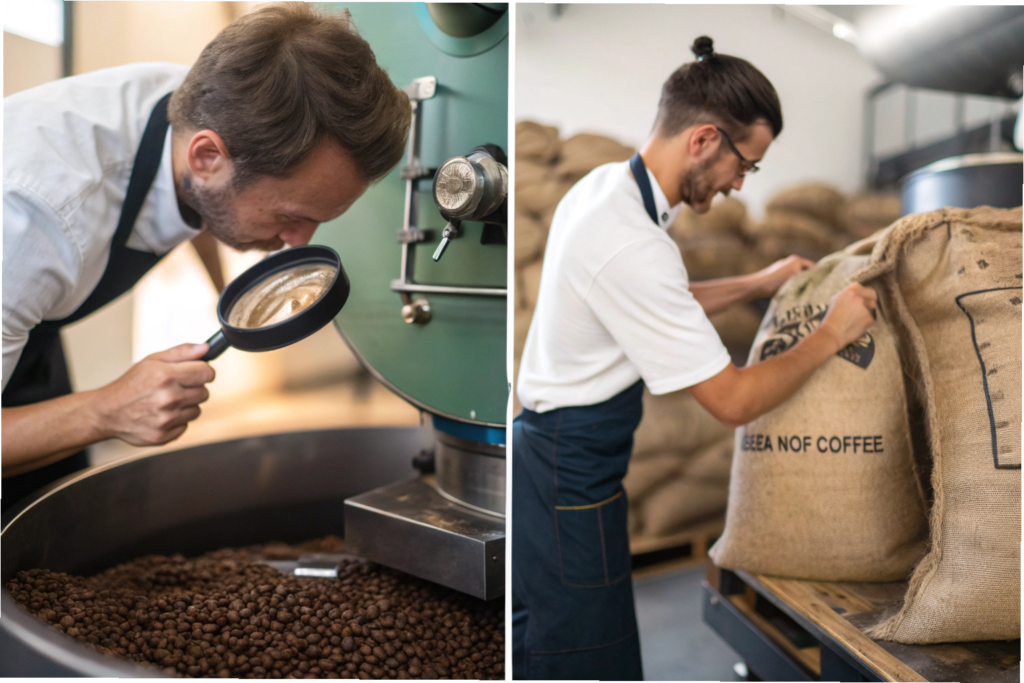
For green coffee, "freshness" means from the most recent harvest and properly stored. Key verification points:
- Harvest Date/Crop Year: This is the equivalent of the roast date. A reputable exporter will provide this (e.g., "Crop: 2023/24").
- Moisture Content: Must be 10-12%. Test upon arrival with a meter.
- Visual & Aromatic Check: Beans should be green to bluish-green, not yellowed or whitish. They should smell clean, grassy, or nutty, not musty, sour, or of old hay.
- Resting Period: Green coffee is often rested 1-3 months post-harvest to stabilize. Beans "too fresh" from harvest can taste grassy. Understanding this cycle is part of verification.
What are the logistical advantages of importing green vs. roasted?
Beyond freshness control, green coffee logistics are simpler and often cheaper. Green beans are denser, non-perishable in the short term, and typically not subject to the same stringent "fresh food" import regulations as roasted coffee. They are shipped in simple 60kg jute or vacuum bags, not in branded consumer packaging. This can mean lower shipping costs per kg of coffee and fewer customs complications. It streamlines your supply chain to its core component.
Conclusion
Verifying the roast date of imported coffee is a defense mechanism for your business. It requires a combination of skepticism, scientific testing, and smart contracting. While you can deploy techniques like packaging analysis and the bloom test upon arrival, the most powerful strategies are preventative: using pre-shipment inspections and, ultimately, taking control by importing green beans to roast yourself.
In a global supply chain, trust is built through verification. Your due diligence ensures that the quality you paid for—and the freshness your brand promises—is real.
Take the guesswork out of freshness. For absolute control, partner with BeanofCoffee to import consistent, high-quality green beans from our Yunnan estate. Roast locally, know your date, and guarantee peak flavor. Contact Cathy Cai to discuss green coffee samples and specifications: cathy@beanofcoffee.com. Own your timeline.