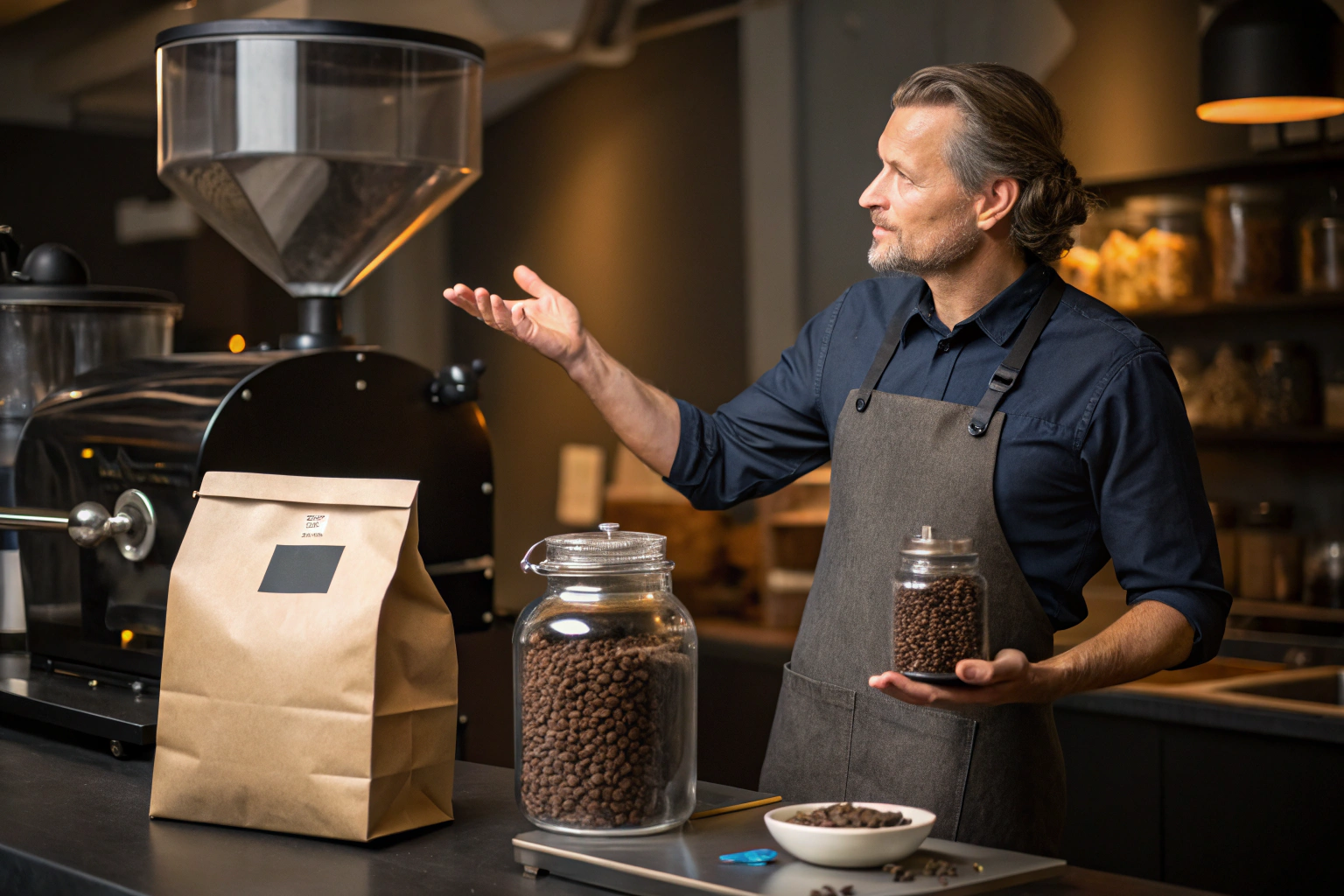
I will never forget the phone call from a buyer in Seattle. He was angry. Not at me—at himself. He had just roasted 50 pounds of our Yunnan Catimor, packaged it in standard paper bags with tin ties, and sent it to a café customer. Two weeks later, the café owner called him. "This coffee tastes like cardboard. What happened?" The buyer cupped the remaining beans. They were flat, stale, lifeless. He had spent $8 per pound on our beans, roasted them perfectly, and then destroyed them in bad packaging. He asked me: "Should I have used an airtight container?" The answer was yes. But it is more complicated than just "airtight."
So, is an airtight container necessary for coffee beans after roasting? Yes—but only after the degassing period. Freshly roasted coffee releases CO₂ for 24 to 72 hours. If you seal it immediately in an absolutely airtight container without a one-way valve, pressure builds, and the coffee cannot degas properly. The ideal container is airtight with a one-way valve that allows CO₂ to escape while blocking oxygen from entering. Once degassing is complete—usually after 3 to 5 days—an airtight container without a valve becomes essential to prevent staling.
Let me break this down clearly. Coffee staling is caused by oxygen. Oxygen triggers lipid oxidation, which creates stale flavors. Oxygen also causes volatile aroma compounds to evaporate or degrade. An airtight container stops this process. But if you seal too early, you trap CO₂ that should escape, and you risk off-flavors from anaerobic conditions. The timing and the container type matter. At BeanofCoffee, we do not roast—we export green beans. But I have spent 15 years studying what happens after roasting because it affects how buyers perceive our green coffee. If they store it wrong, they blame the origin. So, let me walk you through exactly what you need to know about airtight storage for roasted coffee.
What Happens to Coffee Beans After Roasting?
Roasting transforms coffee. It creates the flavors we love. But it also creates instability. The bean is now porous, brittle, and chemically active.
After roasting, coffee beans undergo three simultaneous processes: degassing (releasing CO₂ captured during roasting), lipid oxidation (fats reacting with oxygen), and volatile loss (aroma compounds evaporating). Degassing is necessary and beneficial for the first 24 to 72 hours. Lipid oxidation and volatile loss are destructive and must be minimized. The goal of storage is to allow degassing to complete while preventing oxidation and evaporation.
Why Does Freshly Roasted Coffee Need to Degas?
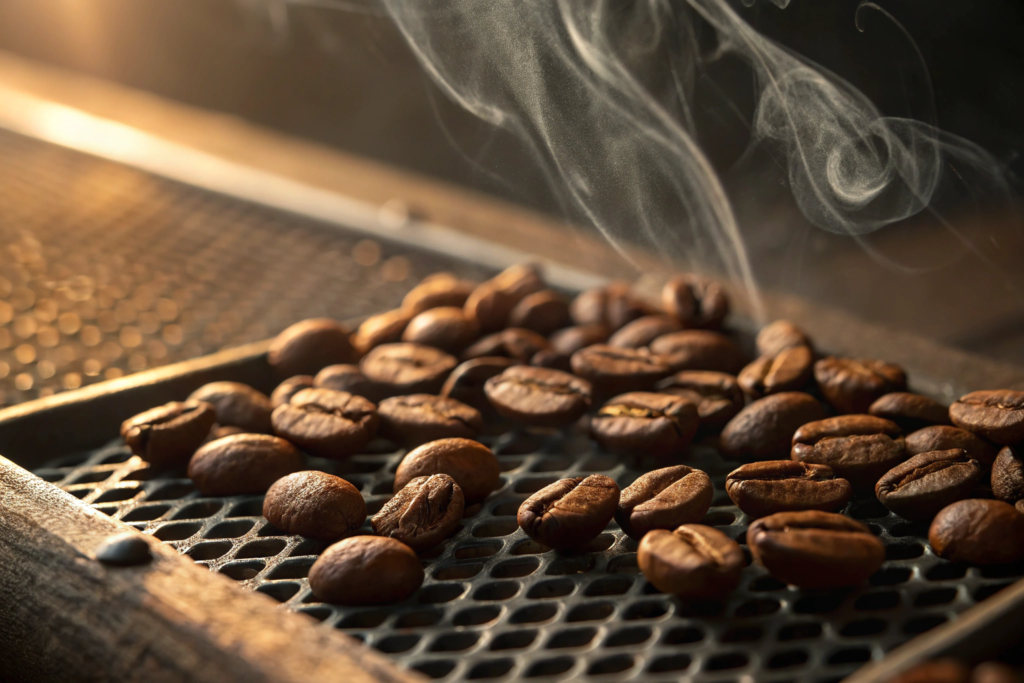
During roasting, CO₂ forms inside the bean. A single bean can contain several liters of CO₂ trapped in its cellular structure. If you brew coffee immediately after roasting, this gas creates foam and prevents proper extraction. The coffee tastes uneven, sometimes sour. Degassing allows CO₂ to escape. This takes time. Most coffees reach optimal degassing at 3 to 5 days post-roast. Some dark roasts degas faster. Some dense beans degas slower. Here is the UC Davis Coffee Center's research on degassing kinetics. They measured CO₂ release rates and confirmed that 72 hours is the minimum for most specialty roasts.
What Is the "Resting Period" and How Long Should It Be?
The resting period is the time between roasting and brewing when the coffee is at its peak flavor. For espresso, this is typically 5 to 14 days. For filter coffee, 3 to 7 days. During this period, degassing continues, but oxidation also begins. The art is catching the peak before oxidation takes over. Airtight storage with a one-way valve allows degassing during the resting period while minimizing oxidation. Once the resting period is over, transfer to an absolutely airtight container without a valve. Here is the SCA's guide to resting and degassing. It includes recommended timelines by roast level.
How Does Oxygen Destroy Roasted Coffee?
Oxygen is not the only enemy, but it is the main one. It drives the chemical reactions that turn fresh coffee into stale coffee.
Oxygen causes three types of damage: lipid oxidation (fats turn rancid, creating cardboard flavors), volatile loss (aroma compounds evaporate or degrade), and moisture absorption (coffee is hygroscopic and will absorb humidity, accelerating staling). In open air, coffee begins to stale noticeably within 24 hours. Within two weeks, it is often undrinkable as specialty coffee. An airtight container prevents all three.
What Are the Chemical Markers of Staling?
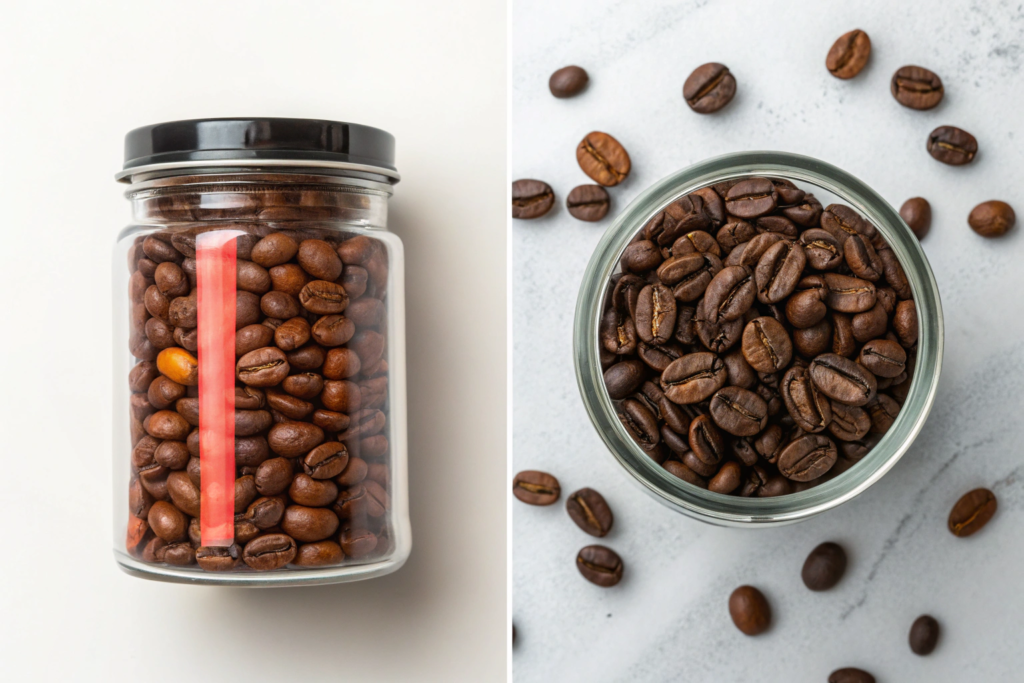
The main marker is hexanal. Hexanal is a byproduct of lipid oxidation. When you smell "stale" or "cardboard" in old coffee, you are smelling hexanal. Fresh coffee has low hexanal. Stale coffee has high hexanal. Airtight storage keeps hexanal levels low. Researchers have measured hexanal increase in open coffee: after 7 days, hexanal can increase by 300% compared to day one. Here is the Journal of Agricultural and Food Chemistry study on lipid oxidation markers. Also, this Sensory analysis of staling confirms that consumers detect staling before chemical tests register it.
Does Vacuum Sealing Completely Stop Staling?
Almost, but not quite. Vacuum sealing removes oxygen. Without oxygen, lipid oxidation stops. But volatile compounds can still migrate into the packaging material over time. Some aroma compounds are absorbed by plastic liners. For long-term storage—months, not weeks—vacuum sealing in foil-lined bags with minimal headspace is best. For weekly use, a simple airtight jar with a good seal is sufficient. Here is the Packaging Technology and Science study on aroma loss in barrier films. It compares different materials and their absorption rates.
What Type of Airtight Container Works Best?
Not all airtight containers are equal. Some are truly airtight. Some claim to be but leak. Some have valves. Some do not. Choosing the right one depends on how you use the coffee.
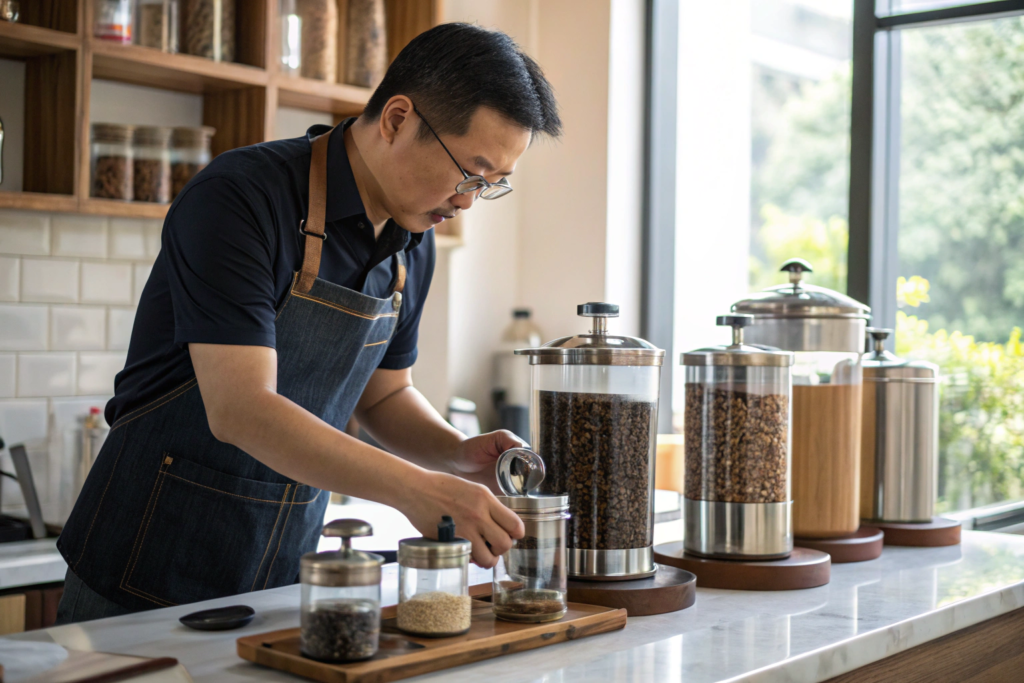
The best container for roasted coffee depends on the timeline. For daily use (1 to 2 weeks), a glass or ceramic jar with a silicone gasket and clamp lid works well. For weekly use (2 to 4 weeks), a container with a one-way valve allows continued degassing while blocking oxygen. For long-term storage (months), vacuum-sealed foil bags or stainless steel canisters with oxygen absorbers are best. Avoid plastic containers that are not food-grade—they can absorb and transfer flavors.
Do One-Way Valves Really Work?
Yes. One-way valves are standard in high-quality coffee packaging. They allow CO₂ to escape but prevent oxygen from entering. The valve is a small plastic disc with a silicone membrane that opens under pressure from inside but seals when outside pressure is higher. We use bags with one-way valves for all our roasted samples sent to buyers. The samples stay fresh for weeks. Here is the manufacturer's technical explanation of one-way valve function. Also, this testing protocol from the Specialty Coffee Association shows how to verify valve performance.
Are Mason Jars Good Enough?
For short-term use, yes. A standard Mason jar with a new lid is reasonably airtight. But the metal lid can corrode over time, and the seal is not as reliable as a purpose-built coffee container. We recommend Mason jars for home use but not for commercial inventory. For cafés and roasteries, invest in containers with medical-grade silicone gaskets and heavy-duty clamps. Here is a comparison test of home coffee storage containers. Mason jars ranked well for short-term but lost to dedicated containers after 3 weeks.
How Does Temperature Affect Stored Roasted Coffee?
Airtight is not enough if the temperature fluctuates. Heat accelerates every chemical reaction, including staling.
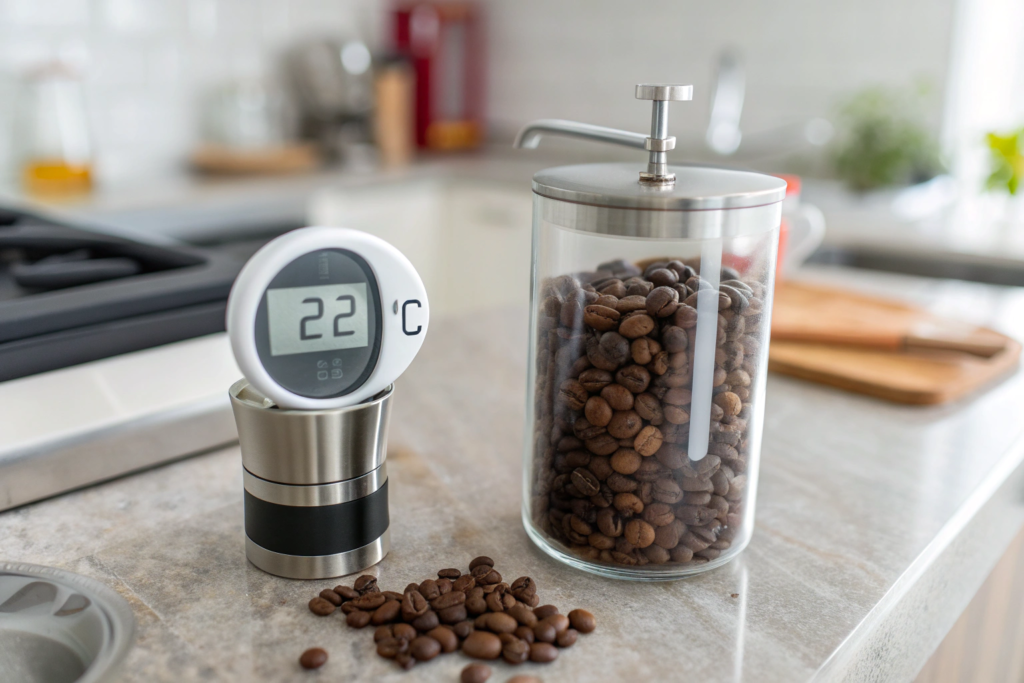
For every 10°C increase in storage temperature, the rate of staling roughly doubles. Ideal storage temperature for roasted coffee is 15°C to 22°C (59°F to 72°F). Avoid storing coffee near ovens, dishwashers, or in direct sunlight. Do not refrigerate or freeze coffee unless it is vacuum-sealed and you understand the condensation risks. Condensation introduces moisture, which ruins coffee faster than oxygen.
Should You Refrigerate or Freeze Roasted Coffee?
This is controversial. Freezing can preserve coffee for months—but only if done correctly. The beans must be in an absolutely airtight, moisture-proof container. When you remove them, you must let the container come to room temperature before opening. Otherwise, condensation forms on the cold beans, adding moisture. We have frozen samples for up to 6 months with minimal quality loss. But for daily use, freezing is unnecessary and risky. Here is the UC Davis study on freezing green and roasted coffee. They found that properly frozen roasted coffee retained quality for 3 months.
What About Refrigeration?
Do not refrigerate coffee unless you have no other option. Refrigerators are humid. Every time you open the door, warm moist air enters and condenses on cold surfaces. Your coffee absorbs that moisture. Within days, it can become moldy. If you must refrigerate, use an absolutely airtight container and remove only what you need without warming the whole batch. Here is the National Coffee Association's position on coffee storage. They strongly advise against refrigeration.
How Do You Store Coffee for Long-Term Inventory?
Roasteries and cafés often need to store coffee for weeks or months. This requires a different approach than home storage.
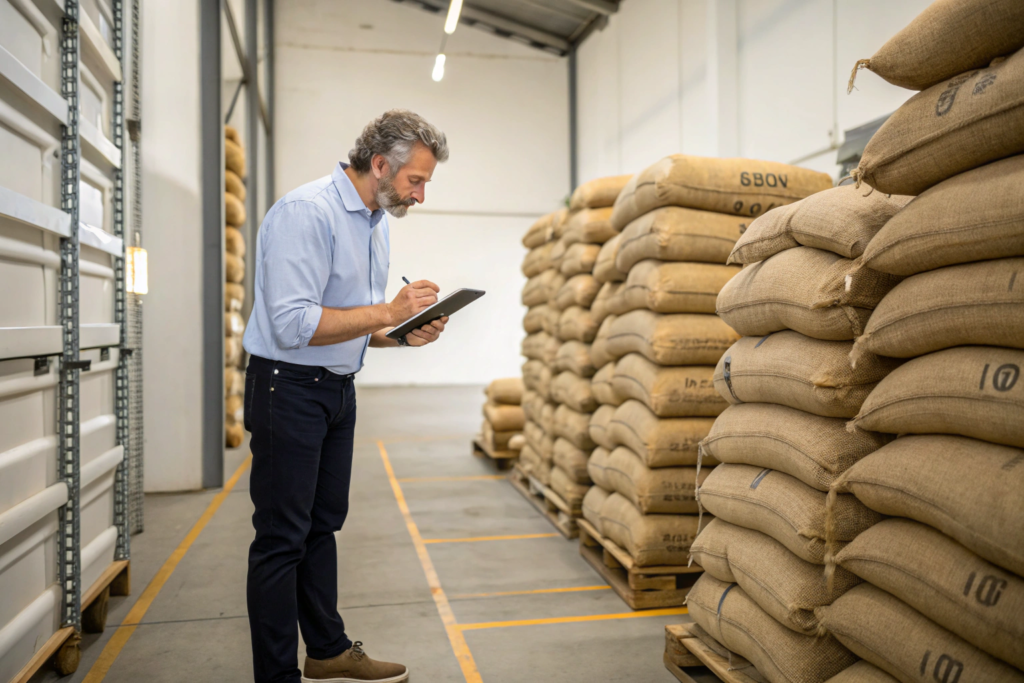
For commercial long-term storage, use foil-lined bags with one-way valves for the first week, then transfer to vacuum-sealed bags or nitrogen-flushed containers. Store in a cool, dark room with stable temperature and low humidity. Rotate inventory strictly: first in, first out. Do not mix old and new batches in the same container. And test regularly—cup samples from storage to confirm quality is holding.
What Is Nitrogen Flushing and Is It Worth It?
Nitrogen flushing replaces oxygen in the container with inert nitrogen gas. Without oxygen, staling stops. This is how many commercial roasters package whole beans for retail. It extends shelf life significantly—up to 6 months or more. The equipment is expensive, but for large volumes, it pays for itself in reduced waste. We use nitrogen flushing for our retail packaged coffee exports. Our partners at Shanghai Fumao offer nitrogen-flushed packaging for clients who require extended shelf life. Here is the Packaging Digest article on nitrogen flushing for coffee. Also, this cost-benefit analysis from Roast Magazine shows that roasters selling over 10,000 pounds annually benefit from nitrogen systems.
How Do You Monitor Stored Coffee Quality?
You cup it. Regularly. Every month, pull a sample from storage and compare it to a frozen reference sample. If you detect staleness, adjust your storage or your rotation. We also use oxygen indicators—small tablets that change color if oxygen enters a sealed container. They cost pennies and provide instant verification. Here is the SCA's quality control protocol for stored coffee. It includes recommended testing intervals.
Conclusion
Is an airtight container necessary for coffee beans after roasting? Yes—absolutely. But with one condition: timing. Freshly roasted coffee needs to breathe for the first few days. After that, it needs to be sealed tight. The science is clear. Oxygen destroys coffee. Heat accelerates destruction. Moisture introduces mold. An airtight container in a cool, dark place is the only way to preserve the flavor you paid for. Whether you are a home user keeping a week's supply or a roaster storing seasonal inventory, the principles are the same.
At BeanofCoffee, we do not roast. But we work with roasters every day. We see the difference that proper storage makes. The same green coffee can produce brilliant results or disappointing ones, depending entirely on how the roasted beans are handled. The roasters who follow best practices succeed. The ones who ignore them struggle.
If you want a simple, practical guide to setting up your roasted coffee storage system—including recommended containers, suppliers, and testing protocols—email Cathy Cai. She will send you our one-page storage checklist. No theory. Just steps you can take today. Her address is: cathy@beanofcoffee.com.