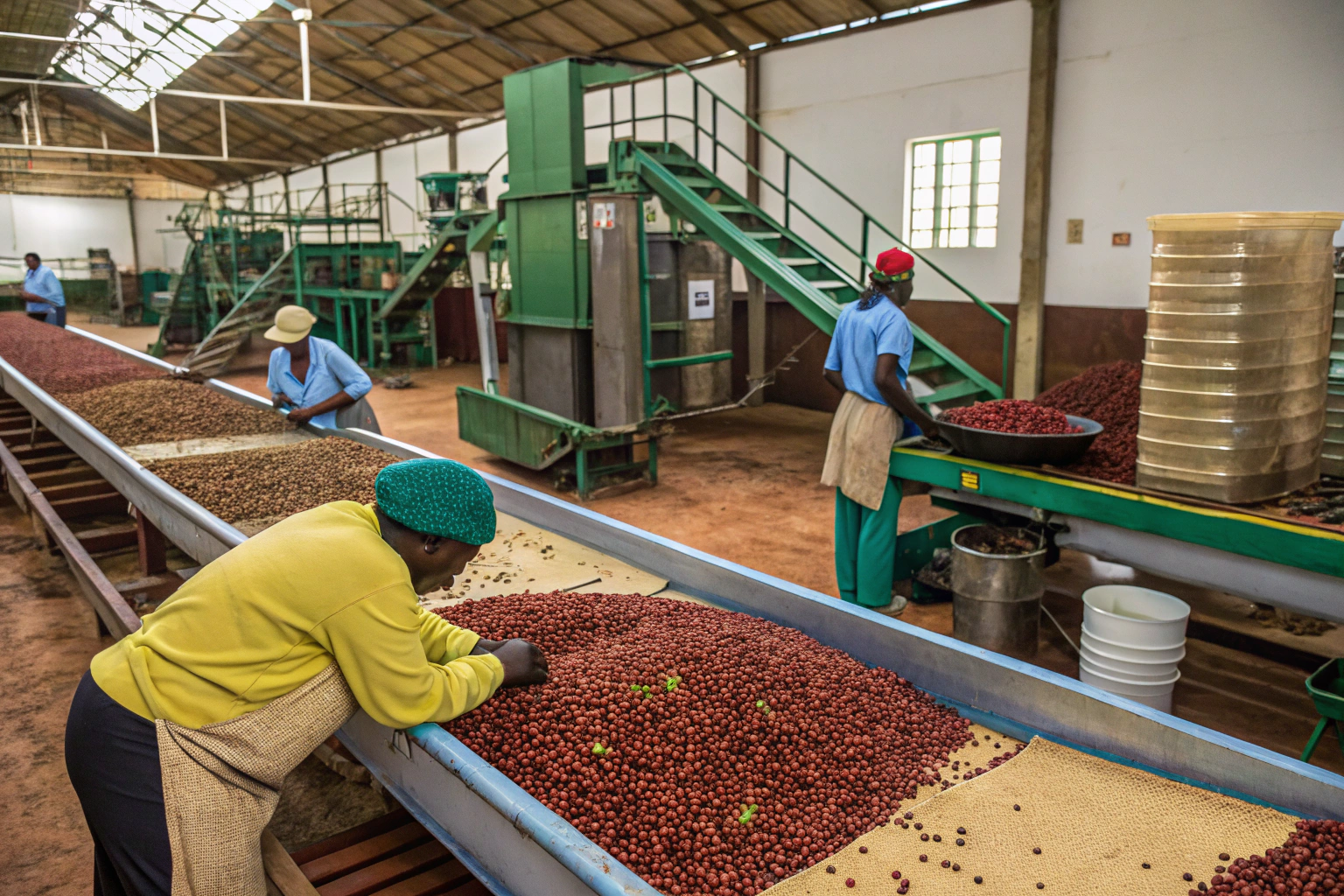
You dial in your espresso blend. It's perfect. Chocolate, balanced, smooth. The next week, you pull a shot from the same recipe, the same bag, and... it's off. A little sour. A little hollow. Your barista didn't change anything. Your roaster settings are the same. So what happened? You check the green coffee invoice. Same origin. Same supplier. Same grade. And yet, the cup is different. This is the hidden cost of inconsistency. It erodes customer trust, wastes your time, and eats your margins. You're asking: What invisible forces are sabotaging my quality, and how do I stop them?
The consistency of coffee bean quality is affected by a chain of variables that begins on the tree and ends in your roastery. The primary drivers are: genetic uniformity of the planted varietal, the evenness of cherry ripening at harvest, the control of fermentation and drying at the wet mill, the precision of mechanical sorting at the dry mill, and the stability of storage conditions. A breakdown in control at any single link in this chain—from a single rain shower during drying to a poorly calibrated gravity table—will manifest as cup-to-cup inconsistency in the roastery.
I've spent years chasing consistency on 10,000 acres in Baoshan. At Shanghai Fumao, my entire business depends on delivering the same cup profile, container after container, season after season. Consistency is not an accident. It's the result of controlling specific, measurable variables. Let me walk you through the five critical control points that determine whether your coffee is a reliable tool or a frustrating gamble.
How Do Farming Practices and Cherry Picking Affect Cup Uniformity?
Consistency starts on the tree. Not in the mill. Not in the roaster. If the cherry isn't uniformly ripe when it's picked, no amount of fancy processing can fix the underlying variation. You're building your house on a cracked foundation.
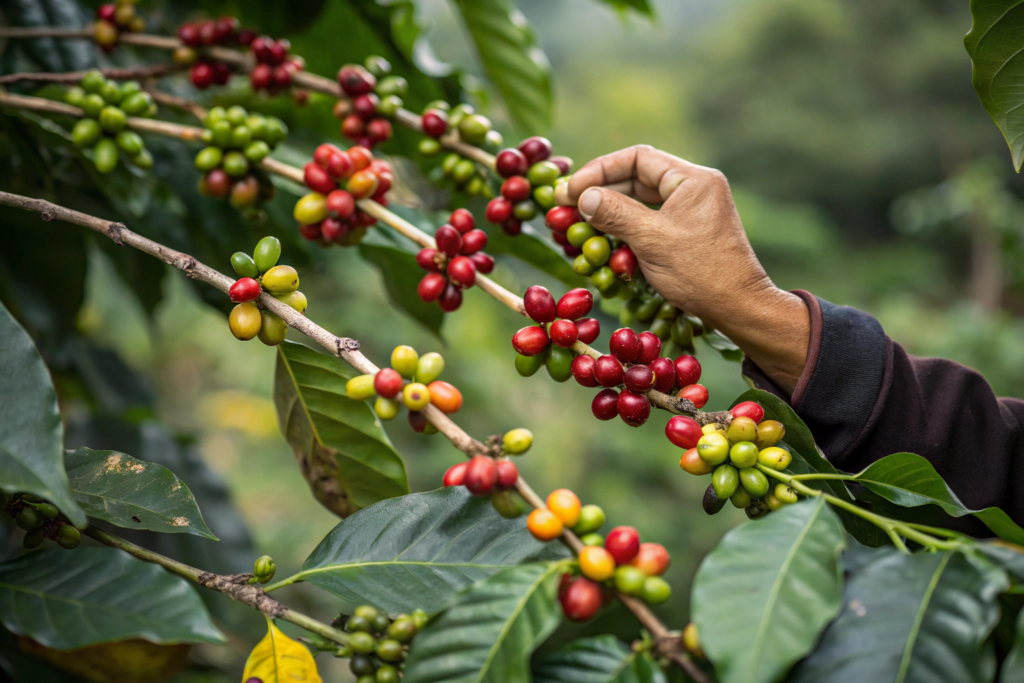
Farming practices directly affect cup uniformity through their impact on cherry ripening. Uniform pruning, consistent fertilization, and effective shade management create trees that flower and fruit simultaneously. The most critical practice, however, is selective hand-picking. Strip-picking—removing all cherries from a branch regardless of ripeness—introduces green, under-ripe cherries that contribute astringency and papery flavors, and over-ripe, raisiny cherries that contribute ferment and alcohol notes. This variability in the raw material is the primary source of cup inconsistency.
Why Does Selective Hand-Picking Cost More but Save Money in the Long Run?
Selective picking is slow. A skilled picker harvests maybe 80-100 kilograms of cherry per day. A strip-picker can do double that. Labor is the biggest cost in coffee production. So why pay more for selective picking?
Because the cost of not doing it is higher. A container of coffee with a high percentage of unripe cherries will never be consistent. It will have a lower cupping score. It will roast unevenly. It might be rejected by the buyer. Or worse, it will be accepted, roasted, and served, damaging the roaster's brand. The premium paid for selective picking is an insurance policy against inconsistency. At Shanghai Fumao, we pay our picking teams a premium for quality—they are incentivized to leave green cherries on the tree for a second pass. This is a fundamental difference between a quality-focused operation and a volume-focused one. You can learn more about the economics of selective harvesting from agronomic studies published by World Coffee Research. The data shows a clear return on investment for quality-focused picking.
How Does Fertilizer Management Influence Bean Density and Flavor?
A coffee tree needs nutrients to build a dense, sugar-rich bean. If the tree is starved, the bean is light, hollow, and flavorless. If the tree is over-fed with synthetic nitrogen, the bean grows fast but lacks density and complexity.
Balanced nutrition is key. At our farm, we use a combination of composted coffee pulp and targeted organic amendments. This slow-release nutrition builds soil health and promotes steady, even growth. The result is a crop of cherries that mature at a similar rate and develop similar sugar levels. This uniformity in the field is the first step toward uniformity in the cup. Inconsistent fertilizer application—where some trees get more than others—creates variation in bean density and chemistry. That variation shows up in the roaster as some beans cracking early and some cracking late. You can't fix that with a roast profile. It's baked into the bean.
What Role Does the Wet Mill Process Play in Creating a Consistent Roast?
The cherry has been picked. Now the clock is ticking. The wet mill is where the seed is separated from the fruit and prepared for drying. This is the stage where inconsistency is either locked in or engineered out.
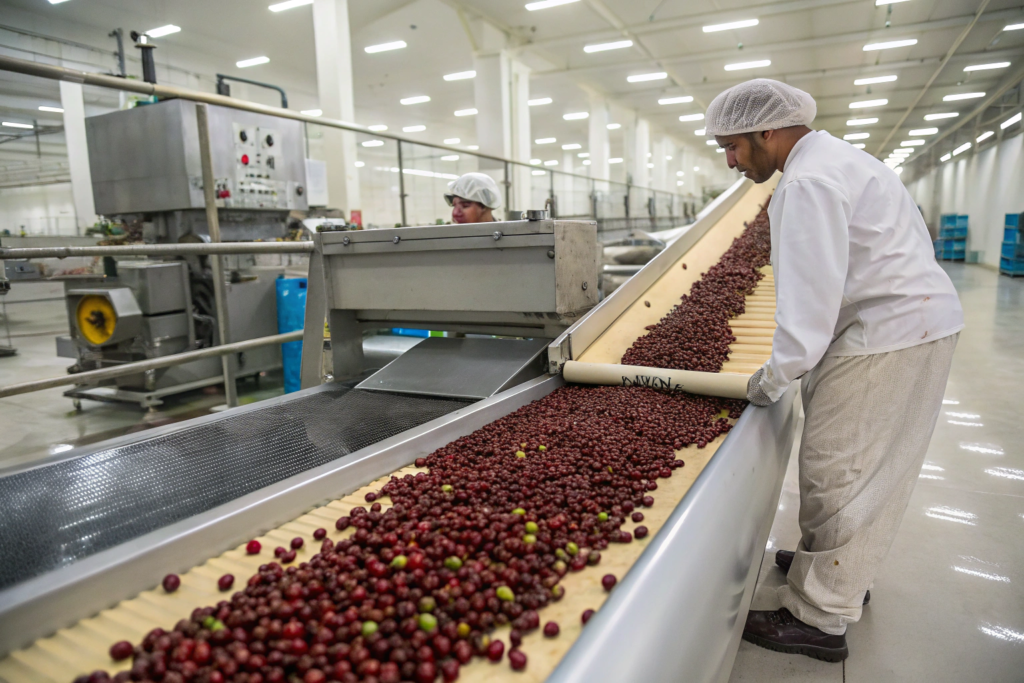
The wet mill process creates consistency by standardizing the fermentation and washing of the coffee parchment. Key variables include: the time between picking and pulping (ideally under 12 hours), the duration and temperature of fermentation, and the cleanliness of the water used for washing. Inconsistent fermentation—where some beans ferment for 24 hours and others for 36—creates a wide range of flavor outcomes within the same lot. Controlled, standardized fermentation, using calibrated equipment and protocols, is the hallmark of a quality-focused wet mill.
Why Is Fermentation Time Such a Critical Control Point?
Fermentation is a biological process. It's alive. The ambient temperature changes the speed. The microbial population in the tank changes the flavor. If you just leave it and hope for the best, you get variation.
At Shanghai Fumao, we don't guess. We measure. We monitor the pH of the fermenting mass. We control the water temperature. We stop the ferment at a specific target, not just "when it feels ready." This standardization means that every batch of parchment leaving the fermentation tank has undergone a nearly identical biochemical process. This uniformity is the bedrock of a consistent cup. A common source of inconsistency in less sophisticated mills is "over-fermentation" in the corners of a large tank or "under-fermentation" in the center. This creates a mix of clean and funky beans in the same lot. The solution is better tank design and stricter process control. You can read more about fermentation science in coffee on platforms like Perfect Daily Grind.
How Does Water Quality and Washing Affect the Final Cup?
Coffee is washed with water. If that water is dirty, the coffee absorbs off-flavors. If the washing is uneven, some beans retain sticky mucilage while others are scrubbed clean.
Clean, fresh water is non-negotiable. Inconsistent washing leads to inconsistent drying and inconsistent fermentation of the remaining sugars on the bean surface. We use a recirculating water system that is filtered and treated. We ensure every bean is washed to the same degree of cleanliness. It's a simple step, but it's one that separates professional mills from artisanal ones where water is scarce and quality control is lax. A detail I always check when visiting a potential supplier's mill is the clarity of the water in the washing channel. Cloudy water means inconsistency.
How Do Dry Milling and Optical Sorting Remove Defects That Cause Cup Variation?
The coffee is dry. It's stable. It's called "parchment" because it's still wearing a papery husk. The dry mill removes that husk and prepares the green bean for export. This is the last chance to remove the defective beans that cause cup variation.
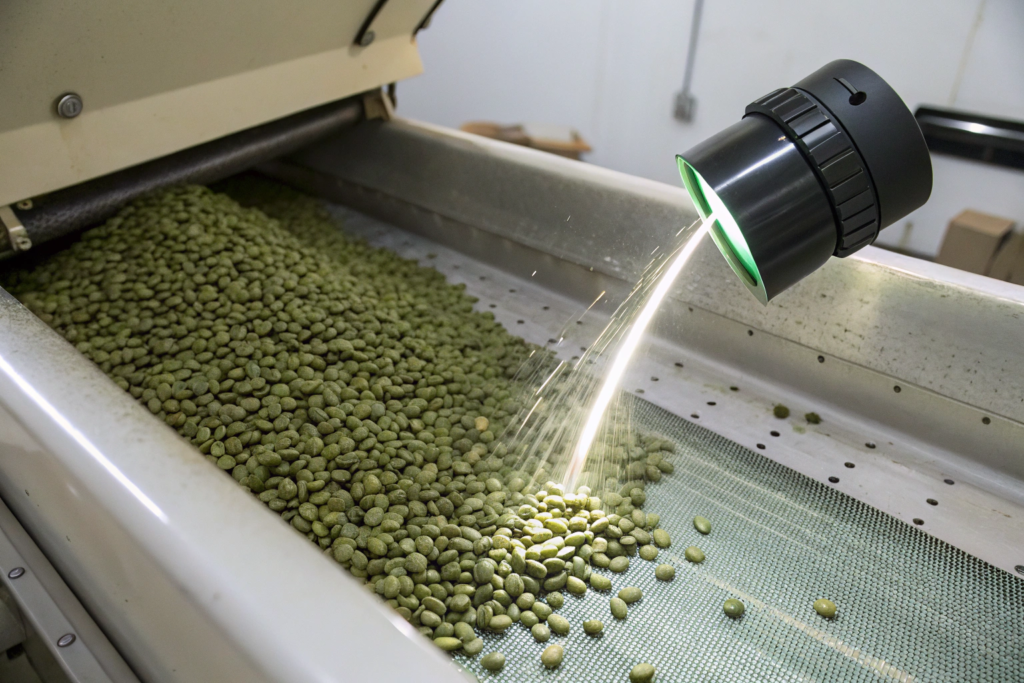
Dry milling and optical sorting are the final quality gates that ensure batch-to-batch consistency. A gravity table separates beans by density, removing light, hollow beans and heavy stones. An optical sorter uses high-speed cameras and air jets to eject beans based on color, removing Full Blacks, Full Sours, and other discolored defects. Without these technologies, a coffee lot is a statistical mix of good and bad beans. The precision of this sorting equipment—its calibration, feed rate, and maintenance—directly determines the defect count and, consequently, the consistency of the roasted coffee.
Why Can't a Simple Gravity Table Guarantee a Clean Cup?
A gravity table is great at one thing: sorting by weight. A heavy bean goes to one side. A light bean goes to the other. A stone goes to the bottom.
But what about a bean that is the exact right weight but is black and rotten inside? The gravity table is blind to color. It lets that rotten bean through. That single rotten bean will ruin a cupping. It will taste like ash and phenol. To guarantee consistency, you need a machine that can see what the gravity table can't. That's the optical sorter. It scans every single bean, compares its color to a programmed standard, and fires a jet of air to remove any bean that is too dark, too light, or too red. This is how we achieve the "zero primary defects" standard required for Specialty Grade. At Shanghai Fumao, we run our optical sorters at a conservative speed to maximize accuracy. We'd rather process slightly slower and catch every defect than push volume and let bad beans slip through.
How Does Proper Dry Mill Calibration Prevent the "Peaberry Problem"?
Peaberries are a natural mutation—a single, round bean inside the cherry instead of two flat-sided beans. They are not a defect in terms of flavor. But they are a consistency problem.
Because of their round shape and different density, peaberries roast differently than flat beans. If a lot contains a high and variable percentage of peaberries, the roast will be uneven. A properly calibrated dry mill uses a specific screen size to separate the peaberries from the flat beans. This allows the exporter to sell a uniform lot of either flat beans or peaberries, but not a mix. Consistency in bean size and shape is a key component of consistency in the roast. A detail I check during mill visits: Are the screens clean and undamaged? A torn screen lets incorrectly sized beans through and destroys the uniformity of the lot.
How Should Roasters Store Green Coffee to Preserve Consistency Over Time?
You've sourced a consistent, high-quality lot. It arrives at your roastery. Now the responsibility for consistency shifts to you. Green coffee is not inert. It's a living, breathing product that changes over time.
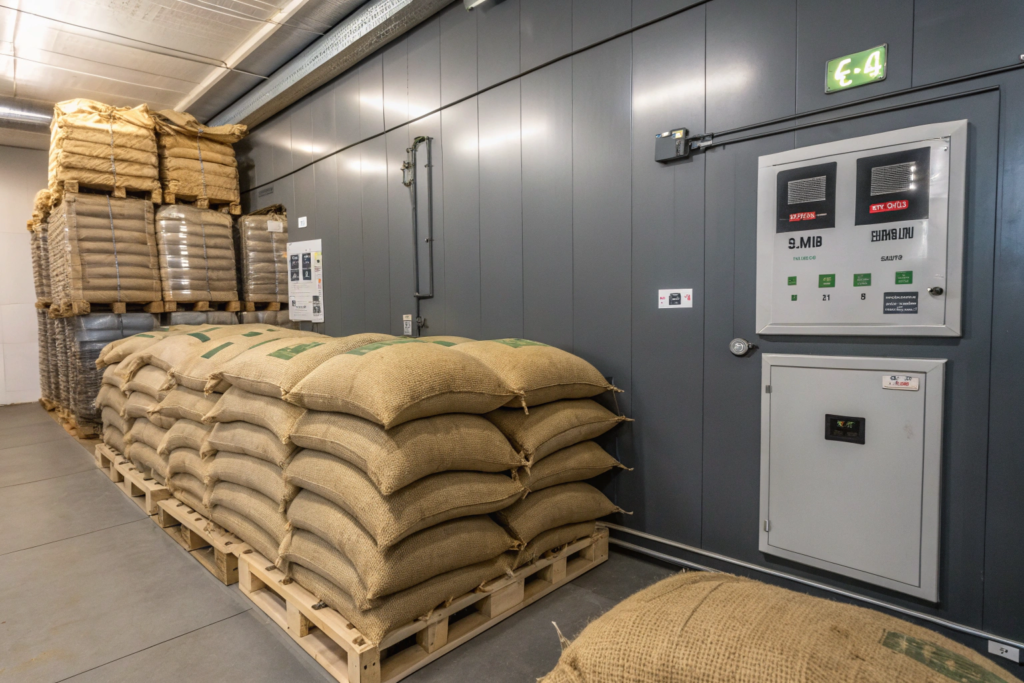
Roasters preserve green coffee consistency by controlling the storage environment. The key variables are temperature (ideally below 70°F / 21°C), relative humidity (ideally 50-60%), and protection from light and strong odors. Fluctuations in temperature and humidity cause the bean to expand and contract, accelerating the loss of volatile aromatics and increasing the risk of mold. A stable, cool, dark environment slows the aging process and maintains the coffee's original cup profile for a longer period.
What Happens to Green Coffee Stored in a Hot Roastery?
It fades. Fast. The ambient heat from the roaster, the afterburner, and the cooling tray accelerates every chemical reaction inside the green bean.
The volatile compounds that give coffee its acidity and floral notes are the first to go. Within weeks, a bright, lively coffee stored in a hot corner of the roastery can taste flat and woody. The coffee is still usable, but its profile has shifted. It's no longer consistent with the coffee you cupped and approved. The solution is simple: Store green coffee in a separate, climate-controlled room, away from the roaster. If that's not possible, rotate inventory quickly and order smaller, more frequent shipments. Don't buy six months of coffee and let it sit next to the Probat. You're paying for quality that is evaporating into the warm air.
Why Is the Pallet and Floor Position Important for Consistency?
Concrete floors wick moisture. The bottom bag on a pallet sitting directly on concrete will absorb ground moisture and can develop mold or off-flavors, even if the rest of the pallet is fine.
Always store coffee on pallets, with an air gap underneath. Keep bags away from exterior walls, which can experience temperature swings. The goal is to create a stable microclimate around the coffee. I've seen roasters cup two bags from the same lot—one from the top of the pallet, one from the bottom—and find a noticeable difference in moisture and cup quality. That's inconsistency created entirely in storage. At Shanghai Fumao, we advise all our roaster partners on best practices for receiving and storing our coffee. We want the coffee they cup in their lab to match the coffee we shipped. Storage is the final link in the consistency chain.
Conclusion
Consistency in coffee is not a single variable. It's a system. It's the cumulative effect of a thousand small decisions, from the way a picker's fingers select a cherry to the way a roaster stacks a pallet on the warehouse floor. The variables are many, but they are all controllable.
Genetic selection. Harvest timing. Fermentation control. Optical sorting. Climate-controlled storage. Master these five control points, and you master consistency. Ignore one, and you introduce a variable that will eventually show up in the cup and disappoint your customer.
If you're looking for a partner who obsesses over these variables as much as you do—a partner who can show you the data and the process behind every container—let's have a conversation. Consistency is our promise. My email is cathy@beanofcoffee.com.