You’ve been sourcing roasted beans or relying on multiple intermediaries. Your costs are climbing, traceability is foggy, and you feel a step removed from the true source of your product. There's another path—going straight to the origin. Buying raw, or green, coffee beans directly from a farm or exporter isn't just a procurement change; it's a strategic shift that puts control, quality, and ultimately, your brand’s destiny back in your hands.
The primary advantages of buying raw coffee beans directly are increased profit margins through elimination of intermediary markups, complete control over the roasting profile to create a unique product, guaranteed freshness and quality from the source, enhanced traceability and storytelling for your brand, and greater supply chain stability. For roasters, importers, and serious coffee businesses, this model transforms coffee from a purchased commodity into a crafted ingredient, offering a competitive edge in a crowded market.
So, what does this shift actually look like on the ground? It's about moving from a transactional relationship to a partnership. It means looking at a bag of green beans not just as a product, but as the raw potential for your signature roast. Let’s break down exactly how this approach benefits your business, beyond just the price tag.
How Does Direct Buying Increase Profit Margins and Control?
Let’s talk numbers first. Every hand that touches the coffee before it reaches you adds a cost layer—for their service, their risk, their profit. A local distributor might add 15-25%. An importer/roaster selling you green beans might have already added their own markup. When you buy directly from an exporter like us at Shanghai Fumao, you’re dealing with the primary source. You cut out those middle layers. The savings can be substantial, often 20-30% on the bean cost itself.
But here’s the thing—it’s not just about saving money. It’s about what you do with that money. You can reinvest it into better quality beans, more precise roasting equipment, or sharper branding. You gain leverage. The control is more profound. You specify the exact grade, screen size, moisture content, and processing method. You’re not accepting a roaster’s or importer’s standard offering; you’re defining your own standard.
What is the Real Cost Structure Difference?
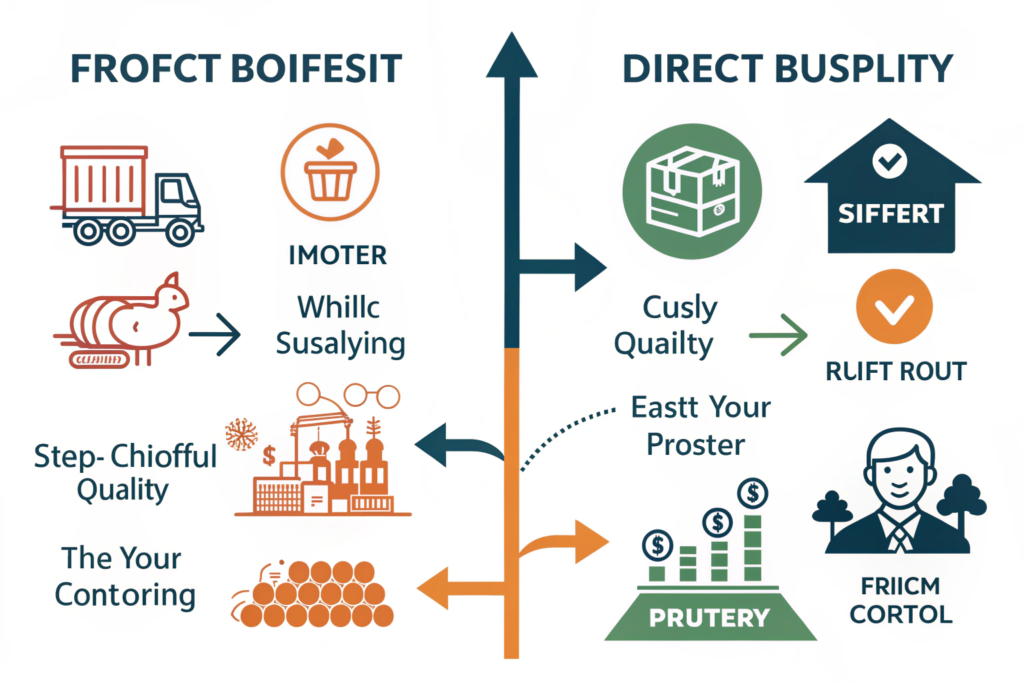
Imagine a bag of premium Yunnan Arabica. Through a traditional chain: Farm Price -> Local Collector -> Domestic Exporter -> International Importer -> Local Wholesaler -> You. Each step adds 5-15%. The final price you pay includes all these accumulated margins and their logistics costs. In a direct model: Our Farm/Export Price -> Your Cost. That’s it. You pay for the coffee and the freight. The financial benefit is clear. Furthermore, you gain price stability. You can negotiate long-term contracts based on future harvests, protecting yourself from short-term market volatility that intermediaries often pass on with a premium.
How Does It Enhance Roasting and Product Development?
This is where creativity meets commerce. When you buy pre-roasted beans, you’re buying someone else’s craft. Their roast profile, their flavor interpretation. When you buy green beans directly, you become the craftsman. You can experiment endlessly. Want a lighter roast to highlight the floral notes of our Catimor? Do it. Need a darker roast for a specific espresso blend? You’re in control. This allows for true product differentiation. You can develop a signature roast profile that no one else can replicate because they don’t have the same raw material relationship. It makes your brand unique and defensible.
How Does It Improve Quality and Freshness Assurance?
Freshness in coffee starts the moment the bean is dried and rested, not when it’s roasted. Green coffee has a shelf life—usually 12-18 months in ideal conditions—but its peak vibrancy is within the first year. Long, convoluted supply chains increase the time from harvest to your roastery. Beans sit in warehouses, on ships, in more warehouses. They can be exposed to temperature fluctuations and humidity, degrading quality.
Buying directly shortens this timeline dramatically. We can ship your container within weeks of the harvest being processed and graded. You get the new crop faster than your competitors. More importantly, you know exactly when it was harvested and processed. You’re not guessing based on a vague "shipping date."
Can You Truly Verify Quality at the Source?
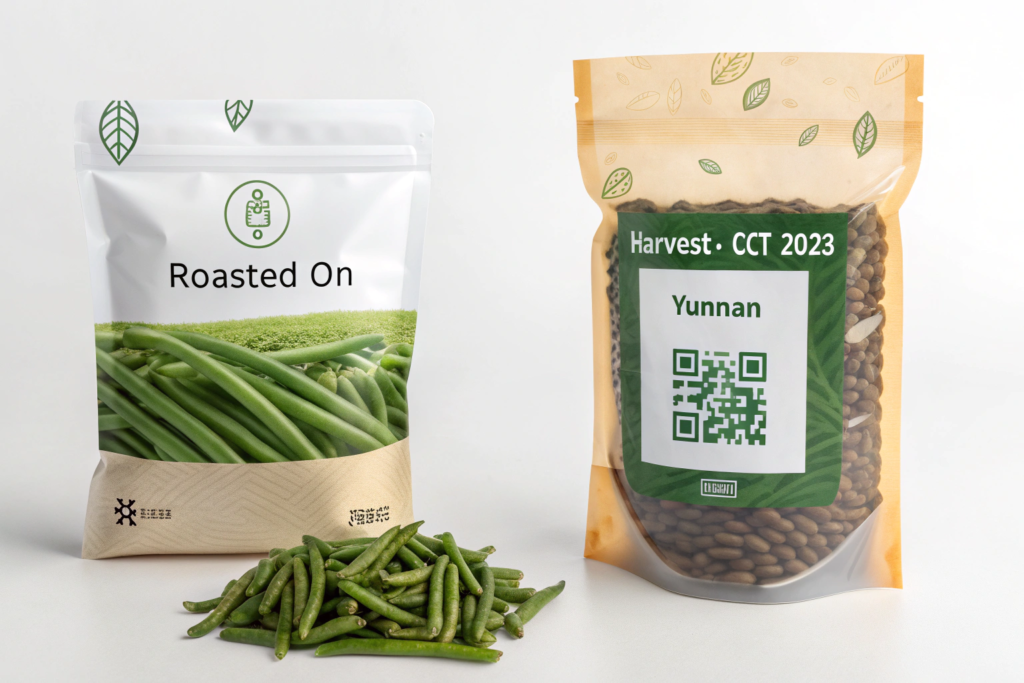
Absolutely, and this is a game-changer. When you work with a direct supplier, you can implement specific quality control protocols at origin. You can request pre-shipment samples for approval. You can mandate a third-party inspection (e.g., from SGS or Control Union) at the warehouse before the container is sealed. You get the actual moisture content and density reports. You can even specify the exact defect count you’ll accept. This level of verification is often diluted or unavailable through intermediaries, who blend lots to meet a general standard. Direct buying means the quality in the report is the quality in your bag.
What About Traceability and Storytelling?
Today’s consumers want a story. They want to know where their coffee comes from, who grew it, and how. A direct relationship provides this narrative with authenticity. Instead of saying "Product of China," you can say "Single-origin Arabica from the family-owned plots in Baoshan, Yunnan, sourced directly through our partnership with Shanghai Fumao." You can share photos of the farm, the harvest, the processing. This builds immense brand trust and allows you to command a premium. Traceability also means if there’s ever a quality issue, you can trace it back to the exact lot and day of processing, enabling a swift and precise solution.
What Are the Logistics and Relationship Considerations?
The advantages are clear, but direct import has its own complexities. It’s not for the faint of heart. You become responsible for international logistics, customs clearance, tariffs, and payments. You take on more risk. But with the right partner-exporter, these challenges become manageable systems, not barriers. The key is finding a supplier who doesn’t just sell beans, but facilitates the entire export process.
Think of it as a business marriage. You’re not just buying a product; you’re investing in a relationship. A good exporter acts as your guide and your agent in their country. At Shanghai Fumao, we see our role as exactly that—to make the complex simple for our buyers.
How to Handle Import Logistics and Customs?
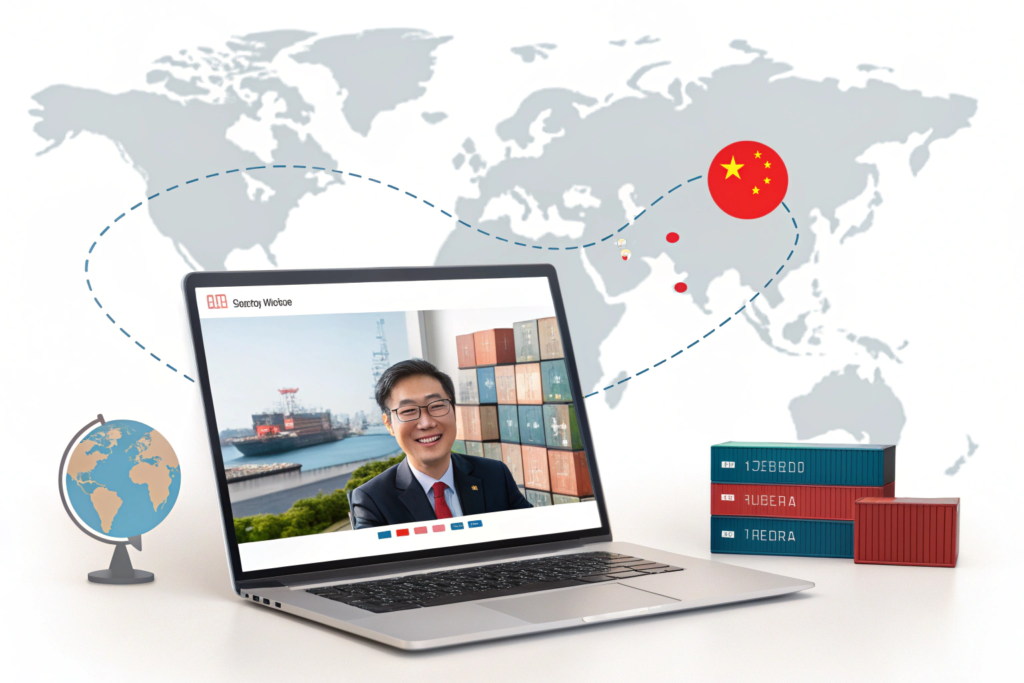
This is the most daunting part for new direct importers. A reliable exporter will handle the FOB (Free On Board) process: getting the goods from their warehouse to the ship, completing all export documentation (Commercial Invoice, Packing List, Certificate of Origin, Phytosanitary Certificate). Your job is to handle the sea freight, insurance, and US customs clearance. Here’s the good news: you can hire a freight forwarder and customs broker in the USA to do this for you. They are experts. The exporter should provide all documents electronically in advance. For US imports, green coffee has a 0% duty rate (HTS 0901.21.0000), which is a huge advantage. Your main costs will be ocean freight, insurance, and US port/handling fees. A full container load (FCL) is more cost-effective than less than container load (LCL).
What Does a Strong Direct Supplier Partnership Look Like?
Look for a partner, not just a vendor. Key traits:
- Transparency: Willing to share farm information, processing details, and financial terms openly.
- Communication: Proactive, clear, and responsive communication in English.
- Facilitation: Helps with samples, inspections, documentation, and logistics coordination.
- Consistency: Has the scale (like our 10,000+ acres) to provide the same quality year after year.
- Flexibility: Works with you on payment terms (common ones are 30% deposit, 70% against copy of Bill of Lading) and order sizes.
The relationship should feel like a collaboration aimed at your success. They should ask about your roasting setup and target market to better advise you on bean selection. This level of partnership is what turns the operational challenges into strategic advantages.
Is Direct Sourcing Right for Your Business?
Direct buying isn’t a one-size-fits-all solution. It requires capital, volume, and operational bandwidth. The question isn't just "Is it better?" but "Is it better for me, right now?" Evaluating this honestly saves you from overextending or missing a major opportunity.
A good rule of thumb: if you are roasting more than 50-100kg of coffee per week and have aspirations to build a distinct brand, you should be seriously exploring direct sourcing. The scale and commitment make sense. If you’re a small café buying 10kg a week, a local wholesaler provides vital flexibility.

What are the Minimum Volume and Cost Commitments?
Typically, direct sourcing becomes economically viable with a container load. A 20-foot container holds about 275-300 bags (roughly 17-18 metric tons) of green coffee. This is a significant investment and requires storage space. However, some exporters (including us) offer consolidated container programs where multiple buyers share a container, allowing you to start with a pallet (e.g., 70 bags) while still benefiting from direct prices and logistics. The upfront costs are higher than buying a few bags locally: you need to pay a deposit, fund the full shipment, and pay freight costs upfront. Your cash flow cycle is longer.
How to Start the Transition to Direct Buying?
- Start with a Sample Order: Even before a full container, order 5-10kg samples from potential direct suppliers. Roast and cup them thoroughly.
- Run a Trial Container: Commit to one container. Use it as a learning project for logistics and payment. Document every step.
- Build a Buffer Stock: Don’t let your new direct supply be your only supply. Maintain a relationship with a local wholesaler as a backup during the transition.
- Leverage Your Exporter’s Knowledge: Ask them to walk you through the first order. A good partner will provide a step-by-step guide, document templates, and freight forwarder recommendations.
The goal is to de-risk the process. The first time is the hardest, but it establishes a system that will serve your business for years.
Conclusion
Buying raw coffee beans directly is a powerful strategic move for growing coffee businesses. It consolidates your supply chain, putting you in direct contact with the origin, which leads to higher profit margins, unparalleled quality control, authentic traceability, and the creative freedom to define your product. While it introduces complexities in logistics and requires greater commitment, these challenges are manageable with the right export partner and become a source of competitive advantage.
The shift from intermediary to direct source is a shift from being a customer to being a creator. It’s about owning more of your value chain and telling a more compelling story with your coffee.
If you are ready to explore the advantages of sourcing premium Yunnan Arabica, Catimor, or Robusta directly from the farm, we are here to guide you. At Shanghai Fumao, we provide not just beans, but a full partnership—from sample roasting to container loading. To discuss your volume needs and start with a sample shipment, contact our sales director, Cathy Cai, at cathy@beanofcoffee.com. Let’s build a more profitable and distinctive future for your coffee business, directly.