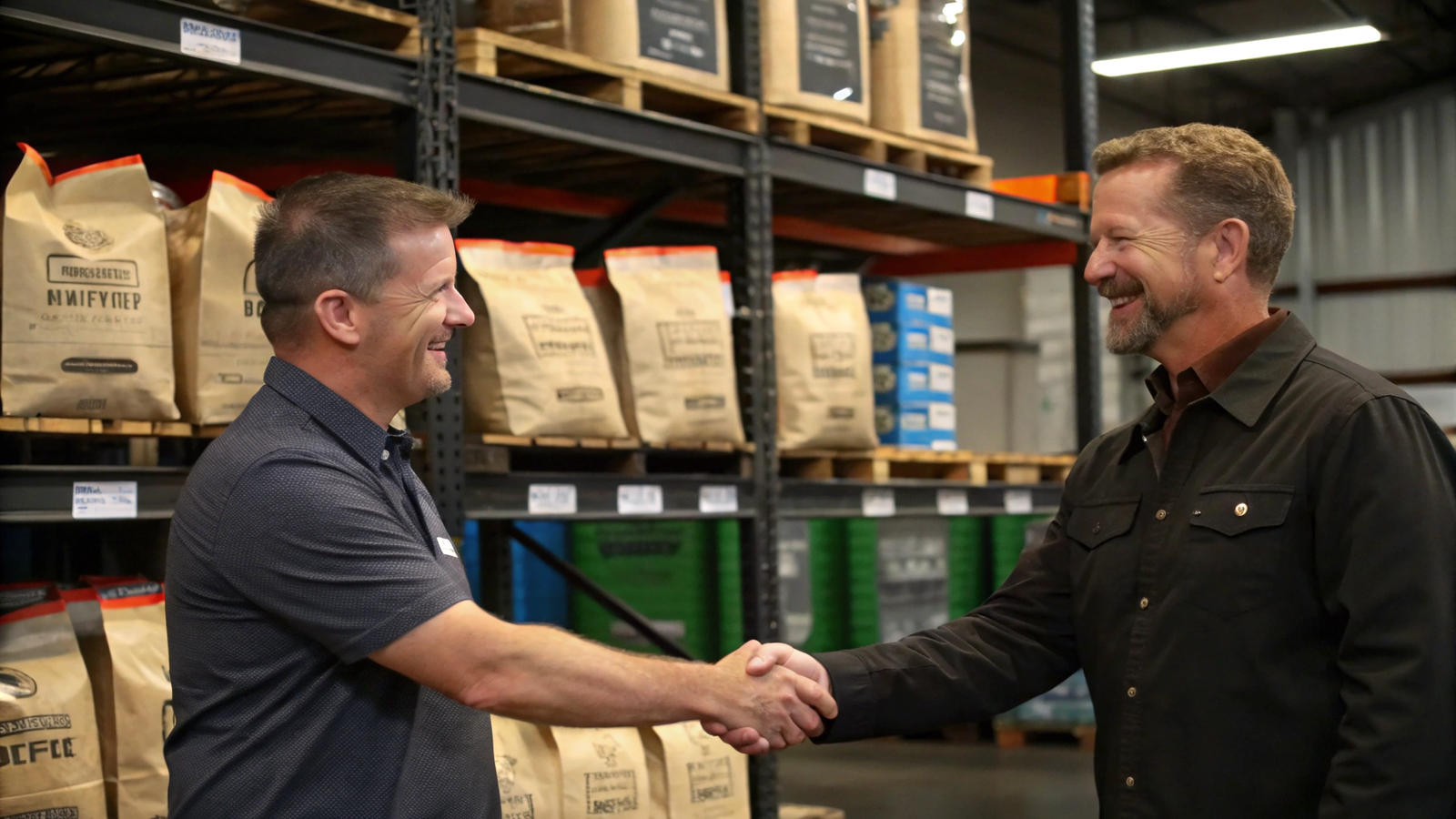
You have great coffee. You have a website. But sales are slow. You spend money on ads. People visit your site. Then they buy from someone else. Why? Because they want coffee now. Not in 5 days. I learned this lesson the hard way. When we first started exporting, we tried to sell direct to every cafe. It was a mess. Then we found local distributors. Everything changed.
Local distributors give you three big advantages: faster delivery, lower shipping costs per unit, and access to their existing customer base. A distributor in Chicago can get your coffee to a local cafe tomorrow. You cannot do that from China. They also handle local marketing, returns, and credit checks. You just focus on roasting or growing great coffee.
But wait. Isn't it better to cut out the middleman? Sometimes yes. But for most coffee brands, a good local distributor is not a cost. They are a growth partner. Let me walk you through the real advantages. And I will tell you how to find the right one.
How Do Local Distributors Save You Time and Money?
You spend 10 hours a week answering emails. "Where is my order?" "Why is shipping so high?" "Can you deliver tomorrow?" That is time you could use to find new customers or improve your roast. I have been there. I used to handle all US logistics myself. Then I hired local distributors. My stress dropped. My sales went up.
Local distributors save you money on last-mile delivery. Shipping one pallet from China to a US port costs about $1,500. But shipping that same pallet from the port to 50 different cafes? That could cost $3,000 or more. A local distributor combines your coffee with other products. They deliver everything in one truck. Your per-order shipping cost drops by 40-60%.
Another way to look at this is through the lens of your hourly rate. If you value your time at $50 per hour, and you spend 10 hours a week on logistics, that is $500 per week. Over a year? $26,000. A local distributor might charge you 15% of sales. But they save you that $26,000 plus shipping costs. Let me break down the numbers.
What logistics tasks can a distributor handle for you?
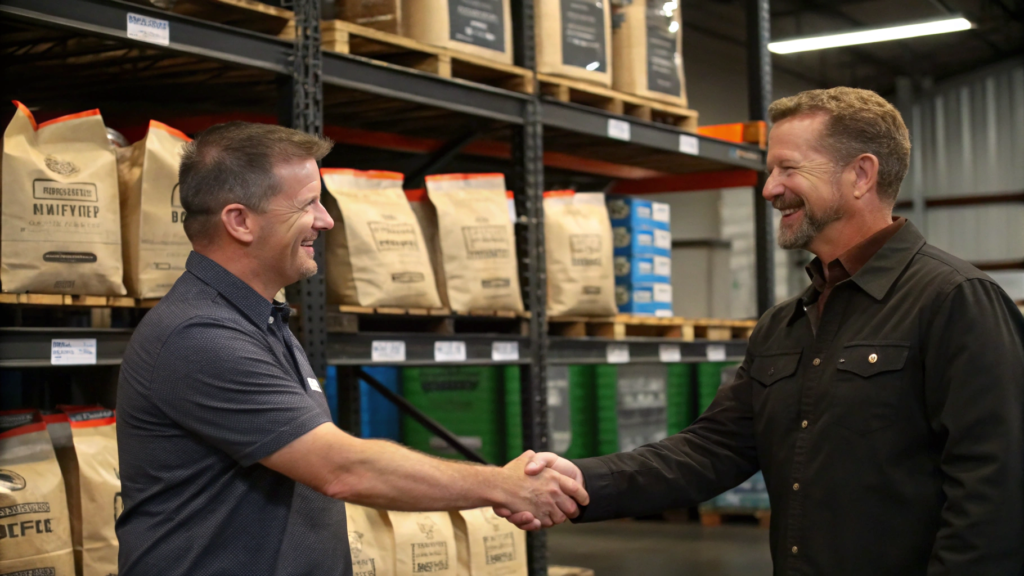
A good local distributor does more than just drive a truck. They handle these seven tasks. First, they receive your container at the port. Second, they store your coffee in their warehouse. Third, they pick and pack small orders. Fourth, they deliver to cafes and shops. Fifth, they handle returns and damaged goods. Sixth, they collect payments from local customers. Seventh, they manage local inventory so you never run out. I remember one buyer from Texas. He spent 20 hours a week on these tasks. After hiring a distributor in Dallas, he cut that to 2 hours. He told me, "I finally have time to roast and test new beans." You can find vetted distributors through trade associations like the NCA. Or ask your current logistics partner like Shanghai Fumao for local recommendations.
How does pooling inventory reduce your costs?
Here is a concept many small brands miss. Pooled inventory. A local distributor holds coffee from 20 different brands in one warehouse. They deliver to 200 cafes. Each cafe gets a mixed delivery once a week. Without pooling, you would send one truck to deliver 10 kg to one cafe. That truck costs $100. With pooling, you pay $5 for that same delivery because the truck is already going there. So, what does this mean for you? It means you can offer next-day delivery without paying overnight shipping rates. A real example. One of our roasted coffee clients in Colorado switched to a local distributor. His delivery cost per order went from $18 to $4. His customers loved the faster service. His reorder rate doubled.
What Market Access Do Local Distributors Provide?
You want to get your coffee into a big grocery chain. You call them. They say "send us a sample." You send it. Then you wait. And wait. Nothing happens. Why? Because grocery chains work with distributors. Not direct with small brands. I learned this when we tried to sell our beans in Canadian supermarkets. We failed. Then we found a local distributor. He got us into 30 stores in 60 days.
Local distributors have existing relationships with retailers, cafes, hotels, and offices. They already deliver to these customers every week. Adding your coffee to their truck is easy. They also understand local tastes, pricing, and promotion calendars. You cannot learn these things from China. A distributor in Seattle knows that customers there love light roasts. A distributor in Miami knows they prefer dark roasts with sugar.
So, what does this mean for your brand? It means you stop cold-calling and start selling. Let me give you specific examples of market access that only a local distributor can provide.
How do distributors help with local food service contracts?
Food service means restaurants, hotels, and corporate cafeterias. These buyers rarely buy direct from small brands. They have approved supplier lists. Getting on that list takes months. But a local distributor is already on the list. When you work with them, your coffee becomes available immediately. Here is a real story. A roaster from Oregon wanted to supply coffee to a hotel chain in Arizona. He tried for one year. No success. Then he partnered with a distributor in Phoenix who already supplied that hotel with milk and sugar. The distributor added his coffee to the next delivery. The roaster got a contract for 200 kg per month. The distributor charged 18% commission. But the roaster said, "That 18% is cheaper than the zero sales I had before." Also, look for distributors who attend local food trade shows. They can bring samples to buyers for you.
Can a distributor help you test new markets with low risk?
Yes. And this is huge. Testing a new city is expensive. You need to rent a warehouse. Hire a salesperson. Run ads. That could cost $50,000 before you make one sale. A local distributor lets you test for $5,000. How? You ship them 500 kg of coffee. They add it to their existing delivery routes. You see what sells. If the market likes it, you send more. If not, you stop. You lose only the cost of the coffee. No long-term leases. No fired staff. We use this method with Shanghai Fumao for our own export testing. We send small batches to distributors in new countries. They test the market for us. It saved us from a bad launch in South Korea last year. We sent 1,000 kg. Only 300 kg sold in three months. We lost $2,000 instead of $50,000. That is the value of a test.
How Do Local Distributors Handle Customer Support and Returns?
A customer calls you. "My coffee arrived with a broken bag." What do you do? You are in China. They are in Ohio. Shipping a replacement costs $40. The coffee cost $15. You lose money. Or you say no. Then the customer is angry. They leave a bad review. I have been there. It hurts. Local distributors solve this problem.
Local distributors handle returns and customer complaints on your behalf. They keep spare inventory in their warehouse. If a bag is damaged, they replace it from their stock within 24 hours. Then they file a claim with the shipping company. You never talk to the angry customer. You just get a monthly report of damaged goods. This builds trust with your buyers.
Another way to look at this is through the lens of brand reputation. One bad delivery experience can lose a customer forever. But a local distributor turns that bad experience into a good one. They say "sorry, here is a new bag, and a free sample." Let me show you how the math works.
What is the real cost of handling returns yourself?
Let me give you a real calculation. You ship 100 orders per month to the US. Each order value is $50. The shipping cost is $20 per order. Your return rate is 3% (three orders per month). For each return, you pay: $20 to ship the replacement, $15 for the coffee, and $10 for customer service time. Total per return: $45. Three returns per month = $135. Per year = $1,620. Plus the lost trust. Now, add in damaged goods from shipping. Another 2%. That is $1,080 per year. Total nearly $3,000. A local distributor might charge you $200 per month for handling returns and damages. That is $2,400 per year. You save $600 plus all the stress. And your customers are happier. One of our green coffee buyers in Florida switched to a distributor after a pallet of beans got wet at the port. The distributor replaced the damaged bags in two days. The buyer told me, "I would have lost that customer forever. The distributor saved me."
How do distributors handle local payment and credit terms?
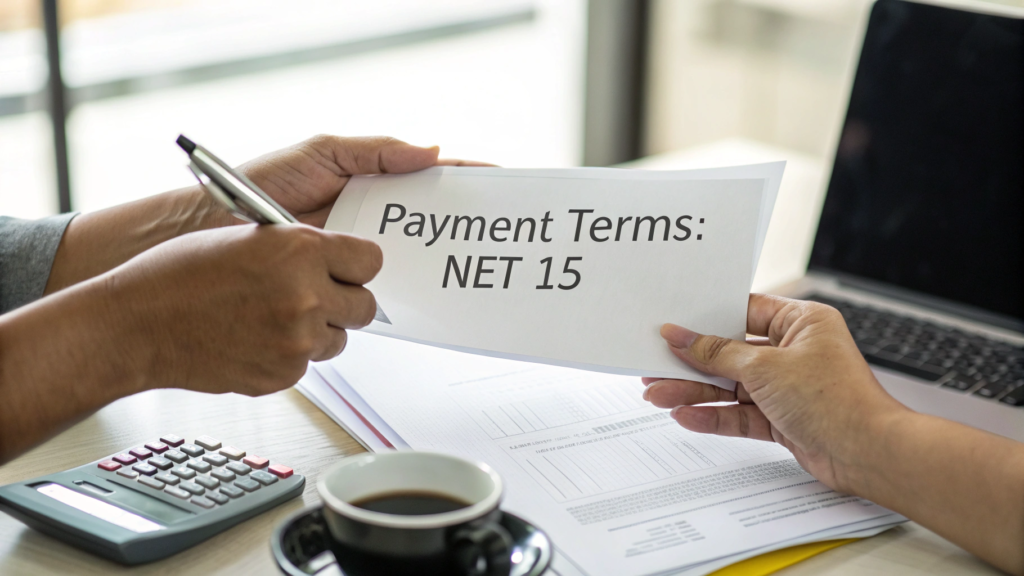
This is a hidden advantage. Selling direct to cafes means you need to check their credit. You need to collect payments. You need to handle late payers. That takes time. Local distributors already have payment systems. They know which cafes pay on time. They offer net-30 or net-60 terms to their customers. Then they pay you within 15 days of receiving your coffee. So, what does this mean for your cash flow? It means you get paid faster. No chasing invoices. No bad debts. For example, a distributor in Chicago collects from 200 cafes. They pay you for your coffee every two weeks, regardless of whether the cafes have paid them yet. That is a huge benefit. Ask any potential distributor: "What are your payment terms to me? And what is your collection history from your customers?" A good distributor will share this data. A bad one will hide it.
How to Find and Vet a Local Distributor?
You are convinced. You want a local distributor. But where do you find one? And how do you know if they are good? I have worked with great distributors. I have also worked with bad ones. The bad ones took my coffee, stored it badly, and sold very little. Let me save you from that pain. Here is my step-by-step process.
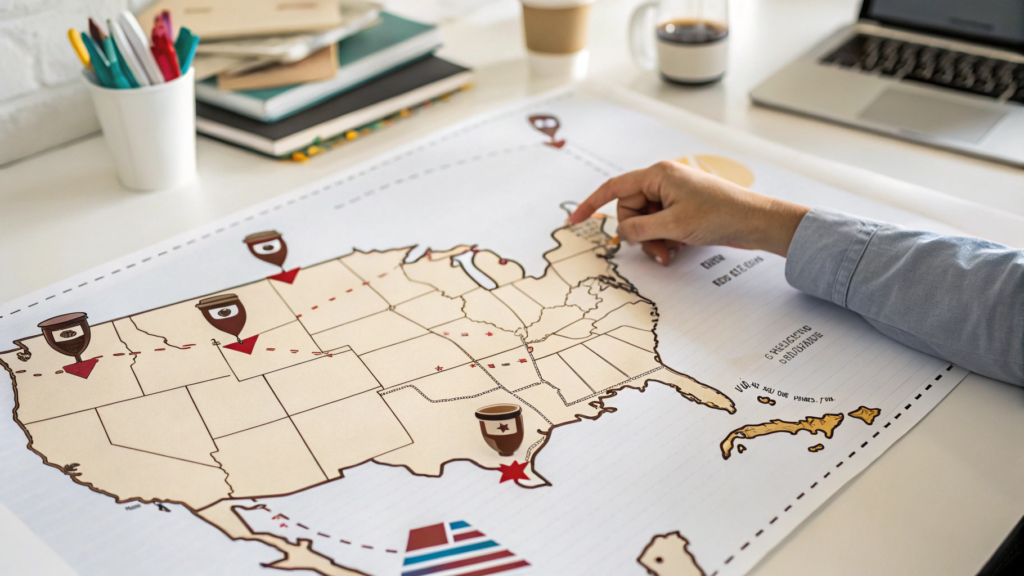
Find local distributors through three channels: (1) ask other coffee brands in your target city, (2) search for "food distributor [city name]" on Google and LinkedIn, and (3) attend local food trade shows. Then vet them with four questions: What is your delivery radius? What is your storage temperature? What is your insurance coverage? And can I speak to two current brand partners?
So, what does this mean for your search? It means you need to do homework. Do not just pick the first name on Google. Let me give you a checklist and specific red flags.
What questions should you ask before signing a contract?
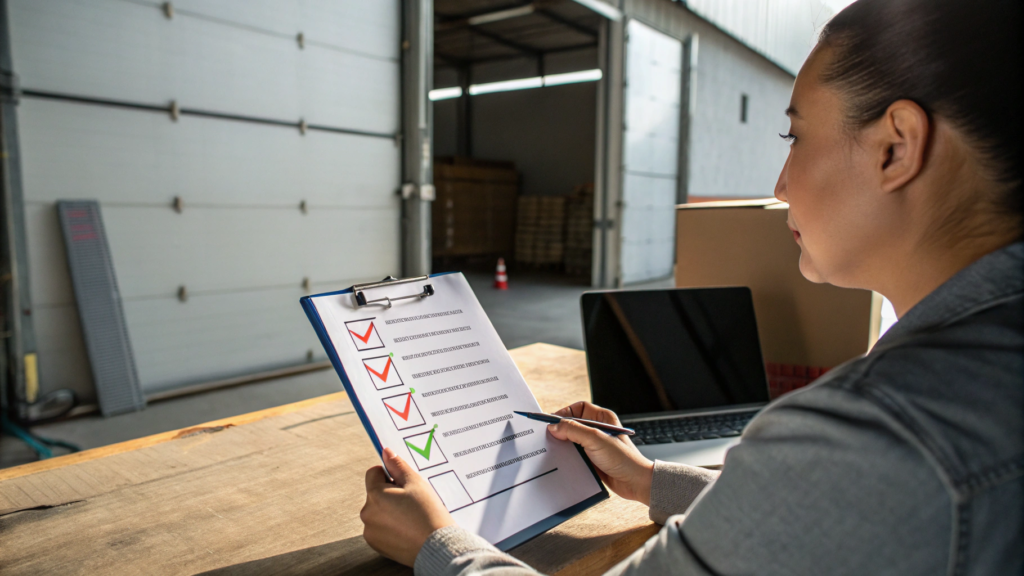
Here are my top seven questions. First, "How many coffee brands do you currently distribute?" If they say more than 20, your brand might get lost. Second, "Do you have refrigerated or climate-controlled storage?" Coffee needs stable temperature and humidity. Third, "What is your minimum monthly volume?" Some distributors want at least 500 kg per month. Fourth, "What is your commission or markup?" Typical is 15-25%. Fifth, "Who owns the customer relationship?" You want to own it. Otherwise, you cannot leave. Sixth, "What reporting do you provide?" You need monthly sales data. Seventh, "Can we do a 3-month trial?" A good distributor will say yes. A bad one will demand a one-year contract. Also, ask about their logistics partners. Distributors who work with Shanghai Fumao for imports are often more reliable because they already have international experience.
What are the red flags of a bad distributor?
Watch out for these five red flags. One, they ask for exclusivity without a minimum sales guarantee. Two, they cannot name three current brand partners. Three, they store your coffee next to onions or fish (seriously, coffee absorbs smells). Four, they have no insurance or cannot show you a certificate. Five, they ask for payment upfront for "shelf space" or "marketing fees." That is often a scam. I once met a distributor in Los Angeles who wanted $5,000 upfront. I said no. Three months later, I heard from another brand that he took their money and disappeared. So, trust your gut. If something feels wrong, walk away. Start with a small test shipment. Send them 200 kg. See how they handle it. If they do well, send more. If they fail, you lose only 200 kg, not your whole brand.
Conclusion
Let me be clear. Local distributors are not for everyone. If you sell only online, direct to consumers, you might not need one. But if you want to sell to cafes, restaurants, hotels, or grocery stores? You need local distributors. They save you time. They save you money. They give you market access. And they handle the messy parts of local delivery and returns.
The key is finding the right partner. Do your homework. Ask hard questions. Start with a small test. And build trust over time.
At Shanghai Fumao, we work with local distributors in over 12 countries. They help our buyers grow. And we help them by providing consistent, high-quality Arabica beans from our farms in Yunnan. We also partner with Shanghai Fumao to make sure our logistics are smooth from farm to port.
Are you a coffee brand owner looking for a local distributor in the US, Europe, or Australia? Or are you a distributor looking for a reliable coffee supplier? Either way, let’s talk. Contact our export manager, Cathy Cai, at cathy@beanofcoffee.com. Tell her your target market and your volume. She will connect you with the right partners. Let’s grow together.