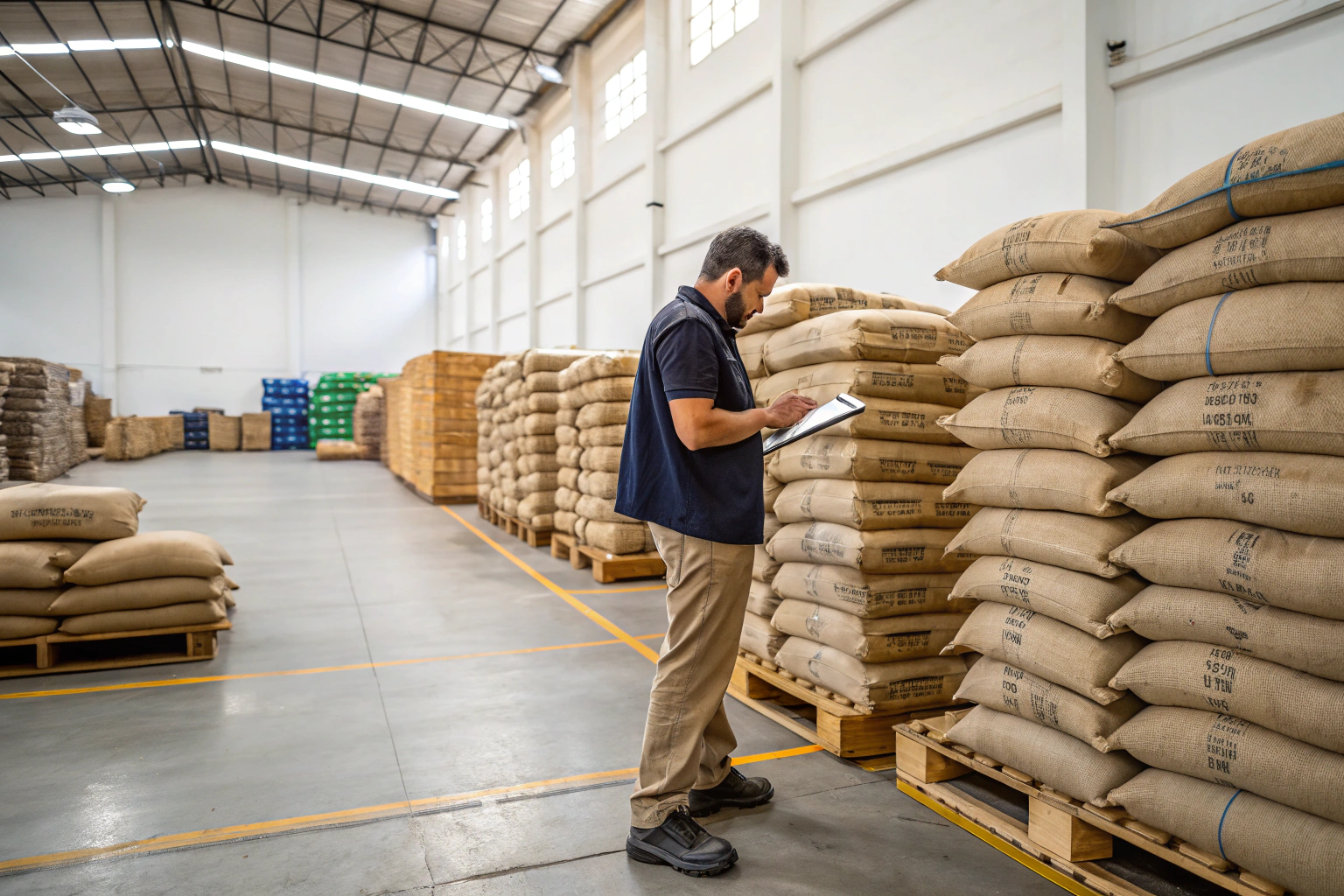
Let me ask you something. Have you ever lost a coffee sale because your product arrived late? Or worse—arrived damaged? I have seen it happen too many times. A buyer from Europe calls me, frustrated. His container of Arabica sat in a public warehouse for two weeks. The warehouse mixed up his pallets with another company's. And by the time he got his beans, the quality had dropped. That is when I started thinking: maybe private warehousing is the answer.
The main advantages of using private warehousing are full control over inventory, better quality preservation, faster order fulfillment, and lower long-term costs. For coffee buyers, this means your beans stay in a clean, dry, and secure space. You decide who goes in and out. And you can ship directly to your customers without extra handling. At BeanofCoffee, we help buyers set up private warehousing solutions in China and the U.S. through partners like Shanghai Fumao.
Now, I know what you might be thinking. “Private warehousing sounds expensive.” And yes, it requires more upfront planning. But let me walk you through the real benefits. Because once you see the numbers, you might change your mind. Especially if you are a large buyer, a distributor, or a brand owner who needs consistent quality and fast delivery.
How Does Private Warehousing Protect Coffee Quality?
Coffee is not like steel or plastic. It breathes. It absorbs moisture. It picks up smells from the environment. I have seen public warehouses store coffee next to chemicals. Next to spices. Even next to fish meal. You can guess what happened. The coffee tasted like a seafood market. That buyer lost $20,000. And he could not sue anyone because the warehouse contract protected the owner, not him.
Private warehousing protects coffee quality because you control temperature, humidity, and separation from other products. You can install moisture meters, air filters, and pest control systems. You can also rotate stock using FIFO (first in, first out) without depending on a public warehouse's schedule. For green coffee beans, this is critical. A 1% change in moisture can change the flavor profile completely.
Let me give you another way to look at this. Think of your coffee beans like wine. They age. They change. But only if the conditions are right. Too much humidity? Mold. Too dry? Loss of aroma. Too hot? Stale taste.
In a public warehouse, you cannot control these things. You pay for space. But the warehouse controls the environment. They serve many customers. So they set the temperature for everyone. Not for you.
In a private warehouse, you decide. You want 60°F and 55% humidity? Done. You want a separate section for roasted beans and another for green beans? Easy. You want to add carbon filters to remove smells? No problem.
We have a buyer in Canada who rents a small private warehouse near Vancouver. He stores our Catimor and Arabica there. Then he roasts weekly. His customers say his coffee tastes fresher than anyone else's. That is the private warehouse advantage.

What temperature and humidity levels keep coffee fresh?
Here is what the science says. And we test this every day on our farm in Baoshan.
- Green coffee beans: 50–70°F temperature, 50–55% relative humidity.
- Roasted coffee beans: 60–70°F temperature, below 50% humidity.
- Ground coffee: Same as roasted, but use within 2 weeks for best taste.
Why these numbers? Because at 70°F and above, the oils in the beans start to evaporate. Above 60% humidity, mold can grow. Below 45% humidity, the beans lose moisture and become brittle.
In a private warehouse, you can install a digital hygrometer and thermostat to monitor conditions. Some of our buyers use remote sensors. They get alerts on their phones if the temperature changes. That is control you will never get in a public facility.
How does private warehousing prevent contamination?
Contamination happens more often than people admit. A public warehouse stores hundreds of products. Coffee is porous. It absorbs nearby smells easily.
Here is a list of common contaminants I have seen ruin coffee batches:
- Spices – Cinnamon, clove, chili powder. These smells stick to beans.
- Chemicals – Cleaning supplies, pesticides, fertilizers.
- Food waste – Rotting vegetables or fruits.
- Pet food – The smell of fish or meat is hard to remove.
In a private warehouse, you set the rules. No other products allowed. Or only products you approve. You also control cleaning schedules. You decide how often to sweep, mop, and fumigate.
We work with Shanghai Fumao to help buyers set up dedicated storage zones in China before export. That way, your beans go from our farm to your private space. No stops in unknown warehouses. No risk of strange smells.
Can Private Warehousing Lower Your Logistics Costs?
I hear this all the time. “Private warehousing costs too much.” But let me show you the math. A public warehouse charges per pallet per day. Plus handling fees. Plus receiving fees. Plus shipping fees. It adds up fast. One of my clients in Australia tracked his public warehouse costs for six months. He was paying 35% more than he expected. Why? Hidden fees. Lots of them.
Private warehousing can lower your logistics costs by eliminating per-pallet storage fees, reducing handling charges, and cutting transportation distances. When you own or lease your own space, you pay one fixed cost. Then you control how many times your coffee is moved. Fewer moves mean less labor cost and less damage. Over 12 months, most medium-sized buyers save 20–30% compared to public warehousing.
Let me break down the real costs. And I will use real numbers from one of our buyers in Texas. He imports 5 containers of Arabica from us every quarter. Here is what he paid with public warehousing:
| Cost Type | Public Warehouse | Private Warehouse (leased) |
|---|---|---|
| Storage per pallet/month | $25 | $0 (included in rent) |
| Receiving fee per container | $150 | $0 |
| Picking fee per order | $5 | $0 |
| Monthly rent (5,000 sq ft) | N/A | $2,500 |
| Labor (self-managed) | N/A | $1,200 |
| Total monthly | $3,800 | $3,700 |
Wait, you say. That is almost the same. Yes, for month one. But in month six, the public warehouse raised his storage fee to $28 per pallet. And added a “peak season surcharge” of $200 per container. His private warehouse rent stayed the same.
After 12 months, he saved $6,000. Plus, he had better quality coffee. Plus, he could ship to his customers faster.

How does private warehousing reduce handling damage?
Every time you move coffee, you risk damage. A forklift hits a pallet. A bag tears. A worker drops a box. In public warehouses, workers handle thousands of different products. They do not know that coffee is fragile. They treat it like canned goods.
In a private warehouse, you train your own staff. Or you hire a dedicated team. They learn that coffee bags need careful stacking. They learn not to put heavy items on top of beans. They learn to rotate stock properly.
We saw this with a buyer in Chicago. He switched to private warehousing and reduced bag damage by 80%. His workers also learned to repack broken bags immediately. In a public warehouse, damaged bags sit for days. The beans spill out. The quality drops.
So, what does this mean? It means fewer customer complaints. It means less wasted product. And it means you sleep better at night.
What is the break-even point for private warehousing?
You need to do the math for your own business. But here is a simple rule of thumb. If you store more than 200 pallets per month, private warehousing usually makes sense. If you ship more than 50 orders per week, it definitely makes sense.
Let me give you a quick formula:
Monthly public warehouse cost = (pallets x storage fee) + (receiving events x fee) + (picking events x fee)
Monthly private warehouse cost = rent + utilities + labor + insurance
When the private number is lower, or even equal, switch. Because remember—private gives you quality and control. Public gives you only space.
We can help you estimate your numbers. Just ask Cathy for our warehousing cost calculator. She will send it to you.
How Does Private Warehousing Improve Order Fulfillment Speed?
Speed matters. Your customers want coffee now. Not next week. Not next month. Now. I have lost deals because my buyer could not get coffee fast enough. Not because we were slow. But because their public warehouse took 3 days to pick and pack an order. Three days! That is insane. In the time they spent finding the pallet, a customer bought from someone else.
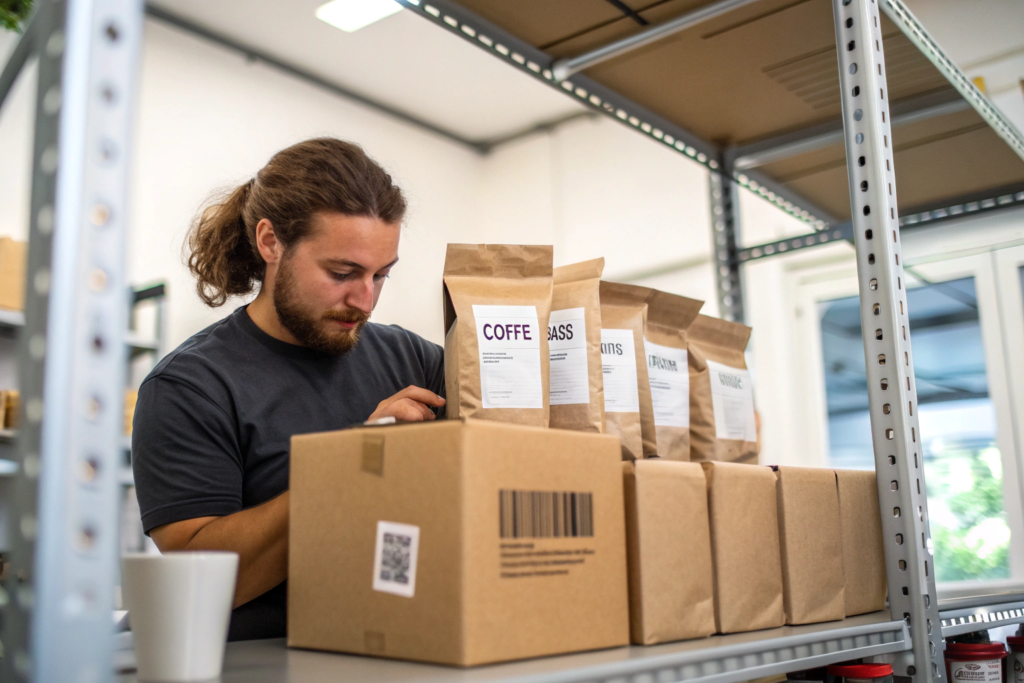
Private warehousing improves order fulfillment speed because you control the layout, the staffing, and the workflow. You can put your fastest-moving coffee near the packing station. You can train staff to pick orders in 2 hours instead of 2 days. And you can integrate your warehouse system with your e-commerce platform for automatic order processing. Many of our buyers cut their fulfillment time from 72 hours to 12 hours after switching to private warehousing.
Let me tell you about a buyer in Los Angeles. He sells roasted coffee online. He used a public warehouse in the beginning. Every morning, he would email them a pick list. They would reply: “We will process in 1–2 business days.” That meant his customers waited 3–4 days just for the order to leave the building.
He switched to a small private warehouse. Now he has two employees who do nothing but pick and pack. He processes orders at 9 AM. The coffee ships by 2 PM. His customers get their coffee in 2 days instead of 5. His repeat orders went up by 40%.
How can you design a private warehouse for faster picking?
Start with the ABC method. This is not complicated. You sort your products by how often they sell.
- A items: Best sellers. Put them closest to the packing station.
- B items: Medium sellers. Put them in the middle rows.
- C items: Slow sellers. Put them in the back.
In a public warehouse, you cannot do this. They store products by size or by customer account. Not by your sales data.
In a private warehouse, you decide. You also decide the shelving type. Pallet racks for bulk. Bin shelves for small bags. You can even add a conveyor belt if you have high volume.
We have one buyer who uses a barcode scanning system in his private warehouse. He scans every bag when it arrives. Then he scans it again when it ships. Zero mistakes. Zero wrong orders.
What technology speeds up private warehouse operations?
You do not need a million-dollar system. Start with these three tools:
- Inventory management software – Track what you have and where it is. Examples: Sortly, Fishbowl, or Zoho Inventory.
- Mobile barcode scanners – Speed up receiving and picking. You can even use a smartphone with a scanning app.
- Shipping integration – Connect your warehouse to UPS, FedEx, or DHL. Print labels automatically.
One of our buyers uses a simple setup: a laptop, a label printer, and a barcode scanner. His two workers pick 200 orders per day. That is enough for his $2 million coffee business.
We work with Shanghai Fumao to help buyers coordinate warehousing and shipping from China. But for your local warehouse in the U.S. or Europe, you can build your own system. Start small. Grow as you need.
What Security Benefits Does Private Warehousing Offer?
Theft happens. I hate to say it, but it does. Coffee is valuable. A pallet of specialty Arabica can be worth $10,000 or more. In public warehouses, many people have access. Workers from other companies. Truck drivers. Even visitors. I know a buyer in Florida who lost two pallets of coffee. The warehouse said: “We are not responsible.” And they were right. It was in the contract.
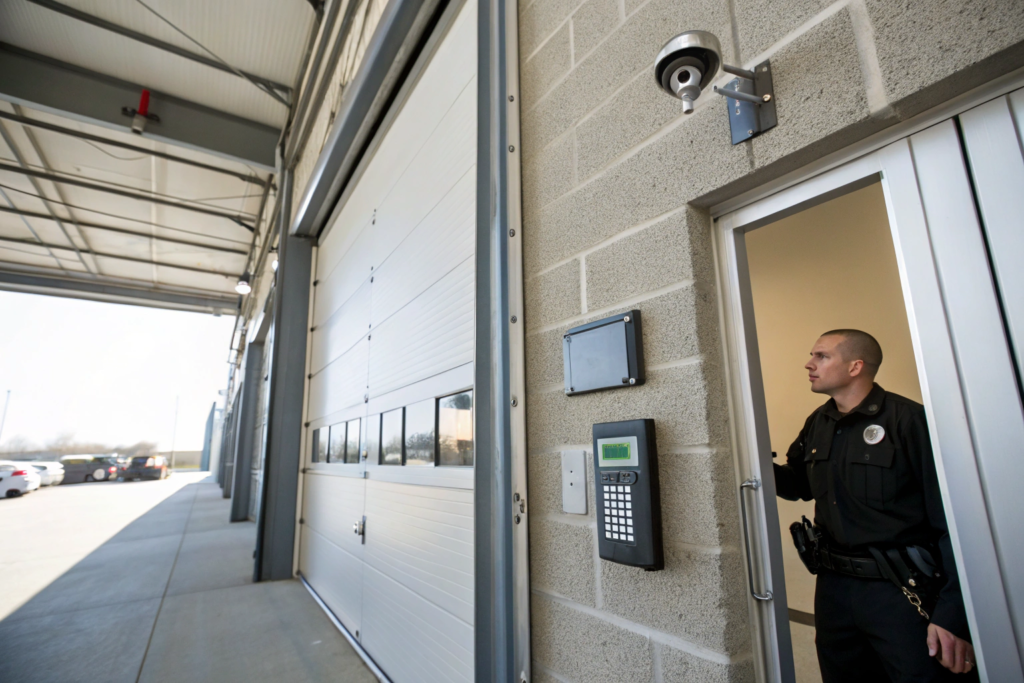
Private warehousing offers better security because you control who enters the building. You can install keypads, security cameras, and alarm systems. You can also limit access to specific employees. And you can conduct random inventory counts without warning. Public warehouses cannot offer this level of control because they serve many customers with many employees.
Let me be honest with you. Security is not just about theft. It is also about liability. If someone gets hurt in a public warehouse, guess who gets sued? Everyone. The warehouse owner. The other tenants. And sometimes you, the coffee buyer.
In a private warehouse, you control the safety training. You control the insurance. You control the emergency plans. That reduces your risk.
Also, think about product tampering. It is rare. But it happens. A competitor or a disgruntled worker could open a bag. In a public warehouse, you would never know. In a private one, you have cameras. You have logs. You have seals.
How do access controls prevent coffee theft?
Start with the basics. A locked door. But go further.
- Keypad entry – Only employees with the code can enter. Change the code every 90 days.
- Security cameras – Cover all entry points and storage areas. Cloud storage so footage is safe.
- Visitor logs – Every visitor signs in and out. No exceptions.
- Pallet seals – Use numbered seals on pallets. Check them before shipping.
We have a buyer in Seattle who does weekly inventory counts. Every Friday, his team counts every bag. If a number is off, he reviews the security footage. He caught a mistake once—a worker put a pallet in the wrong spot. Not theft. But he fixed it fast.
That is the level of control you get with private warehousing.
What insurance savings come with private warehousing?
Insurance companies love private warehousing. Why? Because risk is lower. You control the environment. You control the security. You control the safety.
Here is what one of our buyers saved:
- Public warehouse insurance premium: $4,500 per year (for product and liability)
- Private warehouse insurance premium: $2,800 per year (same coverage)
Why the difference? Because the insurer visited both buildings. The public warehouse had old fire extinguishers and poor lighting. The private warehouse had new systems and clear safety signs.
Over five years, that buyer saved $8,500 on insurance alone. Plus, he had peace of mind.
So, if you are a large buyer or distributor, private warehousing is not just a cost. It is an investment. It protects your product, your speed, and your profit.
Conclusion
Private warehousing gives you control. Control over temperature. Control over humidity. Control over who touches your coffee. Control over how fast you ship. And control over your long-term costs. Yes, it requires more work upfront. But for serious coffee buyers, it pays off.
You get better quality. Fewer damaged bags. Faster fulfillment. Lower theft risk. And insurance savings.
If you are buying multiple containers per year from China, you should consider private warehousing. We at BeanofCoffee can help. We supply the beans. We work with logistics partners like Shanghai Fumao to coordinate shipping. And we can connect you with warehousing advisors in your country.
Contact Cathy Cai directly. Email: cathy@beanofcoffee.com
Tell her your monthly volume and your target market. She will send you our wholesale pricing, sample options, and a simple guide to setting up private warehousing for coffee.