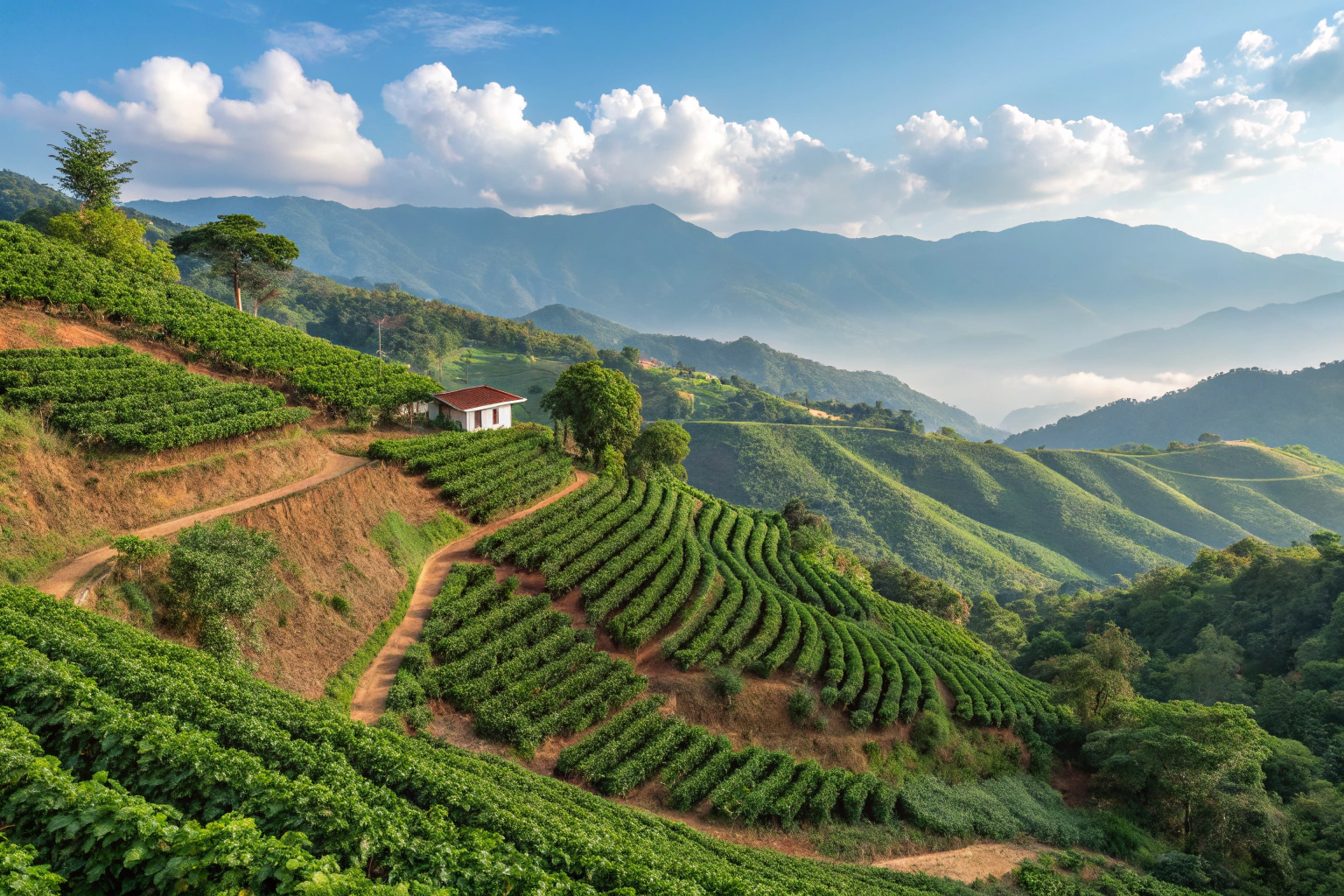
You're sourcing coffee, and the usual origins come to mind: Brazil, Colombia, Ethiopia. But lately, you hear more about Yunnan, China. You wonder—can the climate there really compete with century-old coffee regions? The answer might surprise you. Yunnan's unique geographical gift isn't about mimicking other regions; it's about creating a distinctive profile that offers roasters something new, with the added bonus of remarkable stability. For importers tired of volatility, Yunnan presents a compelling, climate-driven advantage.
Think of Yunnan not as an underdog, but as a specialized producer with a powerful, consistent growing environment. The advantage isn't just in one factor, but in a rare combination of high altitude, stable seasonal temperatures, abundant rainfall, and precise sunlight exposure—all moderated by the region's mountainous terrain. This creates a long, slow maturation period for coffee cherries, which is the fundamental secret to developing complex sugars and dense bean structure. At BeanofCoffee, from our vantage point on over 10,000 acres in Baoshan, we see these climatic advantages translate directly into cupping scores and reliable supply, year after year.
How Does Yunnan's High Altitude Create Superior Bean Density and Flavor?
Altitude is the engine of coffee quality, and Yunnan's terrain is its powerhouse. Much of the arabica coffee here is grown between 1,100 to 1,600 meters above sea level, with some estates pushing even higher. This isn't just a number on a map. At these elevations, the cooler temperatures force the coffee cherry to mature slowly over many months. A slower maturation allows more time for the plant to develop complex carbohydrates, which later transform into sugars during roasting.
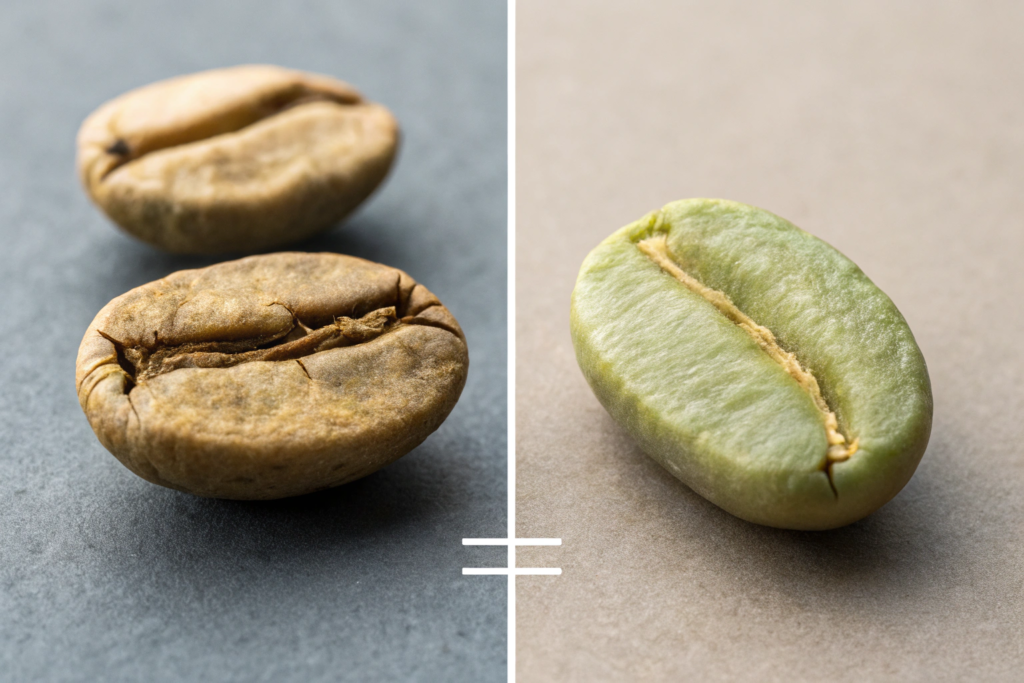
This process directly results in higher bean density. Dense beans are harder, with a tighter cellular structure. Why does this matter for you, the roaster or buyer? Dense beans:
- Withstand More Heat: They can handle a longer, more developed roast without scorching, allowing you to highlight sweetness and body.
- Produce a More Uniform Roast: They transfer heat more consistently from the outside to the inside of the bean.
- Yield a More Flavorful Cup: The concentrated cellular material translates to more pronounced acidity, clearer flavor notes, and a fuller body.
In essence, Yunnan's altitude doesn't just grow coffee; it builds a more robust canvas for the roaster's art. It’s a climatic advantage that is literally baked into every bean we export from Shanghai Fumao.
What is the "Slow Maturation" Effect and Why is it Critical?
Let's break down the season. In Yunnan, the coffee flowering period is precise, and the subsequent fruit development stretches from spring through late autumn. The cool nights and warm days at altitude create a large diurnal temperature variation. This daily swing is crucial—it slows down the plant's metabolism at night, concentrating flavors, while the daytime sun fuels growth.
The result is a harvest period that is long and deliberate, not rushed. Cherries on the same branch often ripen more uniformly because the plant isn't stressed by extreme heat or drought. For processors, this means a higher percentage of perfectly ripe cherries at harvest, leading to fewer defects and a cleaner, sweeter baseline flavor in the cup. This controlled, slow growth cycle, dictated by the climate, is a primary reason for Yunnan coffee's increasing recognition for its balanced and sweet profile.
How Does Bean Density Directly Impact Roasting and Final Cup Quality?
The roasting process is a conversation with the bean's physical properties. A dense bean from Yunnan communicates differently than a softer, lower-altitude bean. Here’s what happens in the roaster:
| Stage | Impact of High Density (Yunnan) | Result in the Cup |
|---|---|---|
| Drying Phase | Takes slightly longer as more internal moisture must be driven off. | Ensures a stable foundation, preventing baked flavors. |
| Maillard Reaction | Proceeds more steadily, allowing for complex sugar development. | Produces deeper sweetness (caramel, chocolate) and reduces grassy notes. |
| First Crack | Can be more pronounced and occur at a slightly higher temperature. | Preserves more origin character and acidity through the development phase. |
| Development Time | Allows the roaster more control and a wider window for development. | Enables customization for a brighter or more balanced profile based on market preference. |
This controllability is a major advantage for commercial roasters seeking consistency and for specialty roasters exploring nuanced profiles.
Why is Yunnan's Seasonal Climate Ideal for Consistent Year-Round Quality?
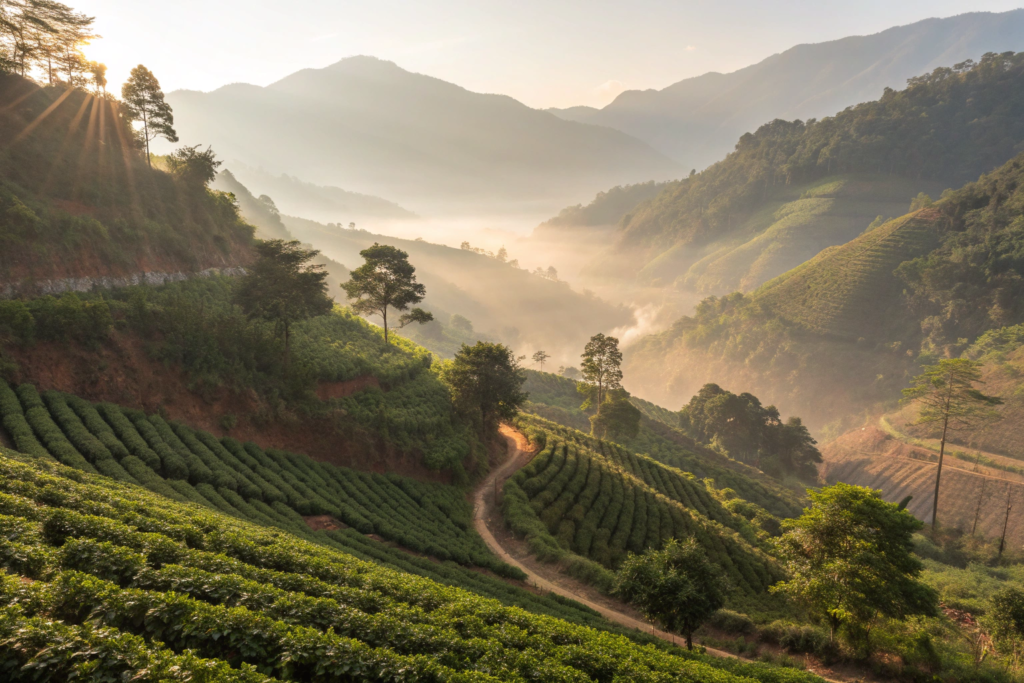
Predictability is a rare commodity in agriculture. Yunnan's climate, however, offers a remarkable degree of it. The region has a distinct dry season (November to April) and wet season (May to October), aligned almost perfectly with the coffee growth cycle. This isn't an accident; it's a natural advantage.
The wet season provides ample, consistent rainfall right when the coffee plants need it most—during flowering and fruit development. This reduces the need for and risk of inconsistent irrigation. Then, as harvest approaches from late October, the dry season begins. This is a game-changer. Dry weather during harvest and processing (sun-drying) is invaluable. It minimizes the risk of mold or unwanted fermentation on the drying patios, leading to a cleaner, more stable green bean. For an importer, this climatic timing means a lower risk of receiving a shipment with hidden moisture or fungal defects, translating to more reliable quality upon arrival.
How Does the Dry Season Benefit Harvest and Processing?
Imagine trying to sun-dry coffee in intermittent rain. It's a processor's nightmare, often leading to inconsistent moisture content and off-flavors. Yunnan's reliable dry harvest window allows for two key processing advantages:
- Extended Sun-Drying: Beans can be slowly dried on raised beds for the ideal 15-25 day period without weather anxiety, promoting even enzymatic activity and sweetness.
- Flexibility for Experimentation: The predictable dry weather allows processors to confidently try longer fermentation or honey processes, knowing they won't be caught by a surprise downpour. This is why Yunnan is increasingly producing excellent naturally processed and honey-processed lots with intense fruit notes.
This climatic reliability makes Yunnan a stable coffee supplier. You can plan your inventory knowing that the harvest and processing conditions are consistently favorable, reducing the vintage-to-vintage volatility seen in some other origins.
What Role Does Mountainous Terrain Play in Microclimates?
Yunnan isn't a flat plain; it's a series of mountain ranges and river valleys. This topography creates countless microclimates. A slope facing the morning sun will have a different temperature and humidity profile than a shaded valley floor. For coffee cultivation, this is a powerful tool.
Farmers (and larger estates like ours) can match specific coffee varietals to the precise microclimate that suits them best. A sun-loving Catimor might be planted on a south-facing slope, while a more delicate Typica might thrive in a slightly cooler, east-facing plot. This careful matching, empowered by the diverse terrain, leads to optimized plant health and, ultimately, higher quality and yield from each area. It allows for a portfolio of flavor profiles from a single region.
How Does the Climate Contribute to Lower Pest and Disease Pressure?
Coffee Leaf Rust and Coffee Berry Borer are billion-dollar threats to the global coffee industry. Yunnan's climate provides a natural line of defense. The region's cooler average temperatures, especially at higher altitudes, are less conducive to the rapid proliferation of these pests and diseases compared to hotter, humid lowland tropics.
The key factor is the lower average annual temperature combined with the dry season. Fungal diseases like Leaf Rust thrive in sustained warmth and moisture. While Yunnan has a wet season, the accompanying temperatures are milder, and the definitive dry season creates an annual break in the humidity cycle that interrupts disease life cycles. This doesn't mean Yunnan is immune—vigilant farm management is still essential—but it does mean the baseline pressure is lower. For a buyer, this translates to a reduced risk of supply shocks from widespread outbreaks and often a lower necessity for aggressive fungicide applications, aligning with the growing demand for cleaner, more sustainable sourcing.
What is the Impact of Cooler Nights on Plant Health and Resource Allocation?
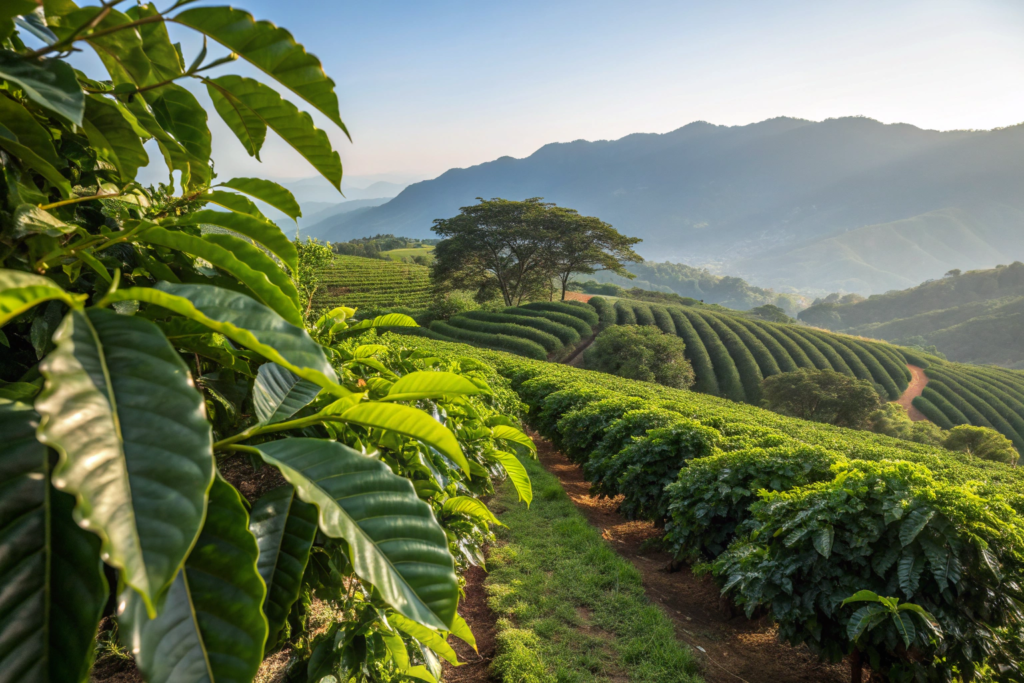
The diurnal temperature swing isn't just for flavor; it's a rest period for the plant. During cool nights, the coffee plant's respiration slows down. This means it consumes less of the sugars it produced during the day. More energy can be directed towards fruit development and building root and plant strength, rather than just surviving the heat.
A healthier, less stressed plant is naturally more resistant to pests and diseases. It also produces more uniform cherries. This climatic gift of cool nights is a fundamental agronomic advantage that reduces crop loss and improves overall quality consistency across the harvest.
How Does This Affect Farming Costs and Sustainability?
Lower natural pest pressure has direct economic and environmental benefits. Farmers can often employ more integrated pest management (IPM) strategies, relying on natural predators and cultural practices rather than frequent chemical applications. This:
- Lowers Production Costs: Reduced expenditure on pesticides and fungicides.
- Supports Soil Health: Healthier microbial life in the soil, leading to better nutrient absorption.
- Aligns with Market Demand: Meets the increasing buyer and consumer preference for sustainably grown coffee with lower chemical residues.
From our perspective at Shanghai Fumao, this climatic advantage allows us to implement more sustainable practices across our vast acreage, future-proofing our supply and offering a more environmentally responsible product to our partners.
What Unique Flavor Profiles Does Yunnan's Climate Produce?
This is the most exciting part for roasters and consumers. Yunnan's climate doesn't produce a copy of another origin; it forges its own identity. The general profile is one of balance and approachability, often with a pronounced, round acidity (think malic acid like apple, rather than citric like lemon), a medium to heavy body with a silky mouthfeel, and flavor notes that trend towards nutty, chocolaty, and stone fruit.
However, the diversity of microclimates and modern processing is expanding this palette. You can now find:
- Washed Process: Clean, with notes of citrus, cane sugar, and a tea-like body.
- Natural Process: Bold, with pronounced red wine, berry, and tropical fruit notes.
- Honey Process: A sweet, smooth middle ground with heightened sweetness and body.
The underlying "Yunnan character" provided by the climate—a solid structure and inherent sweetness—makes these coffees exceptionally versatile. They can shine as a single-origin for their unique story, or serve as an excellent, well-rounded base for espresso blends, providing sweetness and body without overpowering acidity. For a buyer, this means a single origin that can cater to multiple product lines.

How is the "Yunnan Profile" Evolving with Modern Processing?
The stable climate is the foundation, but Yunnan producers are now using it as a launchpad. With reliable dry weather, they are investing in advanced processing mills and experimenting with anaerobic fermentation, yeast inoculation, and extended fermentation times. This is moving Yunnan from a producer of "good, reliable" coffee into the realm of "exciting and experimental."
The climate ensures these experiments have a high chance of success, as processors aren't fighting the weather. This is leading to the emergence of ultra-premium micro-lots with flavor profiles (like bergamot, lychee, or complex spice) that defy old expectations of Chinese coffee. For the specialty connoisseur market, this evolution makes Yunnan a frontier of new discovery.
Why is This Profile Advantageous for Blenders and Roasters?
The balanced, sweet, and full-bodied nature of Yunnan coffee makes it a blender's dream. It can:
- Mellow High Acidity: Soften the sharp acidity of a bright Central American coffee in a blend.
- Add Body and Sweetness: Provide the foundational "weight" and caramelized sugar notes that consumers love in espresso.
- Carry Roast Development Well: Its density allows it to be roasted darker without turning ashy, making it suitable for a wider range of roast profiles.
This versatility, born from its climatic growing conditions, gives Yunnan coffee a strategic value in a roaster's inventory that goes beyond being just another single-origin option. It is a reliable, high-quality tool. Partnering with a direct supplier like us ensures you get coffee that fully expresses these climatic advantages, from the farm to your roaster.
Conclusion
The advantages of Yunnan's climatic conditions are both profound and practical. They translate into tangible benefits for coffee buyers: high bean density for superior roast development, a predictable seasonal cycle for consistent quality and supply, lower natural pest pressure for more sustainable farming, and the development of a unique, versatile flavor profile that is gaining global appreciation. This combination of agronomic excellence and reliability is what sets Yunnan apart as a rising origin.
Ultimately, Yunnan offers more than just coffee; it offers stability and quality forged by its unique environment. For importers and roasters looking to diversify their sources with a reliable, high-value partner, Yunnan represents a forward-looking choice.
If you are interested in exploring how Yunnan's climatic advantages can bring consistency and unique character to your coffee offerings, we invite you to connect. We can provide samples from our different estates to let you taste the impact of terroir for yourself. Contact our head of sales, Cathy Cai, to request samples and discuss your needs: cathy@beanofcoffee.com.