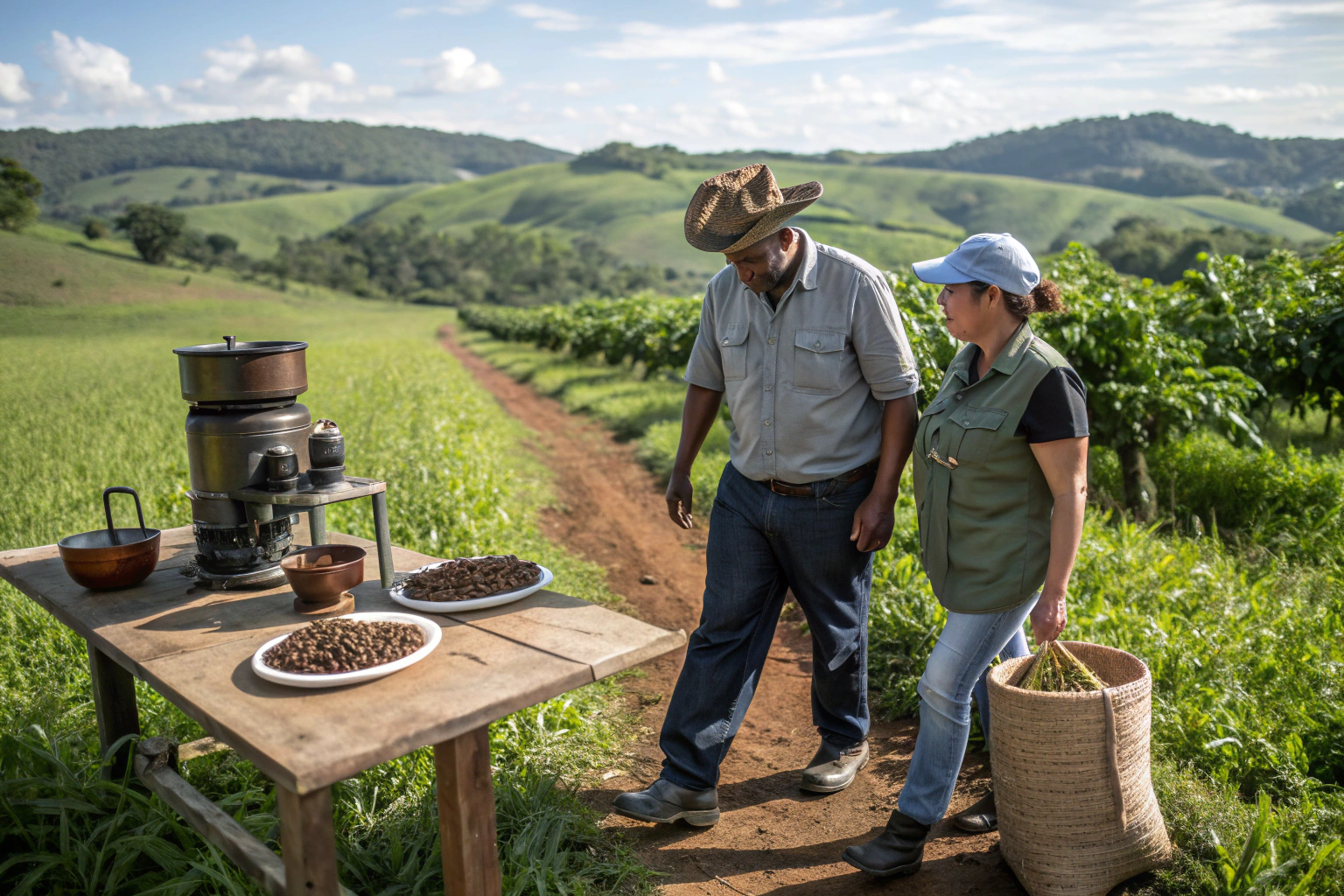
You're evaluating two coffee options for your next purchase. One is a certified Fair Trade coffee with all the right logos. The other comes through a direct trade relationship with a specific farm, costs 20% more, and has no third-party certification. Which represents the better ethical and quality choice? The answer reveals a fundamental shift in how quality-focused buyers are approaching ethical sourcing today.
Buying direct trade coffee offers benefits including higher quality through closer collaboration, greater transparency and traceability, better financial returns for farmers, more sustainable environmental practices, and stronger long-term relationships. Unlike certification systems with fixed standards, direct trade creates customized partnerships that can address specific community and quality goals.
So, what makes direct trade different from simply paying a premium, and why are so many specialty roasters shifting toward this model despite its greater complexity? The advantages extend beyond feel-good marketing to tangible impacts on quality, sustainability, and supply chain resilience. Let's examine the specific benefits that justify the extra effort and often higher cost.
How Does Direct Trade Improve Coffee Quality?
The most immediate benefit for buyers is superior and more consistent quality. Direct relationships enable collaborative quality improvement that's impossible through anonymous supply chains.
When roasters work directly with farmers, they can provide specific feedback, invest in quality improvements, and develop processing methods tailored to their flavor preferences.
What Quality Collaboration Happens in Direct Trade?
Direct trade enables:
- Customized processing based on roaster specifications
- Shared experimentation with fermentation, drying, or varietals
- Immediate feedback loops when quality issues arise
- Investment in farm infrastructure that improves consistency
- Long-term planning for quality improvement over multiple seasons
At BeanofCoffee, our direct trade partners receive detailed cupping notes and collaborate with us on processing adjustments season after season. This quality partnership often produces coffee that wouldn't exist through conventional channels.
How Does Traceability Enhance Quality Control?
Direct trade provides complete visibility:
- Single-farm origin rather than blended cooperatives
- Specific harvest dates and processing timelines
- Direct communication about growing conditions
- Control over post-harvest handling
- Ability to visit and verify practices firsthand
This supply chain intimacy allows for quality control at every stage, resulting in more predictable and distinctive coffees.

What Financial Benefits Reach Farmers?
While certification systems guarantee minimum prices, direct trade often delivers significantly higher financial returns through premium payments, quality bonuses, and long-term contracts.
Farmers in direct trade relationships typically receive prices 25-100% above commodity market rates, with additional premiums for exceptional quality and investments in community development.
How Do Direct Trade Prices Compare to Certifications?
Let's compare typical price structures:
| Price Component | Fair Trade | Direct Trade (Example) |
|---|---|---|
| Base Price | Minimum price floor ($1.40/lb + $0.20 premium) | Often 2-3x market price ($3.00-$5.00/lb) |
| Quality Premium | Not typically included | Additional $0.50-$2.00/lb for high scores |
| Community Investment | $0.20/lb to cooperative fund | Direct project funding ($X per pound) |
| Price Stability | Minimum floor protection | Multi-year contracts at agreed prices |
This economic comparison shows how direct trade can deliver substantially better financial outcomes for farmers when properly structured.
What About Long-Term Financial Security?
Direct trade contracts often provide:
- Multi-year agreements that allow farm planning
- Pre-harvest financing against future crops
- Quality-based pricing that rewards improvement
- Transparent cost structures that build trust
- Shared risk during difficult seasons
These financial partnerships create stability that enables farmers to invest in their operations rather than just survive season to season.
How Does Transparency Build Trust and Loyalty?
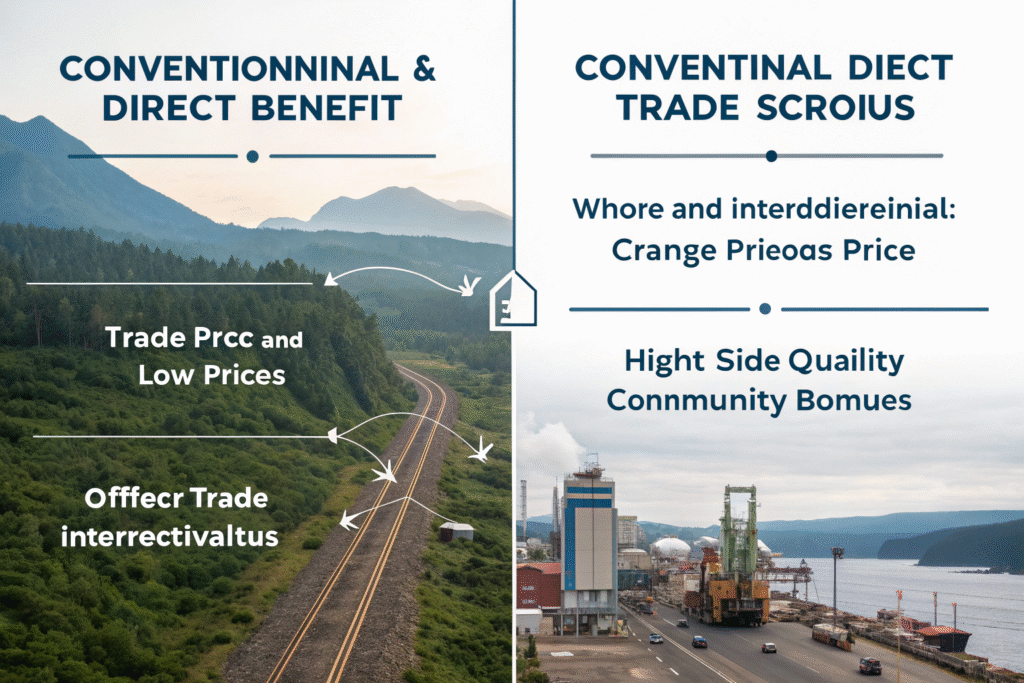
Direct trade relationships operate with radical transparency that builds trust between producers and buyers in ways certification labels cannot match.
This transparency extends beyond price to include cost structures, quality feedback, challenges faced, and shared goals for improvement.
What Information is Typically Shared?
In mature direct trade relationships:
- Full cost breakdowns from farm to export
- Cupping scores and notes from multiple evaluators
- Production challenges (weather, pests, etc.)
- Investment plans for farm improvements
- Community needs and development priorities
This open communication creates partnerships based on shared understanding rather than transactional negotiation.
How Does This Benefit Both Parties?
For farmers:
- Understanding what buyers value and why
- Receiving direct feedback for improvement
- Building relationships beyond price discussions
- Gaining market intelligence from buyer perspectives
For buyers:
- Deep understanding of production realities
- Early warning of potential supply issues
- Authentic stories to share with customers
- Confidence in their ethical claims
This mutual understanding creates resilient partnerships that withstand market fluctuations and challenges.

What Environmental Advantages Does Direct Trade Offer?
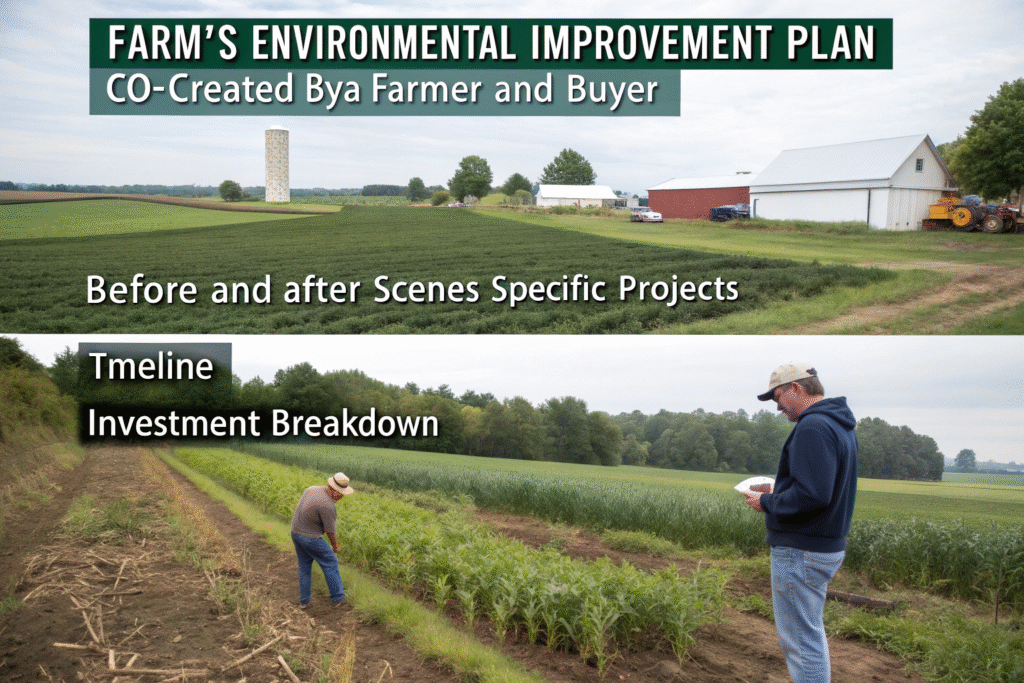
Direct trade relationships often facilitate more sustainable farming practices than certification systems because they allow for customized environmental approaches tailored to specific farms.
Without the one-size-fits-all constraints of certification standards, farmers and buyers can develop environmental strategies that address local conditions and priorities.
How Do Customized Environmental Strategies Work?
Direct trade enables:
- Site-specific solutions for soil health and water conservation
- Gradual transitions to organic practices without certification costs
- Biodiversity projects that preserve local ecosystems
- Carbon footprint reduction through shared investments
- Waste management systems tailored to farm scale
These context-appropriate approaches often prove more effective than generic certification requirements.
What About Long-Term Environmental Stewardship?
Direct trade supports:
- Multi-year conservation planning with shared investment
- Climate adaptation strategies developed collaboratively
- Soil regeneration projects that take years to show results
- Water system improvements benefiting entire communities
- Agroforestry integration that enhances farm resilience
The long-term perspective of direct relationships enables environmental investments that pay off over decades rather than single seasons.
How Do Relationships Create Supply Chain Resilience?
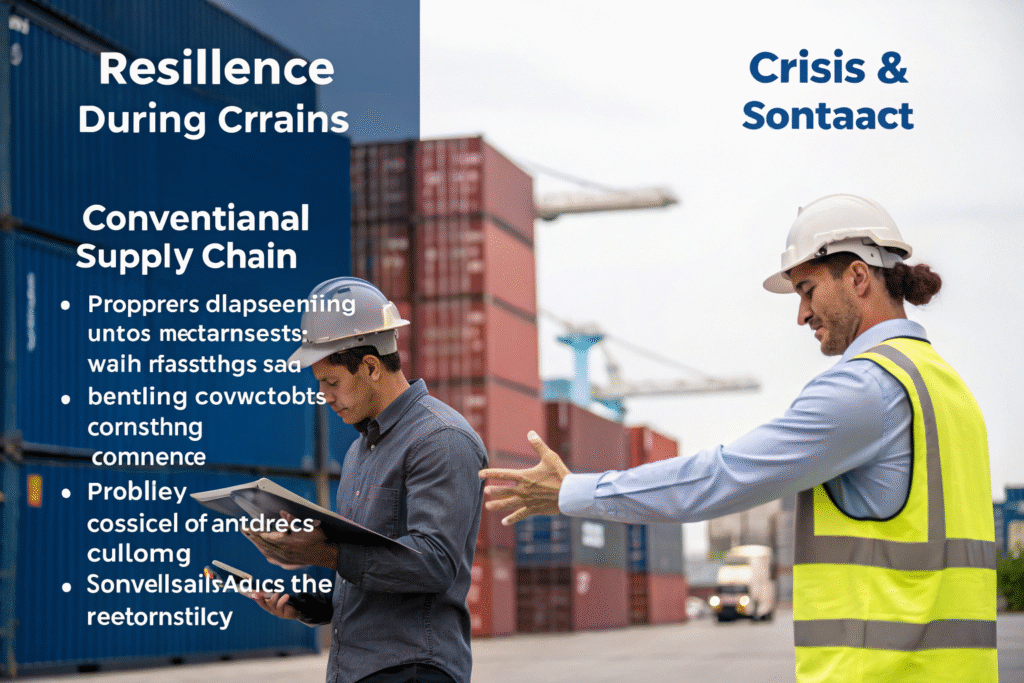
Perhaps the most overlooked benefit of direct trade is the resilience it builds into supply chains. When challenges arise—whether climate disruptions, market volatility, or logistical problems—strong relationships enable collaborative problem-solving.
This resilience becomes increasingly valuable in an era of climate change, geopolitical instability, and global supply chain disruptions.
What Forms Does This Resilience Take?
- Priority access during shortages or quality competitions
- Flexible problem-solving when unexpected issues arise
- Shared risk management during difficult seasons
- Alternative planning when primary options fail
- Mutual support that transcends transactional thinking
During the pandemic, many direct trade relationships demonstrated remarkable resilience as partners worked together to navigate unprecedented challenges. This relationship capital proved more valuable than any contract clause.
How Does This Compare to Conventional Sourcing?
In conventional coffee trading:
- Relationships are transactional and easily severed
- Problems lead to blame rather than collaboration
- Short-term thinking dominates decision-making
- Supply disruptions mean immediate search for alternatives
- Quality consistency suffers from constantly changing sources
The stability advantage of direct trade becomes apparent during the inevitable challenges of agricultural production.
Conclusion
Direct trade coffee offers a fundamentally different approach to ethical sourcing that prioritizes relationships, transparency, and collaboration over standardized certification systems. The benefits include superior quality through close collaboration, significantly better financial returns for farmers, customized environmental approaches, transparent supply chains, and resilient partnerships that withstand challenges.
While direct trade requires more effort, deeper commitment, and often higher prices than certification-based approaches, the returns in quality, sustainability, and supply chain security justify the investment for many specialty coffee businesses. The most successful direct trade relationships recognize that mutual success—not just transactional advantage—creates the most sustainable outcomes. If you're interested in exploring genuine direct trade partnerships with transparent pricing and collaborative quality development, contact our export manager, Cathy Cai, at cathy@beanofcoffee.com to discuss how our model creates value for both farmers and roasters.