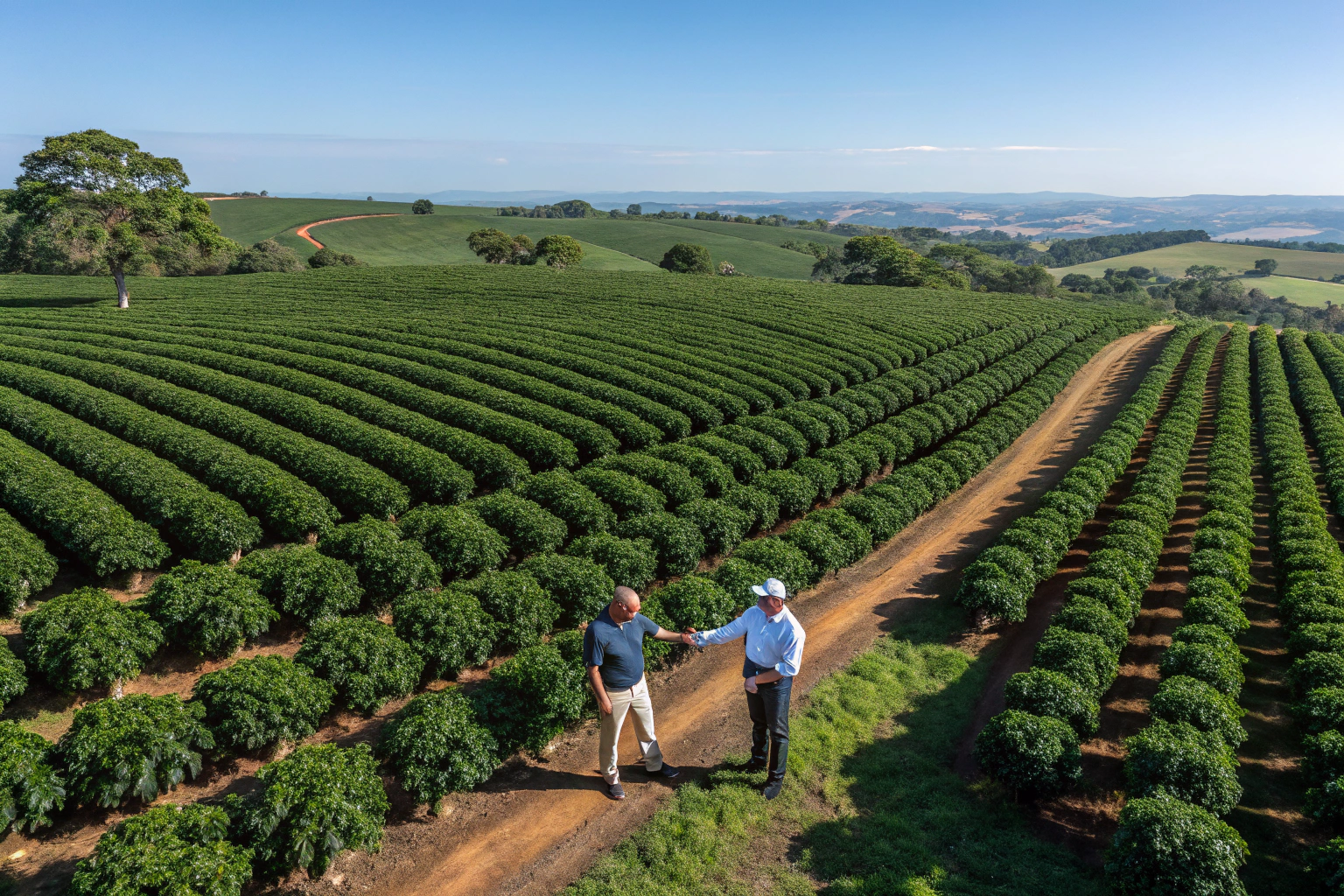
As a coffee buyer, you're constantly navigating a complex global market. You source from cooperatives, smallholders, and exporters, each with its own set of variables. You're like my client, Ron; you're focused on building a stable, profitable business. You worry about consistency from one lot to the next. You're anxious about traceability—do you really know where your coffee is coming from? And you're concerned about whether your supplier can scale with you as your business grows.
Let's talk about a different model: partnering directly with a large, single-entity coffee plantation. The primary benefits of buying from a large plantation are unparalleled consistency in quality and profile, complete farm-to-port traceability, significant economies of scale that lead to cost stability, and the capacity for long-term, scalable partnerships. It's about moving from a fragmented supply chain to a unified, reliable source.
As the owner of Shanghai Fumao, a 10,000-acre coffee estate in the mountains of Baoshan, Yunnan, this isn't just a business model; it's the foundation of our promise to our partners. We've built our operation on the principle that scale, when managed with precision, creates unmatched value. In this article, I'll detail the tangible benefits you gain when you partner directly with a large-scale grower like us.
How Does a Large Plantation Ensure Unmatched Consistency?
You've found a coffee you love. You build a blend around it, and your customers love it too. Then, you order the next container, and it tastes... different. This inconsistency is a roaster's nightmare and a major source of business anxiety. It forces you to constantly adjust your roast profiles and disappoints customers who expect the same great taste.
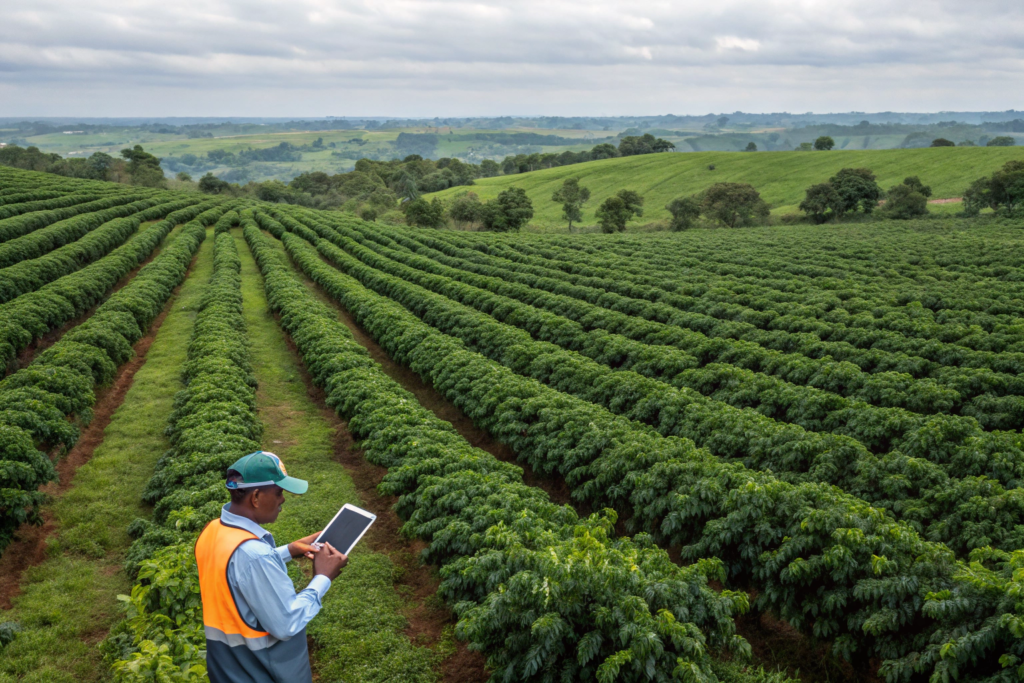
A large, single-managed plantation is the ultimate solution to this problem. Consistency is achieved through standardized agricultural practices across the entire estate. Because we control all 10,000 acres, we can implement uniform protocols for everything: the same varietals (like our Catimor and Arabica), the same fertilization and pruning schedules, and the same harvesting standards.
When it comes time for processing, all the cherries are brought to our centralized wet and dry mills. Here, the same equipment and the same expert team handle every single bean. This means the washed process for Lot A is identical to the washed process for Lot B. This end-to-end control over every variable eliminates the fluctuations in quality and flavor profile that are common when sourcing from multiple small farms. The result is a remarkably consistent product, container after container, year after year.
What is "Lot Homogeneity"?
Lot homogeneity refers to the uniformity of the beans within a single lot. On a large plantation, a "lot" can be comprised of coffee from hundreds of acres, but because it was all grown and processed under the exact same conditions, it is incredibly homogeneous. This is different from a lot sourced from a cooperative, which might be a blend of coffees from dozens of different small farms with varying practices, altitudes, and processing methods.
How Does This Help a Roaster?
For a roaster, this consistency is gold. It means less time spent re-profiling new lots and more predictable results. When you know that your next shipment of Yunnan green beans will behave in the roaster almost exactly like the last one, you can operate with greater efficiency, reduce waste, and deliver a more consistent final product to your own customers.
What Does "True Traceability" Mean for Your Business?
"Traceability" is a popular buzzword, but what does it really mean? Often, it means tracing a coffee back to a cooperative or a region, but not to the specific plot of land. You're worried about food safety, authenticity, and being able to tell a genuine, compelling story to your customers. Vague traceability doesn't give you that confidence.
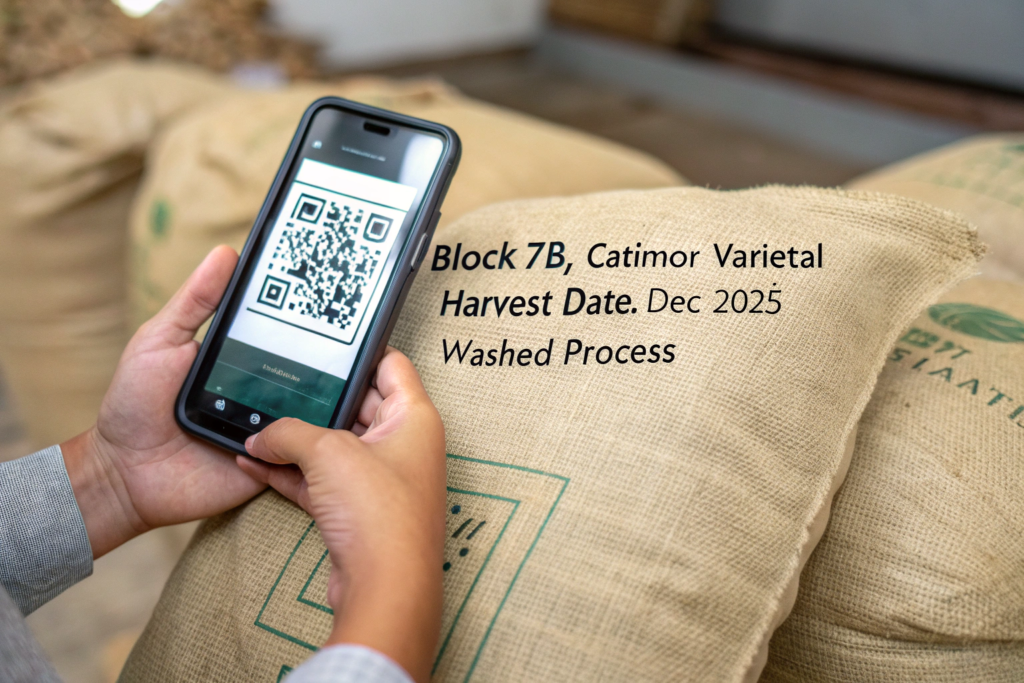
Buying from a large plantation offers complete and transparent traceability, right down to the specific block of land where your coffee was grown. Because we own and map our entire estate, we can tell you the precise history of your coffee. We can provide data on the varietal, the altitude of the specific parcel, the date it was harvested, and the exact processing method used.
This isn't just data; it's a powerful tool for marketing and quality assurance. You can tell your customers, with 100% certainty, the story of their coffee. It also provides a crucial safety net. In the unlikely event of a quality issue, we can trace it back to its exact origin and take corrective action. This level of accountability is only possible when one entity controls the entire chain from seed to sack.
How is This Different from Cooperative Traceability?
While many cooperatives do excellent work, tracing a specific bag back through a system involving hundreds of smallholder farmers can be incredibly complex. The coffee is often blended at the washing station, making parcel-level traceability difficult. A single plantation model simplifies this to a direct, unbroken line of sight.
How Can You Use This in Your Marketing?
This level of detail allows you to create incredibly rich and authentic marketing content. You can feature maps of the specific block where your coffee was grown. You can share photos of that parcel during harvest. It allows you to move beyond generic origin stories to a specific, verifiable narrative that builds immense trust and value with your customers.
How Do Economies of Scale Impact Your Bottom Line?
You're a business owner, and you need to manage costs to stay competitive. You see prices fluctuate wildly based on the successes or failures of small, individual farms. You need a partner who can offer not just quality, but also a degree of price stability and cost-effectiveness.
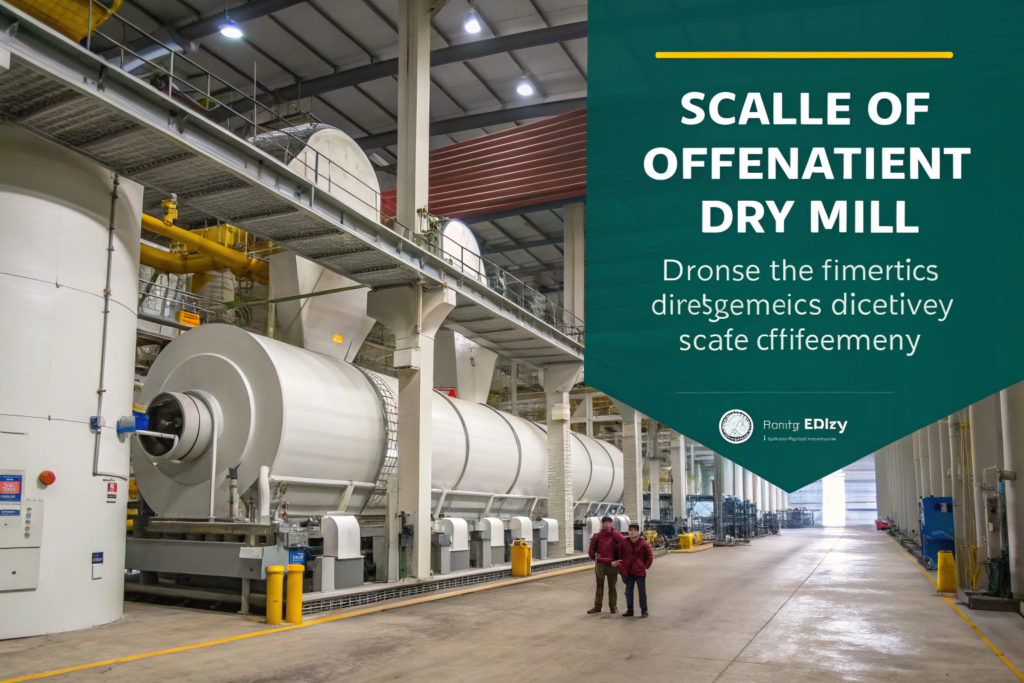
A large plantation benefits from significant economies of scale, and we pass those benefits on to our partners. By operating on a large scale, we can invest in modern, efficient infrastructure—from large-scale irrigation systems to industrial-sized processing mills and advanced optical sorters. This efficiency lowers our cost of production per kilogram.
Furthermore, our scale allows us to purchase inputs like fertilizer in bulk at a discount and to negotiate favorable rates for logistics and shipping. While a small farm is a "price taker," a large plantation is a "market maker." This operational efficiency and purchasing power translate into more stable and competitive pricing for you. It helps insulate you from the small-scale supply shocks that can cause sudden price spikes in the market.
Does This Mean It's Always Cheaper?
Not necessarily "cheaper" than the lowest-quality coffee on the market, but it means more cost-effective for the quality level. You get a highly consistent, fully traceable specialty-grade coffee at a price point that is made possible only through large-scale operational efficiency. It represents immense value.
How Does Scale Help with Logistics?
Our ability to fill multiple containers consistently gives us leverage with shipping lines and freight forwarders. This allows us to secure more reliable vessel space and better rates than a smaller shipper might be able to. This logistical advantage means more predictable shipping schedules and costs for you.
Why is a Plantation a Better Long-Term Partner?
Your business is growing, and you need to know that your suppliers can grow with you. A common fear is outgrowing a small supplier, forcing you to find a new source and start all over again, disrupting your quality and consistency.
A large plantation is, by its nature, a scalable and reliable long-term partner. Our capacity is vast. Whether you need one container this year or ten containers two years from now, we have the volume to support your growth. You don't need to worry about us running out of the coffee that your brand is built on.
Moreover, a direct partnership with a plantation allows for true collaboration. We can work with you on future projects. For example, if you need a specific flavor profile, we can discuss dedicating a block of our farm to a particular varietal or an experimental processing method just for you. This transforms the relationship from a simple transaction to a strategic alliance, where we are actively invested in your success. This is the kind of partnership we strive to build at Shanghai Fumao.
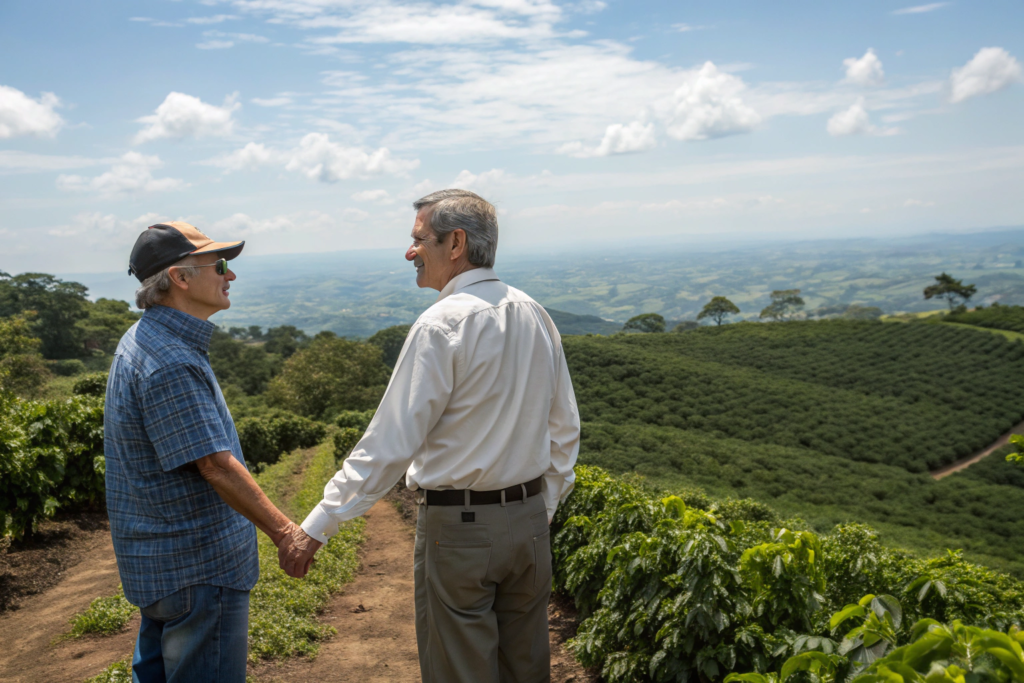
Can a Plantation Offer Custom Lots?
Yes. This is one of the most exciting benefits. For our larger, long-term partners, we can create bespoke lots. We can experiment with fermentation times, drying methods, or even plant new varietals based on your specific needs and market feedback. This level of customization is virtually impossible in a fragmented supply chain.
What Does This Partnership Mean for Risk Management?
Partnering with a large, financially stable entity reduces your supply chain risk. We have the resources to weather bad seasons, invest in disease prevention (like our resilient Catimor varietals), and manage our business professionally. You are not dependent on the fate of a single small farm; you are partnering with a robust agricultural enterprise.
Conclusion
Choosing to buy from a large plantation is a strategic decision to prioritize consistency, transparency, and scalability. It's an investment in a simplified, more reliable supply chain that mitigates risk and fosters true partnership. You gain the peace of mind that comes from knowing exactly where your coffee comes from, the confidence that its quality will be unwavering, and the assurance that your supplier can support your most ambitious growth plans.
It transforms sourcing from a speculative hunt into a stable, collaborative relationship. It allows you to focus on what you do best—roasting and selling great coffee—secure in the knowledge that you have a powerful, reliable partner at the origin.
If this model of direct partnership, consistency, and scalability aligns with your business goals, we invite you to start a conversation with us. Let us show you the tangible benefits of working directly with one of China's premier coffee estates. Please reach out to my colleague, Cathy Cai, at cathy@beanofcoffee.com to explore how we can build a lasting and prosperous partnership together.