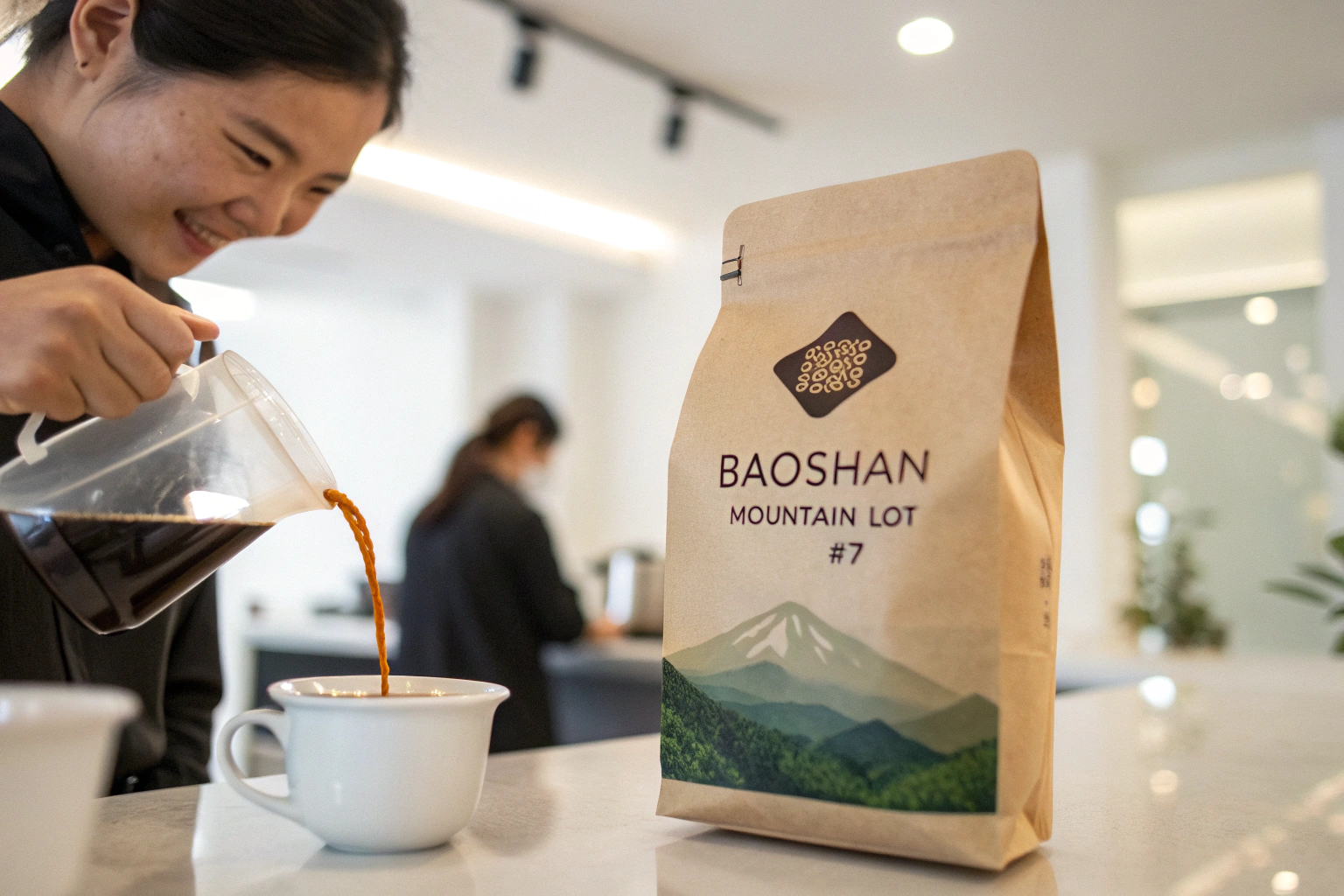
You see "single estate" on a bag of coffee, and the price is often higher. Is it just a marketing term, or does it deliver real, tangible benefits to the drinker—and to you as a business buyer? In a market flooded with blends, the story of a single estate is compelling, but it must be backed by substance.
The core benefits of drinking single estate coffee are traceability to a specific farm or micro-region, a unique and pure flavor profile expressing distinct terroir, and often, a more direct and ethical connection to the growers. For a roaster or brand, these benefits translate into a powerful story, product differentiation, and the ability to command a premium price in competitive markets like North America and Europe.
Let me put it this way. When you drink one of our Baoshan single estate lots, you're not just tasting "Yunnan coffee." You're tasting the specific soil, altitude, and microclimate of one of our mountain plots. That specificity is what modern consumers are starting to seek out, much like in the wine world. It’s an experience, not just a caffeine source.
How Does Single Estate Coffee Offer Unmatched Traceability?
In an era where consumers ask "where does my food come from?", single estate coffee provides the clearest answer possible. This isn't just a country of origin; it's a specific address.
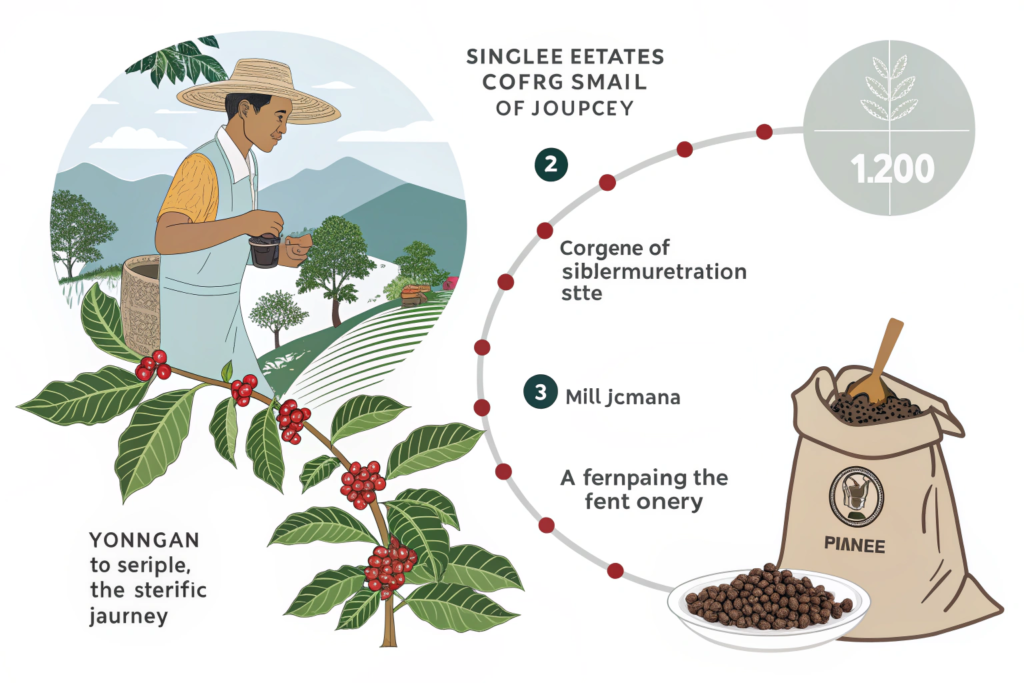
Single estate coffee offers complete traceability from the cup back to a single farm or a defined plot within a larger plantation. This means every step—harvesting, processing, drying—happens under one management's control, creating a transparent and accountable chain. For a buyer concerned about quality control and ethical sourcing, this is a major advantage. You can know your product's journey.
For us at Shanghai Fumao, with our 10,000+ acres, we designate specific "estate lots" from defined high-altitude sectors. When you buy our Lot from the western slope, we can show you photos, harvest dates, and processing logs. This level of detail builds incredible trust. It directly answers the sourcing key points of quality control and certification for buyers like Ron.
Why Is Traceability a Key Quality Assurance Tool?
Traceability is your best defense against quality inconsistency. If a problem arises—say, an off-flavor in a batch—you can trace it back to the exact day of processing, the drying patio used, or even the picking team. This allows for precise corrective action, something impossible with a bulk blend sourced from multiple anonymous farms. It turns quality control from a reactive headache into a manageable, proactive system. For importers into strict markets, this documented trail is also invaluable for complying with food safety regulations and managing supply chain risks.
How Does Traceability Support Marketing and Consumer Trust?
Today's consumer buys stories as much as products. "Sourced from a family-owned estate in Yunnan's Gaoligong Mountains" is a powerful narrative. It allows you to share the story of the land, the growers, and the craft. This builds an emotional connection that fosters brand loyalty and justifies a premium. On packaging and marketing materials, you can feature the estate name, the farmer's story, and photos. This authenticity is a powerful tool in crowded marketplaces like specialty grocery stores and third-wave cafés. It's no longer just "Arabica"; it's an origin experience.
What Unique Flavor Profiles Does Single Estate Coffee Provide?
This is where the rubber meets the road. The promised benefit must deliver in the cup. Single estate coffees are the pure, unblended voice of a specific place.
Single estate coffee provides a distinct, unblended flavor profile that directly reflects its unique "terroir"—the combination of soil, altitude, climate, and cultivation practices of one location. Without blending with beans from other farms, these inherent characteristics shine through with clarity and complexity. You taste the place, not a processor's recipe.
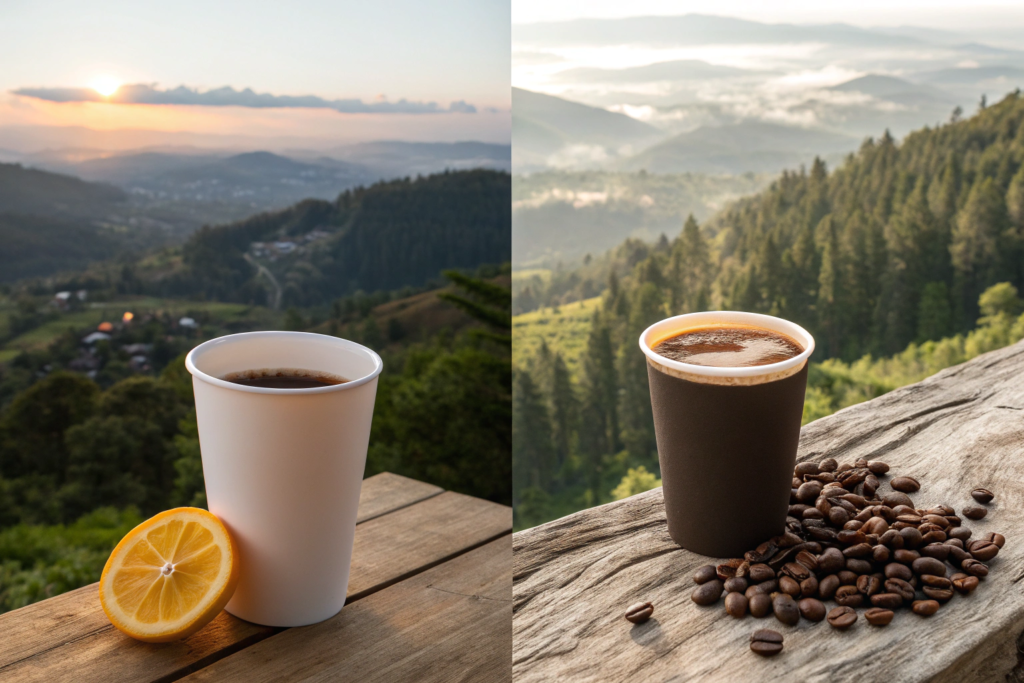
Consider this: we have two estate plots just a few kilometers apart in Baoshan. One, on volcanic soil at 1600m, produces a coffee with bright citrus notes and a tea-like body. The other, on clay-loam at 1400m, yields a cup with deeper chocolate tones and a heavier, syrupy mouthfeel. Blending them would create a pleasant, balanced cup. But keeping them separate offers two unique, standout products for your portfolio.
How Does Terroir Influence Taste So Dramatically?
Terroir is the fingerprint of the land. Altitude affects bean density and acidity. Soil composition influences mineral uptake. The specific amount of sun and shade changes how sugars develop in the cherry. A single estate controls these variables within its boundaries, creating a consistent environmental "recipe" each year. This allows connoisseurs and casual drinkers alike to explore flavor nuances the way one explores wine appellations. It elevates coffee from a commodity to a craft beverage. For a roaster, this provides a fantastic canvas to showcase your roasting skill, as you're highlighting a specific, inherent flavor rather than creating one through blending.
Why is Purity of Flavor Appealing to Discerning Consumers?
Many coffee drinkers are on a journey of discovery. They move from generic blends to seeking out specific taste experiences—a floral Ethiopian Yirgacheffe, a winey Kenyan, a nutty Brazilian. Single estate coffees from emerging origins like China cater directly to this explorer mentality. They offer a new, pure flavor story. This purity is also prized by brewers using methods like pour-over or siphon, which are designed to extract and highlight subtle, nuanced flavors that can be masked in a blend. Offering a single estate option caters to this growing, engaged segment of the market that values specialty coffee experiences.
How Does Single Estate Coffee Support Ethical and Sustainable Practices?
The "single estate" model often goes hand-in-hand with more responsible farming. Why? Because visibility encourages accountability, and focused management allows for deeper investment.
Single estate coffee often supports more ethical and sustainable practices through direct relationships, long-term investment in land health, and transparent premium sharing. When a farm's name is on the bag, its reputation is directly tied to its social and environmental conduct. This creates a powerful incentive to do things right.
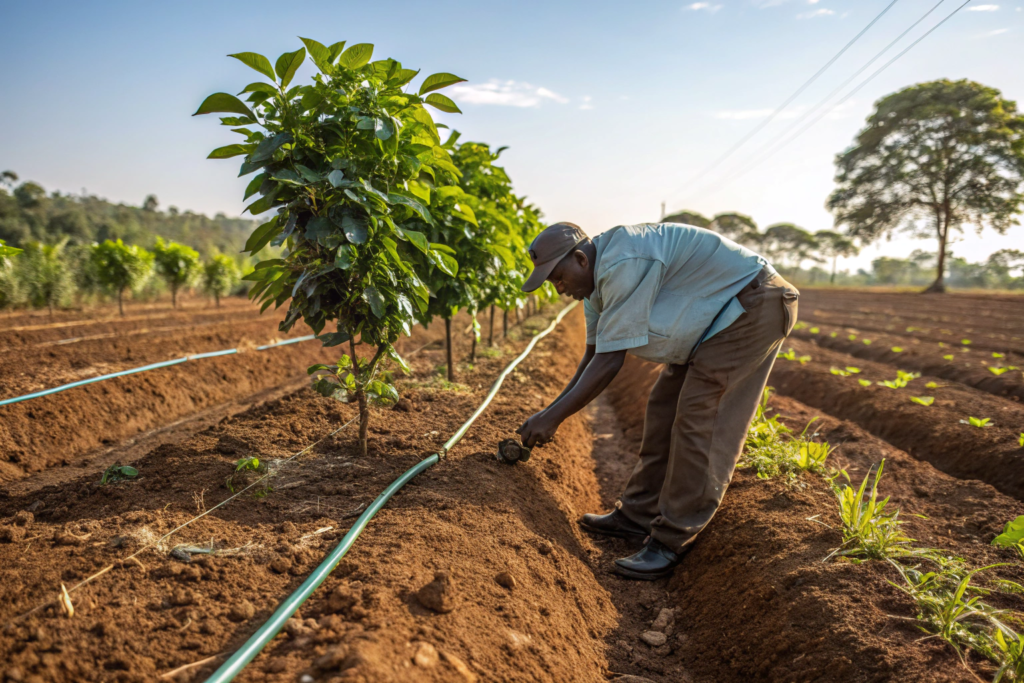
On our estates, we're not just growing coffee; we're stewarding the land for the long term. Because we own the land, we invest in soil health, water conservation systems, and shade trees. This isn't altruism—it's essential for the consistent quality and yield of our named estate lots year after year. It's a business model based on permanence, not extraction.
What Does a Direct Relationship Mean for Farmers and Buyers?
For a single estate, the supply chain is shorter. There may be no middlemen aggregating beans from hundreds of smallholders. This means a larger portion of the premium you pay can go directly to the estate for reinvestment in quality improvements, farmer training, and community projects. For you, the buyer, it means you can often communicate directly with the farm's management, discussing processing preferences or harvest timing for future lots. This partnership model, as practiced by Shanghai Fumao, builds resilience and quality into the supply chain. It directly addresses modern buyers' desires for ethical sourcing and authentic stories.
How Are Sustainable Practices Inherently Linked to Single Estates?
Sustainability is about planning for the next harvest, and the next decade. A single estate manager, with a long-term stake in the land, is more likely to implement practices like organic fertilization, integrated pest management, and water recycling. They can track the impact of these practices on their specific soil and crop quality. Furthermore, the premium from single estate sales provides the financial means to make these often costly investments. This creates a virtuous cycle: better practices lead to better quality coffee, which commands a higher price, which funds more sustainable practices. It's a model that ensures the future of the crop and the community.
Is Single Estate Coffee Worth the Premium Price for Businesses?
The big question for any buyer: does the higher cost translate into a viable business opportunity? The answer depends on your market positioning, but the potential is significant.
Yes, single estate coffee is worth the premium for businesses targeting the specialty market, as it enables powerful branding, commands higher retail prices, and builds customer loyalty through unique offerings. It's a strategic product for differentiation, not a commodity for competing on price alone. You're selling an experience and a story, not just a bulk ingredient.
Think about your own customers. Some want a reliable, everyday blend—that's your volume driver. But others are enthusiasts, gift buyers, or cafes looking for a "featured pour-over" to attract connoisseurs. For this segment, price sensitivity is lower, and the desire for something special is higher. A single estate coffee perfectly fills this niche.
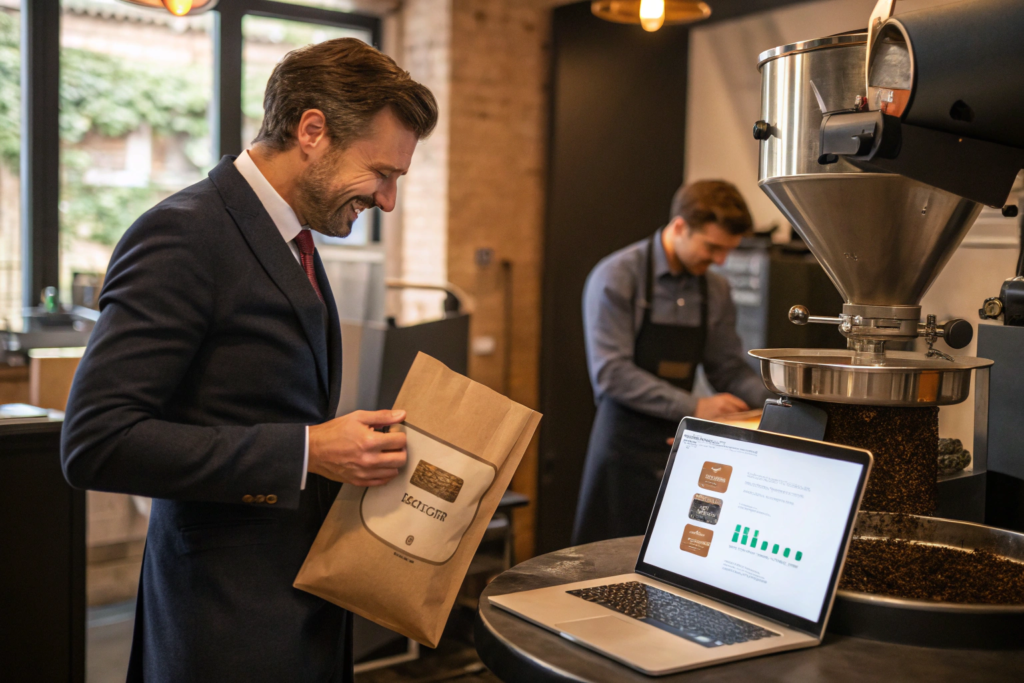
How Can a Business Effectively Market Single Estate Coffee?
Marketing hinges on the story. You market the specificity. Use the estate name prominently. Share the backstory: the altitude, the family history, the processing method. Offer tasting notes that describe the unique profile. Consider limited releases from specific harvests to create scarcity and urgency. For café owners, training baristas to tell this story at the counter is crucial. The narrative justifies the price and turns a transaction into an educational moment. This approach builds a brand known for quality and expertise, attracting a dedicated customer base willing to pay more.
What Are the Sourcing and Inventory Considerations?
It's important to be realistic. Single estate coffees are finite. A single plot produces a limited quantity each year. This means your supply is less flexible than with a broad regional blend. It requires closer communication with your supplier for crop forecasts and advance planning. However, this limitation is also a strength—it ensures exclusivity. At Shanghai Fumao, we work with business clients to reserve lots ahead of the harvest, ensuring their supply for the season. This planned partnership model reduces uncertainty for both parties. Yes, it requires more management, but the rewards in margin and brand equity are substantial. It's the opposite of the inefficient, spot-market pricing that causes pain for buyers like Ron.
Conclusion
The benefits of single estate coffee are clear and multi-layered. For the drinker, it offers a journey of taste and traceability—a pure, unblended expression of a specific place. For the business buyer, it provides a powerful tool for differentiation, allowing you to build a premium brand narrative, command higher prices, and foster deep customer loyalty based on quality and ethics.
It represents a shift from coffee as a anonymous commodity to coffee as a sourced, storied craft product. This aligns perfectly with growing global trends in conscientious consumption.
If you are looking to elevate your coffee offering with unique, traceable, and premium Yunnan single estate lots, we have carefully designated micro-lots from our Baoshan plantations ready for discovery. To request samples and discuss how our single estate coffees can become a signature part of your portfolio, contact our Sales Director, Cathy Cai. She can provide detailed profiles and sourcing plans. Email Cathy at cathy@beanofcoffee.com. Let's explore the taste of a specific place, together.