You see single-origin coffees celebrated everywhere, lauded for their purity and unique story. So why would a savvy roaster or cafe owner choose to blend two distinct origins together? Isn't that just diluting character? In reality, a thoughtfully crafted dual-origin blend isn't a compromise—it's a strategic tool. It's like an expert chef combining ingredients to create a dish greater than the sum of its parts. For businesses targeting consistency, versatility, and broad appeal, a well-designed two-bean blend offers distinct advantages that a single origin often cannot match.
The core benefits of a dual-origin coffee blend revolve around flavor engineering, cost and supply stability, and optimized performance for specific brewing methods—especially espresso. By strategically pairing two complementary beans, a roaster can create a balanced, complex, and consistent flavor profile that mitigates the inherent variability of single-origin harvests, manages ingredient costs, and delivers a cup that performs reliably under commercial pressure. For the end consumer, this translates to a delicious, dependable, and often more accessible coffee experience.
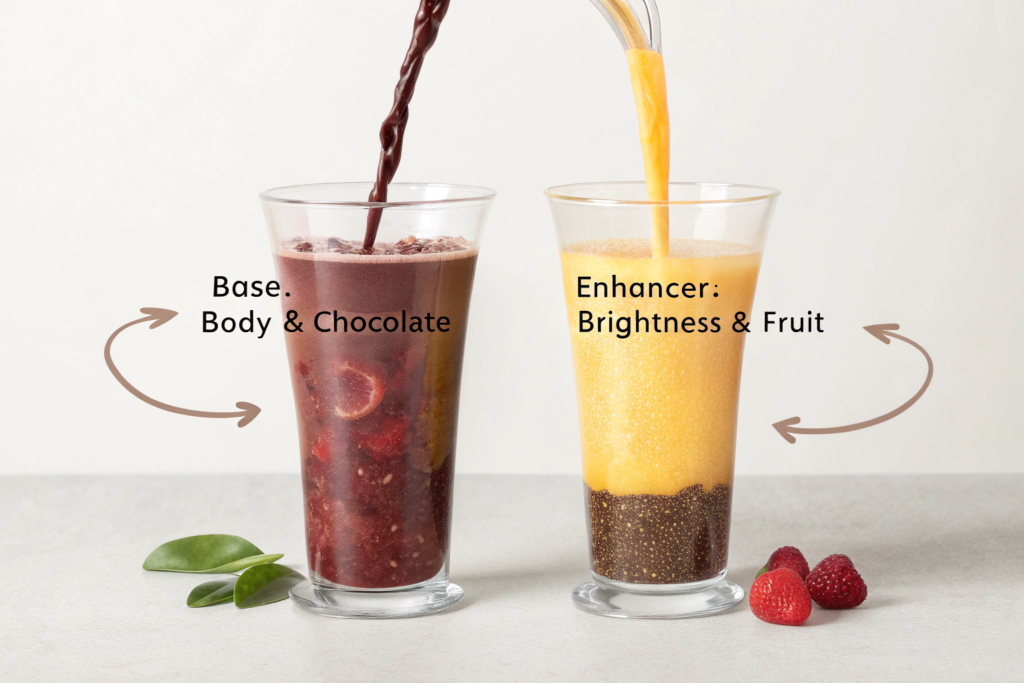
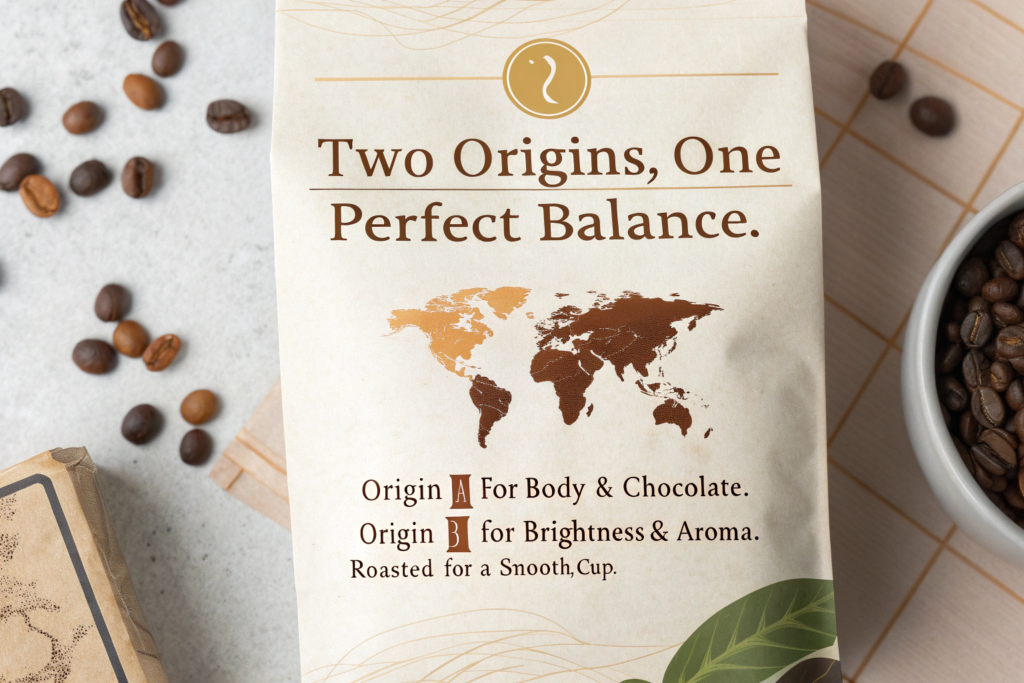
Think of it as building a team. Each origin brings a specific strength. One provides the foundational body and chocolate notes, the other brings brightness and aromatic complexity. Together, they cover each other's weaknesses and create a harmonious, resilient whole. Let's explore how this plays out in real-world roasting and business.
How Do Dual-Origin Blends Achieve Superior Flavor Balance?
A single-origin coffee is a snapshot of one place and time. It can be brilliant, but it can also be one-dimensional or have pronounced characteristics that some find challenging (e.g., very high acidity, intense ferment notes). Blending allows a roaster to be a composer, balancing flavor attributes to create a specific, targeted taste experience.
The magic lies in complementary pairing. A classic and powerful dual-origin structure is:
- Base Bean (60-80%): Typically a coffee with full body, low-to-medium acidity, and foundational flavors of chocolate, nuts, or caramel. This bean provides the "weight" and creamy mouthfeel of the cup. Our Yunnan Catimor or some Brazilian Santos are perfect examples, offering reliable, sweet, and sturdy foundations.
- Enhancer Bean (20-40%): This is a coffee with a distinctive character—brighter acidity, fruity or floral notes, or winey complexity. Its role is to "lift" the blend, adding sparkle, aromatic intrigue, and length to the finish. A washed Ethiopian Yirgacheffe or a Kenyan AA often plays this role beautifully.
The result is a cup that has the satisfying body and sweetness customers love, elevated by a hint of brightness or fruit that makes it more interesting and complex than a monotone single-origin. This balance is inherently more approachable to a wider audience, making it an ideal house blend for cafes.
Can Blending Compensate for a Less Expensive Bean's Shortcomings?
Absolutely. This is a key economic benefit. A high-quality but perhaps less complex (and more affordable) base bean can be transformed by a smaller percentage of a more expensive, spectacular enhancer bean. For instance, blending 80% of our cost-effective, chocolatey Yunnan Arabica with 20% of a vibrant, pricey Ethiopian heirloom creates a blend that tastes far more premium than its weighted average cost would suggest. This allows roasters to offer an exceptional tasting product at a competitive good price, improving margins or value for customers. It's a smart way to utilize excellent but not "show-stopping" single origins.
How Does Blending Affect Acidity and Aftertaste?
Acidity is a major driver of perceived "brightness" and liveliness. In a single-origin, it can be overwhelming. In a blend, you can calibrate acidity to a precise level. Using a low-acid base, you can dial in the exact amount of brightness by adjusting the percentage of the high-acid enhancer. Furthermore, a clean, sweet base can shorten or "clean up" the sometimes-drying aftertaste of a very acidic coffee, leading to a more pleasant, lingering finish. This level of control is impossible with a single bean.
How Do Blends Provide Unmatched Supply and Price Stability?
This is the most critical business benefit for commercial roasters and cafes. A single-origin coffee is tied to one harvest from one region. When that crop is gone, it's gone. The next harvest may taste different due to weather variations. This creates a constant cycle of menu changes, retraining staff, and re-educating customers.
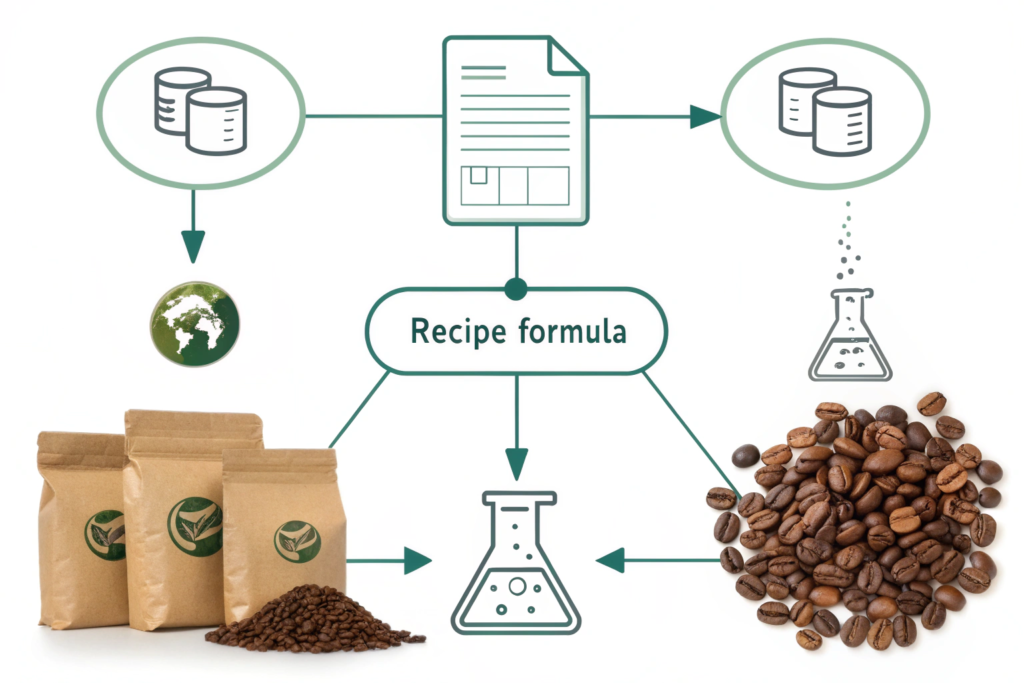
A dual-origin blend acts as a buffer against volatility. The roaster's recipe is defined by flavor profile, not fixed geographic components. If a Brazilian crop is delayed or has a quality issue, a roaster can substitute a similar bean from another origin (e.g., a Colombian or our Yunnan lot) that provides the same foundational body and nutty sweetness. As long as the enhancer bean's character remains consistent, the overall blend flavor can be maintained. This supply chain flexibility is a cornerstone of a stable and reliable business model. It allows for forward contracting and protects against the price spikes of a single commodity market. For a brand like yours, Shanghai Fumao, offering beans ideal for blending provides clients with a dependable, year-round base component.
How Does This Impact a Cafe's Operational Consistency?
For a cafe, consistency is king. Customers return for the same great-tasting latte every Tuesday. A house blend whose flavor profile remains constant year-round is a priceless asset. It means:
- Baristas dial in the grinder once and make minor seasonal adjustments, rather than relearning a new coffee every few months.
- Inventory management is simplified with fewer SKUs.
- Marketing materials (menus, descriptions) don't need constant updating.
- Customer trust is built on a product that never lets them down.
A dual-origin blend, managed by a skilled roaster, is the engine of this operational consistency. It's the workhorse that drives daily revenue.
Can Blending Help Manage Cost Fluctuations?
Yes, proactively. By having a blend formula, a roaster can continuously seek the best-value components that fit the flavor role. If the price of a traditional Central American base bean rises, they might trial a competitively priced Asian coffee like ours as a substitute. This agility in sourcing, enabled by the blend structure, provides a direct tool for cost control and maintaining profit margins without sacrificing final cup quality. It turns coffee sourcing into a strategic procurement exercise.
Why Are Dual-Origin Blends Ideal for Espresso?
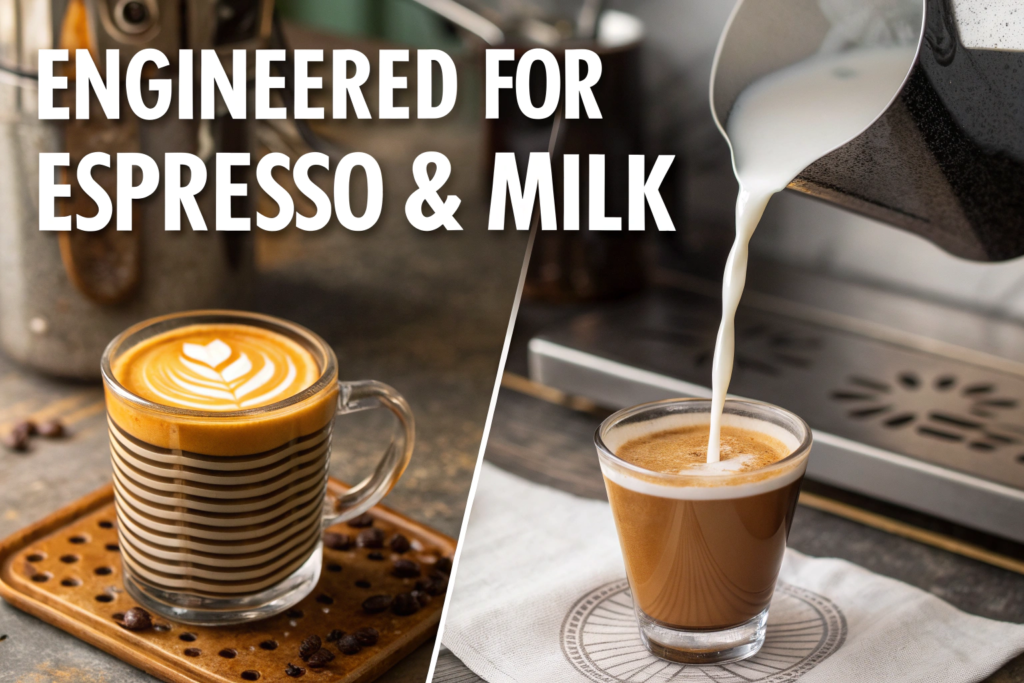
Espresso is a demanding, high-pressure extraction method that amplifies both the virtues and flaws of a coffee. A single-origin espresso can be stunning, but it can also be finicky, with a narrow "sweet spot" for extraction. Dual-origin blends are practically engineered for espresso's needs.
The reasons are technical:
- Optimized Solubility: Espresso requires beans to extract quickly and evenly. A base bean roasted for body might have lower solubility. Blending it with a more soluble, denser enhancer bean (often a high-altitude African) creates an overall bean mass with more balanced extraction properties, reducing the risk of sourness or bitterness.
- Enhanced Crema and Mouthfeel: The oils and soluble solids from a nutty, chocolatey base bean contribute to a stable, creamy crema and a rich mouthfeel that stands up to milk. The blend ensures this body is always present.
- Flavor Durability Through Milk: Over 70% of espresso drinks include milk. A blend's balanced sweetness and pronounced foundational flavors (chocolate, caramel) are designed to cut through and complement steamed milk, creating a harmonious cappuccino or latte. A very fruity single-origin can often taste sour or thin when mixed with milk.
For cafes, an espresso blend is not just a product; it's the core of their beverage program. A reliable dual-origin blend ensures that every drink that leaves the bar is delicious and consistent.
How is Roast Profile Simplified for a Blend?
When two beans are blended before roasting (a "pre-blend"), they season together in the roaster. The roaster can develop a single, optimized profile that brings out the best in both components. This is often simpler than roasting two single origins separately to different profiles and then blending them post-roast (a "post-blend"). The pre-blend method allows for a more integrated flavor and streamlines production, which is crucial for efficiency at scale.
What is a Classic Example of a Winning Dual-Origin Espresso Blend?
A timeless and beloved structure is the "Brazil + Ethiopia" blend.
- Brazil (Base): Provides low acidity, big body, and clear notes of chocolate, nuts, and brown sugar. It's the comforting, sweet foundation.
- Ethiopia (Enhancer): Contributes bright, floral aromatics, citrus or stone fruit acidity, and a complex, tea-like finish. It adds the "sparkle."
This combination delivers everything you want in an espresso: thick crema, a sweet and chocolaty core, and a lively, fragrant finish that keeps it interesting. It's a blueprint for success that many roasters adapt using beans from similar profiles, such as using our Baoshan Arabica as a cost-stable Asian alternative to a Brazilian base.
How to Communicate the Value of a Blend to Customers?
In an era obsessed with single-origin storytelling, you must actively frame the blend's narrative. The story shifts from "place" to "purpose" and "craft."
Instead of just listing origins, communicate the intention behind the blend. Use descriptive, benefit-oriented language:
- "Our House Blend: Crafted for balance and versatility. A chocolatey, full-bodied base from Yunnan is brightened by a touch of Ethiopian citrus, creating an espresso that's both rich and lively. Perfect straight or with milk."
- "Seasonal Stability Blend: We blend two complementary origins to ensure the consistent, smooth flavor you love, year-round."
Highlight the skill involved. The roaster is not just a heat applier but a master blender, a curator of taste. For the consumer, the value proposition is clear: you are guaranteeing them a delicious, reliable, and expertly crafted experience every time.
Should You Reveal the Specific Origins in the Blend?
Transparency builds trust. Yes, you should name the origins (e.g., "Yunnan, China & Sidamo, Ethiopia"). This maintains a connection to the farm story while educating the customer about the art of blending. It also differentiates your blend from anonymous commercial blends. You can explain why those particular origins were chosen: "We selected Yunnan for its creamy body and chocolate notes, and Sidamo for its vibrant berry acidity to create this unique harmony."
How Does a Blend Simplify the Customer's Choice?
In a cafe or on a website with many options, a well-presented house blend acts as a trusted default. It answers the question, "What do you recommend?" or "What's your best all-around coffee?" It reduces decision fatigue for the customer and streamlines service. By positioning your dual-origin blend as the flagship, balanced option, you guide customers toward a satisfying choice that showcases your roasting philosophy at its best.
Conclusion
Dual-origin coffee blends are a powerful synthesis of art, science, and business strategy. They offer roasters and cafes a tool to craft specific, crowd-pleasing flavors, achieve remarkable supply chain and cost stability, and optimize coffee for the rigors of commercial espresso service. While single-origins celebrate the unique voice of a terroir, blends demonstrate the roaster's skill in composing a harmonious and enduring chorus.
For businesses focused on delivering consistent quality, value, and customer satisfaction at scale, a well-designed dual-origin blend is not a secondary option—it is often the strategic foundation of the entire product line.
If you are looking to develop a signature, market-leading blend and seek a reliable, high-quality base component, our Yunnan coffees are an ideal foundation. At BeanofCoffee, we provide the consistent, traceable, and flavorful beans that master blenders depend on.
To discuss sample blending components or to collaborate on developing a custom blend profile for your market, please contact our head of sales and product development, Cathy Cai. She can connect you with our roasting experts. Reach her at cathy@beanofcoffee.com. Let's blend success together.