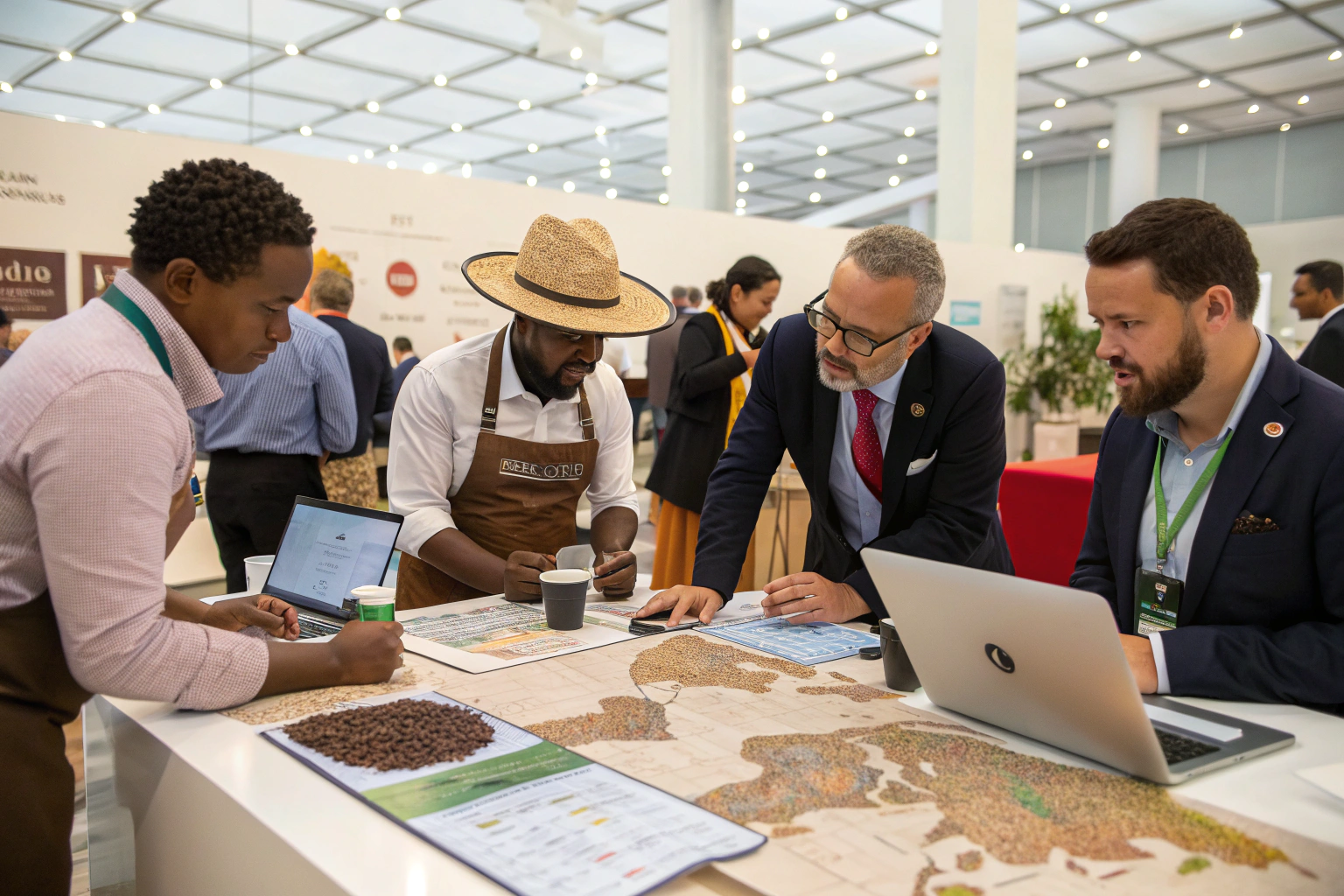
Ever feel like you're navigating the massive, complex world of coffee all alone? You're trying to keep up with new regulations, find trustworthy partners, and understand market trends, and it feels like you're on a small raft in a huge ocean. I've been there. When we were first scaling up our operations at Shanghai Fumao, the global market seemed intimidating. There's a constant fear of being left behind, of missing out on critical information or connections that could make or break your business.
Joining a coffee association provides direct access to a powerful network of industry peers, cutting-edge research and education, and a unified voice for advocacy on critical issues like tariffs and trade policy. It transforms you from an isolated operator into part of a credible, influential community, which directly addresses the buyer's need for trustworthy, knowledgeable, and well-connected suppliers. It’s the single best way to plug into the global coffee conversation and accelerate your business's growth and credibility.
For us, becoming active members of various coffee associations wasn't just about adding a logo to our website. It was a strategic decision to invest in our own expertise and build a bridge of trust to buyers like Ron in the US and partners across Europe. It’s how we ensure we’re not just reacting to the market, but helping to shape it. Let's break down the tangible benefits that these memberships bring, not just to us, but to our clients.
How Do Associations Foster Networking?
The coffee industry, for all its global scale, is built on personal relationships. You can have the best beans in the world, but if you don't know the right people, your business will hit a ceiling. This is a major source of anxiety for many exporters and importers alike. How do you find reliable partners? How do you get your foot in the door with major distributors? Trying to do this alone through cold calls and emails is inefficient and often frustrating.
A coffee association acts as a super-connector. It brings together the entire supply chain—farmers, exporters, importers, roasters, and retailers—under one roof. Through trade shows, online forums, and member directories, these organizations create a trusted ecosystem for networking. When you meet someone at an association event, there's an immediate baseline of credibility. You know they are a serious professional who has also invested in being part of the industry's leading community.
This directly solves a key pain point for buyers: finding reliable suppliers. When a buyer like Ron sees that we are active members of a major association, it acts as a powerful, third-party endorsement. It tells him we are a vetted, engaged, and connected player in the international market. It’s not just about who we know; it’s about the quality of the company we keep.
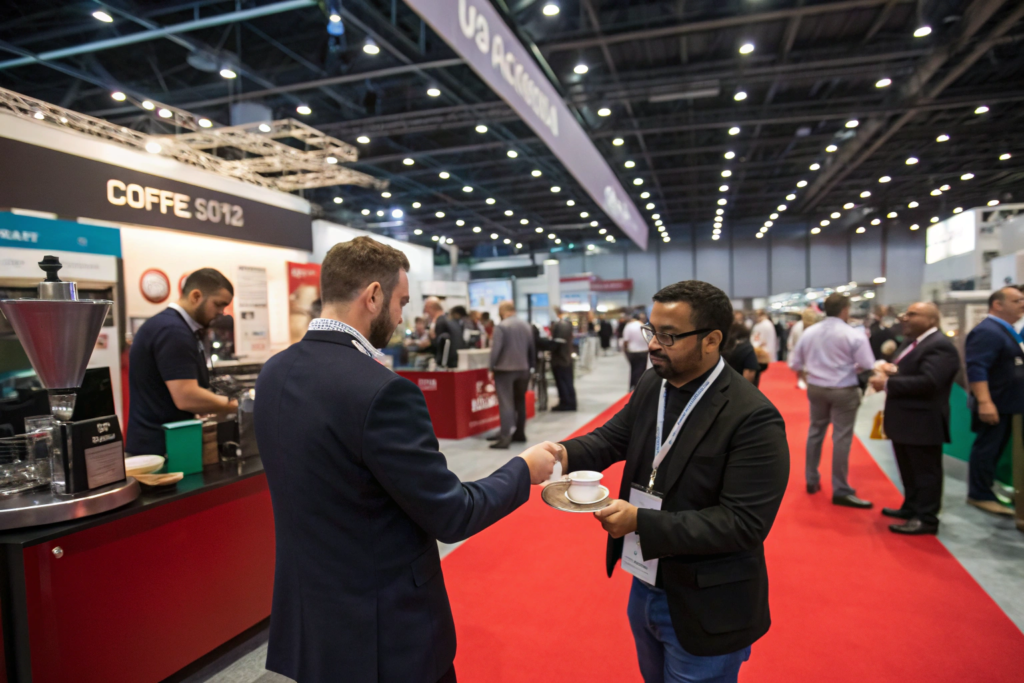
Are Trade Shows the Main Benefit?
Trade shows, like the annual expo hosted by the Specialty Coffee Association (SCA), are arguably the most visible and high-impact networking benefit. These events are the heartbeat of the industry. They are where new products are launched, major deals are struck, and year-long relationships begin with a simple handshake. For us, it's a chance to meet face-to-face with dozens of potential buyers, offer them a cup of our Yunnan coffee, and have meaningful conversations. For a buyer, it's an incredibly efficient way to meet a multitude of suppliers, compare offerings, and gauge the professionalism of potential partners. It's a far more effective way to find suppliers than just scrolling through Alibaba.
What About Digital Networking?
In today's world, networking isn't limited to physical events. Most modern coffee associations offer robust digital platforms. These can include:
- Member-only forums: Where you can ask questions and share insights with peers from around the world.
- Online directories: A searchable database of members, making it easy to find a specific type of partner (e.g., a logistics expert in the US or a packaging supplier in Europe).
- Webinars and virtual events: These provide continuous opportunities for connection and learning, regardless of your location.
These digital tools ensure that the networking benefits continue year-round, helping you build and maintain relationships that are vital for a smooth and reliable supply chain.
What Kind of Education is Offered?
The world of coffee is constantly evolving. New processing techniques, sustainability practices, and consumer trends emerge every year. If you're standing still, you're falling behind. This is a huge point of stress. How do you ensure your team's skills are up to date? How do you prove to a discerning buyer that you truly are an expert in your field?
Coffee associations are the leading source of industry-specific education and research. They offer everything from foundational courses to advanced professional certifications. This includes programs for Q Graders (coffee tasters), roasters, baristas, and even coffee traders. By participating in this education, we at Shanghai Fumao don't just improve our own operations; we adopt a shared global language of quality.
This commitment to education is a powerful signal to buyers. It shows that we are invested in professional development and adhere to the highest industry standards. When a buyer knows our team includes certified professionals, it gives them immense confidence in our ability to control quality and deliver a consistent, high-grade product. It addresses their core need for a knowledgeable and reliable supplier.
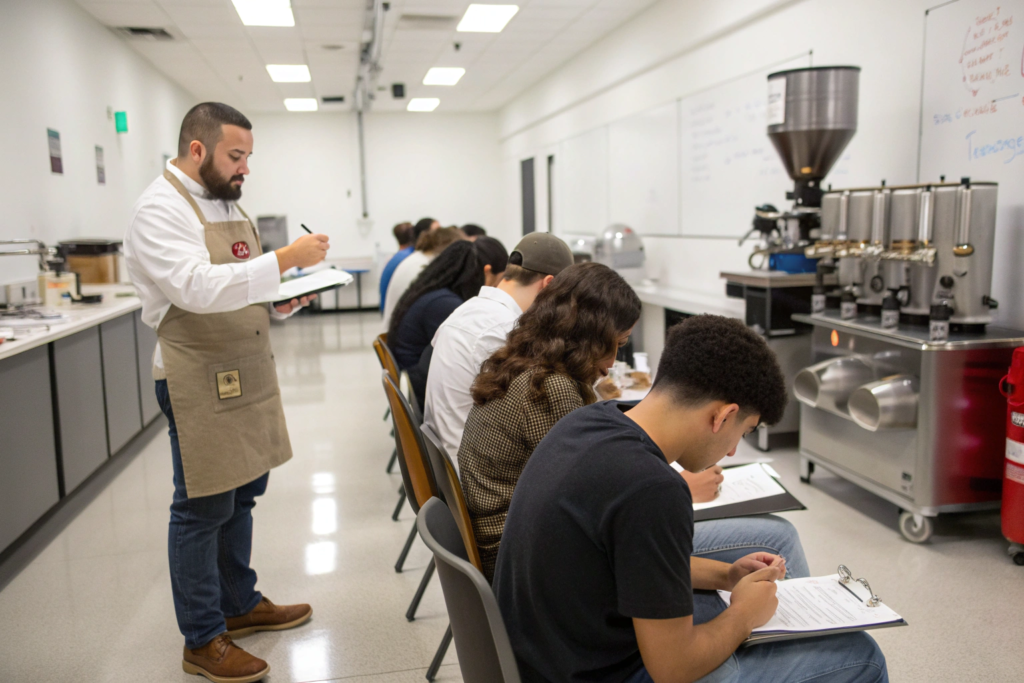
What Are Q Grader Certifications?
The Q Grader program, managed by the Coffee Quality Institute (CQI), is one of the most respected certifications in the industry. A certified Q Grader is a professional who has been trained and tested to cup, grade, and evaluate coffee according to the SCA's internationally recognized standards. Having Q Graders on our team is non-negotiable. It means we can accurately assess our own crops, ensure consistency, and communicate about quality with buyers using a precise, shared vocabulary. For a buyer, knowing their supplier has certified Q Graders is a guarantee of professional quality control.
How Do Associations Share Market Research?
Top-tier associations invest heavily in collecting and analyzing market data. They publish regular reports on everything from global supply and demand trends to consumer preferences in key markets like North America and Europe. This information is often exclusive to members. Access to this research is invaluable. It helps us make strategic decisions about which varietals to plant, which markets to target, and how to price our coffee competitively. This data-driven approach means we can be a more strategic, informed partner for our clients, helping them navigate the market's complexities. This kind of market intelligence is a significant competitive advantage.
How Do Associations Influence Policy?
As a single coffee exporter in Yunnan, my voice is small. If a new shipping regulation is proposed or a destination country considers a new tariff, it could have a devastating impact on my business, and I would have little power to stop it. This feeling of powerlessness against large-scale political and economic forces is a major source of anxiety for business owners everywhere.
This is where the collective power of an association becomes indispensable. These organizations act as a unified voice for the entire industry, advocating on our behalf to governments and international regulatory bodies. They lobby for fair trade policies, work to simplify customs procedures, and fight against unfavorable tariffs. By pooling resources and influence, they can achieve what no single company could ever hope to accomplish on its own.
For a buyer like Ron, this is incredibly important. He is deeply concerned about tariff costs, shipping schedules, and the overall stability of his supply chain. When his supplier is part of an association that is actively working to protect the industry's interests, it adds a layer of security and predictability to his business. It means his partner is part of a group that is proactively tackling the very issues that cause him the most stress.
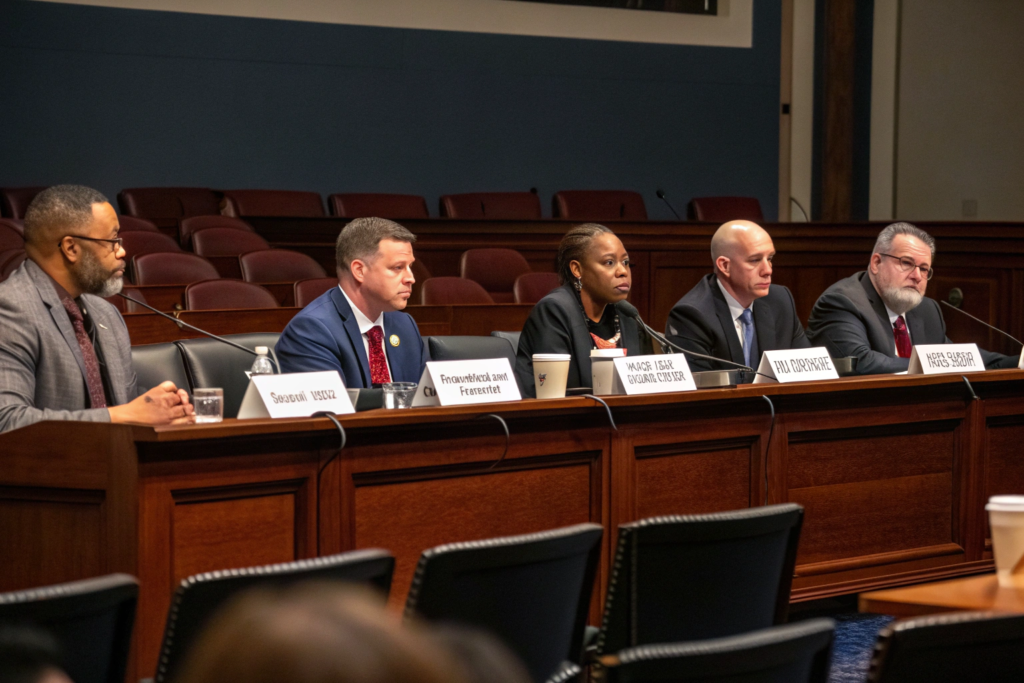
What Is an Example of Advocacy?
A classic example is the work associations do around international trade agreements. When two countries are negotiating a trade deal, coffee associations will lobby to ensure coffee is treated favorably, with low or zero tariffs. They provide data to policymakers on the economic importance of the coffee trade and the impact that tariffs would have on everyone from farmers to consumers. This work, often done behind the scenes, is crucial for maintaining the financial viability of exporting and importing coffee. It directly impacts the final price a buyer pays.
How Does This Benefit Buyers Directly?
The advocacy work of associations creates a more stable and predictable trading environment. By fighting for lower tariffs, they help keep costs down. By working with customs agencies to streamline procedures, they help prevent shipping delays. By promoting standardized contracts and ethical practices, they reduce the risk of disputes. All of this contributes directly to mitigating a buyer's biggest pain points: unpredictable costs, uncertain timeliness, and the risk of unreliable partners. A stable industry, fostered by strong associations, is a safer and more profitable industry for everyone, including the end consumer.
Conclusion
In the interconnected world of global coffee, going it alone is not a viable strategy. Joining a coffee association is a fundamental investment in credibility, knowledge, and influence. The benefits extend far beyond a membership certificate; they translate into powerful networks, world-class education, and a protected, stable trading environment. It’s how a dedicated producer from Yunnan can become a trusted, respected partner on the world stage. It’s about building a business that is resilient, informed, and deeply connected to the industry it serves.
Our participation in these communities is a core part of our promise to you. It’s one of the many ways we at BeanofCoffee work to be the most reliable, knowledgeable, and trustworthy partner you can find. We don’t just follow the standards; we help to set them.
If you are looking for a supplier who is as invested in the global coffee community as they are in the quality of their own beans, we should talk. Please contact Cathy Cai at cathy@beanofcoffee.com to learn more and request a sample from a partner who is truly plugged in.