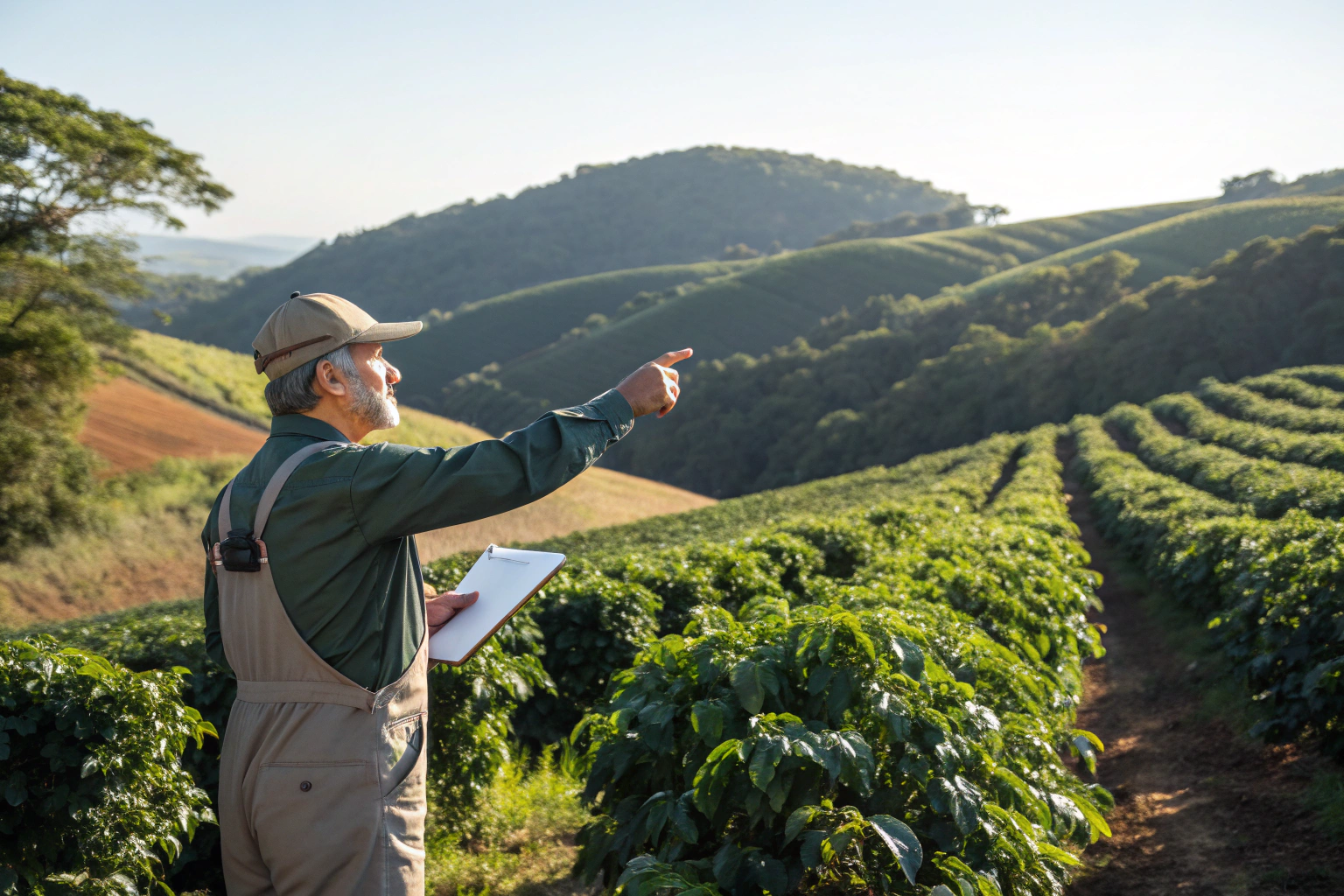
You’re blending your signature espresso. Batch #1 tastes bold and chocolatey. Batch #2, using beans from a different farm, brings a sour note. Now you spend hours recalibrating your grinder and recipe. Frustrating, right? This variability is the daily reality for buyers sourcing from large, blended lots. But what if every bag you opened had the exact same flavor profile, season after season? That’s the promise—and power—of single-estate sourcing.
Sourcing from a single estate provides unparalleled traceability, flavor consistency, and quality control. It means your coffee comes from one defined farm or micro-region, not a blend from multiple anonymous farms. The core benefits are: complete supply chain transparency, distinct and repeatable cup characteristics, direct relationship with the grower, and the ability to tell a compelling origin story. For roasters and brands, this translates to fewer production variables, higher product integrity, and a stronger market position.
Yet, “single estate” isn't a magic wand. It comes with its own challenges, like yield limitations and climate risk. So, is it the right strategy for your business? Let’s look beyond the label and examine the real, tangible advantages from a commercial buyer’s perspective.
How Does Single-Estate Sourcing Guarantee Traceability and Consistency?
Imagine trying to trace a problem with a car made from parts sourced anonymously from 50 different factories. Now imagine the car is built entirely in one factory, with one serial number. That’s the difference between blended coffee and single-estate coffee. Traceability isn't just a buzzword; it’s your first and best defense against quality surprises.
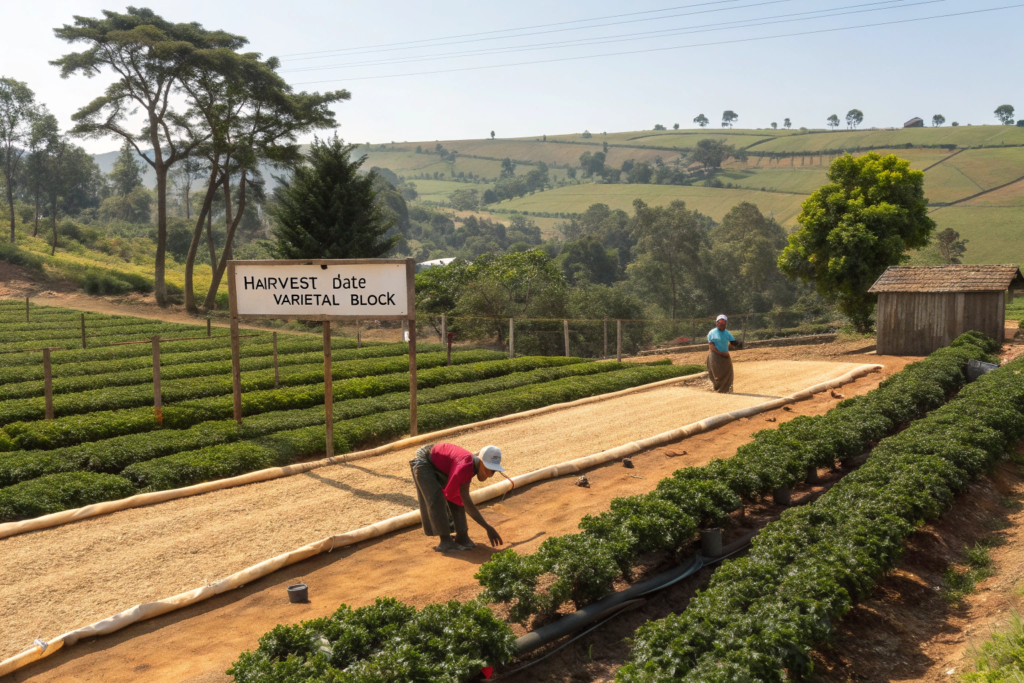
With a single estate, you can trace your coffee back to the exact plot of land, the specific harvest date, and even the varietal block it came from. This level of detail allows for hyper-consistent processing. The cherries are picked, fermented, washed, and dried under one unified set of protocols. The result? When you roast Batch A in January and Batch B in June, they will behave almost identically in the roaster and in the cup. This predictability saves you immense time and cost in production troubleshooting and recipe management.
What documentation should I expect from a single-estate supplier?
You should receive a dossier, not just an invoice. This includes the farm's geographical coordinates, harvest period, processing method details (fermentation time, water source, drying bed type), and lot size. Crucially, you should get a detailed chemical analysis from the supplier or a third party, showing moisture content, density, and screen size. At Shanghai Fumao, for our single-estate Yunnan lots, we provide a "Lot Passport" with all this data, plus photos of the specific terroir. This isn’t just for show—it’s the blueprint for your coffee’s flavor.
How does micro-terroir affect cup profile consistency?
"Terroir" is the unique combination of soil, altitude, climate, and topography. On a single estate, especially a well-managed one, the terroir is uniform. This means every coffee plant experiences the same amount of sun, rain, and mineral nutrition. The cherries ripen at a similar pace. For you, the buyer, this means the flavor notes—whether it’s the black tea nuance of our Baoshan Arabica or the herbal spice of Catimor—are not random. They are a direct, repeatable expression of that place. This allows you to market a specific, reliable taste that becomes your brand’s signature.
What Are the Quality Control Advantages for Professional Buyers?
Quality control with blended coffee is often reactive: you cup the final product and hope for the best. With single-estate sourcing, quality control becomes proactive and integrated. You are essentially buying from one “production line” where every variable is known and managed, giving you a higher degree of certainty before the beans even leave the origin.
The primary advantage is the elimination of the "lowest common denominator" problem. In a blended lot, one subpar batch from one farm can drag down the quality of the entire shipment. With a single estate, the entire lot rises or falls on its own merit. This allows you, and the estate manager, to implement and monitor stringent quality protocols at every stage—from selective picking to precision drying—resulting in a higher percentage of specialty-grade beans and fewer defects.
How does defect rate typically compare between single-estate and blended lots?
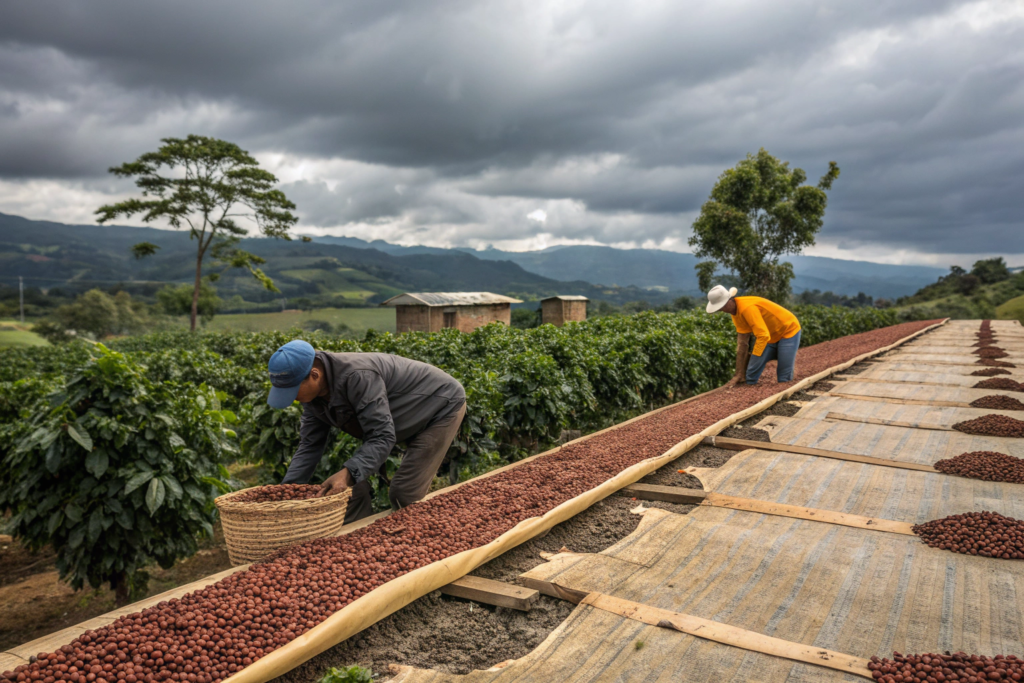
A well-managed single estate often has a significantly lower defect rate. Why? The farming and processing are uniform. There’s no mixing of cherries from a farm that uses rigorous hand-sorting with cherries from a farm that does a rushed job. At our estate, we can target a defect rate below 5% because we control the labor and training on-site. For a blended lot sourced from a cooperative, the defect rate is an average and can be inconsistent. Lower defects mean less waste for you, a cleaner roast, and a purer flavor in the cup.
Can I influence processing methods with a single-estate partnership?
Absolutely. This is one of the biggest benefits. When you have a direct relationship with one estate, you can collaborate on custom processing. Want to experiment with a 72-hour anaerobic fermentation? Or a specific drying time on raised beds? You can request it for the next harvest. This is impossible with a general blend. We do this regularly for our partners at Shanghai Fumao. A buyer might request a certain profile—extra body, more acidity—and we adjust the processing on a dedicated lot for them. It turns you from a passive purchaser into an active co-creator of your product.
How Does Sourcing Strategy Impact Brand Story and Market Positioning?
In a crowded market, your coffee’s story is as important as its taste. Consumers and café clients increasingly want to know where their products come from and who grew them. A single estate provides a clear, authentic, and compelling narrative that generic blends simply cannot match.
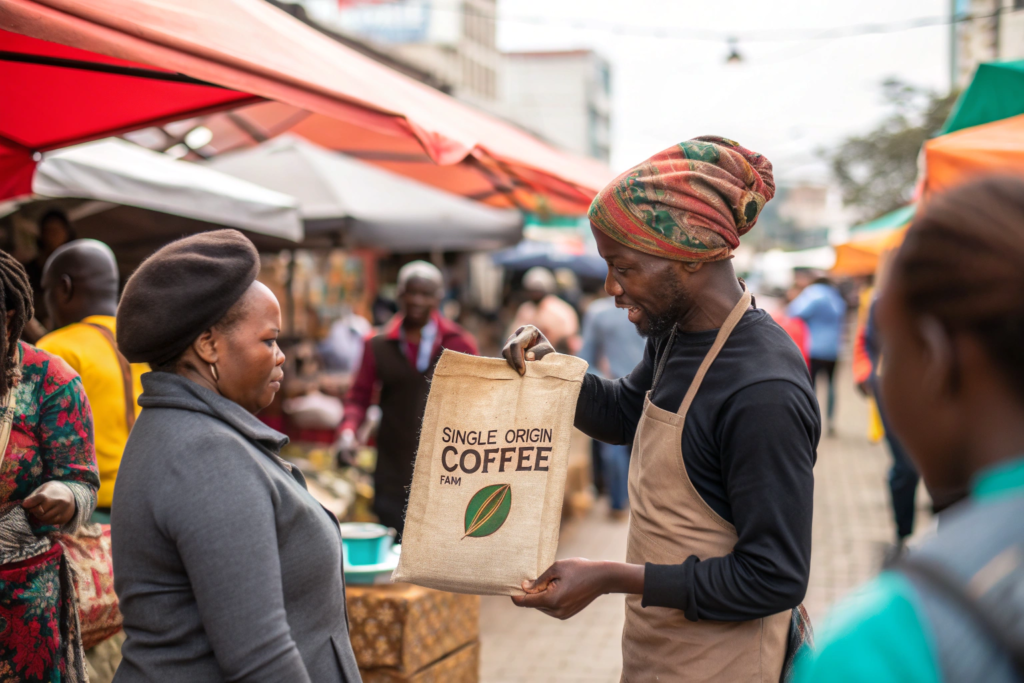
Sourcing from a single estate allows you to build a complete brand story around Place, People, and Process. You can name the farm, share the family history, describe the landscape, and explain the exact journey from cherry to bag. This transparency builds immense trust and allows you to command a premium price. It positions your brand as knowledgeable, ethical, and dedicated to quality, appealing directly to the growing segment of conscious consumers.
What marketing assets can a single-estate supplier provide?
A true single-estate partner should provide rich, authentic content. This includes high-resolution photos and videos of the farm, interviews with the farm manager, and documentation of processing steps. At Shanghai Fumao, we create "Estate Profiles" for our buyers—complete media kits that tell the story of our Yunnan land, our commitment to our workers, and our sustainable practices. You can use this content on your packaging, website, and social media to create a direct emotional connection with your end customers. It’s a turnkey story you can own.
Does this strategy help with building customer loyalty?
Yes, profoundly. When customers connect a specific, beloved flavor with a specific farm story, they form a stronger attachment. They’re not just buying “a Colombian coffee”; they’re buying “La Palma y El Tucán from Cundinamarca.” It creates anticipation for the next harvest. For your business, this means repeat purchases and less price sensitivity. You become a curator of unique experiences, not just a seller of commodities. This loyalty is a powerful buffer against market competition.
What Are the Practical Challenges and How to Mitigate Them?
Single-estate sourcing is not without its hurdles. The very factors that create its benefits—limited geography and production—also introduce risks. The most common challenges are limited annual yield, higher cost per unit, and vulnerability to localized climate events (like frost or drought on that one farm). Acknowledging and planning for these is key to a successful partnership.
The mitigation strategy revolves around long-term contracts, clear communication, and diversification. You secure your supply in advance with a contract, but you might also source from two or three different single estates to spread risk. The higher cost is offset by the added value you can capture through your marketing and the production efficiency gained from consistency.
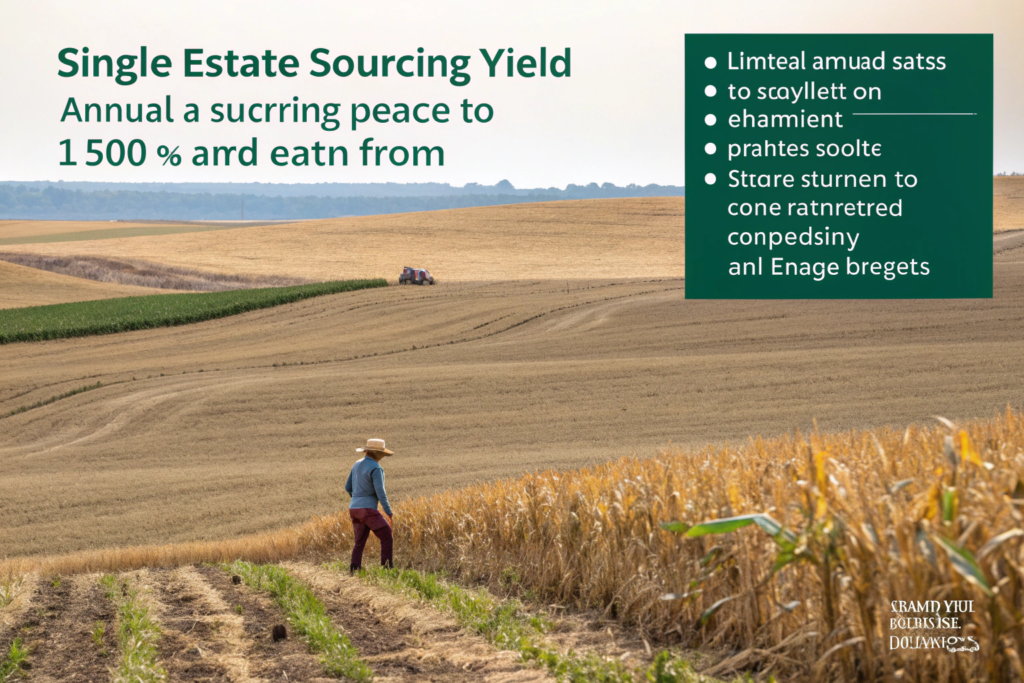
How do I manage supply volatility with a single origin?
The key is forward planning and honest dialogue with your supplier. At the beginning of the harvest cycle, a reputable estate should provide a realistic yield forecast. Based on that, you commit to a volume with a contract. You should also discuss “act of God” clauses for extreme weather. Furthermore, consider your product lineup: use your single-estate coffee for your flagship, core offering, and use more flexible blends for your seasonal or support products. This way, you’re not putting all your eggs in one basket.
Is the price premium justified for my business model?
Ask yourself: Who are my customers? If you are supplying a large chain that prioritizes low cost and absolute consistency of a dark roast blend, the premium might be hard to justify. If you are a specialty roaster, a high-end café, or a brand building a story of authenticity, the premium is not just justified—it’s essential. The premium pays for the traceability, unique flavor, and story that your customers are buying. At Shanghai Fumao, we help clients analyze this by providing a total cost-benefit picture, including the savings from reduced QA time and the potential for higher retail pricing.
Conclusion
Sourcing from a single estate is a strategic decision that goes far beyond buying coffee beans. It is an investment in traceability, a commitment to flavor consistency, and a partnership that enriches your brand story. While it presents challenges in yield and cost, the benefits—unmatched quality control, a compelling market narrative, and the ability to forge a direct link from your customer to a specific piece of land—offer a significant competitive advantage in today’s market.
For buyers who value precision, authenticity, and a reliable supply of distinctive coffee, the single-estate model is profoundly worthwhile. It transforms your role from a commodity purchaser to a story-driven curator.
If you are ready to explore the distinct, consistent profiles of single-estate Yunnan Arabica, Catimor, or Robusta, we can connect you directly with the story of our land. We manage the entire process on our estates, ensuring the quality and traceability you need. To discuss how a single-estate partnership can work for your business, contact our export manager, Cathy Cai, for samples and detailed estate profiles. Reach Cathy at: cathy@beanofcoffee.com.