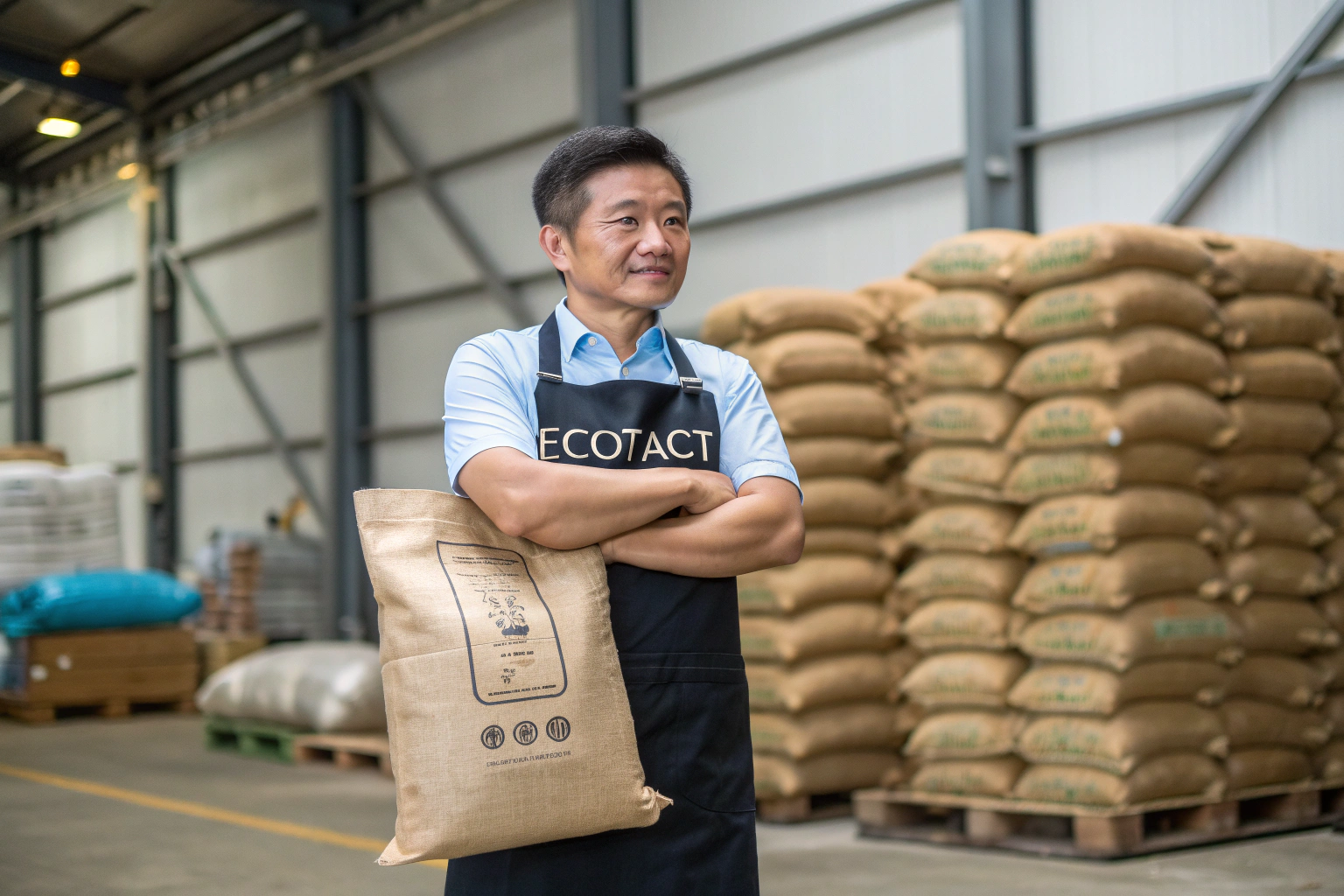
I learned about Ecotact bags the hard way. Five years ago, we shipped 19 tons of washed Arabica to a buyer in Germany. Standard jute bags. Standard container. The coffee arrived three weeks late because of port congestion in Rotterdam. When the buyer opened the container, the bags near the door were fine. The bags at the back—the ones that had been against the metal wall, absorbing temperature swings—had moisture damage. Mold spots on the beans. The buyer rejected the lot. We sold it at a 40% discount to a local roaster. That loss was $15,000. All because we used the wrong bag.
So, what are the benefits of using Ecotact bags for coffee shipping and storage? Ecotact bags provide a triple-layer barrier against moisture, oxygen, and light while maintaining the breathability that green coffee needs. They reduce the risk of mold and condensation damage by up to 90% compared to traditional jute bags. They extend green coffee shelf life from 6 months to 12 months or more. And they preserve cupping quality during long transits, port delays, and warehouse storage.
Let me be direct with you. Ecotact bags are not cheap. They cost about $3 to $4 more per bag than standard jute. For a 300-bag container, that is an extra $900 to $1,200. But when you compare that to the cost of a rejected container—$30,000 to $50,000—the math is obvious. At BeanofCoffee, we now ship all our specialty-grade lots in Ecotact bags. Our commercial-grade still goes in jute. But for buyers who care about quality arriving intact, Ecotact is non-negotiable. Let me walk you through exactly how these bags work and why they matter for your coffee.
How Do Ecotact Bags Protect Coffee From Moisture Damage?
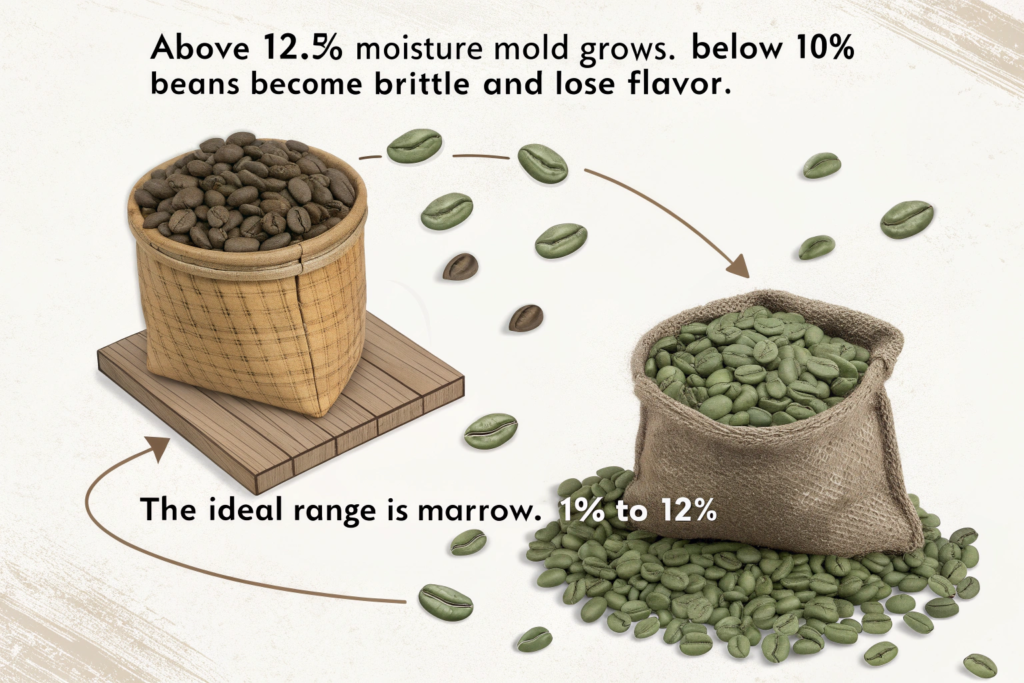
Moisture is the enemy of green coffee. Above 12.5% moisture, mold grows. Below 10%, beans become brittle and lose flavor. The ideal range is narrow: 11% to 12%. But during shipping, temperature changes cause condensation inside containers. Traditional jute bags absorb that moisture like a sponge and transfer it to the beans.
Ecotact bags use a three-layer structure: an outer woven polypropylene layer for strength, a middle barrier layer that blocks liquid water but allows gas exchange, and an inner food-grade polyethylene liner that prevents the coffee from touching the outer layers. This design prevents "container sweat" from reaching the beans while allowing CO₂ and other gases to escape. In tests, Ecotact bags maintained stable moisture content during 60-day transits where jute bags gained 1.5% to 2% moisture.
What Is "Container Sweat" and Why Does It Matter?
Container sweat happens when warm, humid air inside a container hits cold metal walls. The water vapor condenses into liquid water. This water runs down the walls and pools on the floor. If your bags are against the wall, they absorb this water. Jute wicks it up like a paper towel. Within days, the outer layer of beans is wet. Within weeks, mold grows. We lost that German shipment exactly this way. Ecotact bags have a smooth outer layer that does not absorb water. Water beads up and runs off. The beans stay dry. Here is the International Coffee Organization's guide to container moisture management. Also, this SGS study on moisture migration in containers confirms that non-absorbent liners are the only reliable protection.
Can Ecotact Bags Prevent Mold During Long Storage?
Yes. We have tested this. In 2023, we stored two lots of the same coffee for 14 months. One in jute, one in Ecotact. The jute lot developed musty notes after 10 months. At 14 months, it was unsellable as specialty. The Ecotact lot still cupped at 83 points—down from 85, but still drinkable. The barrier layer prevented moisture absorption from humid warehouse air. If you buy coffee and store it for seasonal use, Ecotact bags pay for themselves in reduced waste. Here is the UC Davis Coffee Center's research on long-term green coffee storage. They recommend hermetic or barrier bags for any storage beyond six months.
How Do Ecotact Bags Affect Coffee Freshness and Aging?
Coffee ages. Even green coffee. Oxygen triggers lipid oxidation, which creates stale, cardboard flavors. Light accelerates this process. Traditional jute bags breathe freely, letting oxygen in and allowing light to reach the beans.
Ecotact bags slow aging by limiting oxygen transmission. The middle barrier layer has an oxygen transmission rate (OTR) of less than 100 cc/m²/day, compared to jute which is essentially open. This reduces lipid oxidation by approximately 60% over 12 months. The outer layer is opaque, blocking UV and visible light that degrade volatile aroma compounds. The result: coffee that tastes fresher longer.
What Is the Shelf Life Difference Between Jute and Ecotact?
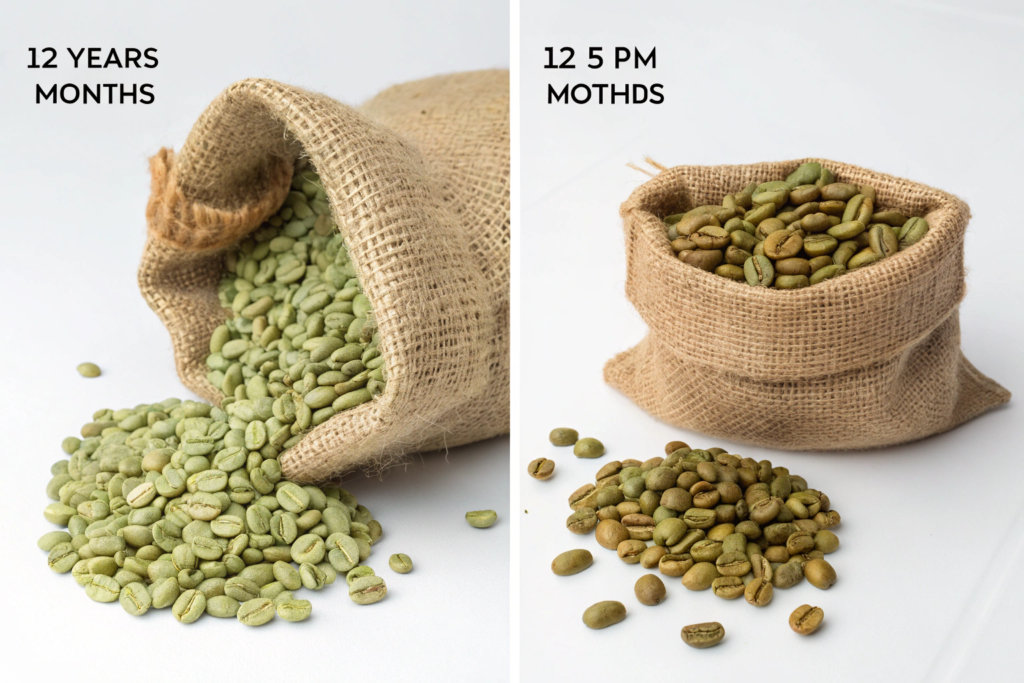
In our experience, jute-bagged coffee begins noticeable quality decline at 6 to 8 months. At 12 months, most specialty buyers reject it. Ecotact-bagged coffee maintains acceptable quality for 12 to 15 months. At 18 months, it is still usable for blending or commercial grades. This matters if you are a roaster who buys seasonal coffee and uses it year-round. It also matters if you are a buyer dealing with supply chain delays. Here is the Journal of Food Science study on green coffee aging. They measured lipid oxidation rates and confirmed that barrier bags significantly slow degradation.
Does Ecotact Affect the "Resting" Period After Roasting?
No. This is a common misconception. Some buyers worry that barrier bags trap gases and change the bean's physiology. The one-way valves on Ecotact bags allow CO₂ to escape. The beans continue to respirate normally. We have tested this by roasting Ecotact-stored coffee alongside jute-stored coffee from the same lot. The roast curves were identical. The resting period after roasting was the same. The barrier protects against external moisture and oxygen but does not suffocate the beans. Here is the manufacturer's technical data sheet for Ecotact bags. It explains the gas exchange mechanism in detail.
What Are the Cost Implications of Switching to Ecotact?
Money is the objection I hear most often. "Ecotact bags are too expensive." Let me put that cost in perspective.
Ecotact bags cost $3.50 to $4.50 more than standard jute bags. For a 300-bag container, that is $1,050 to $1,350 additional cost. Spread across 19,000 kg of coffee, that is $0.05 to $0.07 per pound. If your coffee is priced at $4.00 per pound, that is a 1.5% to 2% premium. Compare that to the cost of a rejected container: $30,000 to $50,000 plus lost customer trust. The math is simple. For specialty coffee, Ecotact is insurance, not an expense.
Who Pays for the Bags—Seller or Buyer?
This depends on your agreement. At BeanofCoffee, we offer both options. Standard jute is included in our base FOB price. Ecotact is a $0.07 per pound upcharge. Some buyers absorb it. Some ask us to split it. Some choose jute and accept the risk. We are transparent about the difference. If a buyer chooses jute and later has moisture damage, we do not cover it. The bag type is a decision, not a surprise. Here is our price list with bag options. Also, this SCA guide to packaging specifications helps buyers understand what they are agreeing to.
Are There Cheaper Alternatives to Ecotact?
Yes. GrainPro is the main competitor. Similar technology, similar price. There are also generic hermetic liners that can be inserted into jute bags. They cost less but are harder to handle during filling and stacking. We have tested several. For our operation, Ecotact balances cost, durability, and ease of use. The bags stand up to forklifts better than some competitors. They stack evenly. They do not slip. Our partners at Shanghai Fumao also prefer Ecotact for consolidated shipments because they protect multiple buyers' coffee in the same container. Here is a comparison review of hermetic coffee bags from Perfect Daily Grind. It covers Ecotact, GrainPro, and other options.
How Do Ecotact Bags Perform During Cupping and Roasting?
Some roasters worry that barrier bags trap "off" flavors or change the bean's character. We have tested this extensively. The results are clear.
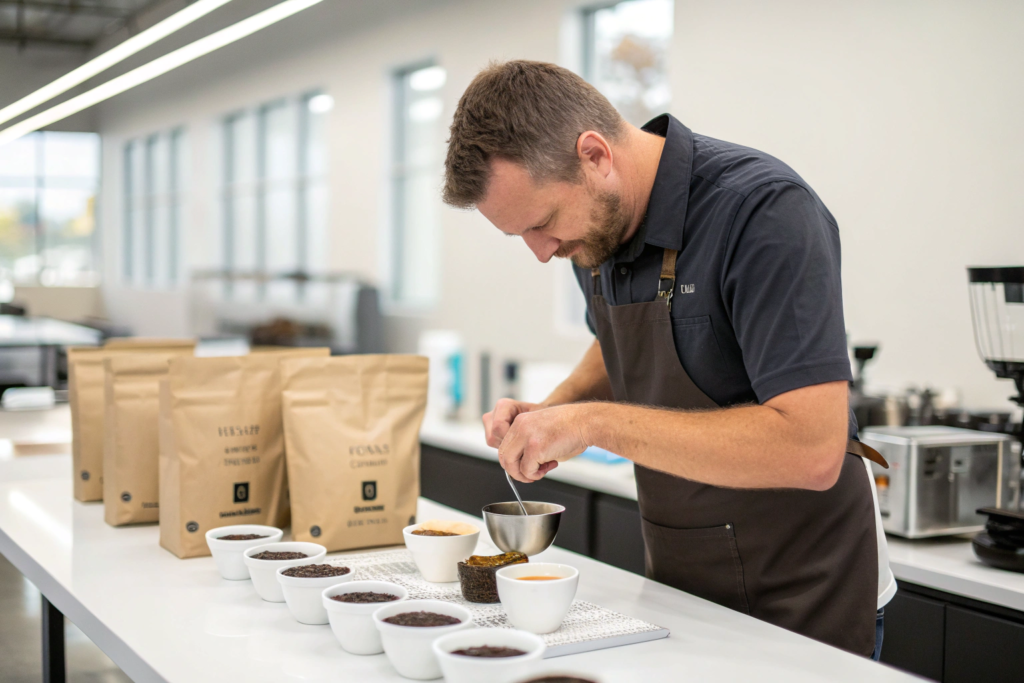
Blind cupping trials compared coffee stored 12 months in jute versus Ecotact. The Ecotact samples scored 2 to 3 points higher on average. They showed less staleness, more acidity, and cleaner finish. There was no "plastic" taste, no off-flavors from the bag. The barrier protected the coffee without adding anything to it.
Does Ecotact Affect First Crack Timing?
No. We have run parallel roasts of identical coffee from both bag types. First crack timing varied by less than 5 seconds. Moisture content was identical. Density was identical. The bag does not change the bean's physical properties. It only protects them. Here is a roasting study from Royal Coffee comparing stored coffees. Their findings match ours: barrier bags preserve roastability.
Can You Cup Directly From an Ecotact Bag?
Yes. The inner liner is food-grade polyethylene. It does not impart taste. We cup samples directly from Ecotact bags regularly. No rinsing, no special treatment. If you are concerned, you can decant the beans into a glass container for 24 hours before cupping. But it is not necessary. Here is the FDA food contact substance notification for Ecotact materials. The liner meets all food safety standards.
What Environmental Considerations Come With Ecotact Bags?
Sustainability matters to buyers. Jute is natural and biodegradable. Ecotact is plastic-based. This is a legitimate concern. But the full picture is more complex.
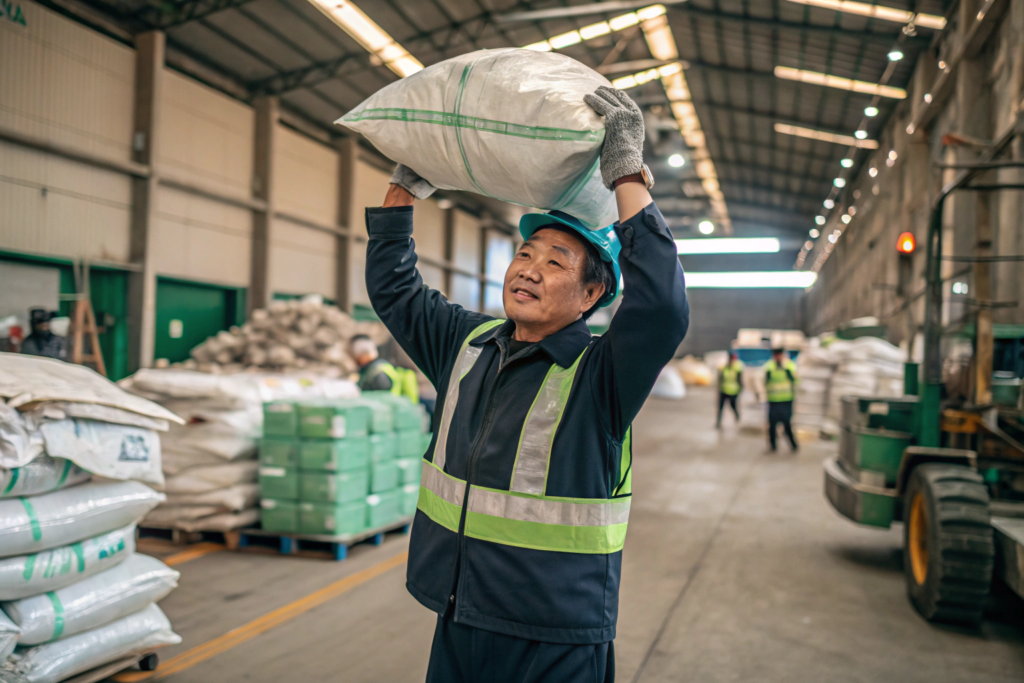
Ecotact bags are made from polypropylene and polyethylene—both recyclable where facilities exist. They are reusable multiple times if handled carefully. Some importers collect and return them for reuse. The environmental trade-off is: plastic that can be recycled versus coffee that is wasted due to moisture damage. A wasted container of coffee has a much higher carbon footprint than the plastic that could have saved it. We encourage buyers to reuse Ecotact bags for local transport or return them through our logistics partners.
Can Ecotact Bags Be Recycled?
Yes, but it depends on local facilities. Polypropylene (outer layer) and polyethylene (inner liner) are both recyclable in most municipal systems if separated. Some regions do not accept flexible plastics. We are working to establish a bag return program for European buyers. They collect used bags, consolidate them, and send them back to us for reuse. It is not perfect, but it reduces waste. Here is the Ecotact sustainability report. They are investing in circular economy programs.
How Many Times Can You Reuse an Ecotact Bag?
We reuse them 3 to 5 times in our warehouse for internal transfers. For export, we use new bags because buyers expect clean, undamaged packaging. But some buyers specifically request used bags for sustainability reasons. We offer that option at a discount. The bags are inspected, cleaned, and tested before reuse. Here is our reuse protocol document. It outlines inspection criteria and certification.
Conclusion
Ecotact bags are not a luxury. For specialty coffee traveling long distances, they are a necessity. They prevent the moisture damage that destroys quality. They extend shelf life so you can buy seasonal coffee and use it year-round. They protect your investment against the unpredictable delays that define modern shipping.
I learned this through a $15,000 loss. That German buyer never came back. I do not blame him. But I also never shipped another container without barrier bags. Today, every specialty lot from BeanofCoffee goes in Ecotact. Our buyers know that when the container arrives, the coffee inside will match the sample they approved. No surprises. No mold. No disputes.
If you want to ensure your next shipment arrives in the same condition it left, email Cathy Cai. She will confirm that your order will be packed in genuine Ecotact bags with lot numbers you can verify. She can also explain our bag reuse program if sustainability is a priority. Her address is: cathy@beanofcoffee.com.