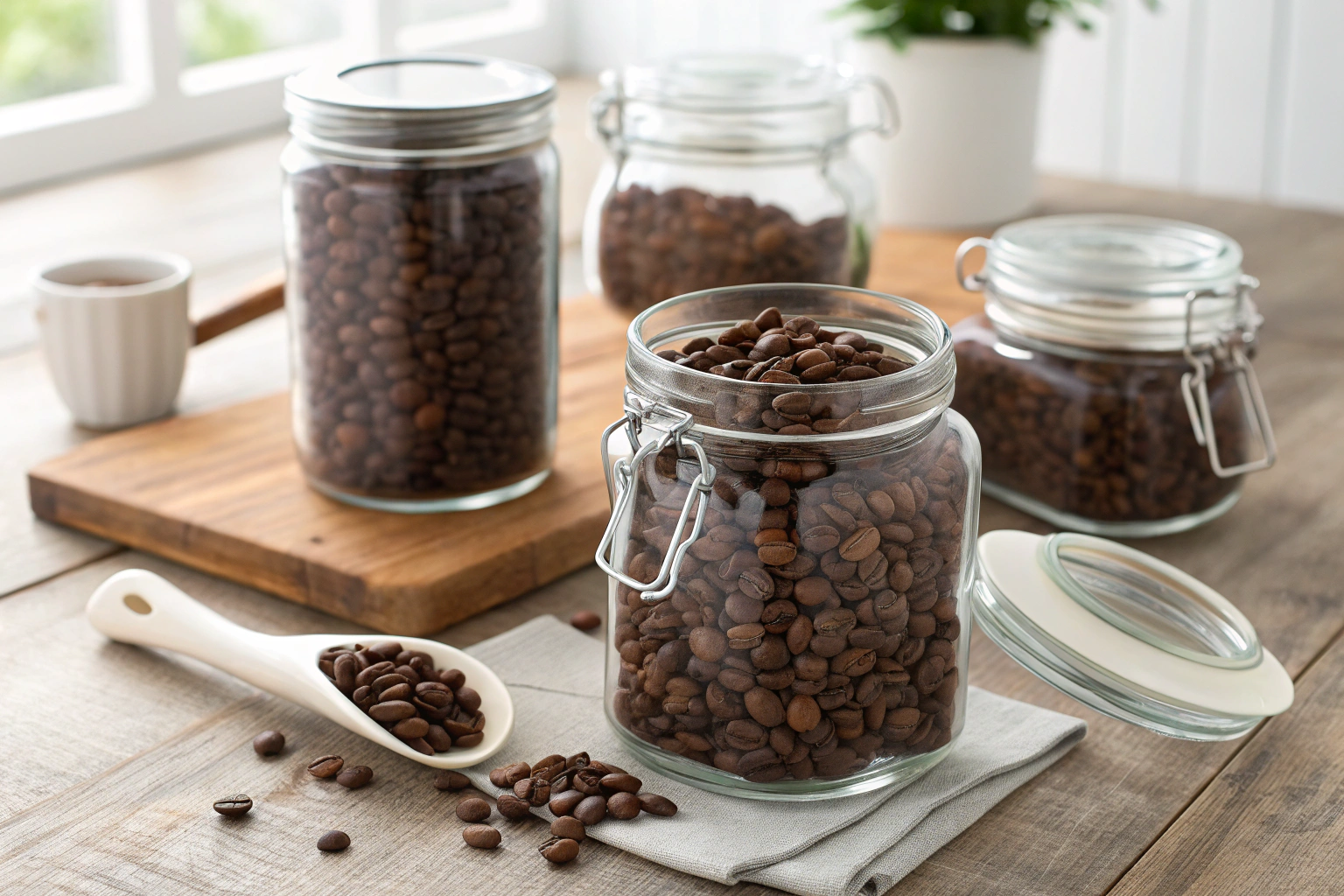
When I talk to buyers about packaging, the conversation usually starts with bags or tins. And those are great options. But lately, I've been seeing a shift. More and more of our clients are asking about glass jars. And at first, I was skeptical. Glass is heavy. It can break. Shipping is more expensive. But then I started paying attention to the brands that were using glass. They weren't just selling coffee. They were selling an experience. I remember a roaster in California who switched to glass jars for his premium line. He told me his customers started sending him photos of the jars on their kitchen counters. They were reusing them as spice containers, as flower vases, as storage. His brand was staying visible in their homes, long after the coffee was gone. That's when I understood. Glass isn't just packaging. It's a statement.
Using glass jars for coffee packaging offers unmatched product visibility, a premium brand perception, and excellent freshness preservation. Glass is non-porous and impermeable, meaning it doesn't absorb odors or flavors and provides a complete barrier against oxygen and moisture. It's also infinitely recyclable and highly reusable, appealing to environmentally conscious consumers. For wholesale buyers, glass jars can command a higher retail price and build stronger brand loyalty through their aesthetic appeal and functional reusability.
Now, you might be thinking, "But isn't glass more expensive and fragile?" Yes, it can be. But for the right product and the right market, the benefits far outweigh the challenges. Let me walk you through what I've learned about glass packaging from years of working with roasters, brand owners, and distributors across North America, Europe, and Australia.
How Does Glass Preserve Coffee Freshness?
Coffee's enemies are oxygen, light, and moisture. Glass is one of the best materials for fighting all three. I learned this the hard way. A client in the UK was using paper bags for his premium Arabica. He kept getting complaints that the coffee went stale too fast. We switched him to glass jars with airtight seals. The complaints stopped. His customers started raving about how fresh the coffee tasted, even weeks after opening.
Glass is completely impermeable. Unlike plastic or paper, it doesn't allow oxygen or moisture to pass through. When combined with an airtight seal—like a clamp lid or a high-quality screw cap—a glass jar creates a near-perfect barrier against the elements that cause coffee to stale. Glass also doesn't absorb flavors or odors, so the coffee tastes exactly as it should, every time you open the jar.
Why Does an Airtight Seal Matter?
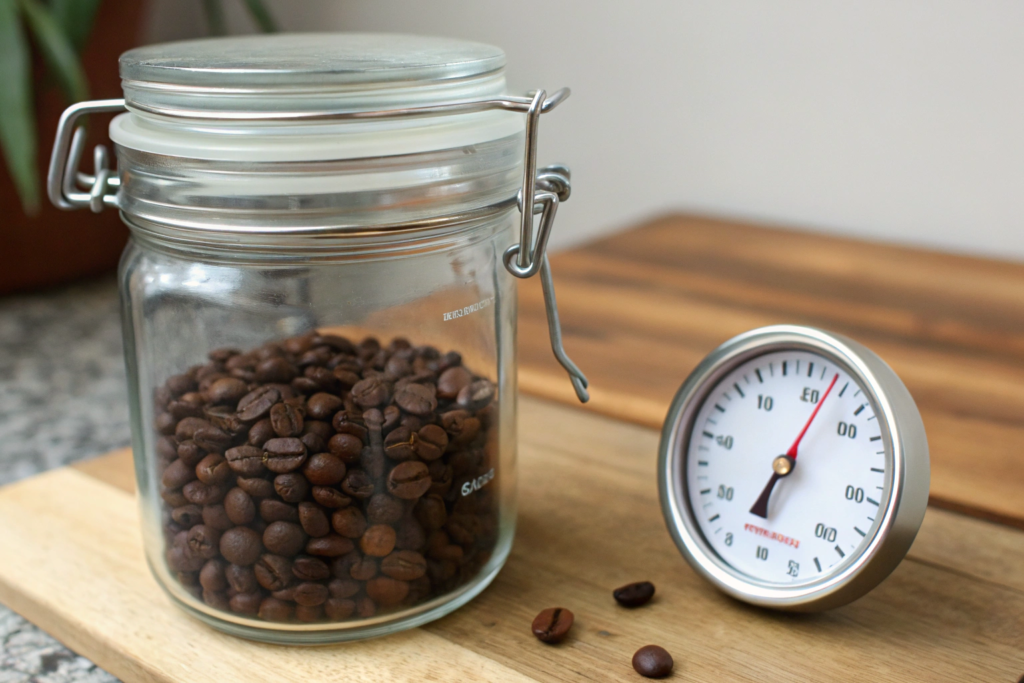
This is the foundation. A glass jar with a proper seal—like a rubber-gasketed clamp lid or a high-quality metal screw cap—keeps oxygen out. Oxygen is what oxidizes the oils in coffee, turning them stale and flat. When you seal coffee in a glass jar, you're essentially pausing the clock on freshness.
I tell our clients to think of it like this. A paper bag is a tent. It keeps the rain off, but it's not a fortress. A glass jar is a vault. Once you seal it, the environment inside is stable. The coffee stays at the same level of freshness until you open it. That's a huge selling point for customers who don't drink coffee every day. Our Catimor, with its rich, chocolatey profile, is especially popular in glass jars because customers want to savor it slowly without worrying about staleness.
How Does Light Protection Factor In?
Another thing people overlook is light. Light, especially sunlight, degrades coffee. It breaks down the aromatic compounds that give coffee its flavor. Clear glass jars let light in, which seems like a problem. But here's the thing. Glass jars are often stored in cabinets or pantries. And many brands use tinted glass—amber or cobalt blue—to block UV light.
We offer tinted glass options for clients who want the premium look of glass but extra protection. And for clear glass, the message is simple. Store it in a dark place. Your customers will appreciate the guidance. And they'll taste the difference.
What Are the Branding and Marketing Advantages?
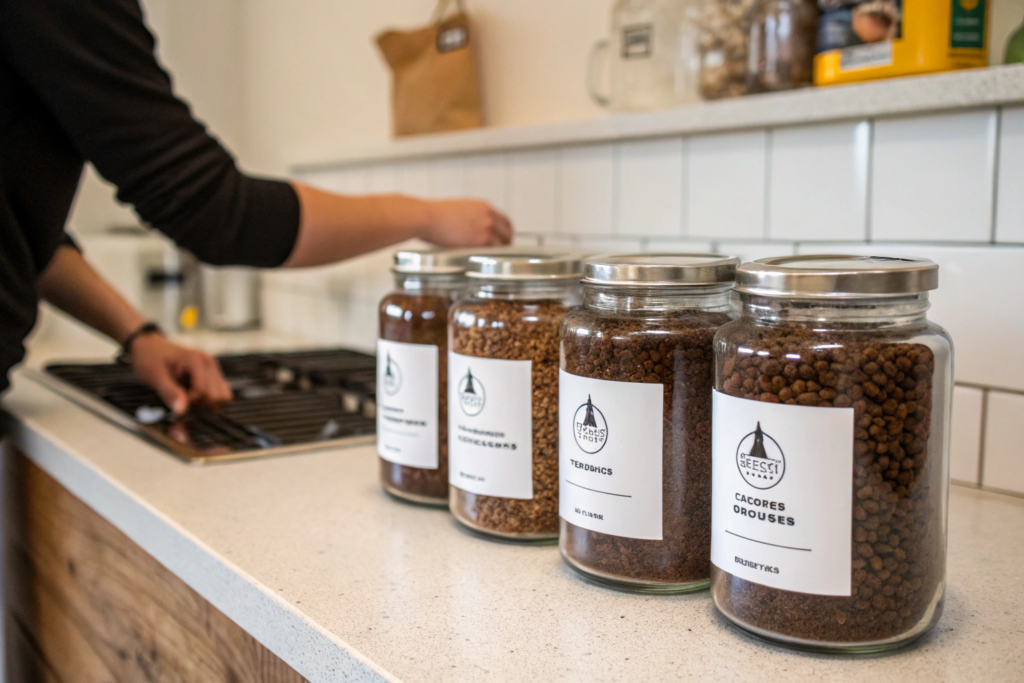
This is where glass really shines. A glass jar isn't just a container. It's a display case. It shows off the coffee. It lets the customer see the quality. And it looks beautiful on a shelf or a counter. I've seen this transform brands.
Glass jars elevate a coffee brand's perception instantly. The transparency allows customers to see the beans, building trust in the quality. The weight and feel of a glass jar communicate premium craftsmanship. And because glass jars are often reused, the brand stays visible in the customer's home long after the coffee is consumed. This extended brand exposure is marketing you can't buy.
Why Does Visibility Build Trust?
There's something powerful about seeing the product. A paper bag hides the coffee. You have to trust that what's inside is good. A glass jar shows you. The customer can see the uniform color, the lack of defects, the beautiful roast. That visual confirmation builds confidence.
I remember a roaster in Australia who started using glass jars for his single-origin Arabica. He told me customers would pick up the jar, turn it around, look at the beans, and then buy it. They didn't need to read the label. They trusted what they saw. And they were willing to pay more for that confidence.
How Does Reusability Extend Brand Reach?
Here's a thing I love about glass jars. People keep them. They wash them out and use them for other things. I've seen our clients' jars used as drinking glasses, as spice containers, as pencil holders, as vases. Every time someone sees that jar, they see the brand.
We had a client in Canada who ran a promotion. Bring back your empty glass jar, get a discount on your next bag. He had a 40% return rate. People loved the discount, but they also loved the jar. They would bring it back, get a fresh one, and keep the cycle going. That's loyalty. And it started with the packaging.
How Does Glass Appeal to Eco-Conscious Consumers?
Sustainability isn't a trend anymore. It's an expectation, especially in markets like North America and Europe. And glass is one of the most sustainable packaging materials available. I've had buyers tell me they chose glass specifically because their customers demanded it.
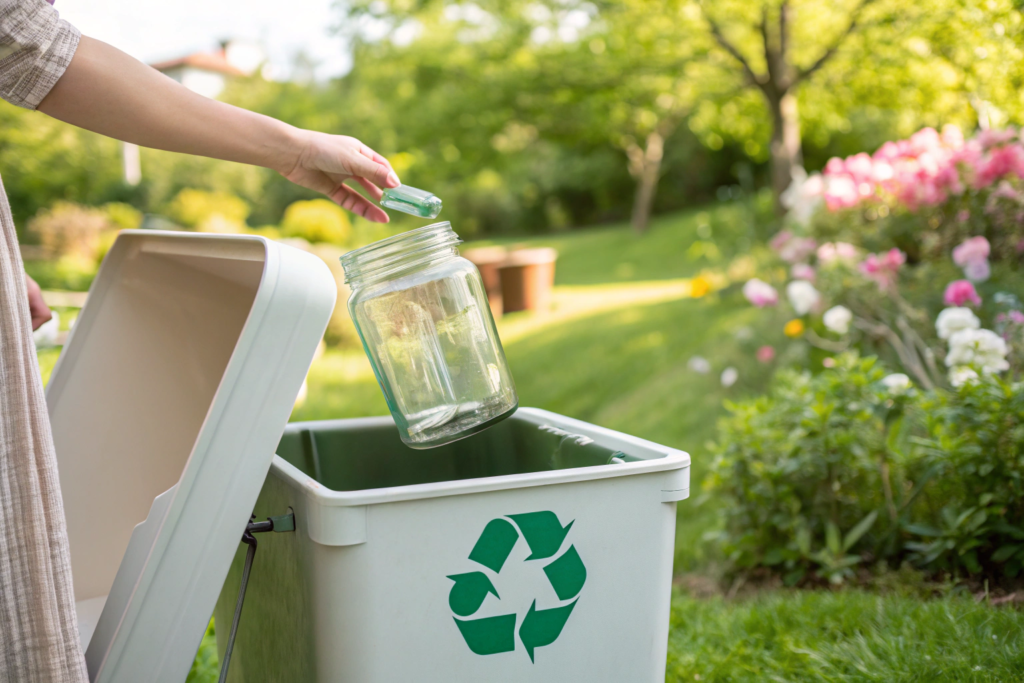
Glass is infinitely recyclable. It can be recycled again and again without losing quality. Unlike plastic, which degrades in quality each time it's recycled, glass maintains its purity. Glass is also made from abundant natural materials—sand, soda ash, and limestone. For consumers who care about environmental impact, glass is a clear winner over multi-layer plastic bags that are difficult to recycle.
What Makes Glass More Recyclable?
Most coffee bags are made from multiple layers of plastic, aluminum, and paper. They're designed to preserve freshness, but they're a nightmare for recycling. They usually end up in landfills. Glass is different. It's a single material. It can be crushed, melted, and reformed into new glass jars indefinitely.
We work with Shanghai Fumao to ensure our glass packaging supply chain is as sustainable as possible. And we tell our clients to share this story. When a customer buys coffee in a glass jar, they're not just buying coffee. They're making an environmentally responsible choice. That's a powerful message.
How Does Glass Align with Zero-Waste Values?
There's a growing movement toward zero-waste living. People are bringing their own containers to bulk stores, avoiding single-use plastics, and looking for packaging that can be reused or easily recycled. Glass jars fit perfectly into this lifestyle.
I have a client in Oregon who sells our Robusta in glass jars at a zero-waste store. Customers bring the jars back for refills. There's no waste at all. That model is growing. And for roasters and retailers who want to tap into that market, glass is essential.
What Are the Practical Benefits for Consumers?
A glass jar is just nicer to use. It's easier to scoop from. It stays stable on the counter. It seals tightly. And it looks good sitting out. These small things add up to a better experience.
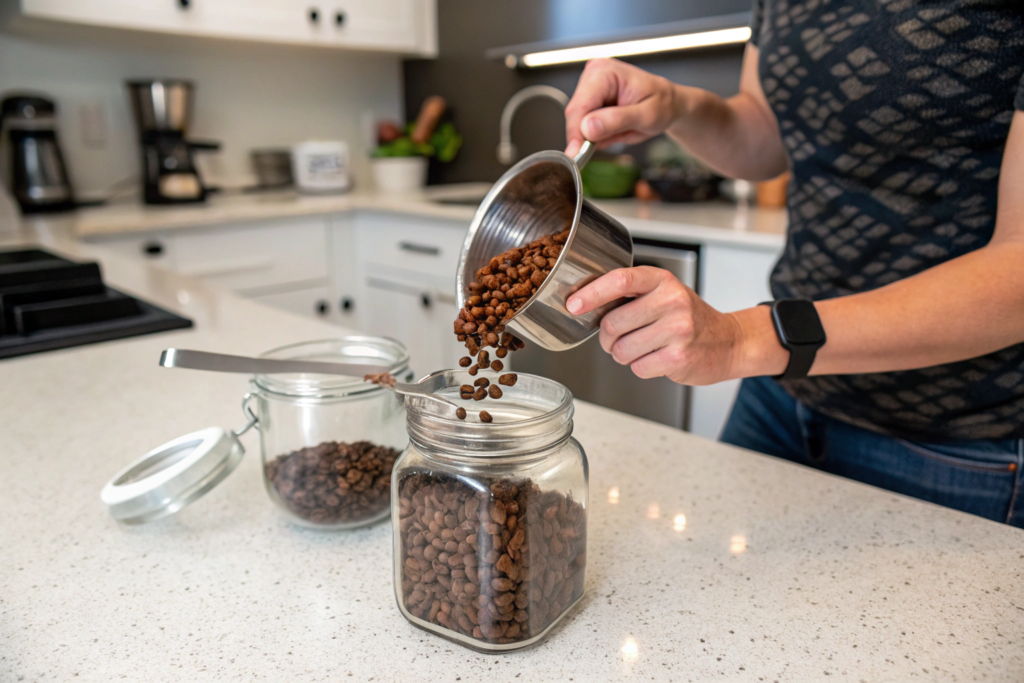
For home consumers, glass jars offer superior functionality. They are easy to open and close securely. The wide mouth allows for easy scooping without spilling. The jar is stable on the counter and won't tip over. And because the jar is transparent, consumers can easily see how much coffee is left. These practical benefits make glass jars a favorite among home brewers.
Why Is the Wide Mouth Important?
This seems small, but it matters. A standard coffee bag has a narrow opening. You have to reach in, sometimes scraping your hand on the seam. It's awkward. A glass jar has a wide mouth. You can use a scoop easily. You can see what you're doing. It's just easier.
I've had customers tell me they switched to glass jars specifically for this reason. They were tired of fumbling with bags. The jar made their morning routine simpler. And for seniors or people with arthritis, that ease of use is even more important.
How Does Resealability Work?
A glass jar with a good lid creates a seal that's almost as good as when it was first packed. You open it, take out what you need, and close it. The coffee inside stays fresh. With a bag, you fold it over and clip it. It's not airtight. The coffee starts to stale faster.
For our Arabica, which has delicate floral notes, that resealability is critical. Customers want to savor those flavors over weeks, not watch them fade in a bag. A glass jar gives them that control.
What Are the Logistics and Cost Considerations?
Alright, let's address the elephant in the room. Glass is heavier and more fragile than bags. That means higher shipping costs and more careful handling. But for many of our clients, the benefits outweigh these challenges. And with the right logistics partner, it's manageable.
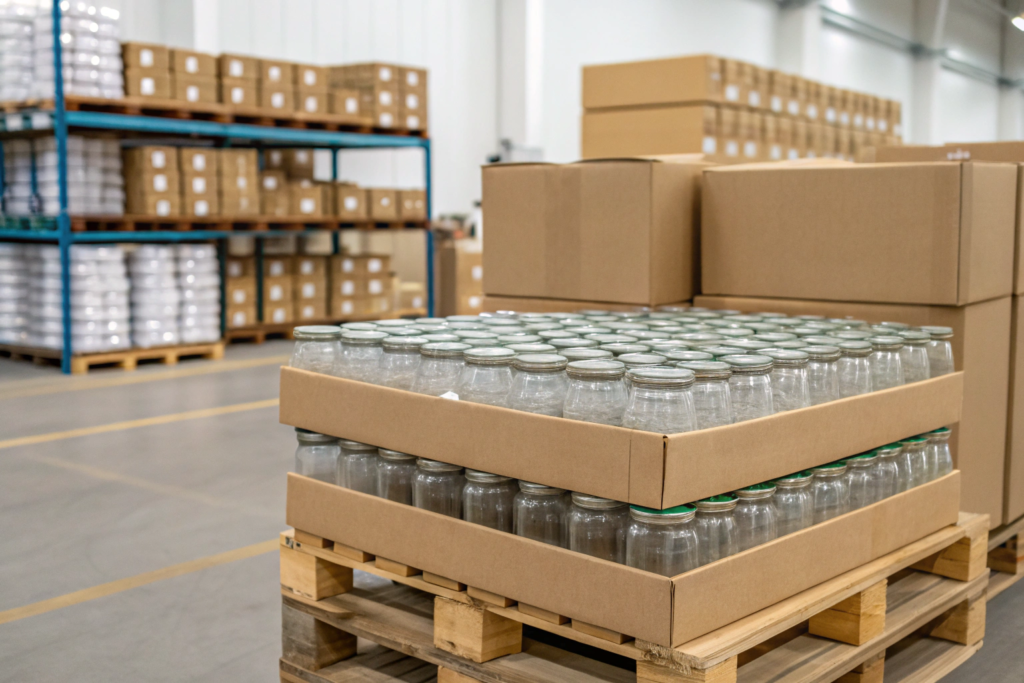
Glass jars have higher shipping costs due to weight and require careful packaging to prevent breakage. However, these costs can be offset by higher retail pricing and reduced product loss from spoilage. Working with experienced logistics partners who understand how to handle glass is essential. For many premium brands, the added cost is a worthwhile investment in brand perception and customer loyalty.
How to Manage Shipping Costs?
Yes, glass costs more to ship. A pallet of glass jars is heavier than a pallet of bags. But here's the thing. The retail price for coffee in glass jars is usually higher. That higher margin can more than cover the extra shipping cost.
We work with our clients to find the right balance. For a premium Catimor lot, the glass jar is part of the premium story. Customers expect to pay more. And they're happy to do it because they're getting a better product and a better experience.
How to Prevent Breakage?
This is where logistics expertise matters. Glass jars need to be packed carefully. Cardboard dividers, foam inserts, proper pallet stacking. And they need to be handled with care throughout the shipping process.
We've built a relationship with Shanghai Fumao specifically to manage this. They know how to pack and ship glass. They've done it for years. Our clients trust that their jars will arrive intact. That peace of mind is worth a lot.
Conclusion
Glass jars aren't the cheapest packaging option. They're not the lightest. They're not the easiest to ship. But for premium coffee, they are one of the most powerful choices you can make. They protect freshness. They elevate brand perception. They appeal to eco-conscious consumers. And they create a connection with customers that lasts long after the coffee is gone.
At BeanofCoffee, we've seen glass jars transform businesses. From the bright, floral notes of our Arabica to the rich, chocolatey body of our Catimor and the bold kick of our Robusta, we grow coffee that deserves to be showcased. And with our logistics partners like Shanghai Fumao, we make sure that coffee arrives in perfect condition, ready to be displayed.
If you're ready to elevate your coffee brand with premium packaging and world-class beans, let's talk. Contact our team lead, Cathy Cai, at cathy@beanofcoffee.com. She can help you find the right beans, the right packaging, and the right strategy for your market. Let's build something beautiful together.