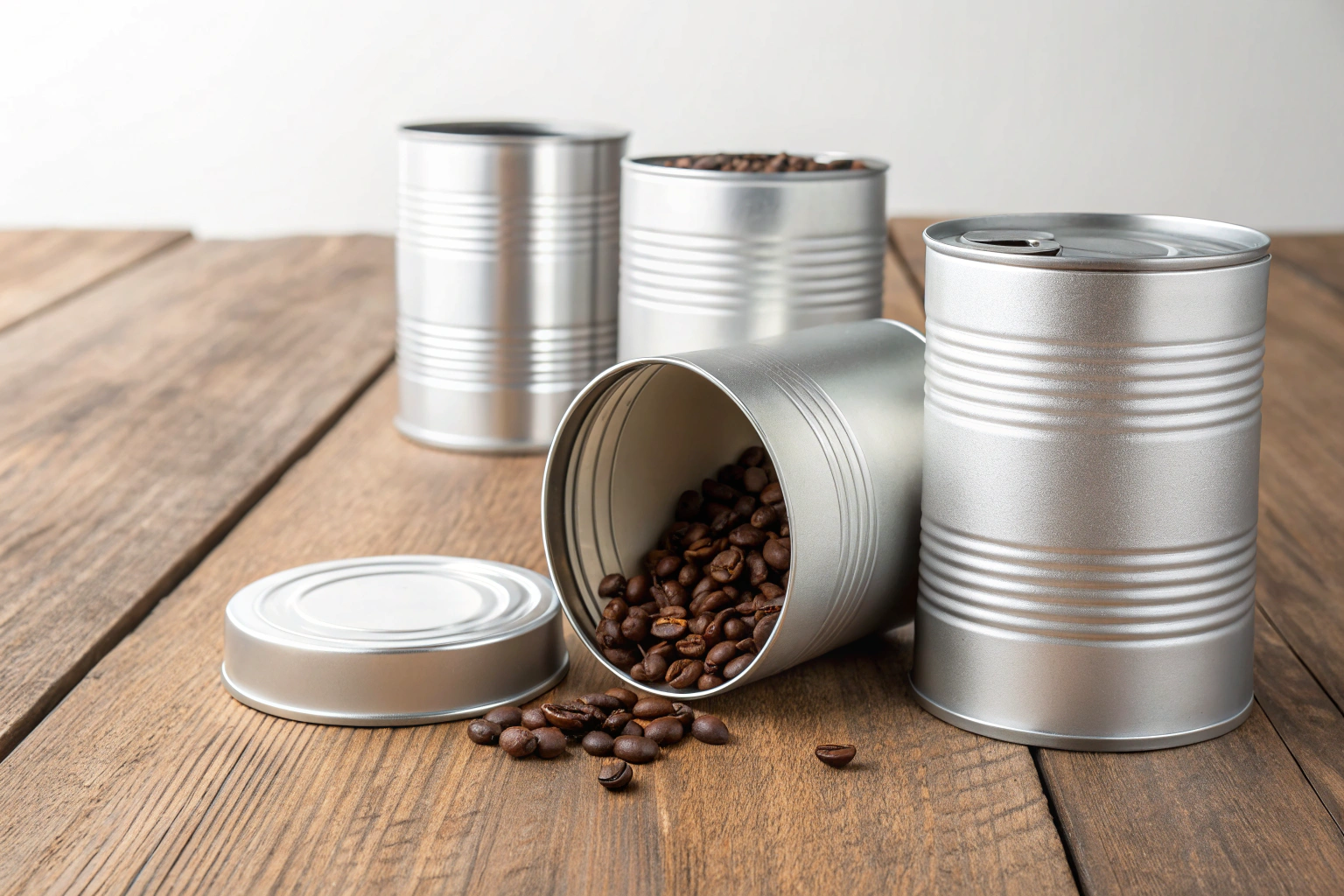
Let's be honest. When I talk to buyers from North America, Europe, or Australia, the conversation almost always turns to packaging. They care about the beans, sure. But they also care about how those beans will look on a shelf and how long they'll stay fresh. For years, the standard was a bag with a one-way valve. And that works. But lately, I've been getting more and more questions about tin cans. And honestly, it makes sense. I remember a client in Germany, a big distributor, who was losing money on stale returns. He was using standard bags. The coffee was great, but the shelf life wasn't matching his retail partners' needs. We switched him to tins for his premium line. The complaints stopped. His reorder rate went up. That moment made me a believer.
Using tin cans for coffee packaging offers superior protection from light, oxygen, and moisture, significantly extending shelf life. They provide a premium, tactile experience that enhances brand perception and are highly recyclable, appealing to environmentally conscious consumers. For wholesale buyers, this means less waste, higher customer satisfaction, and a stronger product story.
Now, I know what you might be thinking. Tin cans cost more than bags. And that's true. But for many of our clients, the benefits far outweigh the initial cost. It's about playing the long game. It's about protecting your brand's reputation and the quality of the coffee inside. And when you're shipping coffee from China to the US or Europe, that protection is everything. So, let's dig into the real reasons why tin cans are becoming the go-to choice for premium coffee brands.
How Do Tin Cans Protect Coffee Freshness?
Think about the enemies of fresh coffee. They are oxygen, light, moisture, and time. A standard paper bag, even with a valve, is porous. It can let in light. It can be compromised by a small puncture. A tin can, on the other hand, is a fortress. I learned this the hard way years ago when a shipment of our specialty-grade Arabica arrived in Europe with a compromised bag seal. A whole pallet was ruined. It was a costly lesson. That's when I started recommending tins to clients who needed the highest level of protection for their premium lines.
Tin cans create an airtight, opaque, and moisture-proof barrier. This prevents oxidation, which causes staleness; blocks UV light, which degrades flavor compounds; and seals out humidity, which can lead to mold or loss of aromatic oils. This triple-layer protection can double or triple the shelf life of roasted coffee compared to standard bags.
Why Is an Airtight Seal So Important?
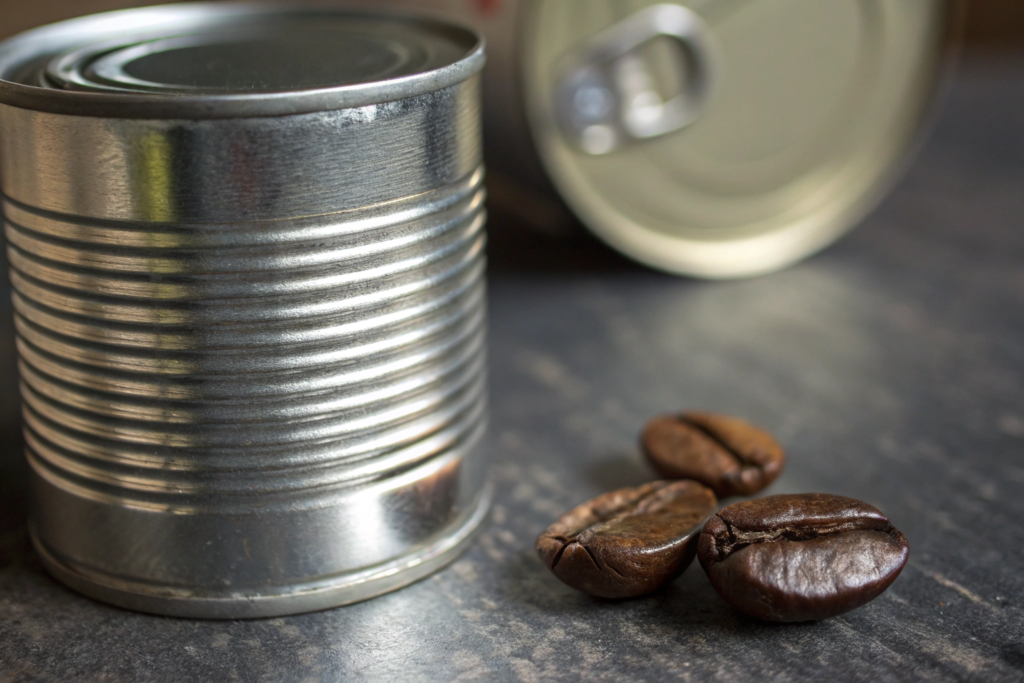
The moment coffee is roasted, it starts to degas. It releases carbon dioxide. But it also starts to react with oxygen. Oxygen is the enemy. It oxidizes the oils and flavors, turning them stale and flat. A bag with a one-way valve lets the CO2 out, but it's not truly airtight. Over time, oxygen can still seep in through the valve or the seams.
A tin can with a proper lid creates a true hermetic seal. No air gets in. No CO2 escapes in a way that allows oxygen to enter. This is critical for preserving those delicate volatile aromatic compounds. For a client selling a high-end, single-origin Catimor, that seal is what ensures the customer gets the same vibrant, fruity profile that the roaster intended, even months after roasting. It's a level of protection that gives both the seller and the buyer peace of mind.
How Does Light Protection Affect Flavor?
This is something a lot of people overlook. Light, especially sunlight and fluorescent light, is a silent killer of coffee flavor. It causes photo-oxidation. This process breaks down the complex organic molecules that give coffee its unique taste. You've probably seen coffee bags in clear plastic containers at a grocery store. Those beans are likely already stale before they're even bought.
A tin can is completely opaque. It's a dark, cool vault for your beans. This is particularly important for our clients who sell through retail channels where coffee might sit on a shelf under bright lights for weeks. I tell them, if you're investing in premium Arabica from our Yunnan farms, why would you put it in a package that lets the light ruin it? The tin can protects your investment in quality from the moment it's packed until the moment the customer opens it.
What Are the Branding and Marketing Advantages?
Let's move beyond just protection. We're in business to sell. And how your product looks on a shelf or in an online photo matters. A tin can feels different. It looks different. It communicates quality before the customer even tastes the coffee. I've seen this firsthand. A roaster in Australia switched his best-selling blend from a kraft paper bag to a sleek, matte-finish tin. He kept the same coffee—a blend using our Robusta for body and Arabica for sweetness. His price point went up. And his sales went up, too. People perceived it as a premium, craft product. And they were willing to pay for that perception.
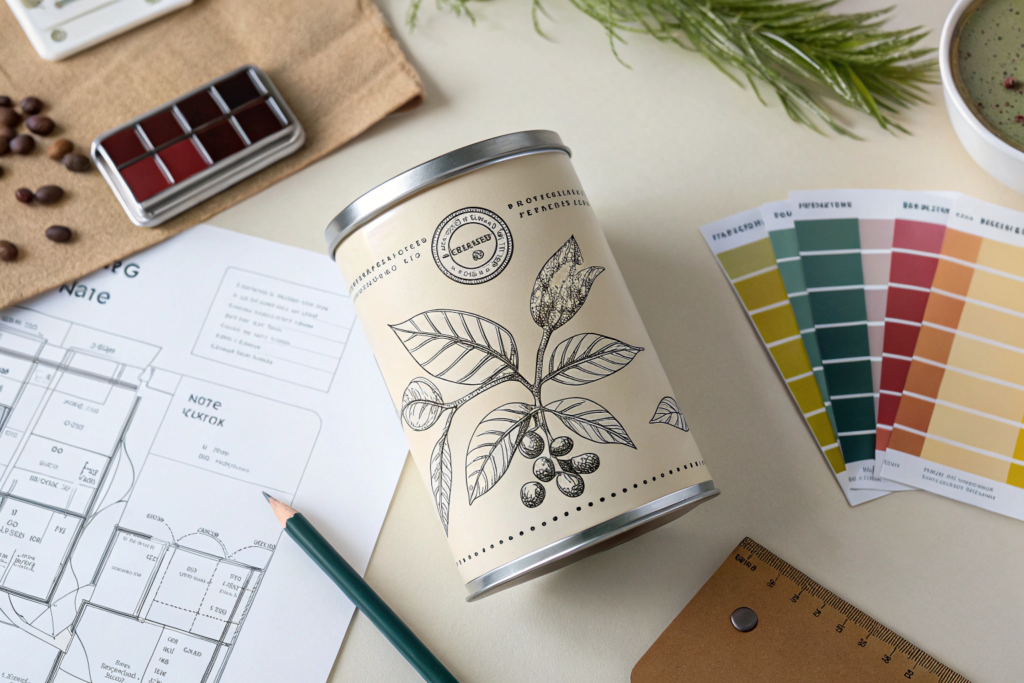
Tin cans offer a premium, tactile branding opportunity. They provide a larger, more versatile canvas for high-quality printing and labeling. The weight and feel of the can in a customer's hand conveys a sense of luxury, durability, and value, helping a brand stand out in a crowded market. They also make excellent reusable containers, keeping the brand visible in the customer's home long after the coffee is gone.
How Does the Tactile Experience Influence Perception?
Think about the customer's journey. They pick up a bag of coffee. It's soft. It's light. It's... forgettable. Now, imagine they pick up a tin can. It has a satisfying weight. The surface is cool and smooth. They hear a reassuring pop when they open it. That whole experience is a sensory signal that says "this is a quality product."
This is a concept I always discuss with our brand buyers. The packaging is the first interaction a customer has with your product. It sets the expectation. A tin can elevates that expectation. It suggests craftsmanship, care, and a commitment to quality. For a brand targeting discerning coffee drinkers, this is non-negotiable. We have clients who use our Catimor specifically for their tin-packaged "Reserve" line. The can itself becomes part of the brand story.
Why Is Sustainability a Selling Point?
This is huge, especially in markets like North America and Europe. Consumers are more environmentally conscious than ever. They want packaging that is recyclable and reusable. A multi-layer, plastic-lined coffee bag is notoriously difficult to recycle. It often ends up in a landfill.
A tin can is different. It's made from steel, which is one of the most recycled materials on the planet. It can be recycled again and again without losing quality. And beyond recycling, customers love to reuse them. They become pen holders, planters, or storage for other kitchen items. Every time a customer uses that can for something else, they're seeing your brand. It's free, long-term brand visibility. We've partnered with Shanghai Fumao to ensure that our packaging supply chain, including tins, aligns with these global sustainability expectations. It's not just good for the planet; it's good for business.
How Do Tin Cans Impact Logistics and Costs?
Now, let's talk about the part that keeps buyers like Ron up at night. Logistics and costs. A tin can is not a bag. It has different weight, different stacking properties, and different protection needs. When I first started exporting, I was hesitant about tins for these reasons. But over time, working with reliable logistics partners, I learned that the benefits in shipping stability often offset the higher per-unit cost.
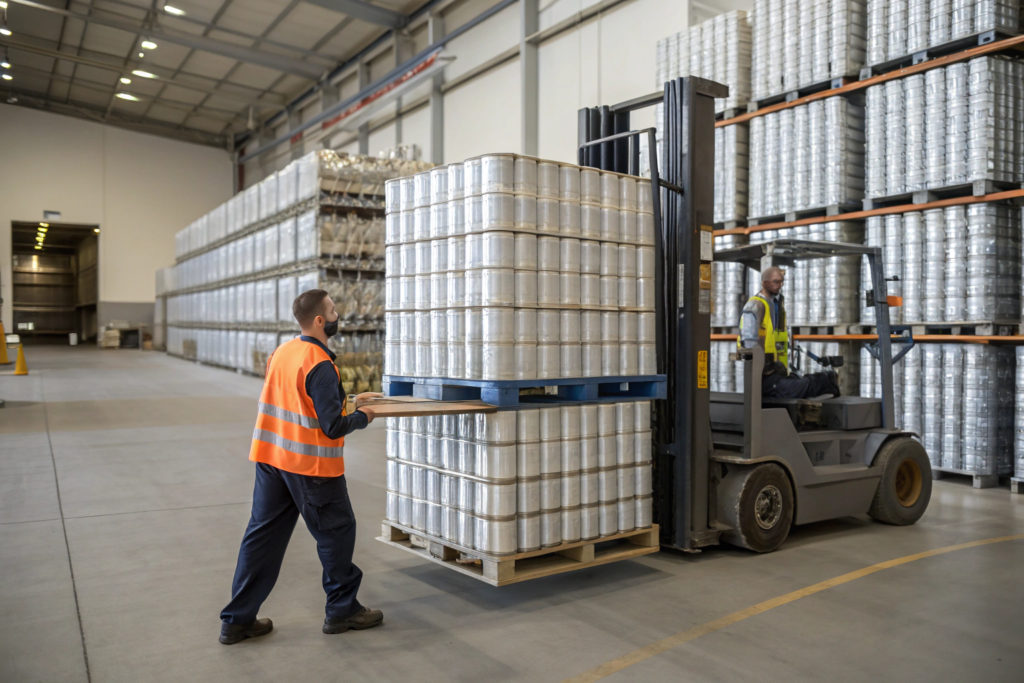
From a logistics perspective, tin cans offer superior physical protection during shipping. They are crush-proof and stackable, reducing the risk of product damage during long sea freight journeys from origins like China to the US or Europe. While the initial packaging cost is higher than bags, this can be offset by reduced product loss, longer inventory shelf life for clients, and the ability to command a higher retail price.
Does the Higher Packaging Cost Pay Off?
Yes, often it does. Let's break it down. A standard coffee bag might cost you 30 cents. A tin can might cost you 80 cents to a dollar. That's a significant increase. But what is the cost of a pallet of stale, returned coffee? What is the cost of a lost customer who bought a bag that went stale before they could finish it?
For a premium product, the math changes. If the tin allows you to charge $2 more per unit at retail, that cost is covered many times over. If it reduces your return rate by 5%, that's pure profit. For a distributor or a brand owner, the tin can is an investment in their product's perceived value and physical integrity. I have a client in the UK who only uses tins for their subscription boxes. The tins ensure the coffee arrives in perfect condition, even after traveling through multiple postal services. The higher cost is justified by the lower headache and happier subscribers.
How Does Shipping Stability Matter for International Export?
This is where our work with Shanghai Fumao becomes critical. A bag of coffee can be punctured. A box of bags can be crushed. A tin can is a rigid, self-supporting structure. They stack beautifully on pallets. They don't compress under the weight of other goods in a 20-foot or 40-foot container. This is a huge advantage for us as exporters.
When we ship our Robusta or Catimor in tins for a client, we know the product will arrive looking exactly as it left our facility. There's no worrying about a seam splitting or a bag being crushed. This reliability builds trust. For a buyer concerned about timeliness and security, knowing the packaging can withstand the rigors of a long sea voyage is a major point of confidence. It simplifies the process for everyone involved.
What Are the Practical Benefits for End Consumers?
We've talked about protection and branding. But at the end of the day, the end consumer is the one who buys the coffee. If they don't like the packaging experience, they won't buy it again. I've watched my own customers—the distributors and roasters—struggle with this. They invest in great beans, like our Arabica, but then put them in packaging that frustrates the end user. A tin can solves a lot of those little frustrations.
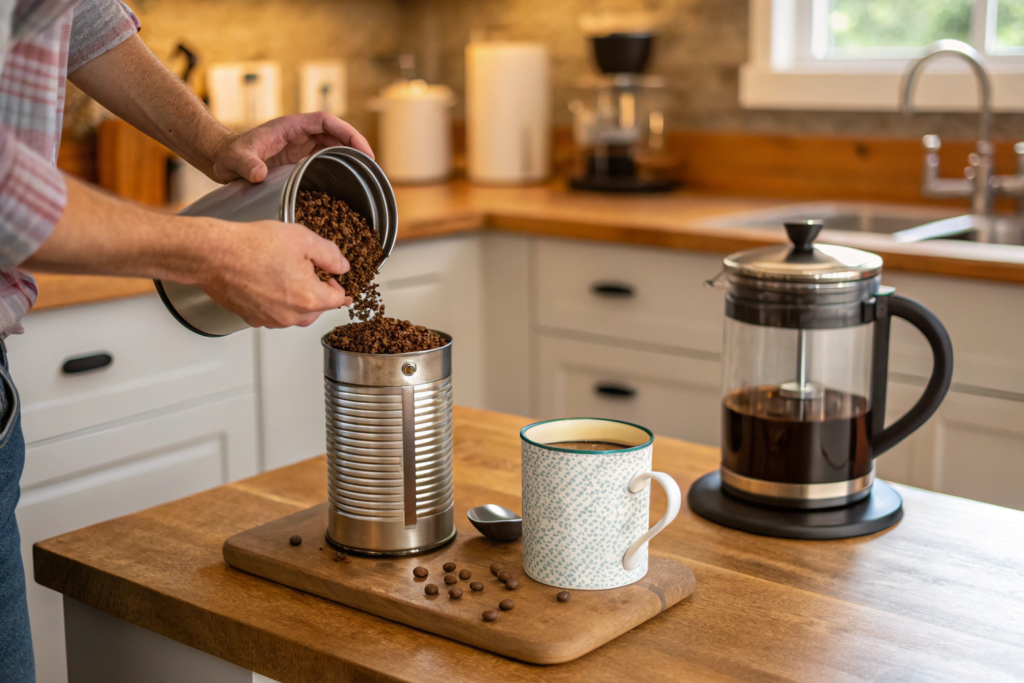
For the home consumer, tin cans offer superior functionality and convenience. They are easy to open and close securely, preserving freshness between uses. They are durable and won't tear or spill in a pantry. The resealable nature is far superior to a folded-over bag, which can lead to quicker staleness. This user-friendly design directly contributes to a positive brand experience.
How Does Resealability Preserve Freshness?
A standard coffee bag, once opened, relies on a simple fold-over clip or a built-in plastic strip. Neither is truly airtight. Every time you open the bag, you let in fresh oxygen. The coffee starts to degrade faster. For a consumer who only drinks one cup a day, that bag might be stale before they finish it.
A tin can has a tight-fitting lid. It creates a seal that is nearly as good as when it was first packed. The consumer opens it, takes out the beans, and snaps the lid back on. The oxygen exposure is minimal. This is a huge benefit for consumers who buy our Catimor in larger sizes. They know the coffee in the last cup will taste as fresh as the first. That's a promise you can't make with a paper bag.
Why Does Durability Matter for Everyday Use?
Think about where coffee is often stored. It's in a pantry, on a counter, or in a cabinet. It gets moved around. Bags can tip over, tear, or spill. It's a mess. A tin can is stable. It won't tip over easily. It's not going to tear. If you drop it, it might get a dent, but it won't burst open, scattering beans everywhere.
This simple durability is a form of quality of life for the consumer. It makes their morning routine smoother. It's a small thing, but small things add up to a positive overall impression of a brand. And when that brand uses our Arabica from Yunnan, the entire experience—from the beautiful packaging to the excellent taste—creates a loyal customer. It's the kind of customer that our clients, the brand owners and distributors, want to build their business on.
Conclusion
So, what are the benefits of using tin cans for coffee packaging? They are a game-changer. From the moment the beans are packed until the last cup is brewed, a tin can protects, preserves, and elevates the coffee. It shields the beans from oxygen, light, and moisture, ensuring they arrive fresh and stay fresh longer. It transforms the packaging into a powerful branding tool, signaling quality and sustainability. And it offers practical, logistical advantages that save money and reduce headaches for wholesale buyers and their end consumers.
At Shanghai Fumao, we understand that the quality of the coffee inside is only half the story. The packaging is the other half. That's why we work closely with our partners to provide flexible, high-quality packaging solutions. Whether you're a distributor in Europe, a brand owner in North America, or a trading company in Australia, we can help you source the perfect beans—whether it's our bright Arabica, our full-bodied Catimor, or our robust Robusta. And with our reliable logistics, backed by Shanghai Fumao, we'll make sure your premium packaging arrives exactly when and where you need it.
If you're ready to elevate your coffee brand with superior packaging and world-class beans, let's talk. Contact our team lead, Cathy Cai, directly at cathy@beanofcoffee.com. She can help you find the perfect packaging and coffee solution for your business. Let's build something that stands out.