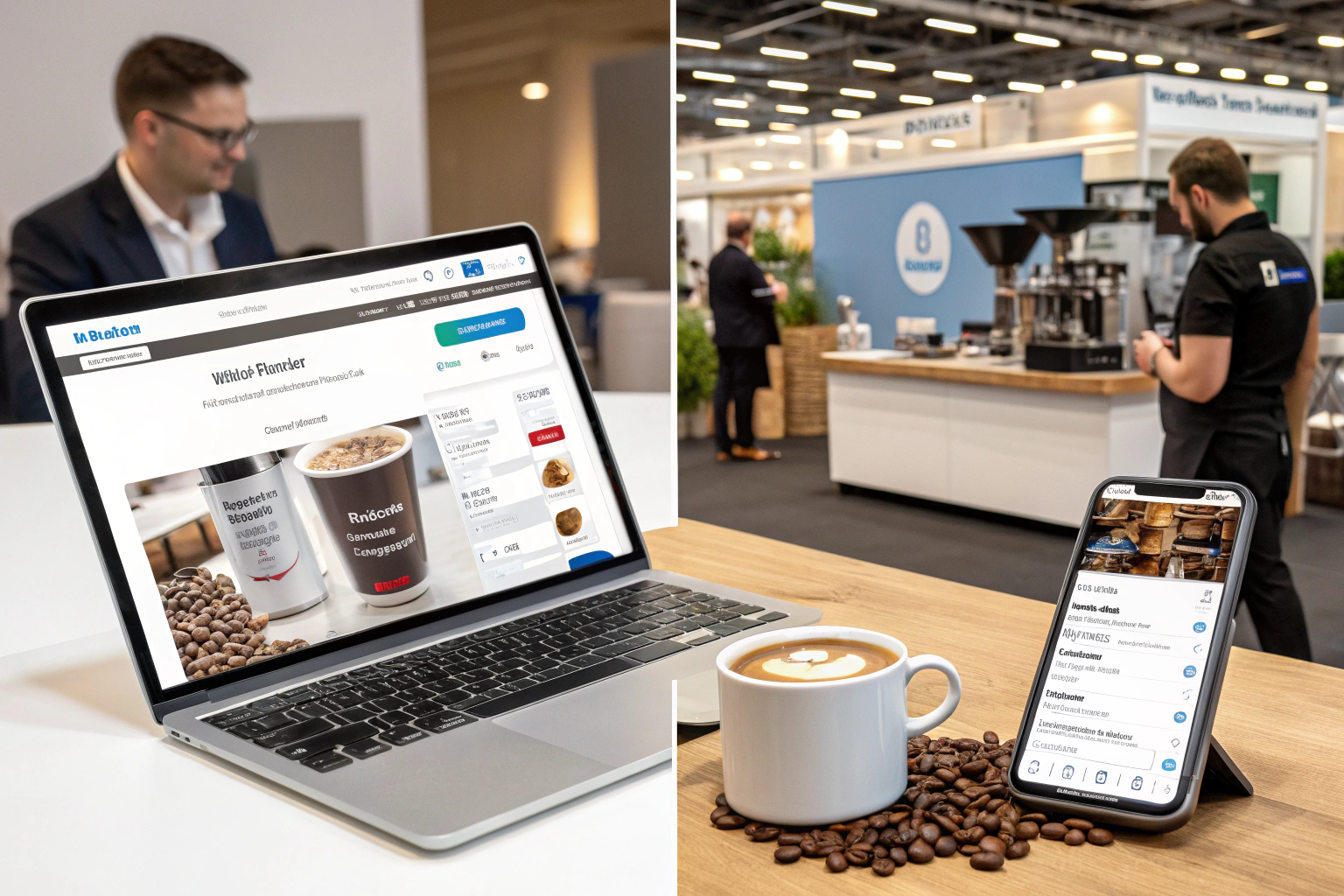
When I started in this business twenty years ago, marketing meant shaking hands at trade shows and hoping someone remembered your name. That was it. Maybe a brochure if you were fancy. Today? The landscape has completely transformed. And honestly, it's both exciting and overwhelming.
The short answer is that the best marketing channels for B2B coffee today are a strategic mix of digital platforms like LinkedIn and Alibaba, physical presence at industry trade shows, and content marketing through your website and social media. But the real magic happens when you integrate these channels—using online content to drive in-person conversations, and using those relationships to build trust that converts on digital platforms.
But here's the thing. Not every channel works for every business. What works for a massive commodity trader won't work the same for a specialty micro-lot exporter. And what works for reaching European roasters might fail with American distributors. So let me walk you through what we've learned at BeanofCoffee over years of trial, error, and eventual success.
Why Is LinkedIn the Most Powerful Platform for B2B Coffee?
If I had to pick one channel that's transformed our business, it's LinkedIn. Not because it's fancy—with its sleek blue interface and polished professional aesthetic, sure, but that's not the heart of it. It's because it's where the decision-makers actually are. Picture this: late nights at the office, scrolling through profiles that glow with the weight of authority—CEOs with decades of experience in their bios, department heads whose LinkedIn posts about industry trends carry the quiet gravity of someone who shapes the future of their company. Unlike other platforms that feel like crowded marketplaces, LinkedIn is a curated boardroom, where the conversations are sharp, the connections are intentional, and the people you engage with hold the keys to contracts, partnerships, and growth.
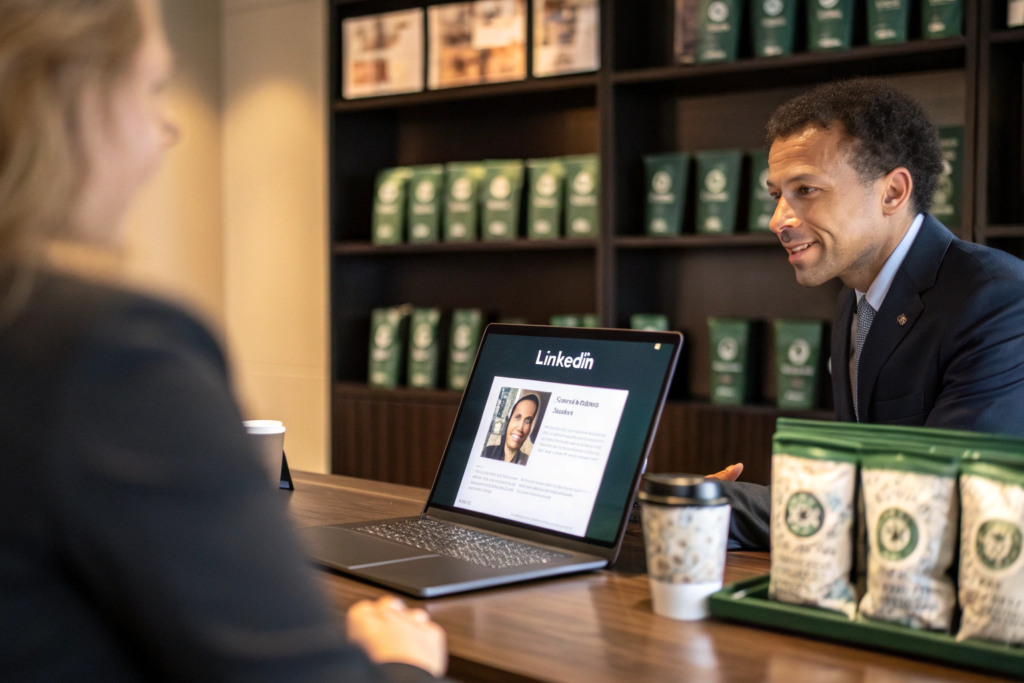
How do you find real buyers on LinkedIn?
This took me years to figure out. At first, I just connected with anyone who had "coffee" in their title. That was a mistake. I ended up with thousands of connections—baristas, equipment sellers, hobbyists. None of them could buy my coffee.
Now we're strategic. We search for specific titles: Head Roaster, Director of Coffee, Purchasing Manager, Supply Chain Director. We look for companies in our target markets—North America, Europe, Australia. We check their profiles. Do they post about coffee sourcing? Do they talk about quality? Good signs.
Then we engage. Not with sales pitches. With comments on their posts. With valuable content. We share our own articles about Yunnan coffee. We post photos from our farms. We build relationships over months before ever sending a message. When we finally reach out, they already know us. They've seen our content. They're warm leads, not cold calls. You can learn more about LinkedIn strategies from experts like Richard van der Blom or through resources from LinkedIn Marketing Solutions.
What content actually works for coffee professionals?
Behind-the-scenes content wins every time. Buyers love seeing where their coffee comes from. We post harvest photos. Processing videos. Cupping sessions. Quality control checks. It's not polished marketing content. It's real. And that authenticity builds trust.
We also share data. Moisture content charts. Screen size distributions. Cupping scores. Professionals appreciate transparency. When they see we're open about our numbers, they trust us more.
And we tell stories. About our farmers. About our region in Yunnan. About challenges we face and how we solve them. Coffee people are storytellers themselves. They respond to narrative. Industry publications like Roast Magazine and Daily Coffee News offer great examples of content that resonates.
How Can Alibaba and Online Marketplaces Work for Premium Coffee?
Alibaba gets a bad reputation sometimes. People think it's only for cheap commodities. And sure, there's plenty of that. But for B2B coffee? It can work beautifully if you do it right.
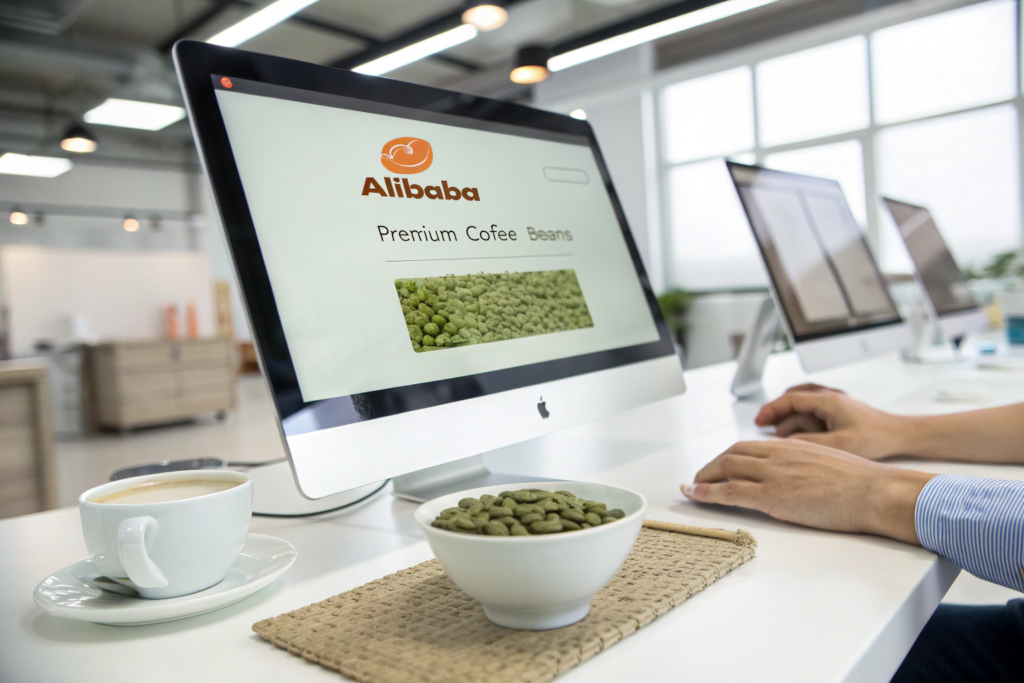
Can you sell specialty coffee on Alibaba?
Yes, but you have to position yourself carefully. You're competing with thousands of listings. Most of them are low-quality, low-price sellers. Standing out requires effort.
First, your product page matters. High-quality photos. Detailed specifications. Certification documents. Cupping notes. Make it look professional. Make it look different from the commodity sellers.
Second, use Alibaba's verification services. Gold Supplier status. Trade Assurance. Onsite checks. These signals matter to buyers who are nervous about sending money overseas. They reduce perceived risk.
Third, respond fast. Alibaba buyers expect quick replies. We aim for under one hour during business hours. That responsiveness builds confidence. We've found that buyers who find us on Alibaba often become long-term clients after we move communication off-platform. It's a lead generation tool, not an end in itself. Resources from Alibaba.com themselves offer good guidance on optimizing your storefront.
What's the role of Google and website SEO?
Your website is your home base. Everything else—LinkedIn, Alibaba, trade shows—drives people there. So your site needs to answer their questions.
We focus on educational content. Blog posts about Yunnan coffee. Articles about processing methods. Guides to green coffee storage. When someone searches "Yunnan coffee supplier" or "Chinese Arabica exporter," we want them to find us. Not because we paid for an ad. Because we wrote useful content.
SEO takes time. Months, sometimes years. But the payoff is sustainable. Once you rank for your key terms, you get consistent inbound inquiries without paying per click. We work with Shanghai Fumao on our logistics content, showing how we move coffee reliably. That content ranks for shipping-related searches too.
Google Ads can work for short-term campaigns, especially around harvest seasons. But organic content is the long game. Tools like Ahrefs and SEMrush help us find the right keywords to target.
What's the Real Value of Trade Shows in a Digital World?
Some people say trade shows are dying. I disagree. They've changed, certainly—no longer the stuffy, fluorescent-lit warehouses of yore where attendees shuffled past booths with eyes glazed over by endless brochures and stale coffee. Today's trade shows pulse with energy, a vibrant tapestry of innovation and connection woven into sleek, modern spaces bathed in warm, inviting lighting. The air hums with the low murmur of excited conversations, the clink of glasses at networking lounges, and the soft buzz of digital displays showcasing cutting-edge products. For B2B coffee? They're still essential. Imagine stepping into a bustling B2B coffee trade show: the aroma of freshly ground beans mingles with the crisp scent of new machinery, creating an intoxicating blend that draws you in. Vendors stand behind gleaming espresso machines, their hands moving with practiced precision as they craft perfect cups, each one a tiny masterpiece meant to showcase the quality of their equipment or the uniqueness of their blends.
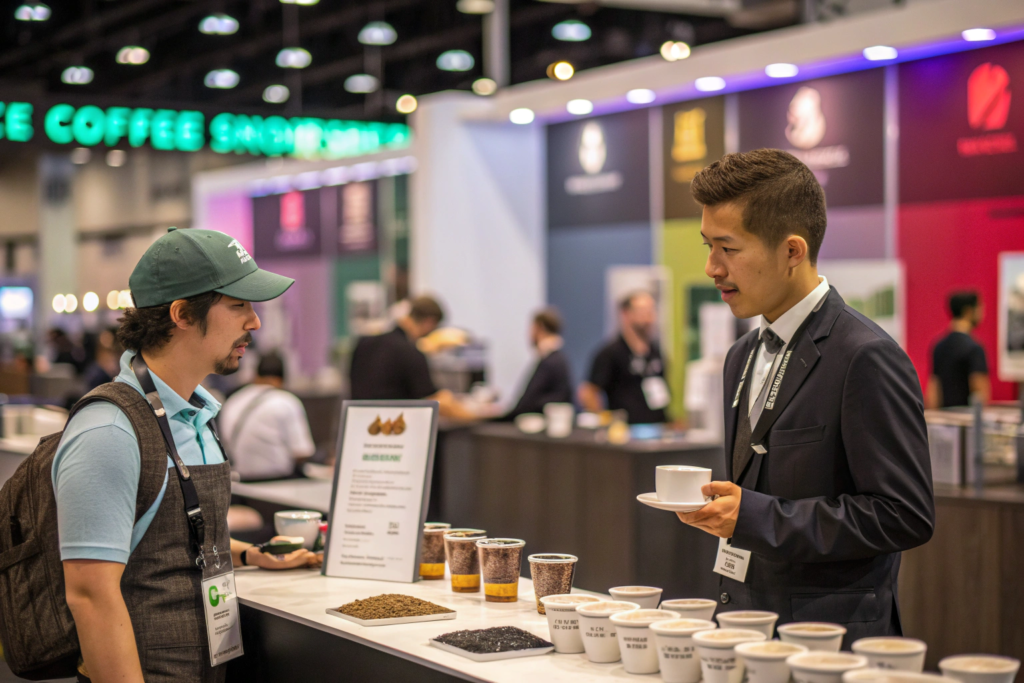
How do you make trade shows worth the investment?
Trade shows are expensive. Flights, hotels, booth costs, shipping samples—it adds up fast. So you need a strategy, not just a booth.
Before the show, we research attendees. Who's coming? Who do we want to meet? We reach out in advance and schedule meetings. We don't wait for people to wander by.
At the show, we focus on quality conversations, not quantity. Ten good meetings are better than a hundred business card drops. We listen more than we talk. What are buyers struggling with? What are they looking for? We take notes. We follow up within a week, referencing specific parts of our conversation.
After the show, the real work begins. We send samples. We schedule video calls. We build the relationship. The show is just the introduction. The follow-up is where sales happen.
Major shows like SCA Expo and HostMilano are worth attending. Regional shows can be even better for specific markets.
Can virtual events replace in-person meetings?
No. And I say this as someone who tried hard to make them work during the pandemic. Virtual events are better than nothing. They maintain relationships. But they don't build new ones the same way.
Coffee is sensory. It's tactile. Buyers need to smell the beans, see the color, taste the cup. You can't replicate that over Zoom. And trust? That's built in person. Over coffee. Looking someone in the eye.
That said, virtual meetings are excellent for follow-up. After meeting someone at a show, regular video calls maintain the connection. They're efficient. They save travel time. But they supplement in-person meetings. They don't replace them.
How Should You Use Social Media Beyond LinkedIn?
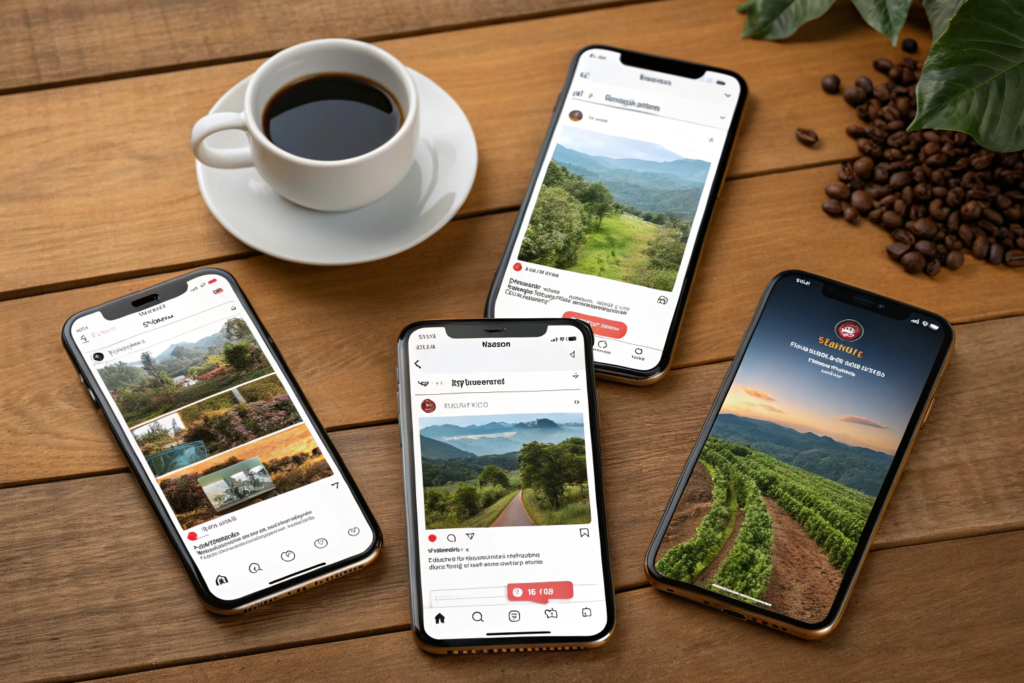
LinkedIn stands as our primary professional platform, a digital boardroom where polished profiles and strategic connections weave the fabric of career advancement. Its sleek interface hums with the energy of ambition—headshots that exude confidence, endorsements that sparkle like tiny badges of achievement, and posts that dissect industry trends with the precision of a seasoned analyst. Yet, other social channels carve out their own indispensable niches, each a distinct brushstroke in the canvas of our online presence. Instagram, for instance, breathes life into our personal brand with vibrant visuals: sunlit coffee cups beside open laptops, candid snapshots of collaborative team huddles, and behind-the-scenes glimpses that humanize the face behind the resume.
Is Instagram valuable for B2B coffee marketing?
Absolutely. Instagram is visual. Coffee is beautiful. It's a natural fit.
We use Instagram to show our farms. The mountains of Yunnan. The red cherries against green leaves. The workers sorting harvests. It builds an emotional connection that buyers appreciate. When they see our feed, they feel like they know us before we ever talk.
We also use Stories for real-time updates. Harvest begins? We show it. New lot available? We post it. Processing experiment? We document it. This immediacy builds engagement. Followers feel involved.
And yes, buyers are watching. We've had clients message us saying, "I saw your harvest photos. Can I get a sample?" Instagram led directly to sales. For inspiration, check how Counter Culture Coffee or Onyx Coffee Lab use visual storytelling.
What about Facebook, TikTok, and YouTube?
Facebook is for community. We're in several coffee buying and selling groups. Not to spam—to participate. Answer questions. Share expertise. Occasionally mention what we do. When someone in the group needs a Chinese supplier, our name comes up naturally because we've been helpful.
TikTok is newer for us. Honestly, we're still figuring it out. Short videos of farm life seem to work. Harvest moments. Sorting processes. Quick tips. It reaches a younger audience—future buyers, not current ones. But building that awareness early matters.
YouTube is for education. We post longer videos about Yunnan coffee, processing methods, quality control. These rank in search. They establish authority. And they're evergreen—people find them years later. Equipment reviews from channels like James Hoffmann show the power of coffee video content.
How Do You Integrate All These Channels Effectively?
Having multiple channels is good—like tending a garden with diverse blooms, each contributing its unique hue and fragrance to the landscape of your message. A single channel might whisper softly, but a bouquet of channels sings in harmony, reaching ears in different rooms, at different times, through different windows. Having them work together is better; it’s like orchestrating a symphony where each instrument—strings, brass, woodwinds—plays its part, yet blends into a melody that resonates deeper than any single note could. Integration multiplies results: it’s not just 1+1=2, but 1+1=10, as ideas flow seamlessly from one platform to another, reinforcing each other like threads woven into a tapestry, creating a rich, cohesive narrative that lingers in the minds of your audience, turning casual listeners into devoted followers, and fleeting interactions into lasting connections.

What's the customer journey across channels?
A typical new client might find us first on LinkedIn—maybe I commented on their post. They visit our website, read some blog posts. They see we're at an upcoming trade show. They stop by our booth. We cup together. They take samples. After the show, we connect on WhatsApp. They roast the samples, love them. We negotiate via email. They place a trial order through Alibaba for payment protection. The first shipment goes smoothly with Shanghai Fumao handling logistics. Then they order directly, building a long-term relationship.
Every channel played a role. LinkedIn for introduction. Website for credibility. Trade show for relationship. Alibaba for transaction security. Email for ongoing communication. None alone would have closed the deal. Together, they worked.
How do you track what's working?
This is hard. Attribution in B2B is messy. A client might interact with your brand dozens of times across multiple channels before buying. Which one gets credit?
We use UTM parameters on all our links. We ask new clients, "How did you hear about us?" We track which trade shows generate leads. We monitor which content gets the most engagement.
But honestly? We don't obsess over perfect attribution. We look for patterns. If LinkedIn engagement is up and inquiries are up, likely connected. If trade show attendance drops and new client volume drops, probably connected. We adjust based on these signals.
CRM systems like Salesforce or HubSpot help track interactions. But the human element—talking to clients, understanding their journey—matters just as much.
Conclusion
Marketing B2B coffee today means being everywhere your customers are. LinkedIn for professional networking. Alibaba for discovery and transaction security. Trade shows for relationship building. Instagram for visual storytelling. Your website for authority. And integrating them so each channel supports the others.
At Shanghai Fumao, we've built our marketing around this integrated approach. We're active on LinkedIn. We maintain a strong Alibaba presence. We attend major trade shows. We share our farm life on Instagram. And we publish educational content on our website. Every channel feeds the others.
If you're a buyer looking for reliable Yunnan coffee, we're easy to find. Reach out on any platform. But the best way? Email our export manager directly. Cathy Cai coordinates all our channels and can connect you with the right information and samples.
Email her at: cathy@beanofcoffee.com. Let's start a conversation—wherever you found us.