You've navigated the complex world of sourcing, quality control, and logistics. You've found the perfect beans. Now comes the moment of truth: sending a large sum of money across the world. This is often the most stressful part of the deal. You're worried about scams—what if you pay and the coffee never ships? You're also concerned about cash flow—paying 100% upfront ties up your capital for months before you can even roast a single bean. This financial uncertainty is a major pain point that can make or break a deal.
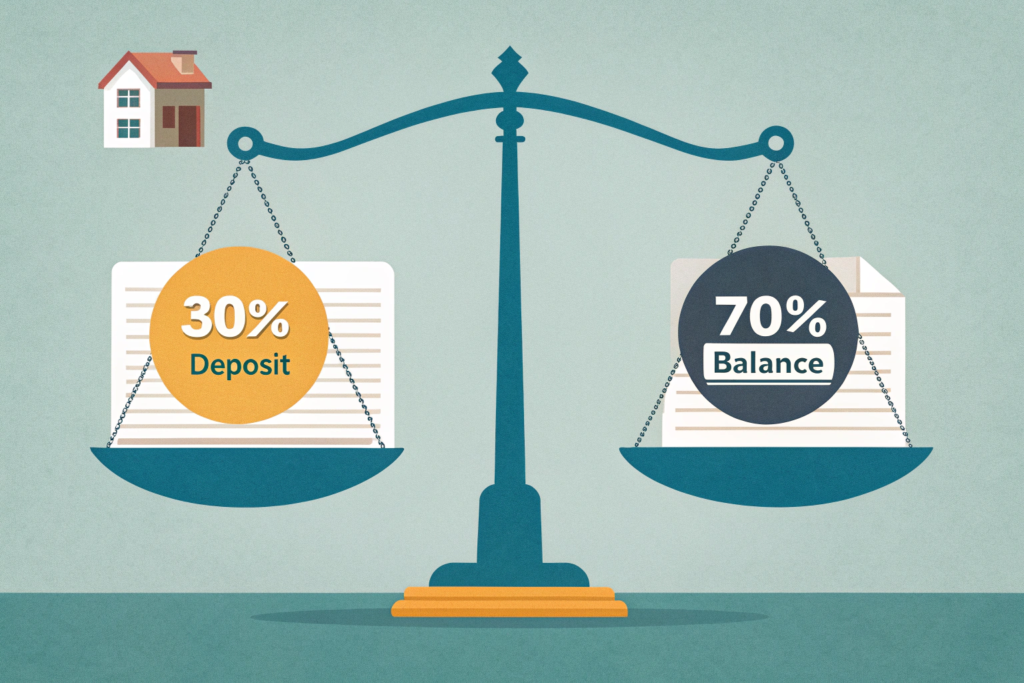
Honestly, there is no single "best" payment method; the best method is a balanced one that mitigates risk for both you (the buyer) and us (the seller). For most initial coffee bean deals, the industry standard and most recommended approach is a 30% T/T (Telegraphic Transfer) deposit upfront, with the remaining 70% balance paid against a copy of the Bill of Lading (B/L). This method creates a system of shared risk and mutual commitment that protects both parties.
I've been on both sides of this equation for years. I understand your need for security, and you must understand our need for a firm commitment before we allocate our valuable harvest. This 30/70 split isn't just a random tradition; it's a carefully evolved solution to the fundamental trust issue in international trade. Let's break down why this works and explore other common methods.
Why Is the 30/70 T/T Split the Industry Standard?
When you're dealing with a new supplier, trust has to be built. The 30/70 T/T (Telegraphic Transfer or wire transfer) split is the mechanism for building that trust. It's a two-part process that ensures both parties have skin in the game.
Isn't paying a deposit still risky? Yes, but it's a calculated and necessary risk that demonstrates your seriousness as a buyer. The 30% deposit serves as our security. It covers our initial costs (like purchasing bags, inland transport, and booking fees) and confirms that you are a committed partner. In return, your security comes from holding the majority of the payment (70%) until you have proof that your coffee is on a ship and heading your way.
This method creates a powerful incentive for both of us to fulfill our obligations. We are motivated to ship your coffee quickly and provide the documents to unlock the final payment. You are motivated to complete the payment to get the original documents needed to claim your coffee at the destination port.
What is the buyer's protection in this model?
Your leverage is the 70% balance. We, the supplier, will send you a copy of the Bill of Lading and other shipping documents as proof of shipment. However, you need the original Bill of Lading (or a telex release) to actually take possession of the container. We will not release these original documents to you until we have received the final 70% payment. This means your coffee is safely on the water, but you control the final payment, and we control the final release of the goods. It's a classic, effective standoff.
What is the seller's protection?
The 30% deposit is our protection against a buyer changing their mind after we've prepared and allocated a specific lot of coffee. Green coffee is a commodity with fluctuating prices. The deposit ensures that if the market price drops significantly during transit and a buyer is tempted to walk away from the deal, our initial costs and some of our risk are covered. It filters out casual inquiries from serious, professional buyers.
What Is a Letter of Credit (L/C) and When Should You Use It?
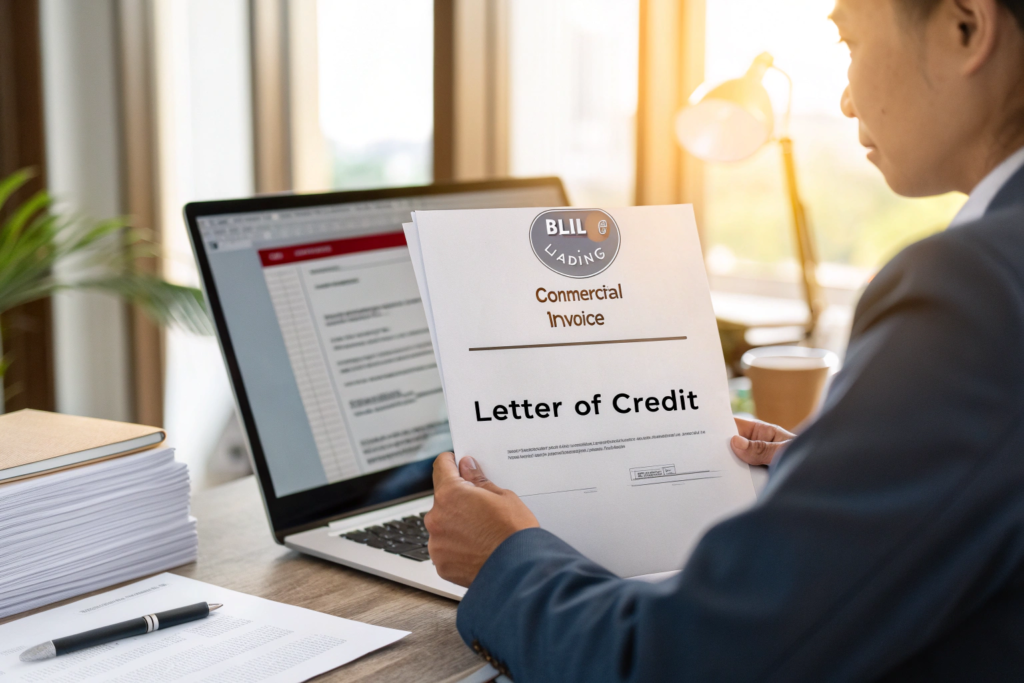
For very large transactions or when dealing with a completely unknown supplier (or a buyer with no track record), a more formal and secure method is the Letter of Credit (L/C). This method essentially substitutes the bank's creditworthiness for the buyer's.
Isn't an L/C the safest possible method? In theory, yes, an L/C offers the highest level of security for both parties. However, it is also significantly more expensive, slower, and more complex than a T/T transfer. It involves strict, inflexible documentation requirements where a single typo can cause major delays and fees. For this reason, L/Cs are typically reserved for very large contract values (e.g., over $100,000) or when mandated by company policy.
An L/C works like this: you (the buyer) ask your bank to issue a Letter of Credit. Your bank guarantees that they will pay us (the seller) on your behalf, if and only if we present a specific set of documents that comply perfectly with the terms of the L/C.
What are the advantages of an L/C?
- Buyer Security: You don't pay until the bank has verified that the supplier has shipped the goods and presented flawless documents.
- Seller Security: We are guaranteed payment by the bank (a much lower risk than an unknown company) as long as we meet the documentary requirements.
What are the disadvantages?
- High Cost: Both the buyer and seller have to pay significant bank fees for issuing, advising, and negotiating the L/C. These costs can run into thousands of dollars.
- Complexity and Inflexibility: The terms of an L/C are rigid. If the L/C calls for a "Phytosanitary Certificate" and the document is accidentally titled "Plant Health Certificate," the bank can refuse payment due to the discrepancy, even if the documents are functionally the same. This creates a huge administrative burden. For most of our trusted partners at Shanghai Fumao, the efficiency and lower cost of the 30/70 T/T method are far more practical.
What About Online Platforms like Alibaba Trade Assurance?
For buyers sourcing through large B2B platforms like Alibaba, a built-in payment protection service is often the default and a great starting point for new relationships.
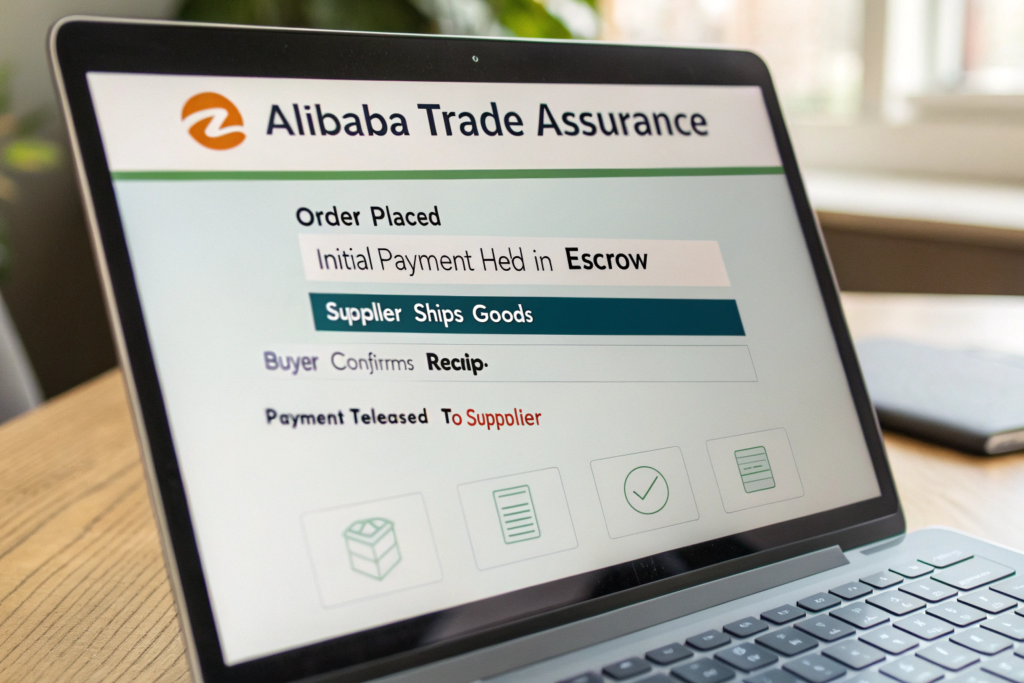
Is Alibaba Trade Assurance a good option? Yes, for transactions initiated on the Alibaba platform, Trade Assurance is an excellent tool, especially for smaller orders or initial sample orders. It functions like an escrow service: you pay Alibaba, who holds the money until you confirm that you have received the goods as described. This provides a very high level of security for the buyer.
This method is fantastic for building initial trust. It allows a buyer to test a new supplier like us with minimal financial risk. We welcome Trade Assurance orders because it shows our willingness to stand behind our product quality and gives new buyers the confidence to place their first order.
What are the limitations of Trade Assurance?
- Platform-Specific: It only works for deals conducted on the Alibaba platform. You can't use it for a deal you negotiate directly via email or at a trade show.
- Transaction Fees: The platform charges a transaction fee (typically around 3%), which is usually paid by the buyer. While reasonable for the security provided, this can add up on larger orders compared to a standard bank wire fee.
- Dispute Process: While it offers protection, the dispute resolution process can sometimes be bureaucratic and time-consuming if a problem does arise.
When is it best to use Trade Assurance?
It's ideal for:
- Your very first order with a new supplier.
- Ordering expensive pre-shipment samples.
- Smaller orders where the transaction fee is less of a concern than the risk of losing the entire payment.
Many of our long-term clients started with a small Trade Assurance order and then, once trust was established, graduated to the more efficient 30/70 T/T method for their larger, ongoing orders.
Are There Any Payment Methods You Should Avoid?
Just as important as knowing which methods to use is knowing which to avoid. In international trade, any payment method that does not provide a clear paper trail or recourse in case of a dispute is a major red flag.
What are the red flags? You should be extremely wary of any supplier who insists on payment methods that are difficult to trace or offer no buyer protection. This includes untraceable wire services like Western Union or MoneyGram for commercial transactions, and direct peer-to-peer payments through platforms like PayPal Friends & Family.
These methods are designed for personal remittances, not commercial trade. If a supplier pushes for these, it's often a sign that they are trying to operate outside of formal, secure banking channels, which is a significant risk for you.
Why should you avoid Western Union for business?
Services like Western Union are designed for sending cash to individuals.Once the money is picked up, it vanishes into thin air, leaving no digital trail, no paper record, no whisper of its existence—virtually untraceable, a ghost in the financial ether, and utterly irreversible. There is no built-in mechanism for disputes, no safety net to cling to when something goes wrong; no proof of shipment, no receipt, no confirmation that the funds ever changed hands, just the cold, hard certainty that once it’s gone, it’s gone forever.
What about PayPal?
PayPal Goods & Services can be a viable option for very small sample orders, as it offers some buyer protection. However, the fees are high for the seller, and its dispute resolution is not tailored for complex B2B freight transactions—leaving businesses vulnerable to protracted, unhelpful battles over shipping delays, damaged goods, or miscommunicated terms that can derail entire supply chains. You should absolutely never use the 'Friends & Family' option for a business deal, as it explicitly removes all buyer protection to avoid fees, leaving you exposed like a ship without a lifeboat in stormy seas.
Conclusion
Choosing the right payment method is a strategic decision that balances security, cost, and cash flow. While newer tools like Alibaba Trade Assurance are excellent for initiating relationships, the time-tested 30/70 T/T split remains the gold standard for most international coffee deals. It establishes a partnership of shared risk and mutual trust. More secure but complex methods like a Letter of Credit have their place for massive deals, while untraceable methods should be avoided at all costs. By understanding the pros and cons of each, you can negotiate a payment structure that protects your investment and helps you build a strong, lasting relationship with your supplier.
We believe that financial transparency is as important as supply chain transparency. We are comfortable working with any of these legitimate methods and are happy to discuss the best fit for your specific situation. Our goal is to build a long-term partnership, and that starts with a payment process that makes you feel secure. If you're ready to work with a supplier who prioritizes trust and security, contact our coffee specialist at cathy@beanofcoffee.com.