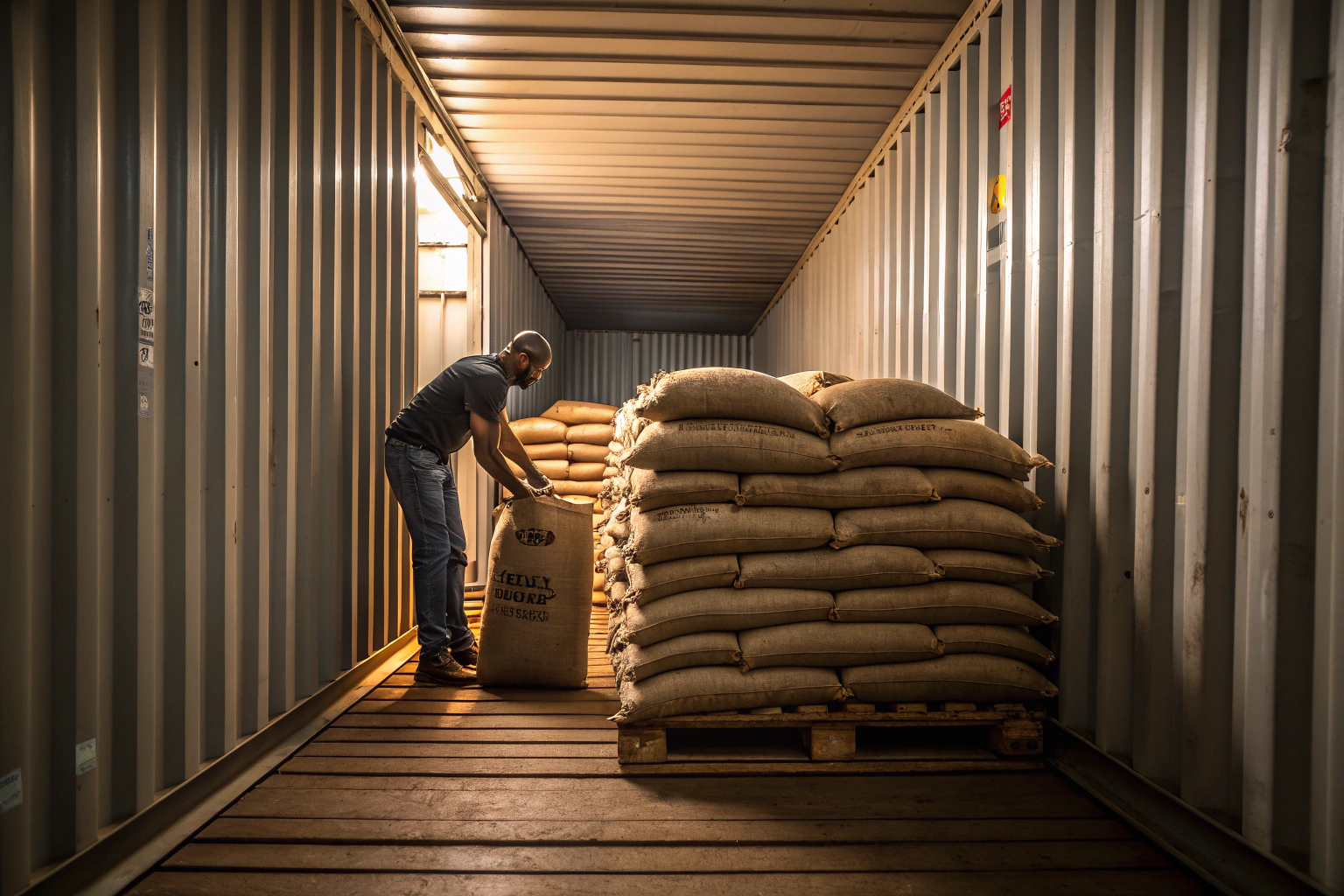
You've done everything right. You've sourced beautiful beans, approved the samples, and negotiated the contract. Now, your coffee is being loaded into a container on the other side of the world. This is a moment of immense vulnerability. You're picturing your precious cargo embarking on a long, perilous journey across the ocean. Your biggest fear? That it will arrive damaged—molded from condensation, tainted by strange odors, or physically crushed from a poorly loaded container. This is a huge pain point because all your hard work is at the mercy of a few crucial hours of manual labor that you can't see or control.
Honestly, the best practice for loading a coffee container is to treat it not like loading a box, but like building a fortress. It's a systematic process of creating a stable, dry, and isolated environment within the container. This involves three non-negotiable pillars: 1) Meticulous container inspection and preparation before a single bag enters, 2) Strategic moisture control using liners and industrial-grade desiccants, and 3) Building a tight, stable, and interlocked stack of bags to prevent any movement during transit.
I've personally overseen the loading of hundreds of containers from our facilities in Yunnan. I've learned that cutting corners at this stage is the most expensive mistake you can make. A few extra dollars spent on desiccants and proper lining can save you from a five-figure loss. Let's walk through the exact steps that separate a professional loading process from a potential disaster.
How Do You Prepare the Container Before Loading?
The process begins before the first bag of coffee is even brought near the container. The container itself is your first line of defense, and you must ensure it's structurally sound and clean.
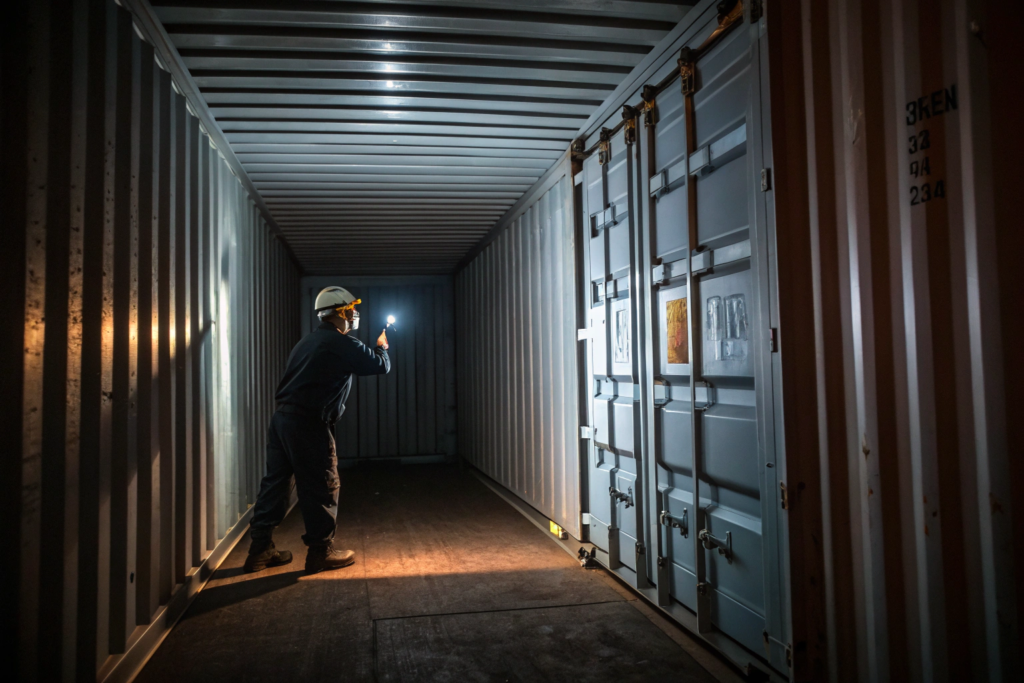
Isn't a container just a standard metal box? Far from it. Shipping containers endure incredible abuse and can have hidden holes, residual odors from previous cargo, or structural weaknesses. A thorough inspection is mandatory. The most critical inspection is the "light test": send a worker inside, close both doors, and look for any pinpricks of light coming through the walls or ceiling. If you see light, you have a hole, and that container must be rejected immediately.
A tiny, invisible hole can let in a surprising amount of water during a storm at sea. You cannot risk it.
What's on the pre-loading inspection checklist?
Before accepting a container from the shipping line, your supplier's team must verify:
- No Holes (Light Test): As described above. This is pass/fail.
- It's Dry: The container floor and walls must be completely dry. Any moisture is a red flag.
- It's Clean: There should be no dirt, debris, or residue from previous cargo.
- No Odors: The container should be completely neutral-smelling. A container that previously carried chemicals, spices, or other strong-smelling goods can permanently taint your coffee. If it smells like anything other than metal and wood, reject it.
- Doors Seal Properly: The rubber gaskets on the doors must be intact and create a tight seal when closed.
Why is container cleanliness so important?
Coffee beans are like sponges for aromas. If the container previously held something like garlic powder or car tires, those volatile compounds can linger in the container's wooden floor and be absorbed by your coffee during the journey, a phenomenon known as taint. This can completely ruin the flavor profile of the coffee.
How Do You Win the War Against Moisture?
This is the most important battle you will fight. "Container rain" is a real and devastating phenomenon. As a container travels from a warm, humid climate (like ours in Yunnan) to a cooler one, the moisture in the air inside the container condenses on the cold ceiling and walls, "raining" down onto the cargo.
Can a few bags of silica gel really make a difference? We're not talking about the little packets you find in a shoebox. To control moisture in a 20-foot container, you must insist on two things: lining the container walls and using multiple, large, industrial-grade container desiccants. This creates a two-part defense system: the liner protects the bags from direct contact with wet walls, and the desiccants actively pull moisture out of the air.**
At Shanghai Fumao, we consider a minimum of 6-8 large (1-2 kg) desiccant bags to be the standard for a 20-foot coffee container. Cutting corners here is asking for mold.
What kind of liner is best?
- Kraft Paper: The most common and effective method is to line the container walls with two layers of heavy-duty kraft paper. This acts as a physical barrier and can absorb minor amounts of condensation.
- Container Liners: For very high-value or sensitive coffees, you can use a full plastic container liner that essentially creates a "bag within a box," completely isolating the coffee from the container environment.
Where do you place the desiccants?
The desiccants (products like Absortech or Cargo DryPak) should be hung from the lashing rings along the top edges of the container. This is because warm, moist air rises. Placing the desiccants high up allows them to capture the moisture before it has a chance to condense on the ceiling. They should be distributed evenly throughout the length of the container.
How Do You Build a Stable, "Bulletproof" Stack?
A container on a ship at sea is subjected to immense and constant forces: rolling, pitching, and yawing. If the coffee bags are not loaded correctly, they can shift, fall, and get crushed, leading to burst bags and spilled coffee.
Isn't it just a matter of fitting as many bags as possible? No, the goal is to create a single, solid, immovable block of coffee inside the container. This is achieved by using an interlocking stacking pattern and ensuring the stack is as tight as possible against the walls and the ceiling. Any empty space is an opportunity for movement, and movement leads to damage.
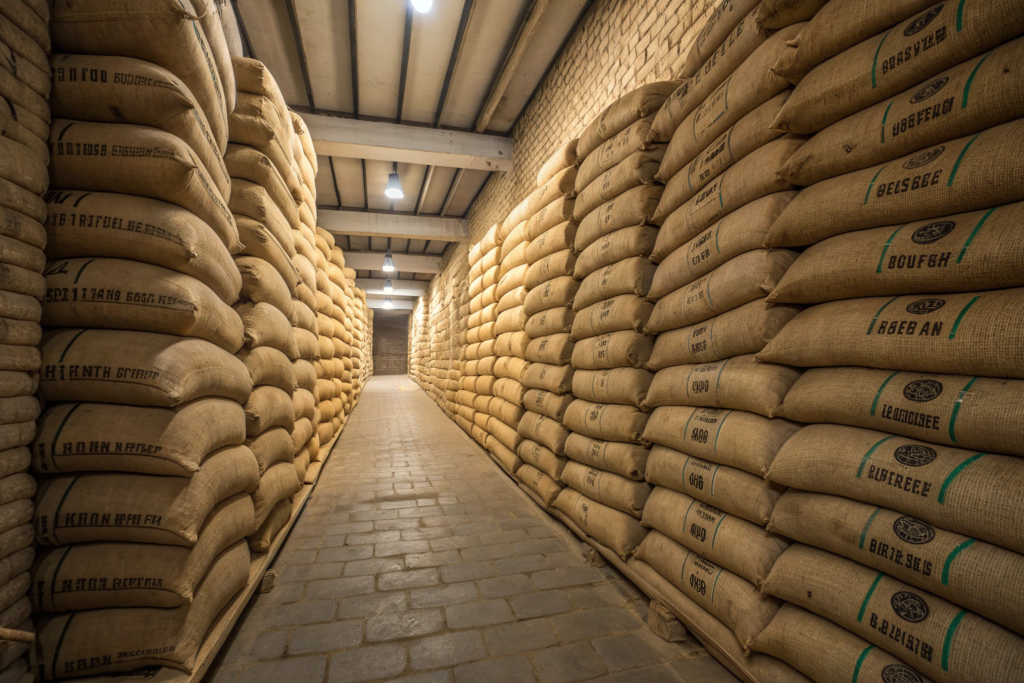
The loading team should be playing a real-life game of Tetris. The bags should be stacked in an alternating, interlocking pattern, just like bricks in a wall. This distributes the forces and prevents individual columns of bags from toppling over.
What is the ideal stacking pattern?
The bags should be laid flat, not stood on their ends. Each layer should be oriented 90 degrees to the layer below it. For example:
- Layer 1: Bags are laid lengthwise (front to back of the container).
- Layer 2: Bags are laid crosswise (side to side).
- Layer 3: Bags are laid lengthwise again.
This interlocking pattern creates an incredibly stable structure.
How do you handle the space at the end?
It's very rare that the bags will perfectly fill the entire length of the container. You will almost always have a gap near the doors. This gap must be filled.
- Bracing: Use wooden beams (dunnage) or inflatable airbags to brace the last row of bags against the doors. This prevents the entire stack from shifting forward and backward during the voyage.
- No Empty Space: The goal is zero movement. A well-loaded container should feel like it's filled with a single, solid block of concrete.
What Final Checks and Documentation Are Needed?
The last bag is in, and the doors are about to be closed. A few final steps are crucial for security and documentation.
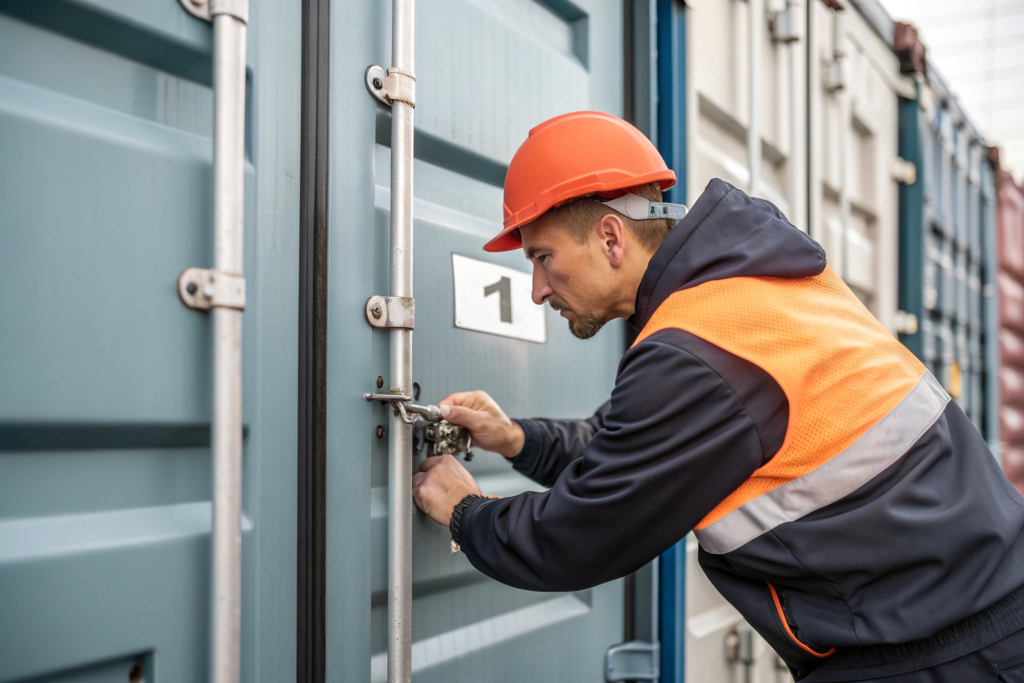
My coffee is loaded, so we're done, right? Not yet. You need proof. The supplier must document the entire loading process with photographs and, most importantly, record the unique number of the container seal. This seal is your proof that the container was not opened between the time it left your supplier and the time it arrived at your port.
This documentation is your protection. It proves that the supplier followed the correct procedures and secured the container properly.
What photos should the supplier send you?
We have a standard photo protocol for every shipment:
- Photo of the empty, clean container before loading.
- Photos taken during the loading process, showing the liner, desiccants, and stacking pattern.
- Photo of the fully loaded container just before the doors are closed.
- Photo of the closed right-side door.
- Photo of both doors closed.
- A clear, close-up photo of the final container seal with the number legible.
What is the significance of the container seal?
The container seal is a single-use, uniquely numbered lock. The seal number is recorded on the Bill of Lading. When the container arrives, you or your customs broker should verify that the seal is intact and that the number matches the one on your documents. If the seal is broken or the number doesn't match, it's a major red flag that the container may have been tampered with, and you should inspect the contents immediately before taking delivery.
Conclusion
Loading a coffee container is a science. It's a series of deliberate, professional steps designed to protect the quality and integrity of the coffee beans inside. From the initial inspection of the empty container to the final click of the container seal, every detail matters. By understanding and insisting on these best practices—a clean and sound container, robust moisture control, a stable interlocking stack, and thorough documentation—you can transform the riskiest part of the supply chain into a secure and predictable process. It ensures that the beautiful coffee you purchased is the same beautiful coffee that arrives at your roastery door.
We believe that our responsibility for the coffee we grow extends all the way to your warehouse. That's why we have made these professional loading practices a non-negotiable part of our export process. If you're looking for a partner who is as obsessed with the fine details of logistics as they are with the quality of the coffee, we invite you to start a conversation. Contact our coffee specialist at cathy@beanofcoffee.com to learn more.