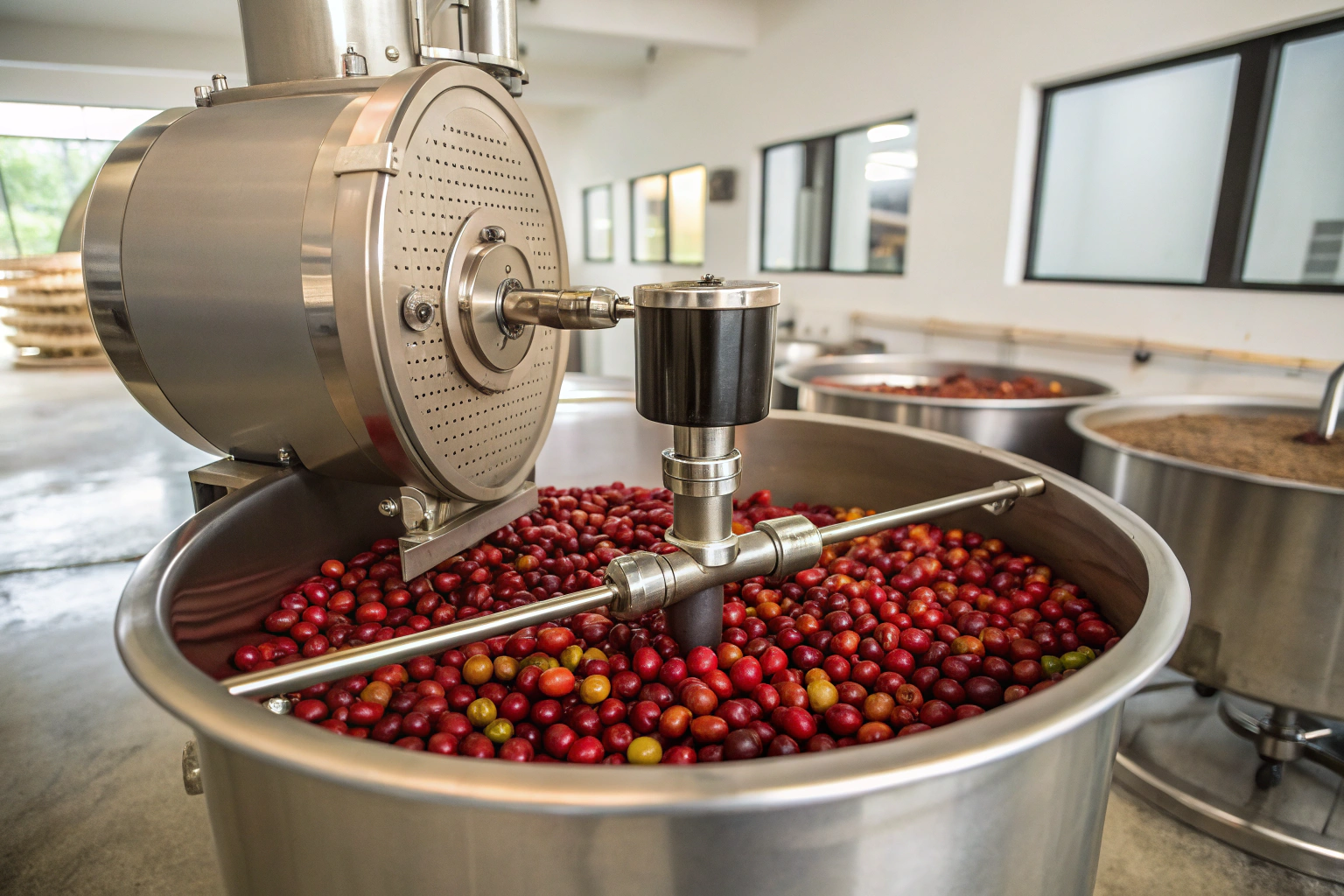
You walk into a specialty cafe and see a coffee labeled "Anaerobic Fermentation." It's priced higher, and the description mentions wild flavors like strawberry, red wine, or even bubblegum. It sounds intriguing, but also confusing. Is it just a trendy buzzword, or does it fundamentally change the coffee in your cup?Anaerobic fermentation coffee is characterized by a distinctly intense, winey, and complex flavor profile, often with pronounced fruity or fermented notes, a fuller body, and lower perceived acidity. This is achieved by fermenting the coffee cherries in a fully sealed, oxygen-deprived environment, which promotes a different microbial activity compared to traditional washed or natural processes. It’s a deliberate, controlled processing method that pushes the boundaries of coffee flavor.
So, what's the big deal? Honestly, it represents a major shift. For centuries, coffee processing was about consistency and removing defects. Anaerobic fermentation is about guided experimentation. It’s like the difference between baking classic sourdough and crafting a sour beer with specific yeast strains. This article will unpack exactly how this method works and what it means for you, whether you're a curious drinker or a professional buyer sourcing the next standout lot.
How Does the Anaerobic Process Create Unique Flavors?
The magic—and science—happens in the tank. After harvesting, whole coffee cherries are placed into a fermentation tank that is then sealed airtight. Often, carbon dioxide (CO2) is pumped in to displace any remaining oxygen. A one-way valve allows CO2 produced during fermentation to escape, preventing the tank from bursting while maintaining the oxygen-free environment.
This oxygen deprivation changes everything. In a traditional open-air (aerobic) fermentation, yeasts and bacteria that need oxygen thrive. In an anaerobic environment, different microorganisms take over, primarily lactic acid bacteria and some specific yeasts that can ferment without oxygen. Their metabolic pathways are different. They produce a distinct set of acids, esters, and alcohols. These compounds, which wouldn't develop as prominently in aerobic conditions, are what infuse the bean with those intense, often surprising, flavors. It’s a principle shared with winemaking techniques like carbonic maceration.
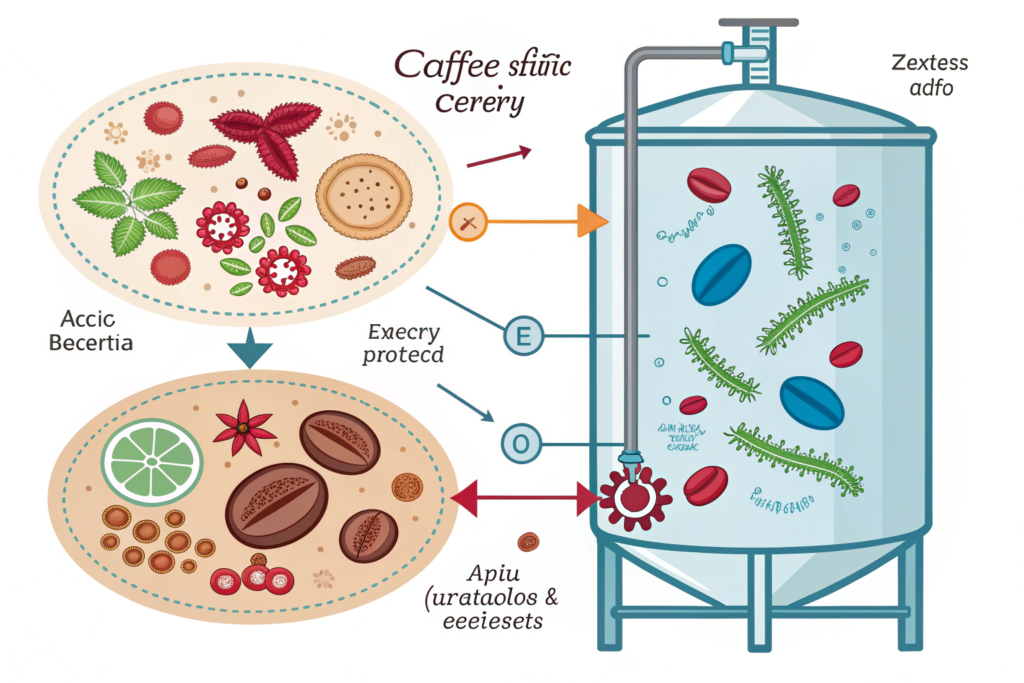
What is the Role of Controlled Variables in the Tank?
This isn't a "set it and forget it" process. The producer acts like a director, controlling key variables to guide the flavor outcome. The main levers are:
- Time: Fermentation can last from 24 hours to over 96 hours. Longer ferments generally yield more intense, funky, and wine-like notes.
- Temperature: Cooler temperatures slow fermentation, potentially creating more nuanced, acidic profiles. Warmer temperatures speed it up, encouraging bolder, heavier flavors.
- Cherry Selection & Substrate: Some producers add specific yeasts, fruit pulps, or even blend different cherry varieties into the tank to create a custom "terroir." The sugar content (Brix level) of the cherry is crucial as it's the food for the microbes.
This level of control is a world away from leaving cherries to dry on a patio. It’s a precision tool.
How Do the Microbial Activities Differ from Aerobic Fermentation?
Let's simplify. Think of aerobic fermentation as a bustling outdoor market with lots of oxygen—many different microbes are active, but the process is faster and can be less predictable. Anaerobic fermentation is like a sealed, curated laboratory. With oxygen removed, the ecosystem is more selective. Lactic acid bacteria become dominant. They convert sugars into lactic acid, which is generally smoother and less sharp than the acetic acid (vinegar) more common in aerobic processes. This shift in acid profile is a huge reason why anaerobic coffees often taste less bright and more rounded, with a creamy, yogurt-like sourness that complements the fruit flavors. Resources like Coffee Chemistry delve deeper into these biochemical transformations.
What are the Typical Flavor, Aroma, and Body Profiles?
Tasting an anaerobic coffee for the first time can be a revelation—or a shock. Forget the classic "coffee" flavor. These coffees demand a different palate, one more akin to evaluating a fine wine or craft beer.
The aroma is often the first clue. You might get a potent, fermented fruit blast—think overripe strawberry, pineapple, or fermented jackfruit. On the palate, the flavors are intense and layered. Common descriptors include red wine, bourbon, dark berries, tropical fruit, bubblegum, and even spices like clove or cinnamon. The acidity is different; it’s often described as "lactic" – think yogurt, cream cheese, or a soft malic acid (like apple), rather than a sharp citric (lemon) brightness. The body is typically full, syrupy, and coating, a direct result of the extended fermentation breaking down the bean's structure. The aftertaste is long and wine-like.

Is the Flavor "Fermented" or "Over-Fermented"?
This is a critical distinction. A well-executed anaerobic process aims for a controlled fermented flavor that is complex and enjoyable, not a defect. The goal is to enhance the intrinsic flavors of the bean. An over-fermented coffee, however, tastes of vinegar, rotten fruit, or acetone—it's a flaw. The skill of the producer lies in monitoring the tank and stopping fermentation at the perfect moment to achieve intensity without tipping into spoilage. For buyers, understanding this line is key. A good reference is the Specialty Coffee Association's flavor wheel, which helps distinguish between positive "fermented" notes and negative "phenolic" defects.
How Does Body and Mouthfeel Change?
The body becomes a major feature. The enzymatic activity during the long, slow anaerobic breakdown affects the pectins and sugars in the mucilage (the sticky fruit layer). This can create a thicker, more viscous texture in the final cup. It's why many describe these coffees as "juicy," "syrupy," or having a "velvety" mouthfeel. This heavier body can make the coffee feel more substantial and linger longer on the palate, which many drinkers find appealing and luxurious.
What are the Challenges and Criticisms of This Method?
For all its popularity, anaerobic fermentation is not without controversy. Some purists argue it masks the true terroir of the coffee, turning all beans into a similar, processed-driven flavor profile. Others point to practical and economic hurdles.
One major challenge is consistency and risk. It's a high-stakes process. A small error in sealing, temperature control, or timing can ruin an entire tank of expensive cherries. The investment in equipment—sealed tanks, gas systems, temperature controllers—is significant. This often translates to a higher price for the green coffee, which is then passed down the chain. Furthermore, the intense flavors can be polarizing; not every consumer wants a coffee that tastes like red wine and berries.
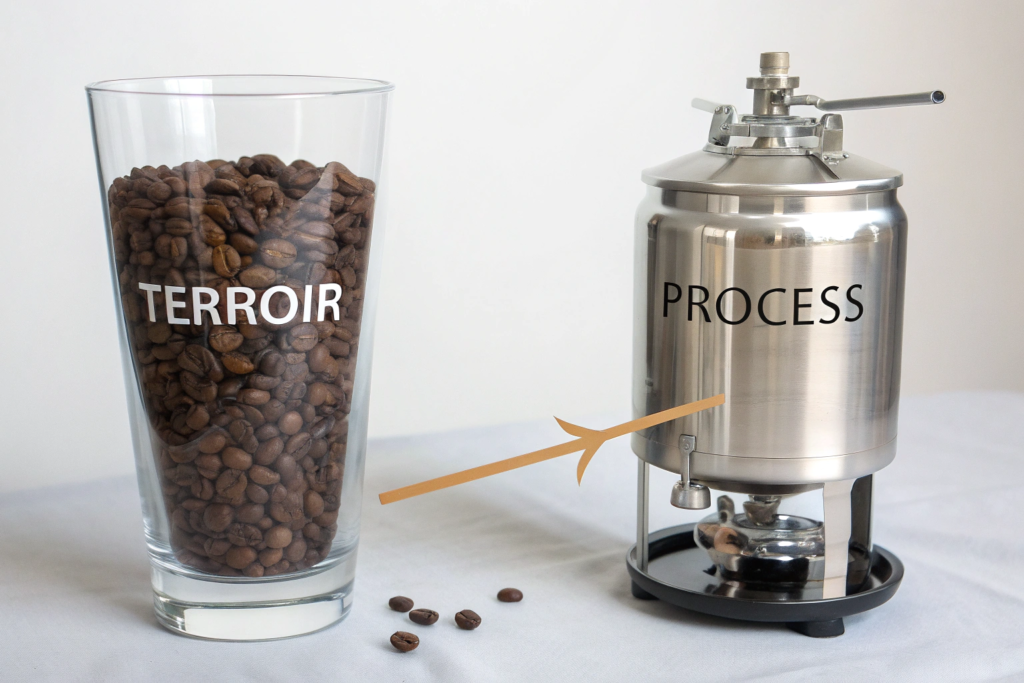
Does It Overpower the Coffee's Natural Origin Character?
This is the central debate. A coffee from Yunnan, Ethiopia, and Colombia, all processed anaerobically, might share more similarities with each other than with their traditionally processed counterparts from the same farm. The processing fingerprint can be so strong that it overshadows the subtler notes imparted by the soil, climate, and variety (the terroir). For producers like us at Shanghai Fumao, the art is in using anaerobic processing to complement the inherent qualities of our Yunnan beans—perhaps amplifying their natural fruity notes—rather than to completely overwrite them. It's a tool, not a cure-all.
What are the Scalability and Commercial Viability Issues?
This is a boutique, small-batch process. It’s difficult and risky to scale to the volume of a standard washed lot. The monitoring is labor-intensive. For a large wholesale exporter, offering anaerobic lots is about showcasing innovation and quality at the premium end, not about volume. It serves a specific market segment: roasters and cafes looking for standout, conversation-starting microlots. The commercial viability depends entirely on finding buyers who value and understand the product enough to pay its premium price.
How Should You Roast and Brew Anaerobic Coffee Beans?
This isn't coffee you can treat like any other. Its unique chemical makeup demands adjustments in both roasting and brewing to truly shine. Get it wrong, and you might end up with a muddled, overly funky, or flat cup.
The guiding principle is gentleness. These beans have undergone significant biochemical changes. They are often more porous and fragile. In roasting, a slower, more gradual development is key. Rushing the roast or applying too much heat early can scorch the delicate sugars and fermented compounds, creating harsh, ashy flavors. The goal is to preserve those volatile aromatics while achieving enough development to balance the acidity. Many roasters aim for a medium roast to highlight complexity without adding excessive roast bitterness that would clash with the inherent flavors.
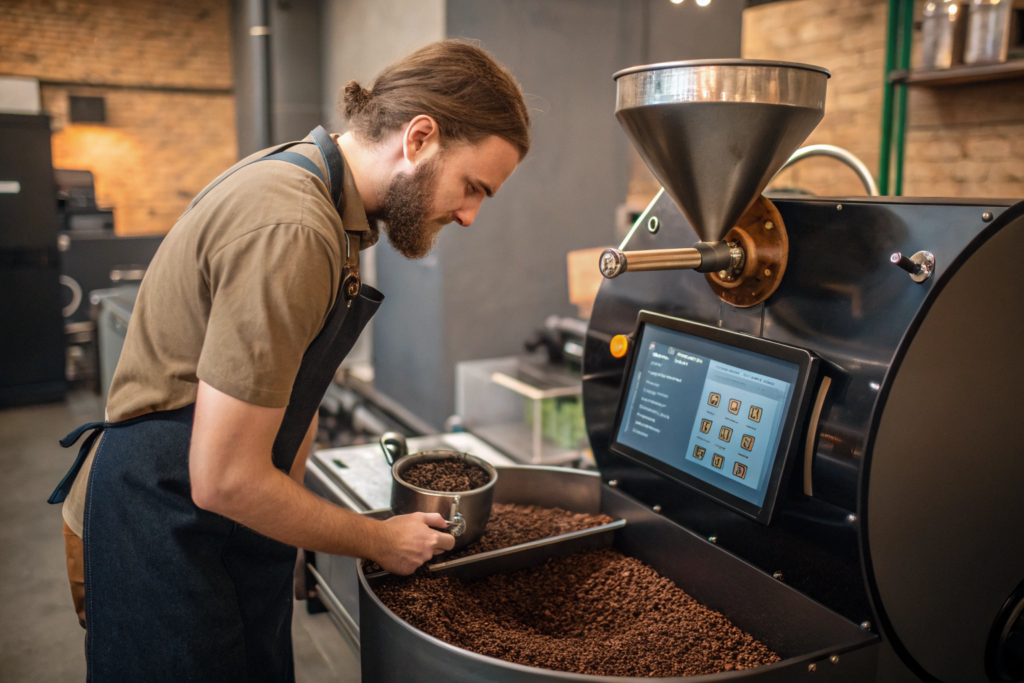
What are the Key Roasting Adjustments to Make?
First, lower the charge temperature (the temperature you drop the beans into). Start gentle. Extend the drying phase slightly to ensure even heat penetration without burning. Be very careful during the Maillard reaction and development phases—too fast, and you'll lose the unique top notes; too slow, and the coffee can taste baked and dull. It requires careful profiling and tasting. Roasters often refer to dedicated roasting forums and resources to share specific profiles for processed coffees.
What Brewing Methods Best Highlight Its Traits?
To showcase the complexity and body, choose brewing methods that emphasize clarity and full extraction. Pour-over methods (like Hario V60 or Kalita Wave) are excellent for highlighting layered acidity and flavor notes. Use slightly cooler water (90-93°C / 194-199°F) than usual to avoid extracting harsh compounds. Immersion methods (like French Press or AeroPress) can beautifully highlight the full, syrupy body and intense fruit flavors. A longer, cooler immersion with the AeroPress is a popular technique. Generally, avoid ultra-fine espresso grinds and very high pressure, as they can over-extract and amplify bitter or funky notes, unless the roast profile is specifically designed for espresso.
Conclusion
Anaerobic fermentation coffee is more than a trend; it's a testament to the innovation happening in coffee processing. It delivers a bold, wine-like, and intensely fruity sensory experience, born from precise control in an oxygen-free tank. While it presents challenges in consistency and can overshadow origin character, it undeniably expands the flavor possibilities of coffee.
For roasters and buyers, these coffees offer a chance to engage customers with something extraordinary. For us at Shanghai Fumao, exploring such methods on our Yunnan farms allows us to push the quality envelope and offer unique microlots. If you are intrigued by the potential of anaerobic or other specialty processed coffees from a direct, reliable source, we can provide samples and detailed process information. To explore how our premium Arabica, including experimental lots, can fit your portfolio, contact our export manager, Cathy Cai, at cathy@beanofcoffee.com. Let's explore the future of flavor together.