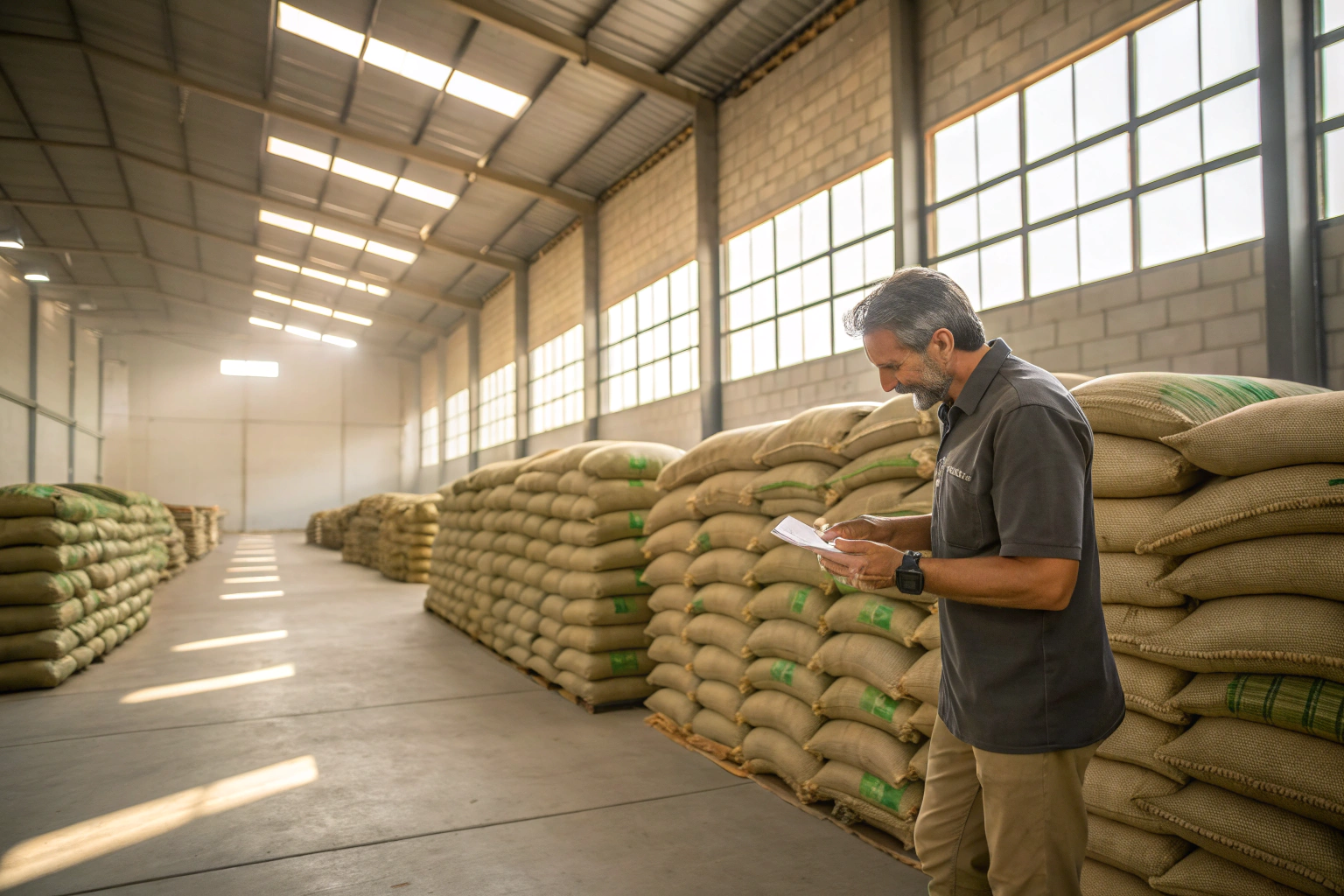
As a coffee plantation owner with over 10,000 acres in Yunnan, I've seen firsthand how much effort goes into growing the perfect coffee cherry. But all that hard work can be undone in a matter of weeks if the green beans aren't stored correctly. It’s a problem that plagues many in our industry, from small roasters to large distributors. You invest in premium beans, expecting vibrant flavors, only to find them tasting flat, woody, or musty when you finally roast them. This loss of quality is not just disappointing; it's a direct hit to your bottom line.
The most critical error in green coffee storage is failing to control the environment. Specifically, the biggest mistakes are ignoring temperature stability, humidity levels, and protection from light and air. Green coffee is an agricultural product that is still 'alive' and highly sensitive. Under ideal conditions—a cool, dark, and dry place with stable temperature and humidity—green coffee can retain its quality for about a year. However, common mistakes like storing beans in a hot warehouse, a damp basement, or in permeable bags can drastically shorten this lifespan, sometimes ruining a batch in just a few months.
I've learned these lessons over many years, sometimes the hard way. It’s frustrating to see a beautiful harvest lose its potential. But understanding these common pitfalls is the first step to protecting your investment and ensuring every cup you eventually serve is as good as it can be. Let's dive deeper into the specific mistakes I see most often and, more importantly, how you, as a buyer, can avoid them to protect your inventory and your business.
Why is temperature stability so crucial?
Have you ever walked into a storage area and felt a blast of hot, stagnant air? That's a red flag for any agricultural product, but for green coffee, it's a full-blown emergency. Many buyers, especially those new to sourcing directly, underestimate just how quickly heat can ruin a good batch of beans. They might store their valuable inventory in a standard warehouse or even a garage, not realizing the daily temperature swings are silently killing the coffee's flavor.
Temperature instability is a primary enemy of green coffee because it accelerates the degradation of the very compounds that create flavor and aroma. High temperatures, generally anything above 25°C (77°F), speed up chemical reactions within the bean, causing fragile aromatic compounds to evaporate and lipids (oils) to oxidize. This results in the dreaded "stale" or "cardboard-like" taste. Conversely, while cooler is generally better, freezing without proper packaging can cause ice crystals to form, damaging the bean's cellular structure. The goal is not just a cool environment, but a stable one.
The key is to think of green coffee like a fine wine. You wouldn't store a vintage Bordeaux next to a furnace, right? The same principle applies here. Fluctuations are just as damaging as consistently high heat. As temperatures rise and fall, the relative humidity also changes, creating a cycle of moisture absorption and loss that stresses the beans. This is why at our facilities, like those of our trusted partners at Shanghai Fumao, we invest heavily in climate-controlled warehousing. It’s not a luxury; it’s a necessity for delivering the quality our clients expect.
How does heat damage green coffee beans?
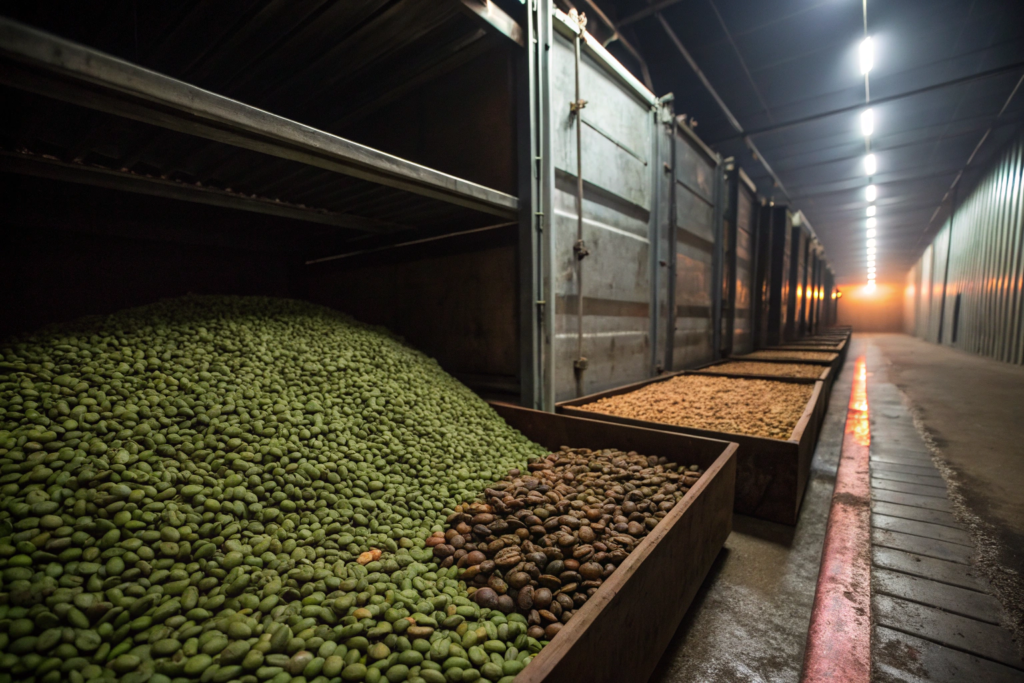
Heat acts as a catalyst, speeding up the natural aging process of green coffee beans. Think of it like fast-forwarding a movie. The delicate organic compounds responsible for the bright, acidic, and fruity notes in a high-quality Arabica are volatile. When stored in a hot environment, these compounds literally evaporate, leaving you with a dull, lifeless cup. Furthermore, the oils within the bean, which are crucial for developing flavor during roasting, can turn rancid through oxidation, a process greatly accelerated by heat. This leads to unpleasant, stale flavors that no amount of roasting skill can fix.
What is the ideal temperature range for storage?
To preserve green coffee quality, the industry-accepted ideal temperature range is between 15°C and 25°C (59°F to 77°F). More importantly, this temperature should remain as stable as possible. A warehouse that swings from 15°C at night to 30°C during the day is causing significant stress and damage to the beans. Some high-end specialty roasters even use cold storage (below 15°C but above freezing) to extend the shelf life of particularly valuable micro-lots, but this requires careful management to avoid condensation. For most wholesale buyers, aiming for a consistent, cool, room-temperature environment is the most practical and effective strategy. You can find more detailed guidelines on this from resources like the International Coffee Organization.
How does humidity affect bean quality?
After temperature, humidity is the next great challenge. I remember a time early in my career when a shipment arrived during a particularly humid season. We stored the jute sacks in what we thought was a dry warehouse, but we didn't account for the high ambient humidity. Within weeks, we noticed a musty smell. It was a costly lesson in just how hygroscopic green coffee is—meaning it readily absorbs moisture from the air. This is a constant battle for anyone storing coffee, especially in less-than-ideal climates.
Excessive humidity is disastrous for green coffee because it promotes mold growth and causes the beans to lose their desirable flavor characteristics, replacing them with musty or earthy off-flavors. When relative humidity in a storage environment exceeds 65-70%, the beans absorb that moisture. This not only spoils the flavor but can also pose a health risk due to the potential development of mycotoxins. On the flip side, an environment that is too dry (below 50% humidity) will cause the beans to lose their own internal moisture, resulting in a flat, woody taste and uneven roasting.
Finding that perfect balance is key. It’s about creating an environment that preserves the bean's ideal internal moisture content, which should be between 10% and 12.5%. This is why modern storage solutions are so important. While traditional jute bags are great for transport, they offer little protection from humidity. That's why we, and many other quality-focused suppliers, use hermetic bags like GrainPro inside the jute sacks. These multi-layered bags create a stable micro-environment, protecting the beans from the outside world.
What happens when beans get too damp?
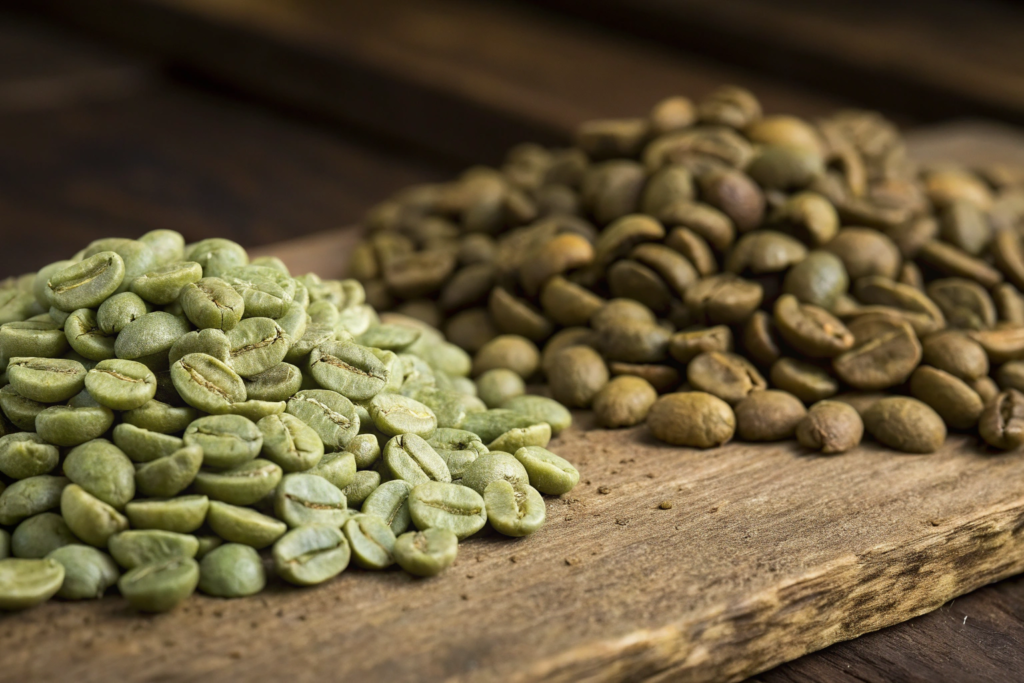
When green coffee beans absorb excess moisture, they become a breeding ground for mold and fungi, such as Aspergillus and Penicillium. This is the most severe risk, as it can render the entire batch unusable and potentially harmful. Even before visible mold appears, the high moisture content will degrade the coffee's quality, causing it to develop unpleasant taints described as musty, moldy, or baggy. The beans can also physically swell and lose their structural integrity, which negatively impacts how they behave during the roasting process. You can learn more about preventing mold from food safety resources like the FDA guidelines.
Can beans be too dry?
Absolutely. While high humidity gets more attention because of the mold risk, low humidity is also detrimental. If the storage environment is too dry (typically below 50% relative humidity), the beans will lose their essential moisture content. Beans that are too dry lose their vibrant acidity and complex aromas, leading to a cup profile that is often described as woody, papery, or simply flat. They also become brittle, which can cause them to chip or fracture during handling and roasting, leading to inconsistencies in the final product. Maintaining that 50-60% humidity sweet spot is crucial for preserving the full potential of the coffee.
Why are packaging and airflow important?
I've seen buyers spend a fortune on top-tier coffee, only to store it in the same permeable bags it was shipped in, stacked directly on a concrete floor. This is one of the most common and easily avoidable mistakes. Packaging and airflow aren't just logistical details; they are active lines of defense for your green coffee. Think of the bag as the bean's personal bodyguard and proper stacking as its life support system.
The right packaging creates a barrier against environmental enemies like moisture, oxygen, and odors, while proper airflow prevents microclimates where dampness and heat can build up. For decades, jute or burlap sacks were the standard, and while they are durable and affordable, they are highly permeable. They offer almost no protection against humidity changes or strong smells. This is why the industry has moved towards using hermetic, multi-layer plastic liners—like Ecotact or GrainPro—inside the jute bags. These liners are a game-changer, creating a stable environment that preserves the coffee's original moisture content and protects it from the outside world.
Proper airflow is the other half of the equation. Stacking bags directly on the floor is a huge mistake, as concrete can draw moisture and cause condensation. Furthermore, piling bags tightly together without any space in between creates stagnant air pockets. We always store our coffee on pallets, keeping it off the floor and allowing air to circulate underneath. This simple step, combined with proper spacing between stacks, helps maintain a consistent temperature and humidity throughout the entire lot, preventing the kind of "hot spots" that can lead to spoilage. It's a practice we share with our partners, including Shanghai Fumao, to ensure quality from our farm to your roastery.
What is the best packaging for green coffee?
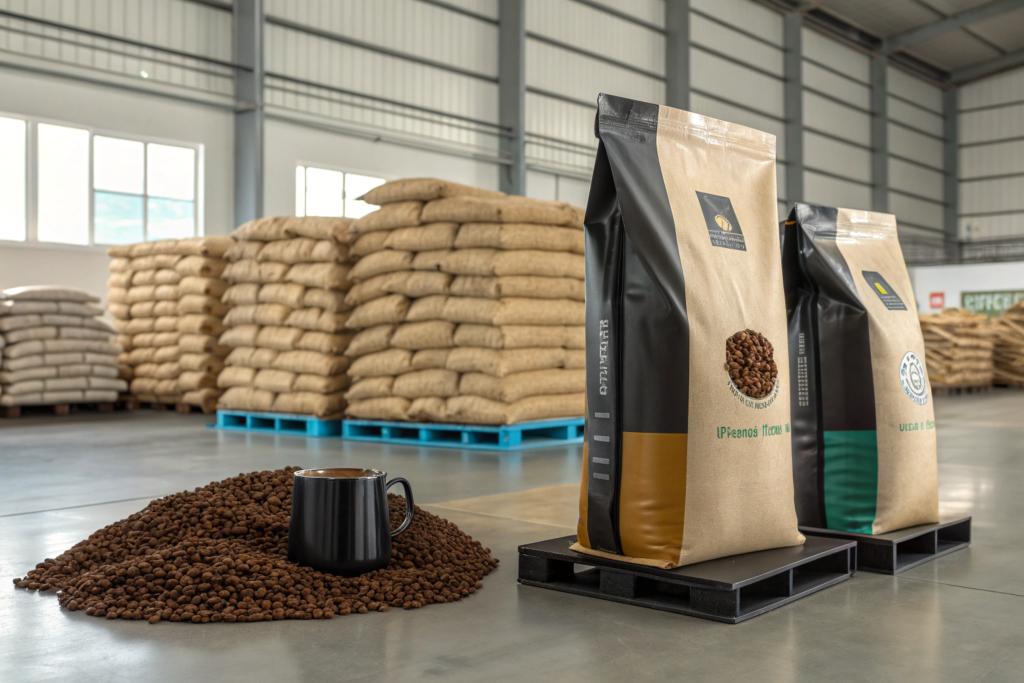
The gold standard for long-term storage and shipping today is a dual-barrier system: a traditional jute or sisal bag for physical durability and an inner hermetic bag for environmental protection. Brands like GrainPro and Ecotact specialize in these high-barrier liners, which are designed to be airtight and moisture-proof. They effectively seal the coffee in its own stable microclimate, protecting it from oxygen, moisture, and any external odors it might absorb. For smaller quantities or for roasters storing beans post-purchase, vacuum-sealed bags or airtight containers are also excellent options.
How should bags be stacked and stored?
Proper warehouse management is critical. Here are the key rules:
- Always use pallets: Never store coffee bags directly on the floor. Pallets elevate the bags, allowing for crucial airflow underneath and protecting them from ground moisture and temperature. [9]
- Allow for ventilation: Leave space between rows of pallets to allow air to circulate freely around the stacks. This helps prevent temperature and humidity pockets from forming.
- Keep away from walls: Avoid stacking bags directly against exterior walls, which can be prone to temperature fluctuations and condensation.
- Mind the height: Storing coffee too high up on racks can expose it to rising heat. One roaster learned the hard way that storing expensive lots on a five-meter high rack noticeably accelerated aging. Keeping stacks at a reasonable height ensures more stable conditions.
Does light and odor exposure really matter?
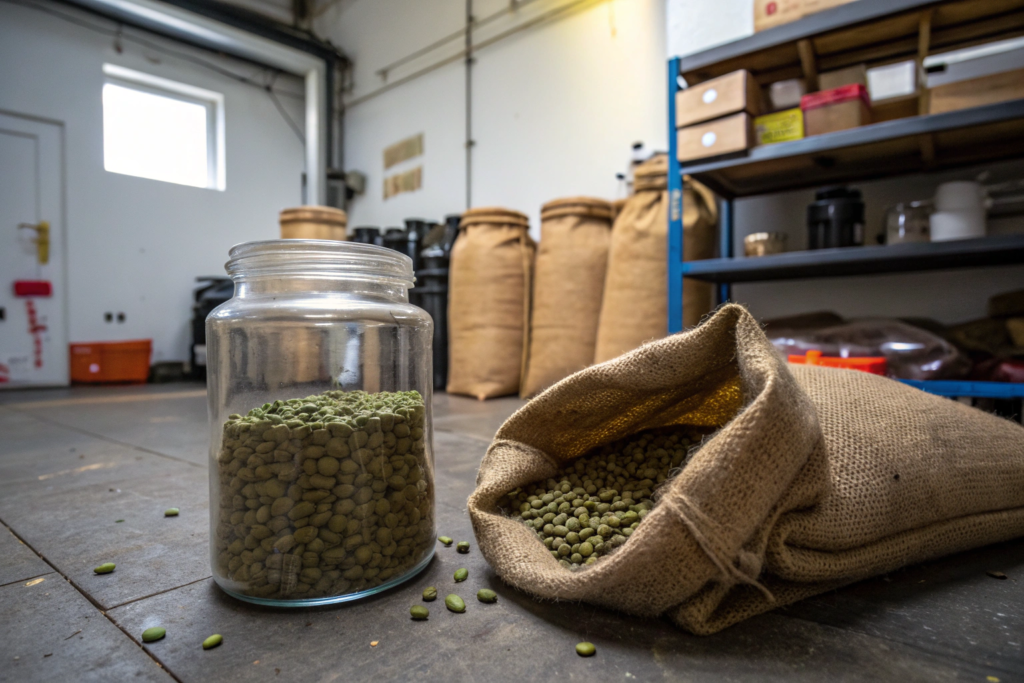
This is a mistake that often gets overlooked. Buyers might focus on temperature and humidity but then store their green coffee in clear containers on a shelf or right next to a pile of roasting spices. Honestly, it's an easy error to make. You might think, "It's just for a few weeks, what harm can it do?" But green coffee is incredibly porous and sensitive.
Yes, exposure to light and strong odors absolutely matters because light degrades the organic compounds in the beans, while the beans act like a sponge, easily absorbing any nearby smells. Direct sunlight or even strong artificial light can accelerate the breakdown of the delicate oils and acids in coffee, a process called photodegradation. This leads to the loss of flavor and aroma, making the coffee taste flat and stale long before its time. This is why you'll almost never see specialty green coffee packaged in clear bags.
The odor issue is just as serious. I once visited a facility where green coffee was stored near a shipment of garlic. The coffee was ruined. It had absorbed the garlic aroma, and no amount of airing out could save it. This applies to anything with a strong smell—chemicals, cleaning supplies, other foods, even the exhaust from a forklift. Protecting your coffee means isolating it. At our own farm and with partners like Shanghai Fumao, we have dedicated, odor-free zones for coffee storage to prevent any chance of this kind of cross-contamination.
How does light damage coffee beans?
Light, particularly UV light, acts as an energy source that speeds up chemical reactions within the coffee bean. It accelerates oxidation, causing the fats and oils in the coffee to become rancid. This process breaks down the very molecules that are precursors to the wonderful flavors and aromas we seek to develop during roasting. The result is a significant loss of quality, with the coffee developing off-flavors that can be described as metallic or bitter. To preserve quality, coffee should always be stored in a dark place or in opaque, light-proof packaging. You can find more on this topic from coffee resources like Roast Magazine.
What kinds of odors should be avoided?
The short answer is: all of them. Green coffee's porous nature means it will absorb almost any strong ambient smell. Key culprits to avoid storing near your coffee include:
- Chemicals: Cleaning supplies, pesticides, fertilizers, paints, and fuels like gasoline or diesel.
- Spices and other foods: Anything with a pungent aroma, such as onions, garlic, or strong spices.
- Exhaust fumes: Ensure storage areas are well-ventilated and away from vehicle traffic.
- Other agricultural products: Different crops can impart their own smells.
The best practice is to have a dedicated storage area used exclusively for coffee to ensure its pure, unadulterated flavor is preserved.
Conclusion
As a coffee producer, my goal is to see the incredible potential of our Yunnan beans fully realized in the final cup. But as we've seen, the journey from our farm to your roaster is filled with potential pitfalls. The most common mistakes in green coffee storage—ignoring temperature stability, humidity control, proper packaging, and protection from light and odors—can quickly erase all the hard work that came before.
Ultimately, preserving the quality of green coffee is a shared responsibility. It requires diligence from us, the producers, but also from you, the buyer. By understanding these common errors, you can make informed decisions, ask the right questions, and implement best practices to protect your inventory. Storing your green coffee in a cool, dark, dry, and stable environment, using hermetic packaging, and ensuring good airflow are not just recommendations; they are essential actions to safeguard your investment and deliver the exceptional coffee experience your customers expect.
If you're looking for a reliable partner who understands these challenges and is committed to delivering consistently high-quality, well-preserved green coffee beans from our farms in Yunnan, we're here to help. For any questions about your order or to discuss your specific needs, please feel free to reach out to my colleague, Cathy Cai, at cathy@beanofcoffee.com. Let's work together to bring the best of Chinese coffee to the world.