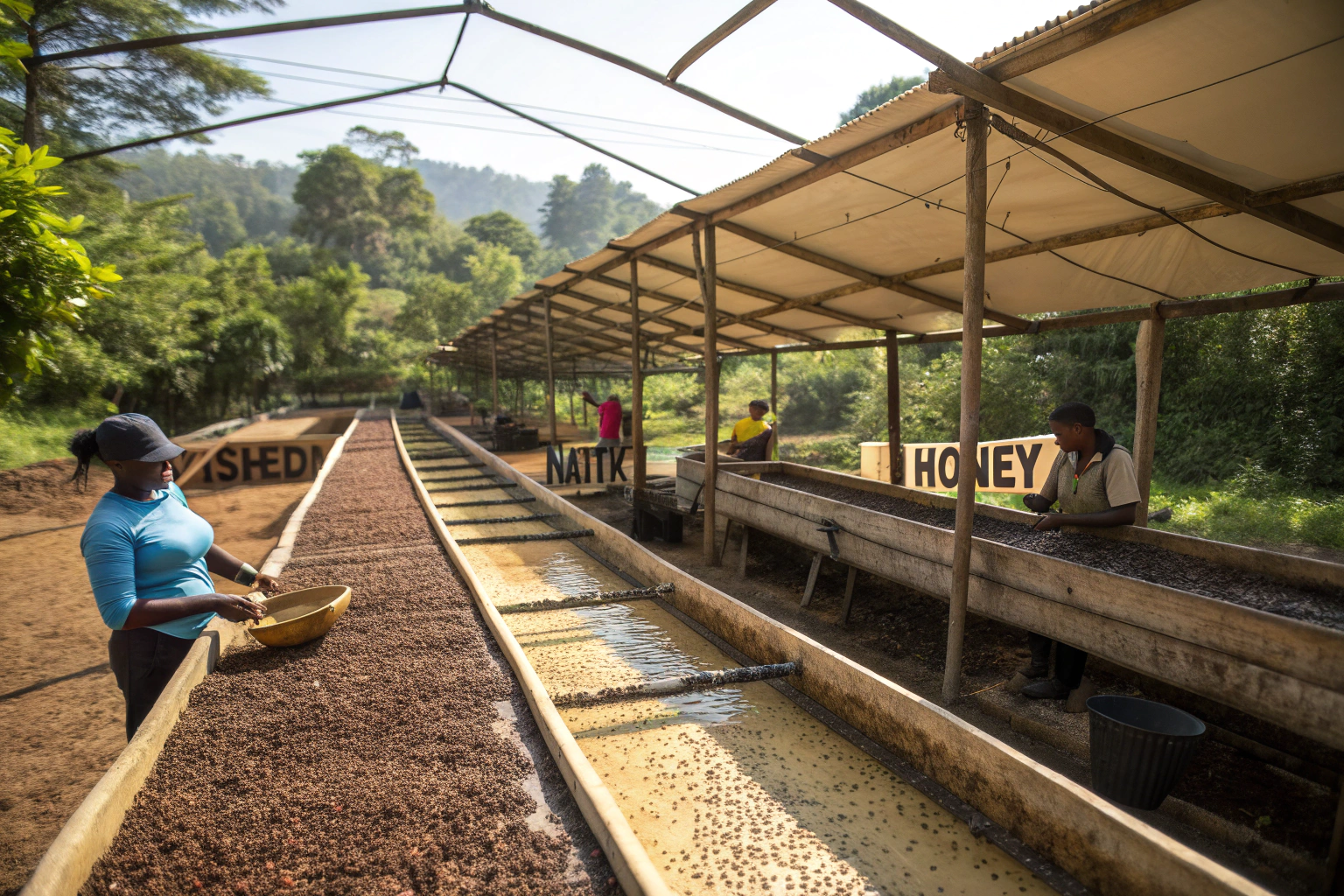
You're tasting two coffees from the same farm in Ethiopia. One is bursting with blueberry and jammy sweetness. The other is clean, tea-like, with sharp citrus notes. How can beans from the same trees taste so completely different? The secret isn't the growing—it's what happens after the harvest. The processing method is the most powerful tool a farmer has to shape your coffee's final flavor.
Coffee processing is the crucial step of removing the coffee seed from its surrounding fruit. The three primary methods—Washed, Natural, and Honey—each achieve this differently, dramatically influencing the bean's sweetness, body, and acidity. This post-harvest phase is where a coffee's fundamental character is born.
So, how does removing a fruit skin create such wildly different drinks? It all comes down to fermentation, time, and whether the fruit is allowed to impart its sugars to the bean. Let's dive into the world of processing and uncover how your coffee gets its flavor.
What is the Washed (Wet) Process Method?
If you've ever drunk a coffee described as "clean," "bright," or "complex," you were likely tasting a washed coffee. This method is the global standard for highlighting the intrinsic qualities of the bean itself, stripping away the influence of the fruit.
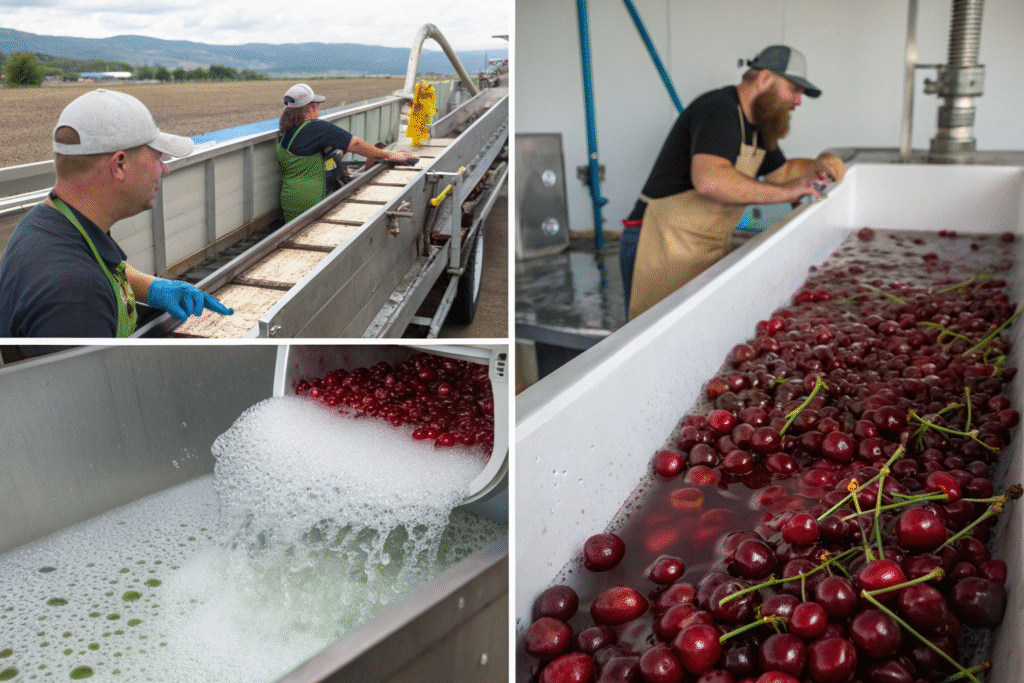
In the Washed process, the coffee fruit's skin and pulp are mechanically removed within hours of harvest. The beans, still covered in a sticky layer of mucilage, are then fermented in water tanks. This fermentation breaks down the mucilage, which is finally washed off, leaving the clean seed to be dried.
How Does Fermentation Create Acidity?
After depulping, the beans are submerged in water for 12 to 48 hours. Natural enzymes and yeasts break down the sugary mucilage. This controlled fermentation doesn't add flavor; it reveals it by eliminating the fruit's masking sugars. The result is a cup that showcases the bean's origin character—its inherent acidity, its floral or fruity notes—with pristine clarity. This is why Washed coffees from regions like Yunnan or Ethiopia are prized for their vibrant, complex profiles. It's a pure expression of coffee terroir.
Why is Washed Processing Considered "Clean"?
Because the bean is separated from all fruit material before drying, it's less susceptible to off-flavors or defects. The final cup is often described as having a defined structure, much like a skeleton. You taste the bean, not the fruit. This method requires a significant amount of clean water, making it more resource-intensive. However, for farmers focused on quality and clarity, it's often the preferred method. The consistency of Washed lots is a key reason they are a staple in the specialty coffee market.
What is the Natural (Dry) Process Method?
The Natural process is the oldest method in the book, and it produces the most polarizing, fruit-forward coffees. If you've ever been shocked by a coffee that tastes like blueberries or strawberries, you've met a Natural.
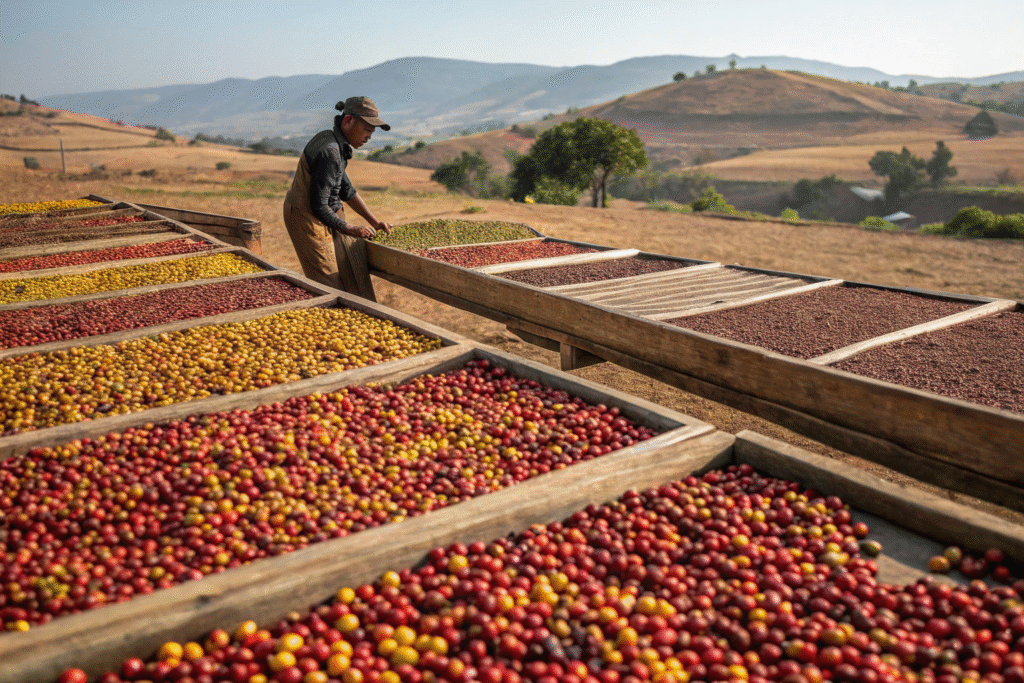
In the Natural process, whole, intact coffee cherries are dried in the sun on large patios or raised beds. The cherry, including its skin and pulp, dries around the bean over several weeks. During this slow drying, the bean ferments inside the fruit and absorbs its sugars, resulting in a wildly sweet and fruity cup.
How Does the Fruit Impart Such Strong Flavors?
Think of it like making a sundried tomato. As the cherry dries, the sugars in the fruit pulp concentrate and ferment. The bean, sitting inside this sugary environment, soaks up these compounds. This is why Natural coffees have such intense berry, wine, and tropical fruit notes, along with a heavy, syrupy body. The skill lies in constant turning to prevent mold—a risk that makes this the most demanding method. When done well, as with some of our experimental Yunnan lots, the flavor development is incredible.
What are the Risks and Rewards for Farmers?
Naturals are a gamble. They require consistent, dry weather for up to four weeks. If it rains, the entire batch can be ruined by mold. But the reward is worth the risk. Naturals often command a premium price for their unique flavors, and they use very little water, making them ideal for arid regions. For the drinker, it's a bold, unmissable experience. This high-risk, high-reward approach is a fascinating part of coffee farming economics.
What is the Honey (Pulped Natural) Process Method?
Imagine a method that sits perfectly between the crisp clarity of Washed and the bold fruitiness of Natural. That's the Honey process, a technique that has exploded in popularity for its ability to deliver the best of both worlds.
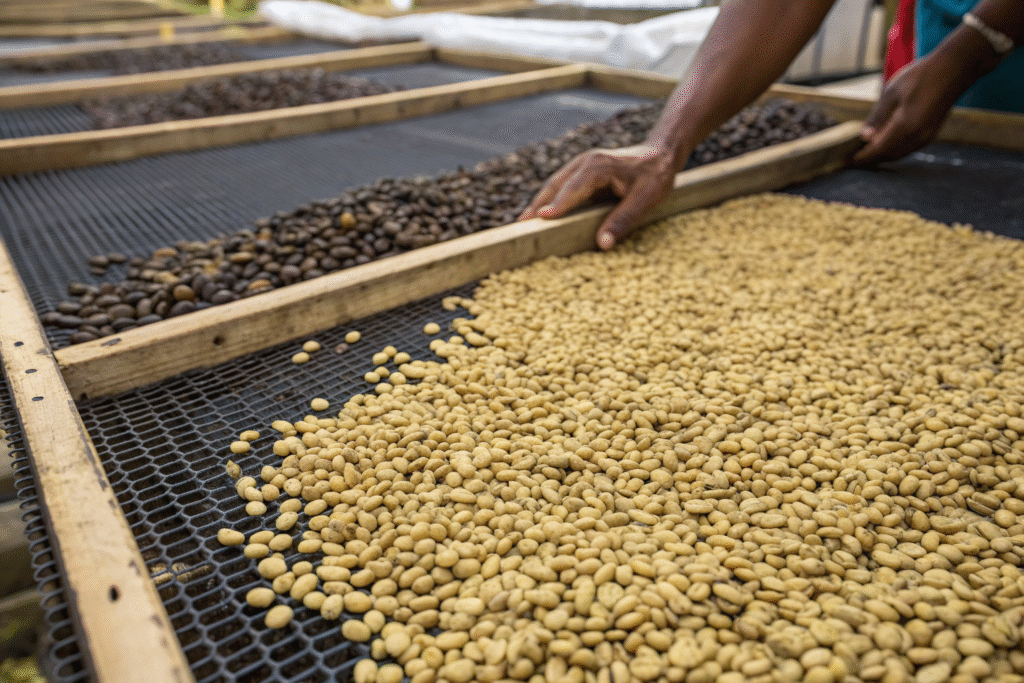
The Honey process is a hybrid. The skin and pulp of the cherry are removed (like in Washed), but the bean is dried with a controlled amount of the sticky, sugar-rich mucilage still attached. The name comes from the honey-like texture of this mucilage, not the taste.
How Does the Mucilage Level Change the Coffee?
The amount of mucilage left on the bean is the key variable, leading to color classifications like White, Yellow, Red, and Black Honey. More mucilage means more sweetness, body, and fermentation potential. A White Honey (less mucilage) will taste closer to a Washed coffee—clean and bright. A Black Honey (most mucilage) will be intensely sweet and heavy-bodied, leaning towards a Natural. This allows for incredible nuance and craftsmanship, letting producers like us at BeanofCoffee fine-tune a coffee's profile. It's a masterclass in post-harvest technology.
Why is it Gaining Popularity?
Honey processing offers a sweet spot. It gives producers a tool to create unique, sweet, and complex coffees without the high risk of Naturals. It also uses far less water than the Washed method, making it more sustainable. For drinkers, it often provides an accessible gateway into the world of experimental processing, offering a balanced cup with noticeable sweetness and body without being overpowering. This balance is a major reason for its growing prominence in coffee consumption trends.
How Do Newer Experimental Methods Work?
The world of coffee processing didn't stop at Honey. A new wave of "experimental" or "innovative" processing is pushing the boundaries of what coffee can taste like, using controlled fermentation to create previously unimaginable flavors.
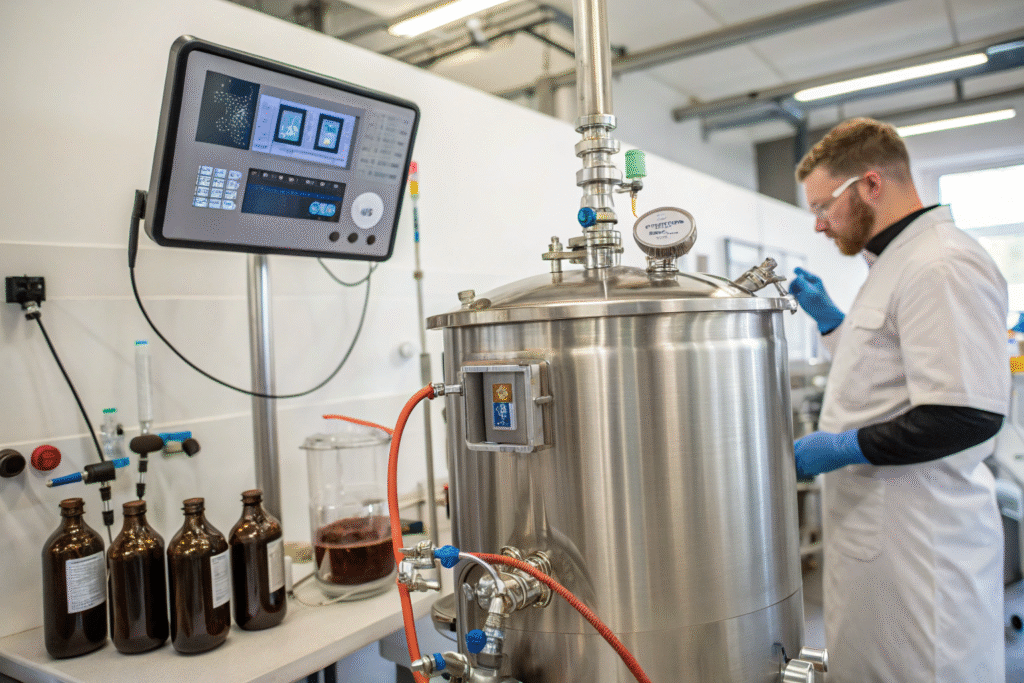
These methods, such as Anaerobic Fermentation or Carbonic Maceration, involve placing depulped beans in sealed, oxygen-free tanks. In this controlled environment, specific yeasts and bacteria dominate the fermentation, often leading to intensely funky, boozy, or lactic flavors like yogurt and bubblegum.
What is Anaerobic Fermentation?
"Anaerobic" simply means "without air." By fermenting the beans in sealed tanks, producers can control the temperature and gases involved. This selective pressure encourages particular microorganisms to thrive, creating incredibly potent and specific flavor notes—think rum, ripe cheese, or sour candy. It's a high-tech approach that produces some of the most divisive and exciting coffees on the market. This method is a direct import from the wine industry, showcasing the growing intersection of food science and coffee.
Are These "Natural" Flavors?
This is the big debate. Purists argue these methods manipulate the coffee to create flavors that aren't inherent to the bean or its terroir. Proponents see it as the next evolution of coffee craftsmanship. The result is undeniably unique and often delicious, but it's important to know that the flavor is as much a product of the tank as it is the farm. Understanding this helps you, the buyer, make an informed choice about what you want in your cup. For roasters, offering these can attract a adventurous segment of the coffee market.
Conclusion
The processing method is the final, crucial creative step at the farm that defines your coffee's soul. Washed processing gives you purity and clarity. Natural processing delivers intense fruit and body. Honey processing offers a perfect balance of sweetness and complexity. And experimental methods push the boundaries of flavor altogether.
There is no "best" method—only the right method for the flavor profile you want to create. Understanding these differences empowers you to choose coffees you'll love and to appreciate the incredible craftsmanship that goes into each bag. For roasters and brands, this knowledge is essential for curating a diverse and exciting menu. We at BeanofCoffee are passionate about exploring these methods on our Yunnan farms to offer a wide spectrum of flavors. To discuss sourcing uniquely processed Arabica and Robusta beans, contact our export manager, Cathy Cai, at cathy@beanofcoffee.com.